
As you age, it’s natural to worry about your physical health and fitness. But exercising as an older woman is not only beneficial for your body, but also essential for maintaining independence and overall well-being. Not only can regular exercise help prevent chronic diseases like osteoporosis and heart disease, but it can also boost your mood, energy levels, and even cognitive function.
However, many women in this age group often struggle with finding exercises that are gentle on their joints and safe to perform. That’s why I’ve put together a comprehensive guide to exercising as an older woman. In this article, we’ll cover the benefits of exercise for women over 50, common challenges they face, and provide guidance on incorporating gentle exercises into your daily routine, along with essential safety precautions and motivation tips to keep you moving forward.
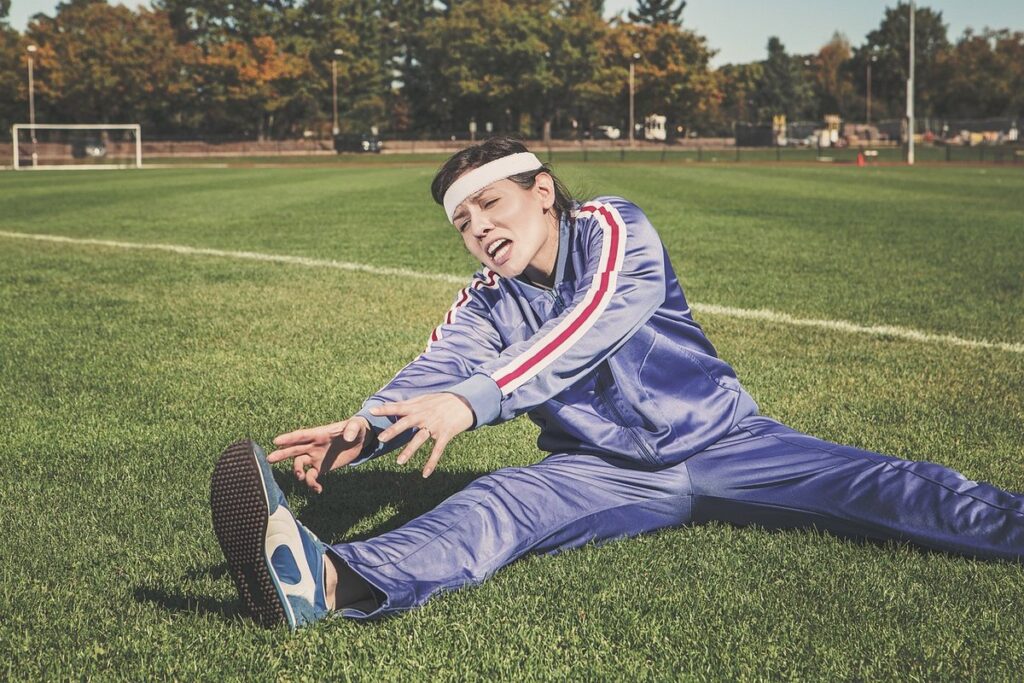
Understanding the Importance of Exercise for Older Women
Regular exercise is essential for older women to maintain physical health, prevent chronic diseases, and boost mental well-being. By understanding its importance, you’ll be motivated to prioritize a healthy lifestyle from now on.
Benefits of Regular Exercise for Women Over 50
Regular exercise is essential for women over 50, as it offers numerous benefits that can improve overall health and quality of life. By incorporating physical activity into their daily routine, older women can significantly reduce the risk of chronic diseases such as heart disease, diabetes, and certain types of cancer.
Exercise also plays a crucial role in maintaining mental health, reducing symptoms of anxiety and depression, and even alleviating menopausal symptoms like hot flashes and mood swings. Physical activity stimulates the release of endorphins, which are natural mood-boosters that can leave women feeling energized and refreshed.
In addition to these benefits, regular exercise helps maintain mobility and flexibility, allowing older women to engage in activities they enjoy without discomfort or pain. By starting a gentle exercise routine, such as walking, yoga, or swimming, women over 50 can take control of their health and well-being, reducing the risk of age-related decline and improving their overall quality of life.
Common Challenges Faced by Older Women in Exercising
As we age, it’s common for older women to face various challenges that can make exercising more difficult. One of the most significant barriers is a lack of motivation. This can be due to a sedentary lifestyle, feeling self-conscious about one’s body, or simply not knowing where to start. To overcome this, try scheduling exercise into your daily routine and finding activities you enjoy, whether it’s walking with friends, trying yoga, or dancing to your favorite music.
Physical limitations are another common challenge older women face when exercising. Chronic health conditions such as arthritis, diabetes, or heart disease can make certain exercises more difficult or even painful. However, many exercises can be modified to accommodate physical limitations. For example, swimming is a low-impact exercise that’s easy on the joints and can be done in a warm pool. Alternatively, try chair yoga or bodyweight exercises that don’t require heavy lifting.
Time constraints are also a major obstacle for older women when it comes to exercising. Many have caregiving responsibilities, work part-time jobs, or manage households, leaving little time for themselves. To overcome this, start small by incorporating short exercise sessions into your daily routine, such as 10-minute morning stretches or a quick lunchtime walk. You can also try exercising at home with online videos or workout apps that cater to older adults.
Preparing for Exercise: Setting Goals and Assessing Health
Before starting any new exercise routine, it’s essential to set realistic goals and assess your current health to ensure a safe and effective fitness journey. Let’s get started by taking care of these two crucial steps!
Setting Realistic Fitness Goals as an Older Woman
Setting realistic fitness goals as an older woman is essential for a safe and successful exercise routine. Before starting any new physical activity, it’s crucial to discuss your plans with your healthcare provider. This conversation will help you identify any potential health risks or concerns that need to be addressed.
When setting your goals, consider what you want to achieve in terms of overall health and fitness. Do you want to improve your flexibility, balance, or cardiovascular endurance? Be specific about what you want to accomplish, but also remember to start slow. Aim to increase your physical activity by 10-15 minutes each week to avoid burnout and injury.
It’s also essential to set realistic time frames for achieving your goals. Don’t try to do too much too soon – it’s better to take small steps towards a healthier lifestyle than to risk burnout or injury. For example, if you’re new to exercise, start with short walks around the block three times a week and gradually increase the duration and frequency as you become more comfortable.
Remember, your goals should be tailored to your individual needs and abilities. Don’t compare yourself to others – focus on making progress towards your own health and wellness objectives.
Assessing Your Current Health Status Before Starting to Exercise
Before starting any new exercise routine, it’s essential to assess your current health status. This is especially crucial for older women, as certain health conditions and medications can impact the type and intensity of exercises you can safely perform.
Consulting with a doctor or healthcare professional is a must-do step in this process. They will help identify any chronic conditions, such as hypertension, diabetes, or osteoporosis, that may need special consideration when exercising. Additionally, they’ll assess your medication regimen to determine if any interactions could be hazardous during physical activity.
During the consultation, don’t hesitate to share your medical history and list of medications with your healthcare provider. Be prepared to discuss any concerns you have about exercise and its potential impact on your health. Your doctor may recommend a stress test or other diagnostic tests to evaluate your overall cardiovascular health before starting an exercise program.
By taking this initial step, you’ll be able to tailor your exercise plan to your unique needs and abilities, reducing the risk of injury or exacerbating any underlying conditions.
Building a Foundation: Gentle Exercises for Older Women
When starting out, it’s essential to establish a strong foundation of exercises that are gentle on your joints and easy to follow. This section will guide you through simple and effective movements to get you started.
Introduction to Low-Impact Aerobic Exercises
When it comes to getting started with aerobic exercises as an older woman, it’s essential to begin with low-impact activities that are easy on the joints. Gentle aerobic exercises such as brisk walking, swimming, and cycling are perfect for this stage.
These exercises offer numerous benefits, including improved cardiovascular health, weight management, and increased energy levels. Brisk walking is a great way to get started – all you need is a pair of comfortable shoes and a safe walking route. Swimming is another excellent option, as it’s low-impact and easy on the joints. Many community centers and gyms offer swimming classes specifically designed for older adults.
Cycling is also an accessible option, whether you prefer using a stationary bike at home or joining a group cycling class. These exercises are not only great for your physical health but also provide mental stimulation and social benefits. To get started, begin with short sessions (20-30 minutes) and gradually increase the duration as you become more comfortable.
It’s also essential to listen to your body and rest when needed – especially if you’re new to exercise or have any underlying health conditions. Consult with a healthcare professional before starting any new exercise program.
Core Strengthening Exercises for Older Women
As we age, our core muscles can become weaker, making us more prone to back pain, poor posture, and even falls. That’s why it’s essential for older women to incorporate exercises that target the core muscles, including the abdominals, lower back, and pelvic floor.
Let’s start with planks, a classic exercise that works multiple muscle groups at once. To perform a plank safely, place your hands shoulder-width apart on a stable surface, engage your core by drawing your belly button towards your spine, and hold for 30-60 seconds. As you get stronger, you can gradually increase the duration.
Bridges are another great exercise that targets the glutes and lower back muscles. Lie on your back with your knees bent and feet flat on the floor, then lift your hips off the ground, squeezing your glutes at the top of the movement. Hold for a few seconds before slowly lowering back down. Aim for 10-15 repetitions.
Pelvic tilts are also an excellent exercise to strengthen the muscles in your lower back and pelvis. Lie on your back with your knees bent and feet flat on the floor, then tilt your pelvis upwards towards the ceiling, holding for a few seconds before releasing. Repeat for 10-15 repetitions. Remember to breathe naturally while performing these exercises, and don’t bounce or jerk your body up and down.
Remember to start slow and listen to your body – if you experience any discomfort or pain, stop immediately and consult with a healthcare professional or fitness expert. With regular practice, you’ll notice improvements in your posture, balance, and overall core strength.
Progressing Your Workout: Adding Strength Training and Flexibility
Now that you’re feeling more confident with your exercise routine, it’s time to take it up a notch by incorporating strength training and flexibility exercises to boost your overall fitness.
Introduction to Resistance Band Exercises for Older Women
Resistance bands are an excellent way for older women to build strength without requiring a gym membership or extensive equipment. These lightweight, portable tools can be used anywhere, making them perfect for travel or home workouts. One of the biggest advantages of resistance bands is their versatility – they come in various resistances and can be used to target different muscle groups.
To get started with resistance band exercises, choose a band that suits your fitness level, and start with simple movements like leg curls, chest presses, and shoulder rotations. As you become more comfortable, you can progress to more challenging exercises like banded squats and lunges. For example, try standing on the middle of the band with your feet shoulder-width apart, holding onto a chair for support if needed.
To ensure proper form, focus on slow, controlled movements and engage your core muscles throughout each exercise. Remember to breathe naturally and avoid bouncing or jerking the band. With regular practice, you’ll be able to enjoy the benefits of strength training while enjoying the convenience of resistance bands.
Flexibility and Stretching Exercises for Improved Mobility
Flexibility and stretching exercises are essential for older women to maintain range of motion and prevent stiffness. As we age, our muscles naturally lose flexibility, making everyday activities more challenging. To combat this, incorporate static stretches into your routine, targeting major muscle groups like the hamstrings, quadriceps, hip flexors, lower back, and shoulders.
For example, stand with your feet shoulder-width apart and lean forward at the hips to stretch your hamstrings and calves. Hold for 15-30 seconds and breathe deeply. Switch sides to maintain balance. For your shoulders, stand in a doorway with your hands on the doorframe at shoulder height. Lean forward until you feel a stretch in your shoulders and chest.
Remember to hold each stretch for 15-30 seconds and don’t bounce. This will help prevent injury and allow your muscles to lengthen. Aim to stretch major muscle groups 2-3 times per week, ideally after a warm-up or on rest days. By incorporating flexibility exercises into your routine, you’ll enjoy improved mobility and reduced stiffness, making everyday activities easier and more enjoyable.
Safety Precautions and Common Injuries to Watch Out For
Before you begin any exercise routine, it’s essential to be aware of potential safety hazards and common injuries that can affect older women. We’ll guide you through these key considerations next.
Injury Prevention Strategies for Older Women Exercising
As you continue on your fitness journey, it’s essential to take proactive steps to prevent injuries that can sideline you from your exercise routine. Older women are particularly susceptible to certain types of injuries, such as osteoporosis-related fractures, tendonitis, and strains.
To minimize the risk of injury, incorporate proper warm-up and cool-down routines into your workout schedule. A 5-10 minute dynamic stretching session before exercising can help increase blood flow and reduce muscle stiffness. This may include leg swings, arm circles, and hip rotations. After your workout, take an additional 5 minutes to stretch statically, focusing on major muscle groups.
Additionally, consider the following injury prevention strategies:
* Wear comfortable, supportive shoes that provide adequate arch support
* Use proper form when lifting weights or performing high-impact exercises
* Gradually increase exercise intensity and duration to avoid sudden strain on your body
* Stay hydrated throughout your workout and listen to your body’s warning signs of fatigue
Emergency Procedures and First Aid for Exercise-Related Injuries
When engaging in physical activity as an older woman, it’s essential to know what to do in case of an injury. Being prepared can help prevent further harm and even save a life. Here are some basic first aid techniques and emergency procedures for common exercise-related injuries.
Acutely injuring your joint, muscle or bone is relatively common, especially when you’re new to exercise. For minor strains or sprains, the RICE principle should be followed: Rest, Ice, Compression and Elevation. Apply ice packs to reduce pain and swelling, compress the affected area with a bandage or tape, elevate the injured limb above heart level to minimize blood flow, and avoid putting any weight on it.
In case of more severe injuries like broken bones or concussion, call 911 immediately for professional medical help. Monitor your vitals and keep an eye out for signs of infection. Common signs include redness, swelling, fever, chills, and pus.
Preventing injuries is always the best approach. Wear proper gear and footwear suitable for your exercise type, maintain a balanced diet to ensure optimal health, listen to your body’s signals when it says you need rest or more water, and take regular breaks during intense physical activity.
Staying Motivated: Tips and Tricks for a Sustainable Fitness Routine
Staying motivated is often the biggest challenge when starting a new fitness routine, but don’t worry, we’ve got some practical tips to help you power through. Let’s dive into what keeps us going!
Finding an Exercise Buddy or Support Group
Exercising with others can be a game-changer for older women who want to stay motivated and consistent with their fitness routine. Not only does it provide accountability, but it also offers social support, which is essential for physical and emotional well-being.
When you exercise with a buddy or join a group class, you’ll be more likely to show up regularly and put in your best effort. This is because someone else is counting on you, and you can draw motivation from each other’s successes. Plus, exercising with others can make the experience more enjoyable, as you can chat and laugh together while burning calories.
If you’re struggling to find a workout buddy or join a group class, consider reaching out to friends, family members, or colleagues who share your fitness goals. You can also look for local community centers, senior centers, or gyms that offer exercise classes specifically designed for older adults. Many of these programs are free or low-cost and provide a great opportunity to meet new people while getting fit.
Some tips for finding an exercise buddy or group include:
* Ask friends and family members if they’d like to join you for regular workouts
* Post about your fitness goals on social media to connect with others who share similar interests
* Look for local exercise classes that cater specifically to older adults
* Join online communities or forums focused on fitness for women over 50
Tracking Progress and Celebrating Milestones
Tracking your progress and celebrating milestones is essential to staying motivated on your fitness journey. As you start exercising regularly, it’s natural to wonder if you’re getting the results you want. To combat this feeling, focus on setting specific, achievable goals that align with your overall health and wellness objectives.
To track your progress, use a combination of tools such as a food diary or exercise log. Record your workouts, including the type, duration, and intensity. Take body measurements, track changes in your blood pressure or blood sugar levels, and monitor any weight loss or gain. Regularly reviewing these metrics will help you identify areas where you’re improving.
Celebrate your milestones by treating yourself to something special – a new workout outfit or a post-workout massage can be just what you need to stay motivated. Don’t forget to acknowledge the small victories along the way, like mastering a new exercise or increasing your energy levels.
Frequently Asked Questions
What if I have mobility issues or chronic pain? Can I still do exercises safely?
Yes, it’s absolutely possible to exercise with mobility issues or chronic pain. Focus on gentle, low-impact exercises like yoga, tai chi, or swimming that don’t exacerbate your condition. Consult with a healthcare professional before starting any new exercise routine, and consider working with a fitness expert who specializes in older adults.
How do I incorporate flexibility and stretching exercises into my daily routine?
To incorporate flexibility and stretching exercises effectively, aim to dedicate 10-15 minutes each day for these activities. Start with gentle stretches that hold each pose for 20-30 seconds, then progress to more challenging positions as you build flexibility. Don’t forget to breathe deeply and listen to your body’s limits.
What if I get injured while exercising? How can I prevent further complications?
If you experience any pain or discomfort during exercise, stop immediately and consult with a healthcare professional. To prevent further complications, prioritize proper warm-up and cool-down routines, focus on exercises that strengthen core muscles for better balance, and avoid overexertion by gradually increasing intensity and duration.
How can I stay motivated to exercise regularly?
Staying motivated requires finding activities you enjoy and scheduling them consistently in your daily routine. Consider enlisting a workout buddy or joining a fitness community for support and accountability. Celebrate small milestones and don’t be too hard on yourself if you miss a session – simply get back on track as soon as possible.
Can I do strength training exercises with resistance bands at home?
Yes, resistance bands are an excellent option for strength training at home. They’re lightweight, portable, and affordable. Start by incorporating low-intensity exercises 2-3 times per week, gradually increasing intensity as you build strength. Be sure to follow proper form and listen to your body’s limitations to avoid injury.