
Knee pain is a common complaint among seniors, affecting daily activities and overall quality of life. For many, even simple tasks like walking or climbing stairs become daunting challenges due to chronic discomfort and limited mobility. But there’s hope for those struggling with knee pain – gentle exercises and lifestyle changes can make a significant difference.
Low-impact aerobics, such as swimming or cycling, are great alternatives to high-impact activities that exacerbate knee pain. Strengthening routines focusing on the core muscles and hips can also provide much-needed support for the knees. Additionally, managing weight through a balanced diet and regular exercise is essential in reducing pressure on the joints.
By incorporating these exercises into your daily routine and making informed lifestyle choices, you’ll be able to alleviate knee pain, improve mobility, and enhance overall comfort. This article will guide you through low-impact aerobics, strengthening routines, and weight management tips specifically designed for seniors with knee pain.
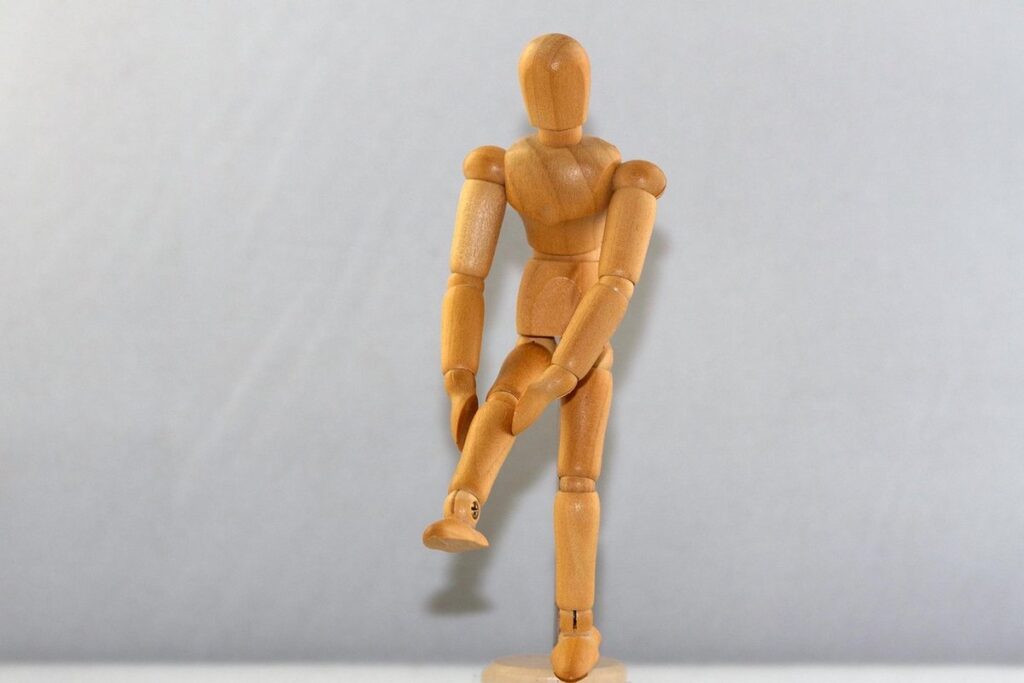
Understanding Knee Pain in Seniors
Knee pain can be a debilitating issue for seniors, affecting daily activities and overall quality of life. Understanding its underlying causes is essential to developing effective exercises that alleviate discomfort and promote mobility.
Causes of Knee Pain in Older Adults
Knee pain in older adults is often a symptom of underlying conditions that can be managed through exercise and lifestyle changes. Osteoarthritis, for example, is a degenerative joint disease that causes cartilage to wear down over time, leading to bone-on-bone contact and pain. This condition affects millions of seniors worldwide and is a common cause of knee pain.
Meniscal tears are another common cause of knee pain in older adults. These tears occur when the cartilage in the knee joint becomes damaged, often due to sudden twisting or bending movements. Ligament sprains can also contribute to knee pain, particularly in individuals who participate in high-impact activities or have pre-existing knee conditions.
In addition to these conditions, other factors can contribute to knee pain in seniors, including age-related muscle weakness and loss of joint flexibility. As we age, our muscles and joints naturally lose strength and elasticity, making them more susceptible to injury and strain. This is why it’s essential for seniors with knee pain to engage in gentle exercises that promote strength and flexibility, such as walking, swimming, or cycling. By addressing the underlying causes of their knee pain, seniors can reduce their symptoms and improve their overall quality of life.
Risk Factors for Knee Pain in Seniors
Knee pain is a common issue among seniors, and understanding its underlying risk factors can help you take proactive steps to mitigate it. Obesity is a significant contributor to knee pain, as excess weight puts additional stress on the joint. A study found that people with a body mass index (BMI) of 30 or higher are more likely to experience knee pain. Previous injuries, such as ligament sprains or meniscal tears, can also increase your risk of developing knee pain.
Certain medical conditions, like osteoarthritis and rheumatoid arthritis, can lead to chronic knee pain. Other factors to consider include family history – if you have a first-degree relative with osteoarthritis, you’re more likely to develop it too. Age is another factor; the risk of knee pain increases significantly after 50.
Additionally, wearing high heels or shoes with poor arch support can put strain on your knees. It’s essential to wear comfortable, supportive footwear and consider orthotics if needed. By being aware of these risk factors, you can take steps to modify them, such as losing weight through a healthy diet and regular exercise, which we’ll discuss in more detail later in this guide.
Assessing Knee Function and Pain Level
To effectively address knee pain, it’s essential to first assess your current knee function and pain level. This involves evaluating how far you can bend, straighten, and move your knees without discomfort.
Evaluating Your Current Fitness Level
To assess your current fitness level, start by evaluating your strength and flexibility. Take a close look at your daily activities and identify areas where you may be struggling. For example, do you have trouble standing up from a seated position or climbing stairs? These everyday tasks can reveal hidden weaknesses in your muscles.
Next, consider your activity level. Are you currently sedentary, engaging in light physical activity, or more active through regular exercise or sports? Be honest with yourself – your current fitness level plays a significant role in managing knee pain.
To get a clearer picture of your strengths and weaknesses, try the following exercises: can you stand on one leg for 10 seconds without losing balance? Can you touch your toes or bend forward to pick up an object from the floor? These simple tests will help you identify areas that need attention.
Measuring Pain Levels Using the Visual Analog Scale (VAS)
The Visual Analog Scale (VAS) is a widely used tool to measure pain levels. It’s a simple yet effective method that involves marking a point on a continuous scale from 0 to 100, where 0 represents no pain and 100 represents the worst possible pain. You rate your current pain level by placing an X on this line. This subjective assessment can be influenced by various factors, including emotional state and previous experiences.
The VAS is particularly useful for seniors with knee pain because it’s easy to administer and understand. Medical professionals often use it during appointments to assess the effectiveness of treatments or medications. You can also use a VAS at home as part of your self-assessment routine. To get an accurate reading, rate your pain level immediately after waking up and again later in the day when you’ve been active.
Other methods for assessing pain in seniors include the Numeric Rating Scale (NRS) and the Faces Pain Scale (FPS). These tools also involve rating pain levels using a numerical or visual scale. However, the VAS remains one of the most popular and reliable options due to its simplicity and flexibility.
Gentle Exercises for Seniors with Knee Pain
If you’re experiencing knee pain and want to stay active, gentle exercises specifically designed for seniors can help alleviate discomfort while improving mobility. We’ll explore some low-impact options that are perfect for seniors.
Low-Impact Aerobics: Walking, Swimming, and Cycling
When it comes to low-impact aerobics, walking is a great option for seniors with knee pain. Not only is it easy on the joints, but it’s also a low-cost and accessible form of exercise that can be done almost anywhere. Aim for short walks of 10-15 minutes, two to three times a week, and gradually increase duration and frequency as you become more comfortable.
Swimming is another excellent choice for seniors with knee pain. The water provides natural buoyancy, reducing the impact on joints while still allowing for cardiovascular exercise. Look for local pools that offer gentle exercise classes or simply swim laps at your own pace. Consider incorporating water aerobics classes, which often involve gentle movements and low-impact exercises specifically designed for seniors.
Cycling is also a viable option, particularly if you have access to a stationary bike at home or in a gym. Choose a comfortable seat height and start with short sessions (10-15 minutes) to gradually build up your endurance. You can also try recumbent bicycles, which offer more support and comfort for the knees.
When engaging in any low-impact aerobic exercise, be sure to listen to your body and stop if you experience pain or discomfort. It’s essential to pace yourself and prioritize gentle movements that don’t exacerbate knee pain.
Strengthening Exercises for the Core and Legs
When strengthening exercises are done correctly, they can help alleviate knee pain by improving core and leg muscle stability. This is particularly important for seniors with knee pain, as weak muscles around the knee joint can put additional stress on the area. Two key areas to focus on are the quadriceps and hamstring muscles in the legs, as well as the transverse abdominis muscle in the core.
Exercises that target these areas include straight leg raises, where you lift your leg straight up from a lying position without bending it at the knee. Another effective exercise is the seated leg press, which can be modified to reduce strain on the knee joint by using lighter weights or changing the footrest height. Core exercises such as planks and pelvic tilts also help strengthen the transverse abdominis muscle, which wraps around the lower back and pelvis to provide stability.
When performing these exercises, it’s essential to start slowly and gradually increase the number of repetitions or weight resistance over time. This allows your muscles to adapt without putting excessive strain on the knee joint. A good rule of thumb is to begin with 3 sets of 10-15 repetitions per exercise, and then progress as your body allows.
Progressing to More Challenging Exercises
As you’ve become more comfortable with gentle exercises, it’s time to consider progressing to more challenging movements that will keep your muscles engaged and strong. We’ll explore some advanced options for seniors with knee pain.
Progressive Resistance Exercise (PRE)
Progressive Resistance Exercise (PRE) is a highly effective way to gradually increase exercise intensity and challenge seniors with knee pain. This type of training involves using resistance bands, light dumbbells, or body weight to perform exercises that work multiple muscle groups at once. The key benefit of PRE is its ability to build strength without putting excessive strain on the knees.
To implement a PRE program for senior adults with knee pain, start by selecting exercises that target major muscle groups such as quadriceps, hamstrings, and hip flexors. For example, squats, lunges, and leg press are all effective exercises that can be modified to accommodate knee issues. Begin with low weights and focus on controlled movements, gradually increasing resistance as you build strength.
A typical PRE routine for seniors might involve performing 2-3 sets of 8-12 repetitions per exercise, allowing for a brief rest period between sets. It’s essential to work with a healthcare professional or certified fitness expert to develop a personalized PRE program that addresses specific knee pain concerns and limitations. By incorporating PRE into their exercise regimen, seniors can safely and effectively build strength while reducing knee pain.
High-Intensity Interval Training (HIIT)
High-intensity interval training (HIIT) is a type of workout that involves short bursts of high-intensity exercise followed by brief periods of rest. This style of training has gained popularity among older adults with knee pain due to its potential benefits, including improved cardiovascular fitness and increased strength.
When done correctly, HIIT can be an excellent option for seniors with knee pain. The key is to tailor the intensity and duration of the workout to individual needs and limitations. For example, a person with severe knee pain may start with shorter intervals (20-30 seconds) and gradually increase the duration as they build strength and endurance.
Some examples of HIIT exercises that can be adapted for seniors include bodyweight squats, lunges, and leg press. These exercises can be modified to reduce impact on the knees by using lighter weights or shorter strides. It’s essential to consult with a healthcare professional before starting any new exercise program, especially if you have pre-existing knee conditions.
To incorporate HIIT into your routine, start with 2-3 times per week and gradually increase frequency as you become more comfortable. Warm up before each session with gentle stretching and cool down afterwards to prevent muscle soreness.
Managing Knee Pain Through Lifestyle Changes
When managing knee pain, making simple lifestyle adjustments can be just as effective as exercise in reducing discomfort and improving mobility. Let’s take a closer look at these valuable modifications.
Weight Management
Maintaining a healthy weight is crucial for seniors with knee pain, as excess body fat puts additional strain on the joints. When you carry extra pounds, your knees have to work harder to support your weight, which can exacerbate existing pain and discomfort. This is particularly true in the thigh muscles, which are responsible for stabilizing the knee joint.
Carrying too much weight can also lead to poor posture, which puts additional stress on the joints. For instance, if you’re carrying excess weight around your midsection, it can cause your pelvis to tilt forward, putting uneven pressure on the knee joint.
Aiming for a healthy BMI through weight management can significantly reduce knee pain and improve overall health. This involves not only maintaining a healthy diet but also engaging in regular physical activity that promotes weight loss. Aim to lose no more than 1-2 pounds per week for sustainable results.
To get started, consider consulting with your healthcare provider or a registered dietitian to develop a personalized weight loss plan. They can help you set realistic goals and provide guidance on healthy eating habits and portion control. With their support, you can take the first steps towards achieving a healthier weight and reducing knee pain.
Footwear and Orthotics
Wearing proper footwear can make a significant difference in alleviating knee pain by reducing stress on the joints. When you wear shoes with inadequate support or cushioning, it can lead to uneven distribution of weight and strain on your knees. This is especially true for seniors who may have weakened muscles and altered gait patterns due to age-related changes.
Proper footwear should provide sufficient arch support and cushioning to absorb shock with each step. Look for shoes with a sturdy sole and a comfortable, roomy toe box. Consider investing in shoes specifically designed for walking or other low-impact activities, as they often feature additional support features like orthotics or rocker soles.
Custom-made orthotics can also help redistribute pressure on the knee joint and alleviate pain. These devices are typically created by a podiatrist or orthotist who takes into account your specific foot shape, gait patterns, and other factors to design a custom fit. While custom orthotics may seem expensive upfront, they can provide long-term benefits for seniors with chronic knee pain.
When selecting shoes, consider visiting a specialty store where the staff can help you find the right fit. Avoid buying shoes that feel too tight or constricting, as this can exacerbate knee pain.
Overcoming Barriers to Exercise
As you work towards reducing knee pain through exercise, it’s essential to overcome common barriers that can hold you back. Many seniors face challenges in sticking to a regular workout routine due to various reasons.
Overcoming Fear or Anxiety
For many seniors with knee pain, fear and anxiety can be significant barriers to exercise. One common concern is the fear of injury, which can be exacerbated by a history of painful experiences or previous injuries. The prospect of exacerbating existing knee problems can also be daunting. Another potential source of anxiety is embarrassment about exercising in public or being seen as “out of shape.” This fear can lead to avoidance and inactivity.
To overcome these fears, it’s essential to start small and focus on gentle exercises that can be done at home. For example, bodyweight exercises like chair squats and leg lifts are low-impact and easy to modify if needed. Additionally, finding an exercise buddy or accountability partner can provide motivation and support. This could be a family member, friend, or even a virtual fitness community.
It’s also crucial to reframe one’s thinking around exercise. Rather than viewing it as a chore or source of stress, focus on the benefits of regular physical activity for overall health and well-being. By shifting this mindset and taking small steps towards gentle exercise, seniors with knee pain can begin to build confidence and overcome their fears.
Finding an Exercise Buddy or Accountability Partner
Having a workout buddy or accountability partner can be a game-changer when it comes to staying motivated and engaged in exercise. When you exercise with someone, you’re more likely to show up consistently because you’ve made a commitment to each other. This social support also helps you stay accountable for your actions and pushes you to try harder.
In the context of knee pain, having an accountability partner can be especially helpful. It’s easy to let pain or discomfort get in the way of exercising, but with someone by your side, you’re more likely to push through those feelings and find ways to adapt exercises to suit your needs. For example, if you have a walking buddy, they can help you find new routes that are easier on your knees.
To find an exercise buddy or accountability partner, consider joining a senior-focused fitness class in your community or online. You can also ask friends or family members who share similar fitness goals to join forces with you. Having someone to share the experience and motivate each other can make exercising with knee pain much more enjoyable and sustainable in the long run. Regular check-ins and progress tracking can help you stay on track, too.
Frequently Asked Questions
Can I still exercise if I have severe knee pain?
Yes, it’s possible to exercise with severe knee pain, but you may need to modify your routine or seek professional guidance. Gentle exercises like yoga or Pilates can help maintain flexibility without putting excessive stress on the joints.
How do I progress from gentle exercises to more challenging ones safely?
To progress safely, start by gradually increasing the intensity of your workouts over time. This might involve adding weights, reps, or sets to strengthening exercises, or gradually increasing the duration and frequency of low-impact aerobics. Listen to your body and rest when needed.
What if I’m concerned about injuring my knee further with exercise?
It’s natural to worry about injury, but gentle exercises can actually help strengthen surrounding muscles and improve joint stability. If you have a history of severe injuries or ongoing pain, consult with your healthcare provider or a qualified fitness professional for personalized guidance.
How often should I weigh myself to monitor weight loss progress?
Monitoring your weight regularly can be helpful in tracking progress towards weight management goals. However, it’s essential to focus on sustainable lifestyle changes rather than relying solely on daily weight fluctuations. Consider weighing yourself weekly or biweekly instead of daily.
Can I use a recumbent bike for exercise if I have knee pain?
Yes, a recumbent bike can be an excellent low-impact option for exercising with knee pain. The design reduces stress on the joints while still providing a cardiovascular workout. However, ensure proper fit and adjustment to avoid discomfort or strain on other areas of the body.