
Are you looking for ways to bring joy and connection to your senior group? You’re not alone. Many seniors face challenges such as loneliness, isolation, and declining physical health. But what if I told you that there’s a simple solution that can improve mental and physical well-being in just minutes a day?
Playing group games is an excellent way to combat these issues. By incorporating fun activities into your daily routine, you can reduce feelings of loneliness while fostering social connections and a sense of community. This isn’t just about having fun; it’s also about improving cognitive function, building relationships, and promoting overall health.
In this article, we’ll explore the benefits of group games for seniors, providing practical tips and ideas to get you started.
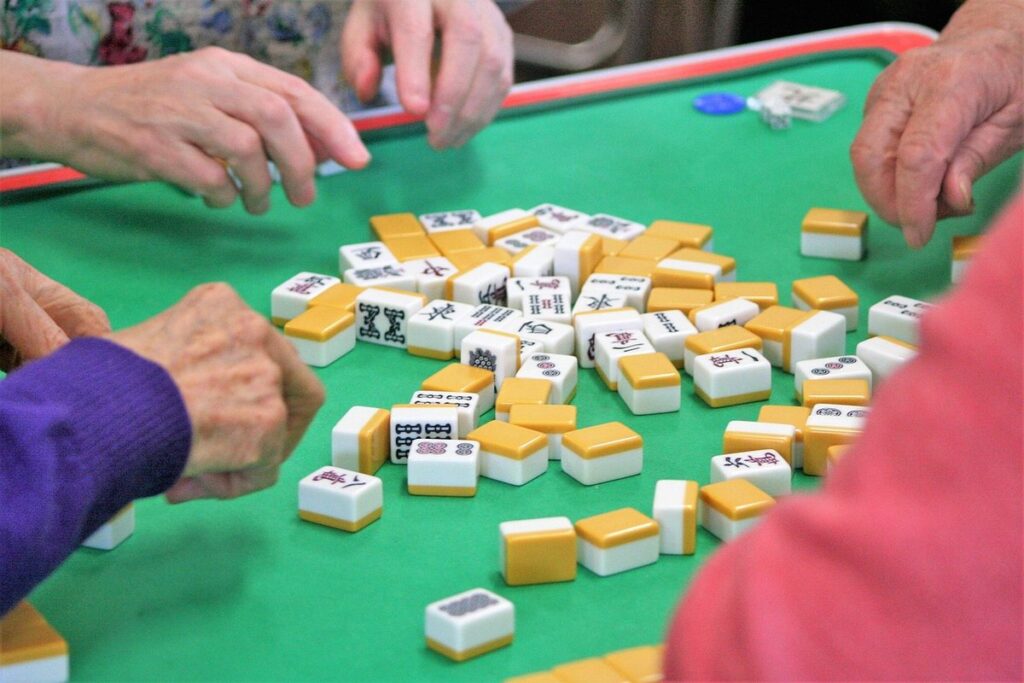
Benefits of Games for Seniors
Engaging with games can have a significant impact on seniors’ mental and physical well-being, providing numerous benefits that extend beyond entertainment. Let’s explore some of these advantages in more detail.
Reducing Isolation and Loneliness
Playing games with others is one of the most effective ways to combat social isolation and loneliness among seniors. These conditions can have severe negative effects on mental and physical health, increasing the risk of depression, anxiety, and even dementia. Seniors who experience chronic loneliness are more likely to develop cardiovascular disease, a weakened immune system, and impaired cognitive function.
Games provide an opportunity for social interaction, which is essential for building relationships, fostering connections, and promoting emotional well-being. By engaging in games with others, seniors can establish new friendships, strengthen existing ones, and feel a sense of belonging. For example, board games like Scrabble or Chess can encourage friendly competition, while group video games like Mario Kart can promote teamwork and laughter.
To incorporate games that reduce isolation and loneliness into your senior group’s activities, consider the following ideas:
- Organize regular game nights with a mix of board games, card games, and video games.
- Invite external speakers or guests to join in on game-related discussions or events.
- Create online gaming groups for seniors who may have mobility issues or live far away.
Improving Cognitive Function
Playing games can be an effective way to boost cognitive function in seniors. Research has shown that engaging in mentally stimulating activities, such as puzzles and brain teasers, can delay age-related cognitive decline. Games like Scrabble, chess, and bridge require strategy and problem-solving skills, which can improve memory and attention span.
Memory games, such as memory matching or concentration exercises, are also beneficial for seniors. These types of games help strengthen working memory by requiring players to recall and match patterns or sequences. For example, a game like “Memory Match” involves flipping over tiles to reveal pairs of matching images, promoting short-term memory recall.
In addition to improving memory and attention, processing speed can also be enhanced through games that challenge reaction time and decision-making skills. Games like card games, such as poker or blackjack, require players to think quickly and make rapid decisions, which can help improve processing speed.
Enhancing Social Connections
Group games are an excellent way to foster social connections and a sense of community among seniors. When participants engage in shared activities, they break down social barriers and develop meaningful relationships with their peers. This can be particularly beneficial for seniors who live alone or have limited social interactions outside of group settings.
Research has shown that participation in group games can lead to increased feelings of belonging and reduced loneliness among seniors. For instance, a study on intergenerational game programs found that 70% of participants reported improved relationships with their peers. To encourage social connections through group games, consider the following strategies:
* Create opportunities for informal conversations during breaks or after games
* Incorporate team-building activities that require collaboration and communication
* Encourage active participation from all members, regardless of skill level or physical ability
* Foster a sense of friendly competition to promote engagement and camaraderie
By incorporating these elements into group game sessions, you can help create a supportive and engaging community among senior participants.
Types of Games Suitable for Seniors
When it comes to choosing games for senior groups, you’ll want to consider activities that are engaging, yet gentle on joints and minds. We’ll explore the best types of games suitable for seniors here.
Board Games and Puzzles
Board games and puzzles are an excellent way to engage seniors in social activities that can help improve their mental and physical health. Scrabble is a popular choice, as it promotes word recognition, memory recall, and strategic thinking. For those who prefer strategy over language skills, chess is another great option. It requires critical thinking, problem-solving, and attention to detail.
Crosswords, Sudoku, and other puzzles are also excellent choices for seniors. They can help improve cognitive function, particularly in areas such as spatial reasoning and memory recall. To make games more accessible, consider using large-print versions of these activities or adapting the rules to suit players’ abilities.
When introducing new games to a senior group, it’s essential to start with simple instructions and gradually build complexity. This approach will help reduce frustration and encourage participation. Begin with short sessions and adjust the length as needed based on player engagement. By incorporating board games and puzzles into your senior group activities, you can create a fun and engaging environment that promotes social interaction, mental stimulation, and physical activity.
Card Games
Card games are an excellent way to engage seniors in social activities that can help improve their mental and physical health. Games like bridge, poker, and blackjack not only challenge the mind but also offer opportunities for social interaction, which is essential for seniors’ overall well-being.
Bridge, for instance, requires players to remember card combinations and strategies, thereby improving memory and concentration. Regular play can even delay cognitive decline by up to 2.5 years. In contrast, poker demands focus and strategic thinking, while blackjack encourages quick math calculations. These games are perfect for seniors who enjoy a challenge and want to keep their minds active.
To start playing card games with your senior group, begin with simple rules and gradually increase the difficulty level as players become more confident. You can also consider introducing new games like Canasta or Euchre, which offer similar benefits without being too complex. Encourage social interaction by making it a team effort or pairing seniors up to play together. By incorporating card games into your senior group’s activities, you’ll be providing them with a fun and engaging way to stay mentally and physically healthy.
Outdoor Games
Outdoor games are an excellent way to get seniors engaged in physical activity while having fun with their peers. Many classic outdoor games can be adapted for senior groups, making them perfect for community centers, retirement communities, and other group settings.
Bingo, for instance, is a popular game that can easily be played outdoors. You can set up large screens or boards with bingo cards and numbers, allowing seniors to play from the comfort of their own wheelchairs or chairs. Scavenger hunts are another great option, as they encourage physical activity while providing mental stimulation. Create lists of items for participants to find around the outdoor space, such as specific types of leaves or birds.
Lawn games like croquet, bocce ball, and horseshoes are also ideal for senior groups. These games promote social interaction and can be played at a leisurely pace, accommodating different physical abilities. To make these games more accessible, consider using adaptive equipment or modifying the rules to suit the group’s needs. By incorporating outdoor games into your senior program, you’ll not only improve their mental health through social engagement but also contribute to their physical well-being by encouraging movement and exercise.
Adaptations and Modifications for Seniors with Disabilities
When planning games for senior groups, it’s essential to consider adaptations and modifications that cater to seniors with disabilities, ensuring everyone can participate fully. This section offers practical ideas for inclusive game design.
Physical Accessibility
When adapting games for senior groups with physical disabilities, accessibility is key. A wheelchair-accessible playing surface can be as simple as choosing a venue with ramps and wide doorways. Consider renting equipment like adaptive sports wheelchairs or mobility aids that allow participants to engage with the game on an equal level.
For example, a popular board game like Scrabble can be adapted for players who use wheelchairs by setting up the playing surface at a comfortable height and using adjustable table legs. You can also replace traditional playing pieces with larger, easier-to-handle alternatives, such as oversized letters or tokens.
Another consideration is incorporating games that promote physical activity while accommodating mobility limitations. A low-impact exercise game like balance ball challenges can be modified by providing a sturdy chair or wall for support, allowing participants to engage their core muscles without putting excessive strain on their joints. The key is to prioritize inclusivity and flexibility in your adaptation approach, so everyone can participate and enjoy the benefits of social engagement and mental stimulation.
Sensory-Friendly Games
When creating games for senior groups with members who have sensory sensitivities or impairments, it’s essential to incorporate sensory-friendly elements. This can be achieved through audio descriptions and tactile feedback. For example, if a game involves visual challenges, consider providing audio cues to assist players who are visually impaired. You could also offer alternatives that cater to different senses, such as a tactile version of a game like “Pin the Tail on the Donkey” where players use their sense of touch to identify objects.
Other examples include adapting board games with large-print cards or using assistive technology like text-to-speech software. When introducing these modifications, encourage group members to communicate their needs and preferences openly. By doing so, you create an inclusive environment that values diversity and encourages participation from all members. As a result, seniors with sensory sensitivities can engage fully in the social activities, fostering mental and physical well-being for everyone involved.
Assistive Technology
For senior groups with physical or cognitive disabilities, assistive technology can be a game-changer. These devices help level the playing field and ensure that everyone has an equal chance to participate and enjoy social interaction through games.
Speech-generating devices (SGDs) are one example of assistive technology that can enhance gameplay. SGDs allow individuals who struggle with verbal communication to express themselves through text or speech. This opens up a world of possibilities for group games like charades, Pictionary, or even just casual conversations during game breaks. For instance, a senior with a physical disability may use an SGD to convey their answers in a quiz game.
Eye-tracking systems are another innovative assistive technology that can be used in gaming settings. These systems allow individuals who have difficulty using their hands or fingers to navigate digital interfaces by tracking the movement of their eyes. This means seniors with mobility impairments can play games like video puzzles, word searches, or even video games designed specifically for seniors.
To integrate these technologies into your senior group’s game sessions:
* Research and explore available options that cater to individual needs
* Consult with professionals or organizations specializing in assistive technology
* Consider hosting workshops or training sessions to familiarize participants with the devices and their functionality
* Be open-minded and patient when introducing new technology, allowing seniors to adjust at their own pace
Creating a Game Program for Senior Groups
When creating games for senior groups, developing a program that caters to their needs and interests is crucial for maximum enjoyment. Let’s dive into some practical tips for designing engaging activities.
Setting Goals and Objectives
When designing a game program for senior groups, it’s essential to set clear goals and objectives. This will help you create a tailored experience that meets the unique needs of your participants. Start by identifying the specific benefits you want to achieve through your game program. Do you want to improve social connections among seniors? Reduce feelings of isolation and loneliness? Enhance physical activity levels?
To clarify your goals, ask yourself: What are the most pressing challenges faced by seniors in our community? How can games address these issues? For instance, if you’re targeting seniors with dementia, your goal might be to create a stimulating environment that encourages social interaction and reduces agitation.
Next, set specific objectives for each game session. These could include increasing participation rates, fostering meaningful relationships among participants, or promoting physical activity through movement-based games. Be sure to measure progress along the way by tracking attendance, feedback forms, and observational notes. By setting clear goals and objectives, you’ll create a game program that truly meets the needs of senior groups, improving their mental and physical health through social engagement.
Recruiting Volunteers and Staff
When it comes to creating a successful game program for senior groups, recruiting volunteers and staff who are trained to support participants is crucial. These individuals play a vital role in ensuring the safety, engagement, and enjoyment of seniors during games.
Ideally, you’ll want to recruit volunteers with experience working with seniors or in a similar setting. This might include students from gerontology programs, senior center staff, or retirees themselves who have a passion for staying active. When interviewing potential volunteers, look for individuals who are patient, empathetic, and able to communicate clearly.
In addition to recruiting volunteers, it’s essential to provide them with training on how to facilitate games safely and effectively. This may include workshops on fall prevention, adaptive equipment usage, or strategies for supporting seniors with cognitive impairments. By investing time and resources into staff training, you can create a positive and inclusive environment that encourages senior participants to engage in physical activity while minimizing the risk of injury.
When selecting staff members, prioritize individuals who are experienced in program management, group facilitation, or teaching. This will help ensure a smooth and enjoyable experience for seniors, as well as provide an opportunity for social interaction and mental stimulation through team-building exercises.
Evaluating Program Effectiveness
When it comes to creating a game program for senior groups, understanding its effectiveness is crucial to ensure that it’s meeting its goals of improving mental and physical health through social engagement. To evaluate the success of your game program, consider using a combination of surveys, focus groups, and observational research.
Surveys can be an effective way to gather quantitative data on participant satisfaction and perceived benefits from the program. You can distribute paper or online surveys at the beginning and end of each session to track progress and identify areas for improvement. For example, you might ask participants to rate their levels of enjoyment, social interaction, and physical activity.
Focus groups provide a more in-depth understanding of participants’ experiences and can help identify any challenges or barriers to success. These discussions should be facilitated by an experienced moderator who encourages open and honest sharing among participants. By collecting feedback through focus groups, you can make targeted adjustments to your program to better meet the needs of your senior group.
Observational research involves observing participant behavior during game sessions, which can provide valuable insights into engagement levels and social interactions. This might include tracking participation rates, observing communication patterns, or analyzing physical activity levels. By incorporating these evaluation methods into your game program, you’ll be able to refine and improve the experience for future participants.
Best Practices for Implementing Games in Senior Settings
To get the most out of games for senior groups, implementing them effectively is crucial. Here are some best practices to ensure a successful and engaging experience for all participants.
Creating a Welcoming Environment
When it comes to implementing games in senior settings, creating a welcoming environment is crucial for encouraging social interaction and participation among seniors. This means setting up the space to promote ease of movement, visibility, and accessibility.
Consider the layout of the room: leave enough space between seating areas for easy navigation, and ensure that the playing area is well-lit with clear sightlines. Removing clutter or tripping hazards can also help create a safe and comfortable atmosphere.
Another key aspect is fostering a sense of community. Encourage seniors to mingle by grouping them in smaller teams or pairs, rather than having everyone play alone. This helps build relationships and creates opportunities for social interaction.
Some practical ways to encourage participation include providing clear instructions for each game, using large print materials, and offering adaptive equipment for those with mobility issues. By taking these simple steps, you can create an environment that’s inclusive and engaging for all seniors participating in games.
Managing Expectations and Frustrations
When implementing games in senior settings, it’s essential to manage expectations and frustrations among participants. This can be achieved by setting realistic goals from the outset. Begin by understanding the capabilities and limitations of your group, taking into account factors such as physical ability, cognitive function, and mobility.
Setting achievable objectives ensures that seniors feel a sense of accomplishment and satisfaction, which is crucial for maintaining motivation and engagement. For instance, if you’re planning to introduce a new game, start with simple rules and gradually build complexity as participants become more confident.
Providing emotional support is also vital in managing frustrations. Be available to offer guidance or reassurance when needed, acknowledging the feelings of seniors who may struggle or feel overwhelmed. By doing so, you create an environment where they feel comfortable taking risks and learning new skills without fear of failure or judgment.
Encouraging Participation from Diverse Groups
When it comes to implementing games for senior groups, ensuring that diverse participants feel included and engaged is crucial. This can be a challenge, especially when seniors have varying abilities and interests.
To encourage participation from all members of the group, consider creating an inclusive atmosphere where everyone feels welcome. For instance, you can start by introducing new activities slowly, allowing participants to gradually become comfortable with the pace and style of play. Additionally, provide options for modifications or accommodations that cater to individual needs, such as seated exercises for seniors who have mobility issues.
Incorporating a range of game types can also help reach different interests and abilities. For example, you might include word games for those with cognitive limitations but still enjoy intellectual pursuits, while simultaneously offering physical activities like tai chi or gentle stretching. This way, everyone has the opportunity to engage in something they find enjoyable and rewarding.
Another effective strategy is to encourage peer-to-peer interaction and mentoring. Pair seniors with similar interests or abilities, allowing them to support each other throughout the game. This can help build camaraderie and foster a sense of belonging within the group.
Frequently Asked Questions
What are the best ways to adapt games for seniors with disabilities?
Games can be adapted or modified to make them accessible for seniors with physical or cognitive impairments. This might involve using assistive technology, such as text-to-speech software, or modifying the game’s rules to accommodate different abilities. For example, using large print cards or providing a visual timer for players who are hard of hearing.
How can I measure the effectiveness of our senior group’s game program?
Measuring the success of your game program is crucial. Consider tracking metrics such as participant engagement, social connections formed, and cognitive function improvements. You might also conduct surveys or focus groups to gather feedback from participants and identify areas for improvement. Regular evaluation will help you refine your program and make data-driven decisions.
What types of games are suitable for seniors with sensory sensitivities?
When selecting games for seniors with sensory sensitivities, consider games that cater to different learning styles and needs. For example, tactile games like puzzles or board games with raised lettering can be beneficial. Alternatively, opt for digital games that offer customizable sound levels or visual settings.
Can I use existing game programs as a starting point, rather than creating my own?
Yes, using existing game programs is a great way to get started. Many organizations have developed comprehensive game programs tailored specifically for seniors. These programs often include adaptations and modifications for seniors with disabilities. You can modify these programs or incorporate elements that suit your group’s needs.
How do I balance participant expectations with the need for flexibility in games?
When introducing new games, it’s essential to manage participant expectations while allowing for flexibility and adaptability. Set clear goals and objectives at the beginning of each session, communicate any changes, and offer choices whenever possible. This will ensure that all participants feel included and valued.