
Games have long been a beloved pastime for people of all ages, but their benefits are especially pronounced for seniors living with dementia. As this condition progresses, it can bring about cognitive decline, social isolation, and a decrease in overall quality of life. However, incorporating games into a senior’s daily routine can help mitigate these effects. By engaging in accessible games designed specifically for individuals with dementia, caregivers can encourage mental stimulation, social interaction, and even emotional expression. In this article, we’ll explore the ways in which games can improve cognitive function, reduce loneliness, and enhance the lives of seniors living with dementia. We’ll also delve into setup tips and caregiver involvement strategies to get you started on this journey of play-based caregiving.
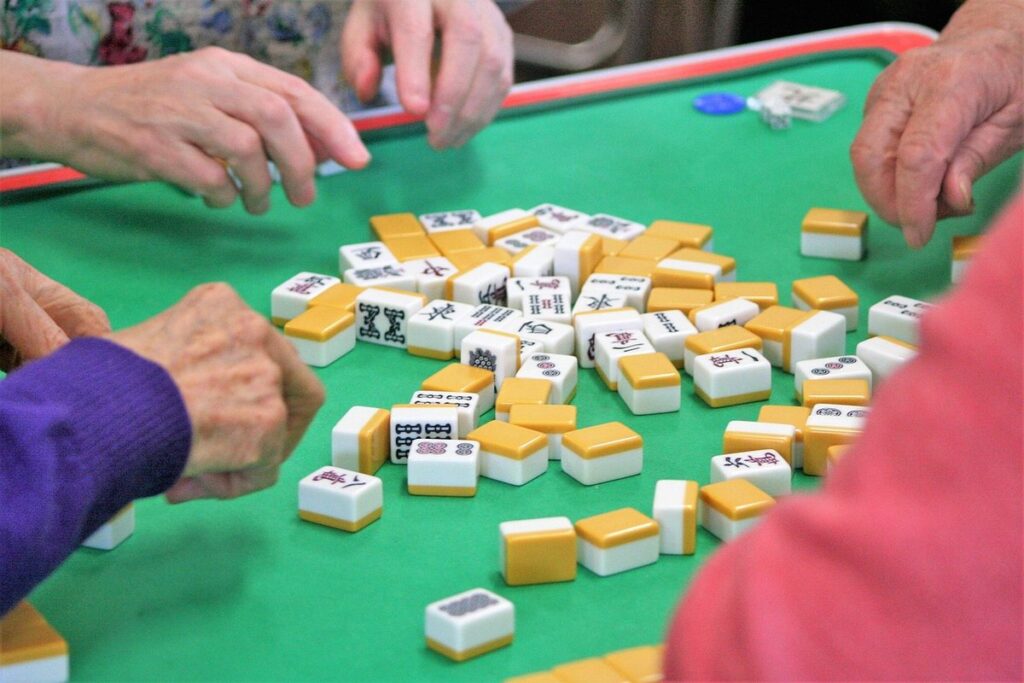
Benefits of Gaming for Seniors with Dementia
Playing games can bring joy, relaxation, and cognitive stimulation to seniors living with dementia, helping to improve their quality of life in many ways. This section explores these benefits in more detail.
Improved Cognitive Function
Playing games can have a profound impact on slowing down cognitive decline in seniors with dementia. Research has shown that engaging in mentally stimulating activities like puzzles, brain teasers, and memory games can actually delay the onset of dementia symptoms by up to 5 years.
One way games help is by improving memory function. For instance, playing memory matching games or learning new card games can strengthen short-term memory and even aid in recalling long-forgotten events from a person’s past. This not only boosts confidence but also helps build a sense of purpose and identity.
Games that require problem-solving skills, such as Sudoku or chess, have been shown to enhance executive function – the ability to plan, organize, and complete tasks. These types of games challenge seniors to think critically and make connections between seemingly unrelated pieces of information, fostering independence and self-sufficiency.
To incorporate games into a senior’s daily routine, try setting aside dedicated time for play each day. Start with simple activities like word searches or crosswords and gradually increase difficulty levels as skills improve.
Social Interaction and Loneliness Prevention
Social interaction is crucial for seniors with dementia, as it can help alleviate feelings of loneliness and isolation. Gaming offers a unique opportunity for socialization, allowing individuals to connect with others who share similar interests. Virtual reality (VR) gaming, in particular, has shown promise in reducing social isolation among seniors.
Research has demonstrated that VR gaming can increase social interaction by up to 30% compared to traditional gaming methods. This is because VR gaming allows users to engage in shared experiences and interact with others in real-time, fostering a sense of connection and community.
To incorporate social interaction into your gaming routine, consider joining online gaming communities or forums focused on dementia-friendly games. These platforms often provide resources and support for players, as well as opportunities to connect with others who share similar experiences. By engaging in social gaming activities, seniors can reduce feelings of loneliness and isolation, improving overall quality of life.
Types of Games Suitable for Seniors with Dementia
Games that are both fun and mentally stimulating can be especially helpful for seniors living with dementia, as they promote engagement and cognitive function. In this section, we’ll explore some options to consider.
Board Games and Puzzles
When it comes to board games and puzzles, seniors with dementia can benefit from engaging activities that challenge their minds without causing frustration. Popular options include Scrabble, Boggle, and crosswords, which are easy to learn and provide a sense of accomplishment when completed. These word-based games also encourage social interaction, as players can work together or compete against each other.
For those who enjoy visual challenges, jigsaw puzzles and memory matching games like Memory Match are excellent choices. These activities improve spatial reasoning, problem-solving skills, and working memory. To make these games more accessible, consider using larger puzzle pieces or providing multiple copies of the same image to help seniors remember where individual pieces fit.
In addition to these options, board games like Bingo, Checkers, and Chess can be adapted for seniors with dementia by simplifying rules or using assistive devices. These activities promote cognitive stimulation while minimizing competition and stress. Ultimately, the key is to choose games that are enjoyable and engaging, allowing seniors to exercise their minds in a relaxed and social environment.
Video Games and Apps
For seniors with dementia, engaging in video games and apps can be an enjoyable way to stimulate their minds and maintain cognitive function. Fortunately, there are many accessible options available that cater specifically to this demographic.
One such example is the “BrainHQ” app, which offers a range of exercises designed to improve attention, memory, and processing speed. Its user-friendly interface allows users to easily navigate and adjust difficulty levels as needed. Similarly, games like “Lumosity” and “Peak” offer adaptive experiences that adjust to individual abilities.
Another great option is the Nintendo Switch console’s “Brain Age” series, which includes games that challenge mental agility through puzzles and memory exercises. These games are designed to be engaging and entertaining while still providing a cognitive workout. To get started, begin by selecting apps or games with simple interfaces and gradually increase difficulty levels as your loved one becomes more confident.
When choosing video games or apps for seniors with dementia, look for features such as clear instructions, large font sizes, and intuitive controls. Encourage them to start slowly and have fun!
Tips for Choosing the Right Games
Choosing games for a loved one with dementia can be overwhelming, but by following these simple tips you’ll be well on your way to finding the perfect fit.
When selecting games, consider the individual’s interests and abilities, as this will help ensure they remain engaged and motivated.
Assessing Cognitive Abilities
When it comes to choosing games for seniors with dementia, understanding their unique cognitive strengths and weaknesses is crucial. This assessment will help you select activities that cater to their individual needs, increasing engagement and enjoyment.
To start assessing your loved one’s cognitive abilities, consider the following steps:
* Observe their behavior during daily tasks: Note how they navigate familiar environments, such as their home or a favorite park.
* Evaluate their memory recall: Ask them about recent events, people, or experiences. This will give you an idea of their short-term and long-term memory retention.
* Assess their attention span: Engage them in activities that require focus, like puzzles, reading, or watching a movie together.
You can also use standardized assessment tools, such as the Mini-Mental State Examination (MMSE), to gain a more comprehensive understanding. However, these tests should be administered by a healthcare professional.
By recognizing your loved one’s cognitive abilities and limitations, you’ll be able to introduce games that stimulate their mind while avoiding frustration or anxiety. For example, if they have difficulty remembering recent events, try using visual aids like photographs or calendars to spark conversations.
Game Difficulty Levels
When introducing games to seniors with dementia, it’s essential to consider their varying abilities and adjust game difficulty levels accordingly. This approach not only fosters engagement but also prevents frustration that can arise from playing at an overly challenging level.
For example, a gentle puzzle or memory game might be perfect for a senior in the early stages of dementia, whereas one further along may require more stimulating activities like strategy-based games or brain teasers. You can often adjust difficulty levels within the same game by limiting options, simplifying rules, or using visual aids to support understanding.
One simple yet effective way to tailor gameplay is by offering multiple modes or settings that allow players to choose their level of engagement. This might include a ‘relaxed’ mode with simplified objectives or a ‘challenging’ mode with more complex tasks. By providing options for varying difficulty levels, you can help ensure every player has an enjoyable experience and remains motivated to continue playing.
Setting Up a Gaming Environment
To get started, you’ll need to set up a gaming environment that’s comfortable and accessible for your loved one. This includes choosing the right space and equipment.
Creating a Comfortable Space
When setting up a gaming environment for seniors with dementia, creating a comfortable space is crucial. This not only encourages them to participate but also helps alleviate stress and anxiety that may come from unfamiliar surroundings.
Start by considering the physical needs of the senior. Ensure there’s ample seating and adjustable chairs or tables to accommodate varying mobility levels. A comfortable temperature and adequate lighting are also essential for reducing eye strain and promoting relaxation.
To promote safety, clear any tripping hazards and secure any loose objects that could be easily knocked over. Position gaming stations in a calm area with minimal distractions, allowing the senior to focus on the game without interruptions. Consider adding visual reminders or cues to help them navigate through tasks or levels.
Lastly, involve the senior in the design process whenever possible. Encourage them to express their preferences and incorporate their favorite games or themes into the space. This personal touch can significantly enhance their gaming experience and create a sense of ownership and enjoyment.
Gathering Necessary Equipment
When setting up a gaming environment for seniors with dementia, it’s essential to gather the right equipment to ensure a safe and enjoyable experience. Start by selecting devices that are user-friendly and adaptable to their needs.
Consider investing in a tablet or handheld console, such as an Xbox One S or Nintendo Switch, which can be controlled using a variety of interfaces, including touch screens, joysticks, and motion sensors. These devices often come with pre-loaded dementia-friendly games and apps specifically designed for seniors.
Next, choose controllers that cater to different abilities and needs. For example, some gaming systems offer adaptive controllers with larger buttons, ergonomic design, or voice commands. Familiarize yourself with the available controller options and consult with caregivers or healthcare professionals if needed.
Software also plays a crucial role in creating an engaging gaming environment for seniors with dementia. Select games that stimulate cognitive function, promote social interaction, and foster emotional well-being. Some popular options include puzzle games, memory matching exercises, and calming experiences like nature simulations or pet care simulations.
Involving Caregivers in the Gaming Process
When it comes to playing games with seniors who have dementia, involving their caregivers can make a huge difference. We’ll explore how caregivers can be part of the gaming process.
Roles and Responsibilities
As caregivers play a vital role in supporting seniors with dementia during gaming sessions. They can facilitate interaction and provide assistance to ensure a positive experience for all involved.
Caregivers can start by creating a warm and welcoming environment that encourages socialization among players. This might involve setting up seating arrangements or adjusting the lighting to create an inviting atmosphere. By doing so, caregivers help alleviate feelings of anxiety and stress associated with the gaming process, allowing seniors to relax and engage more fully with the activity.
During gaming sessions, caregivers can also offer guidance on game rules, provide assistance with reading instructions, or even help facilitate communication among players. For example, if a senior is struggling to complete a puzzle due to memory loss, a caregiver could gently prompt them by providing additional hints or suggestions. By stepping in at the right moment, caregivers can prevent frustration and promote enjoyment.
Caregivers should also be aware of their own limitations and boundaries when assisting seniors during gaming sessions. They may need to adjust their expectations and intervene only as necessary, ensuring that they don’t inadvertently create unnecessary stress or dependency on themselves.
Encouraging Collaboration and Support
When caregivers are involved in the gaming process with seniors with dementia, it can have a profound impact on their overall well-being. Not only does it promote social bonding and reduce stress, but it also enhances the quality of life for both parties. By playing games together, caregivers can help alleviate feelings of loneliness and isolation that often accompany dementia.
To encourage collaboration and support, start by choosing games that are engaging and accessible for seniors with dementia. Consider their interests and abilities when selecting games, and make sure to involve them in the decision-making process. This will not only boost their confidence but also create a sense of ownership and motivation.
One effective way to promote social bonding is through non-competitive games like puzzles, card games, or memory games. These activities encourage interaction, communication, and teamwork between caregivers and seniors with dementia. For example, you can try playing “Memory Match” where both parties work together to find matching pairs of cards, promoting cognitive function while fostering a sense of camaraderie.
By incorporating caregiver involvement in the gaming process, we can create a supportive environment that not only enhances cognitive function but also promotes emotional well-being and quality of life for seniors with dementia.
Overcoming Challenges and Maintaining Motivation
As you work with your loved one, you may encounter days when motivation wanes and challenges seem insurmountable, but don’t lose sight of the progress made so far.
Addressing Frustration and Burnout
As caregivers, we all know that gaming with seniors can be an incredibly rewarding experience. However, it’s not uncommon to feel frustrated or burnt out when dealing with challenging behaviors or cognitive limitations. To avoid burnout and maintain a positive gaming experience for both you and the senior, it’s essential to address potential frustration early on.
Identify your triggers: Take note of what specifically causes you stress during gaming sessions. Is it the senior’s difficulty in completing tasks, or perhaps their impulsive behavior? Once you’ve identified your triggers, you can start working on strategies to mitigate them. For instance, breaking down complex games into smaller, manageable tasks or incorporating activities that promote impulse control.
Additionally, prioritize self-care and take regular breaks. This could be as simple as stepping out for some fresh air, grabbing a cup of coffee, or engaging in an activity unrelated to caregiving. By acknowledging and addressing frustration, you’ll be better equipped to handle challenging situations and maintain your energy levels throughout the gaming session.
Maintaining Engagement and Interest
Maintaining engagement and interest is crucial to ensure that games for seniors with dementia remain enjoyable and effective. Introducing new challenges can help keep players engaged by providing a sense of accomplishment and encouraging them to push their limits. This can be achieved through gradual increases in difficulty levels or by introducing new game formats, such as puzzles or brain teasers.
Another way to maintain interest is to incorporate activities that cater to different interests and skills. For instance, some seniors may enjoy music-based games, while others may prefer games that involve storytelling or reminiscence. By offering a variety of options, caregivers can create a more inclusive and engaging experience for all participants.
To keep things fresh, try rotating games regularly or introducing new themes and topics. This not only prevents boredom but also provides an opportunity to target different cognitive functions and abilities. For example, games that focus on spatial awareness can be followed by activities that promote memory recall or language skills.
Frequently Asked Questions
How can I ensure the games are engaging for seniors with dementia?
Start by observing their interests and preferences, and choose games that cater to those areas. For instance, if they love music or nature, opt for games that feature soothing sounds or scenic visuals.
Can people with advanced dementia still benefit from gaming?
Yes, even in advanced stages of dementia, games can be adapted to meet the individual’s abilities. Caregivers should focus on simple, low-stakes activities like matching colors or shapes, and gradually increase complexity as needed.
How do I measure progress and adjust game difficulty levels accordingly?
Track changes in behavior, mood, and cognitive function over time. Adjust game difficulty levels based on observed improvements or plateaus, ensuring the games remain enjoyable yet challenging for the senior.
What if the senior becomes frustrated or resistant to trying new games?
Identify potential triggers for frustration (e.g., high stakes or competition) and modify the game environment accordingly. Offer choices and involve them in decision-making to boost autonomy and engagement.
Can I use digital games on a tablet or smartphone, or do they require dedicated gaming devices?
Both options are viable! Many games designed for seniors with dementia can be accessed through mobile devices, making it easier to incorporate gaming into daily routines. However, consider investing in a dedicated device if the senior prefers a more immersive experience.