
As we age, it’s essential to prioritize our physical and mental well-being. Regular exercise is one of the most effective ways to maintain independence, boost mood, and reduce health risks. But many seniors worry that hitting the gym won’t be safe or enjoyable for them. The good news is that gyms are designed to cater to people of all ages and fitness levels.
In this article, we’ll explore how regular exercise can improve physical and mental health in seniors. We’ll also cover gym safety tips, highlight senior-friendly facilities, and provide expert advice on maintaining a consistent workout routine. Whether you’re just starting out or looking for ways to stay motivated, our goal is to empower you with the knowledge and confidence to take control of your fitness journey.
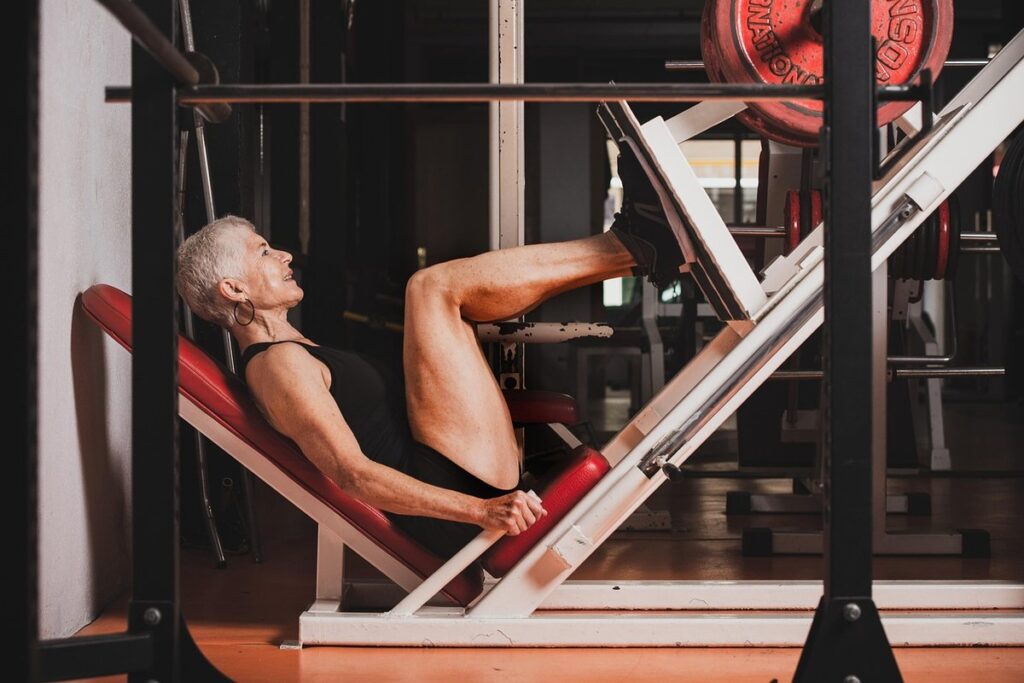
Understanding the Importance of Exercise for Seniors
Regular exercise is crucial for seniors, as it can help manage chronic conditions, improve mobility, and even boost mood and overall well-being. Let’s explore why physical activity matters in this critical stage of life.
Physical Health Benefits of Regular Exercise
Regular exercise is essential for seniors to maintain optimal physical health. One of the most significant benefits of regular physical activity is its impact on cardiovascular health. Exercise helps to strengthen the heart and lungs, reducing the risk of heart disease, high blood pressure, and stroke. In fact, studies have shown that older adults who engage in regular physical activity are 30-40% less likely to develop coronary artery disease.
Exercise also plays a crucial role in maintaining bone density in seniors. Weight-bearing activities such as walking, running, or weightlifting stimulate the growth of new bone tissue, reducing the risk of osteoporosis and fractures. This is especially important for seniors who may be at increased risk of falls and related injuries.
In addition to cardiovascular health and bone density, regular exercise helps to maintain mobility in seniors. Exercise can improve flexibility, balance, and coordination, reducing the risk of falls and injuries. For example, a study published in the Journal of Gerontology found that older adults who participated in a 12-week exercise program showed significant improvements in balance and mobility.
It’s essential for seniors to find an exercise routine that they enjoy and can stick to in the long term. This may involve trying different types of physical activity, such as swimming or tai chi, or incorporating low-impact exercises into daily activities like walking or gardening. By making exercise a regular part of their lifestyle, seniors can significantly improve their physical health and overall well-being.
Mental Health Benefits of Exercise for Seniors
Regular exercise is not only essential for physical health but also has a profound impact on mental well-being. As we age, it’s common to experience increased stress, anxiety, and depression due to various life changes, loss of loved ones, or chronic health conditions. However, research suggests that exercise can be a powerful tool in reducing these negative emotions.
Studies have shown that older adults who engage in regular physical activity tend to have lower levels of cortisol, the primary hormone associated with stress. Exercise also releases endorphins, also known as “feel-good” hormones, which can improve mood and reduce symptoms of anxiety and depression. In fact, a study published by the Journal of Aging Research found that older adults who exercised regularly reported a significant decrease in depressive symptoms.
To incorporate exercise into your mental health routine, start with small, manageable goals, such as taking a 10-minute walk each day or practicing gentle stretches at home. As you become more comfortable, gradually increase the intensity and duration of your workouts. Consult with your healthcare provider before beginning any new exercise program to ensure it’s safe for your age and abilities. By making exercise a regular part of your routine, you’ll be better equipped to manage stress, anxiety, and depression.
Barriers to Exercise for Seniors and How to Overcome Them
As you consider joining a gym as a senior, it’s essential to acknowledge the common barriers that may hinder your exercise routine. These challenges can be physical, emotional, or logistical, but don’t let them hold you back. Many seniors face concerns about safety, accessibility, and feeling out of place among younger gym-goers.
To overcome these obstacles, start by choosing a gym with age-friendly facilities and equipment. Look for gyms with adjustable weights, gentle on the joints, and exercise machines designed for seniors. You may also want to consider gyms that offer group classes specifically tailored to older adults, providing social interaction and guidance from experienced instructors.
Additionally, don’t be afraid to consult with a doctor or healthcare professional before beginning any new exercise program. They can help you assess your fitness level and provide recommendations for safe exercises based on your health status. And remember, every small step counts – start slow and gradually increase the intensity and frequency of your workouts as you become more comfortable.
Choosing the Right Gym for Seniors
When selecting a gym, seniors need to consider factors such as equipment availability and accessibility, group class offerings, and overall atmosphere. A well-suited gym can make all the difference in a senior’s fitness journey.
Factors to Consider When Selecting a Gym
When selecting a gym, it’s essential to consider factors that cater specifically to seniors’ needs. Location is a crucial aspect to ponder. Opt for a gym situated close to home or public transportation hubs to make it easier to commute and minimize the risk of accidents while traveling.
Accessibility should also be at the forefront of your mind. Look for gyms with wheelchair ramps, elevators, or adaptive equipment that allows seniors with mobility issues to participate safely. Some gyms even offer specialized programs for seniors, which can be a significant draw.
Another vital consideration is the suitability of equipment for seniors. Avoid gyms with heavy machinery or equipment that requires technical expertise, such as advanced cardio machines or weightlifting apparatus. Instead, prioritize those with low-impact options like stationary bikes, ellipticals, and resistance bands that are easy to use and gentle on joints.
It’s also worth inquiring about group fitness classes specifically designed for seniors, which can be a great way to socialize while staying active. When evaluating gyms, ask about their policies regarding senior discounts, membership plans, and any available services like personal training or physical therapy sessions.
Types of Gyms Suitable for Seniors
When exploring gym options for seniors, it’s essential to consider types that cater specifically to their needs. One such option is senior-only gyms, designed exclusively with older adults in mind. These facilities typically offer a gentle and welcoming environment, often featuring low-impact equipment, comfortable seating areas, and adaptive exercise classes tailored to varying fitness levels.
Another viable choice is fitness centers with adapted classes, which incorporate modifications for seniors into group sessions. For instance, some gyms may provide chair yoga or water-based workouts that are easier on the joints. These options allow seniors to participate in group settings while still accommodating their unique requirements.
Some gyms also offer specialized programs, such as SilverSneakers or Prime Fitness, specifically designed for seniors. These programs often include instructor-led classes, personal training sessions, and even social events to foster a sense of community among members.
When selecting the right gym, consider factors like convenience, accessibility, and the availability of adaptive equipment. By choosing a facility that caters to your needs, you can enjoy the benefits of regular exercise while minimizing potential risks associated with high-impact activities.
What to Expect from a Senior-Friendly Gym
When visiting a senior-friendly gym, you can expect to find amenities and services tailored to meet the unique needs of older adults. These gyms typically offer adjustable equipment with sturdy handrails and large buttons for easy operation, reducing the risk of accidents or injuries.
Many senior-friendly gyms also provide adaptive exercise programs specifically designed for seniors, taking into account any mobility limitations or health concerns they may have. These programs often include gentle stretching exercises, chair yoga, and low-impact aerobics to promote flexibility, balance, and cardiovascular health.
Additionally, you can expect to find trained staff on hand who are experienced in working with seniors and can provide guidance and support as needed. Some gyms even offer specialized services such as personal training, physical therapy, or nutritional counseling to help seniors achieve their fitness goals.
Many senior-friendly gyms also have social areas where members can connect with others, reducing feelings of isolation and loneliness. These amenities may include libraries, community rooms, or outdoor spaces for relaxation and recreation.
Safety Precautions at the Gym for Seniors
As you get started on your fitness journey, it’s essential to consider some basic safety precautions to avoid injuries and ensure a comfortable experience at the gym. Let’s discuss what you need to know.
Preventing Falls and Injuries in the Gym
When exercising at the gym, seniors may be more prone to falls and injuries due to decreased flexibility, strength, or balance. However, with some basic precautions and knowledge of proper techniques, you can minimize this risk. Start by doing a thorough warm-up routine before engaging in any physical activity. This should include light cardio such as walking on a treadmill or cycling for 5-10 minutes, followed by dynamic stretching to loosen your muscles.
When using equipment at the gym, always familiarize yourself with its proper usage and follow instructions carefully. For instance, if you’re new to weightlifting, start with lighter weights and progress gradually, rather than trying to lift heavy weights immediately. Furthermore, be mindful of your surroundings and watch your step, especially when navigating around the gym or lifting equipment.
Another essential aspect is choosing exercises that suit your fitness level. Opt for low-impact activities like yoga, Pilates, or swimming, which are often easier on the joints compared to high-impact sports such as running or jumping.
Understanding Age-Related Health Conditions and How to Manage Them at the Gym
As we age, our bodies undergo natural changes that can increase the risk of certain health conditions. It’s essential to be aware of these conditions and take steps to manage them at the gym to ensure a safe and enjoyable workout experience.
One common condition is hypertension, or high blood pressure. If you have hypertension, it’s crucial to monitor your blood pressure regularly, especially before starting any new exercise program. You can do this by checking with your doctor for a target blood pressure range and using a home blood pressure monitor. At the gym, choose low-impact exercises like walking, cycling, or swimming that won’t put excessive strain on your heart.
Another condition to consider is osteoporosis, which increases the risk of fractures. If you have osteoporosis, avoid high-impact exercises like jumping or heavy lifting, and opt for low-impact activities instead. You can also modify exercises to reduce stress on your bones, such as using lighter weights or doing bodyweight exercises.
It’s also essential to listen to your body and rest when needed. Start slowly and gradually increase the intensity of your workouts to avoid overexertion. Additionally, consider working with a personal trainer who can help you create a customized exercise plan that takes into account any health concerns you may have.
Best Practices for Working Out at a Gym as a Senior
When working out at a gym, as a senior it’s essential to understand how to use equipment safely and effectively, avoiding common pitfalls that can lead to injury. Here are some practical tips to help you get started.
Creating a Personalized Workout Plan
Developing a personalized workout plan is essential for seniors to achieve their fitness goals and maintain overall well-being. To create a tailored exercise routine, start by assessing your current fitness level and health status. Consider consulting with a healthcare professional or gym instructor who can help you identify areas of improvement.
Begin by setting realistic and achievable goals, such as improving cardiovascular endurance, increasing strength, or enhancing flexibility. Based on your objectives, choose exercises that cater to your needs. For instance, if you’re looking to boost mobility, focus on activities like yoga or swimming, which are low-impact and gentle on joints.
Remember to incorporate a mix of aerobic exercise, resistance training, and flexibility stretches into your routine. Aim for 2-3 times of moderate-intensity exercise per week, with at least one day of rest in between. As you progress, gradually increase the intensity or duration of workouts. By creating a personalized plan, you’ll be able to track your progress, stay motivated, and enjoy the benefits of regular exercise as a senior. Consult with gym staff to help design a customized routine that suits your needs and preferences.
Effective Communication with Fitness Staff and Peers
As you navigate the gym as a senior, effective communication with staff and fellow patrons is crucial to ensure a safe and enjoyable workout experience. Start by introducing yourself to the staff at the front desk, letting them know you’re new to their facility and asking about available resources for seniors, such as group fitness classes or personal training sessions tailored to your needs.
Don’t be afraid to ask questions or request assistance from staff members while using equipment or during a workout. Many gyms offer free orientation sessions or workshops specifically designed for senior members, which can help you get familiar with the facilities and equipment. When interacting with peers, consider striking up conversations about your fitness goals or sharing tips on how to use certain machines – this can be a great way to build camaraderie and find support.
If you notice someone struggling or in need of assistance, don’t hesitate to reach out. Many gyms have peer mentoring programs that match senior members with trained volunteers who can provide guidance and motivation during workouts. By fostering open communication channels within the gym community, you can create a more supportive environment where everyone feels comfortable exercising at their own pace.
Overcoming Social Barriers: Exercising with Friends and Family
Exercise with friends and family can be intimidating at first, but it’s a great way to build motivation and accountability in your fitness journey as a senior. We’ll explore how to overcome these social barriers together.
The Benefits of Group Exercise for Seniors
Exercising with friends or family members can be a game-changer for seniors. Not only does it provide social interaction and a sense of belonging, but it also boosts motivation and accountability. When you exercise with someone you know, you’re more likely to show up regularly and stay on track with your fitness goals.
Imagine having a workout buddy who cheers you on and keeps you motivated. You can support each other in achieving your fitness objectives, whether it’s walking a certain distance or completing a set of exercises without rest. This camaraderie also translates into improved overall enjoyment – exercising becomes more enjoyable when done with others.
To make the most of group exercise as a senior, try to find activities that you and your family members or friends enjoy doing together. This could be anything from swimming laps at a local pool to taking a dance fitness class. The key is to find something that keeps you engaged and motivated, while also providing opportunities for social interaction and support. By exercising with others, you can make a significant difference in your physical and mental well-being.
Tips for Encouraging Loved Ones to Join You at the Gym
When it comes to exercising with loved ones, seniors often find themselves in the position of encouraging others to join them at the gym. This can be a delicate matter, as some family members may feel intimidated by the prospect of working out or worry about being judged.
To overcome these social barriers, start by leading by example and demonstrating the benefits of regular exercise. Share your own experiences and results with your loved ones, highlighting how you’ve improved your health and energy levels. Be open and willing to answer any questions they may have, providing reassurance that exercising at a gym is accessible and enjoyable for people of all ages.
Another strategy is to make working out a social activity by inviting family members or friends to join you at the gym. Many gyms offer group fitness classes tailored to seniors, which can provide a fun and motivating atmosphere for newcomers. By making exercise a shared experience, you can create a sense of camaraderie and accountability with your loved ones.
Conclusion: Making Exercise a Sustainable Habit as a Senior
Now that you’ve learned how to get started and stay safe at the gym, let’s discuss the key to making exercise a lasting habit in your senior years.
Maintaining Motivation and Consistency
As you progress on your fitness journey at the gym, it’s natural to encounter periods where motivation wanes and consistency falters. To maintain momentum and ensure long-term success, it’s essential to have strategies in place for tracking progress and celebrating milestones.
One effective way to stay motivated is by setting realistic goals and breaking them down into smaller, achievable tasks. This approach helps build confidence as you accumulate successes along the way. For instance, if your goal is to walk 10 minutes without stopping, start by aiming for shorter intervals and gradually increase duration over time.
Regular tracking of progress can also be a powerful motivator. Utilize fitness apps or spreadsheets to monitor improvements in measurements like weight, body fat percentage, or blood pressure. Visualizing results helps reinforce the importance of continued effort and commitment. Furthermore, consider celebrating milestones with non-scale victories (NSVs), such as increased energy levels or improved mobility.
Another approach to maintaining consistency is by scheduling gym sessions around daily routines. Make exercise a habit by incorporating it into your morning or afternoon routine, just like brushing teeth or taking medication. This way, you’ll be more likely to stick to your regimen even on days when motivation flags.
Moreover, find a workout buddy or join a senior-focused fitness group to share the experience with others who understand the challenges and benefits of exercising at an older age. Accountability and camaraderie can make exercise feel less isolating and more enjoyable. By combining these strategies, you’ll be well-equipped to overcome plateaus and maintain motivation over time, ensuring that your gym routine remains a sustainable habit as you age.
Frequently Asked Questions
Can I start exercising at the gym without any prior experience?
Don’t worry if you’re new to exercise or haven’t been to a gym before! Most gyms offer free orientation sessions, fitness assessments, and personalized coaching to help you get started. Inform your gym about your age-related health conditions and mobility limitations so they can provide tailored guidance and support.
What should I do if I’m feeling anxious or intimidated by the gym environment?
If you’re feeling nervous or unsure about exercising at a gym, consider starting with small steps like taking a group fitness class or working one-on-one with a personal trainer. Many gyms also offer gentle exercise programs designed specifically for seniors, focusing on low-impact movements and stress-reducing activities.
How can I stay motivated to maintain a consistent workout routine?
Create a routine that’s enjoyable and realistic for your lifestyle. Schedule workouts at times when you’re most energetic, and consider exercising with friends or family members for added motivation. Celebrate small victories and track progress to help you stay committed to your fitness goals.
Can I use assistive devices like walkers or canes in the gym?
Absolutely! Many gyms have adapted their facilities to accommodate seniors with mobility aids. Inform staff about any equipment needs, and they’ll ensure that you’re comfortable and supported throughout your workout. Some gyms even offer specialized equipment designed specifically for seniors.
What if I experience a health issue or injury while exercising at the gym?
In case of an emergency, know the location of the first aid kit and identify the nearest exit. Inform gym staff about any medical conditions or concerns before starting your workout. They’ll be equipped to respond promptly and provide guidance on modifying exercises or seeking medical attention if needed.