
As we age, our bodies undergo many changes that can affect our quality of life. One common issue affecting seniors is hearing loss, which can be frustrating and isolating. But did you know that there’s a solution available to help restore your ability to connect with loved ones, engage in hobbies, and live independently? Hearing aids have come a long way in recent years, offering improved sound quality, smaller designs, and more affordable options. In this article, we’ll explore the types of hearing aids available, their numerous benefits, and financial assistance options to help you overcome hearing loss. We’ll also delve into how these devices can improve your overall quality of life and provide tips for finding the right fit for your needs and budget.
The Prevalence of Hearing Loss among Seniors
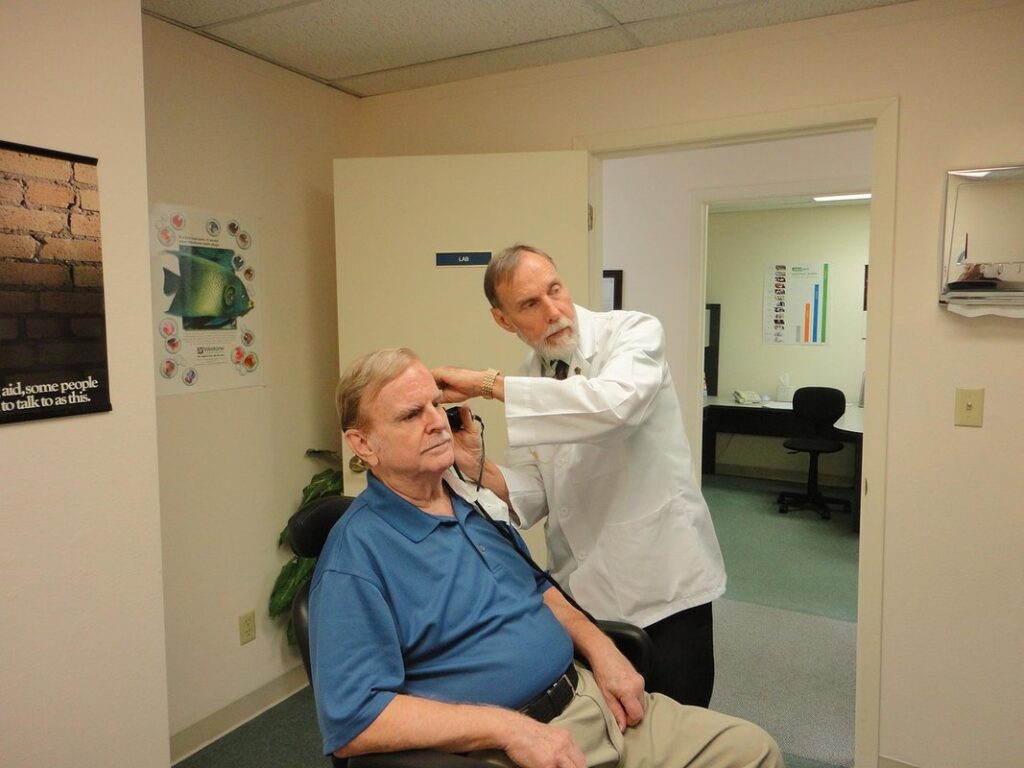
As we explore the world of hearing aids for seniors, it’s essential to understand just how prevalent hearing loss is in older adults. More than 1 in 3 people over 60 experience some degree of hearing loss.
Demographics and Statistics
According to the World Health Organization (WHO), approximately 33% of people aged 65-69 and over 50% of those aged 70 and above experience significant hearing loss. In the United States, the Centers for Disease Control and Prevention (CDC) report that nearly one-third of adults aged 60 and older have some degree of hearing impairment.
Hearing loss affects not only older adults but also has a disproportionate impact on certain demographics. For instance, men are more likely to experience hearing loss than women, with a male-to-female ratio of approximately 1.3:1 in the 65-69 age group. Additionally, people from lower-income backgrounds and those with limited education tend to have higher rates of hearing loss.
The impact of hearing loss on seniors is multifaceted, ranging from social isolation to cognitive decline. Hearing aids can significantly improve quality of life for older adults, but accessing these devices remains a significant barrier for many. Understanding the demographics most affected by hearing loss can help inform strategies for prevention and intervention, ultimately promoting better health outcomes for this vulnerable population.
Causes of Hearing Loss in Older Adults
As we age, our risk of developing hearing loss increases significantly. One of the most common causes of hearing loss in older adults is age-related sensorineural hearing loss, also known as presbycusis. This condition affects approximately 25% of people between the ages of 60 and 69, and nearly 50% of those over 70.
Other contributing factors to hearing loss in seniors include otosclerosis, a condition where abnormal bone growth in the middle ear causes hearing impairment. According to the American Academy of Audiology, otosclerosis affects about 1 in 200 people, with most cases diagnosed in individuals between the ages of 15 and 35, but it can also affect older adults.
Hearing loss can have a profound impact on daily life, making everyday tasks like conversation, watching TV, or even enjoying music difficult or impossible. It’s not just about being able to hear the phone ringing or the doorbell; hearing loss can lead to feelings of isolation and disconnection from friends and family.
If you’re experiencing hearing difficulties, it’s essential to consult an audiologist or healthcare professional for proper evaluation and treatment. They will help determine the underlying cause of your hearing loss and recommend the best course of action, which may include hearing aids or other assistive listening devices.
The Importance of Early Detection and Treatment
Early detection and treatment of hearing loss can make a significant difference in maintaining quality of life, so let’s dive into what that means for seniors. We’ll explore the importance of acting quickly.
Recognizing the Signs of Hearing Loss
As we age, our hearing abilities can start to decline, making everyday conversations a challenge. It’s essential for seniors to be aware of the common signs and symptoms of hearing loss so they can seek help early on.
Difficulty understanding conversations is one of the most significant indicators of hearing loss. If you find yourself constantly asking people to repeat themselves or struggling to follow group discussions, it may be time to consult an audiologist. Ringing in the ears, also known as tinnitus, can be a sign of hearing damage and should not be ignored.
Another common symptom is fatigue from straining to hear. You might feel exhausted after social gatherings or find yourself withdrawing from conversations due to frustration. If you’re experiencing any of these signs, don’t hesitate to schedule an appointment with your primary care physician or an audiologist for a comprehensive hearing assessment. Early detection and treatment can significantly improve your quality of life and help you stay connected with loved ones.
In many cases, hearing loss is treatable, and hearing aids can be a lifeline for seniors struggling to communicate effectively. By being aware of the signs and symptoms, you can take proactive steps towards reclaiming your sense of hearing and improving your overall well-being.
Consequences of Untreated Hearing Loss
Untreated hearing loss can have far-reaching consequences that extend beyond just one’s ability to hear. For elderly individuals, it can lead to a decline in mental and physical health. Studies have shown that untreated hearing loss is linked to an increased risk of depression, anxiety, and even dementia. The constant strain of trying to understand conversations and follow sounds can be exhausting, leading to feelings of frustration and isolation.
Social relationships are also severely impacted when left untreated. Communication breakdowns and misunderstandings become common occurrences, straining relationships with family and friends. Imagine having to ask someone to repeat themselves multiple times during a conversation, only to have the conversation end abruptly due to fatigue or irritation. This can lead to feelings of loneliness and disconnection.
In addition to mental health consequences, untreated hearing loss can also affect physical health. It has been linked to an increased risk of falls, as individuals with untreated hearing loss may be more likely to misjudge sounds that signal potential hazards. Furthermore, the constant straining of the brain to process sound can lead to a decline in cognitive function and overall quality of life.
Types of Hearing Aids and Their Benefits
There are several types of hearing aids available, each with its own unique features and benefits that can greatly improve a person’s quality of life. Let’s take a closer look at what they have to offer.
Behind-the-Ear (BTE) Hearing Aids
Behind-the-Ear (BTE) hearing aids are designed to sit behind the ear and can be a good option for individuals with more severe hearing loss. They work by picking up sound through a microphone, which is then amplified by a tiny amplifier. The amplified sound is directed into the ear through a tube or receiver that sits in the ear canal.
BTE hearing aids offer several benefits, including advanced noise reduction capabilities and feedback suppression features. These features help minimize background noise and prevent whistling sounds from occurring, making it easier for individuals to focus on conversations and everyday activities. In addition, BTE models often come with rechargeable batteries, which can be convenient for those who prefer the ease of not having to replace disposable batteries regularly.
BTE hearing aids are suitable for individuals with more severe to profound hearing loss in both ears or unilateral hearing loss. They’re also a good option for seniors with a lot of earwax buildup or other ear health issues that might make custom-fit models uncomfortable or difficult to insert properly.
Completely-in-Canal (CIC) Hearing Aids
Completely-in-Canal (CIC) hearing aids are designed to sit deep within the ear canal, almost invisible from the outside. Their compact design allows them to be positioned close to the eardrum, providing natural sound amplification and rich audio details. One of the significant advantages of CIC hearing aids is their ability to minimize wind noise and occlusion (the sensation of feeling like your mouth or nose is blocked). This makes them an excellent choice for individuals who enjoy spending time outdoors or engage in activities that involve loud noises.
However, one potential drawback of CIC hearing aids is their requirement for frequent cleaning. Since they are inserted deep within the ear canal, it can be challenging to clean and maintain them properly. Additionally, CIC hearing aids may not be suitable for individuals with severe earwax buildup or narrow ear canals. To ensure optimal performance and comfort, it’s essential to consult an audiologist before selecting a CIC hearing aid. They will assess your ear anatomy and recommend the best solution for your specific needs. By choosing the right type of hearing aid, you can significantly improve your ability to hear and engage with the world around you.
Choosing the Right Hearing Aid: Factors to Consider
When selecting a hearing aid, several key factors come into play, including your specific hearing loss needs and lifestyle. Understanding these requirements will help you make an informed decision about which device is best for you.
Budget-Friendly Options
When it comes to affording hearing aids, many elderly individuals may think that their options are limited by budget. However, there are several budget-friendly choices available that can make high-quality hearing aids more accessible.
One option is to consider over-the-counter (OTC) devices. In 2017, the FDA approved OTC hearing aids for adults with mild to moderate hearing loss. These devices are designed to be easy to use and affordable, often costing between $20-$1,000 per device. While they may not offer all the features of prescription hearing aids, OTC devices can still provide significant improvements in hearing.
Another option is to explore refurbished or recycled hearing aids. Many organizations specialize in refurbishing used hearing aids, which can significantly reduce costs. These devices are thoroughly cleaned and inspected before being resold, often at a fraction of the original price. Some reputable dealers even offer warranties on their refurbished products, giving you peace of mind when making your purchase.
When shopping for budget-friendly hearing aids, it’s essential to research reputable sellers and carefully review product specifications to ensure you’re getting a quality device that meets your needs. Additionally, be sure to consult with an audiologist or healthcare professional before making any purchases to determine the best option for your specific hearing needs.
Customization and Fit
When it comes to hearing aids, a proper fit is essential for optimal results. A hearing aid that doesn’t fit correctly can cause discomfort, frustration, and even exacerbate existing hearing issues. This is especially important for the elderly, who may already be dealing with age-related changes in their auditory system.
An audiologist plays a crucial role in ensuring a correct fit and customization of hearing aids. They will conduct a thorough evaluation to determine the individual’s specific needs and preferences. This includes discussing lifestyle habits, living situation, and communication styles to understand how they interact with their environment.
During the fitting process, the audiologist will take impressions of the ear canal and create custom molds for the hearing aid. They may also use advanced technology, such as digital programming, to fine-tune the device for optimal performance. By involving an audiologist in this process, you can be confident that your hearing aid is tailored to meet your unique needs, improving your overall listening experience and quality of life.
Advanced Hearing Aid Technologies
Recent advancements in hearing aid technology have led to more sophisticated and user-friendly devices that can greatly improve the quality of life for elderly individuals with hearing loss. Let’s take a closer look at some of these innovative features.
Rechargeable Batteries and Wireless Connectivity
Rechargeable batteries have revolutionized hearing aid technology, providing elderly users with greater convenience and peace of mind. Gone are the days of frequent battery replacements, which often required visits to audiologists or family members. Today’s rechargeable batteries can be charged overnight, allowing for seamless use throughout the day.
Wireless connectivity has also become a game-changer in hearing aids. Many modern devices now offer Bluetooth connectivity, enabling users to stream audio directly from their phone, tablet, or TV. This feature is especially beneficial for music lovers and those who enjoy watching movies or shows with family members.
Other innovative features that enhance the user experience include rechargeable batteries’ ability to power multiple devices at once, reducing clutter and inconvenience. Additionally, some hearing aids come equipped with sensors that detect noise levels, automatically adjusting volume settings to prevent sound overloading.
Artificial Intelligence (AI) and Machine Learning
Modern hearing aids are now equipped with advanced technologies that utilize Artificial Intelligence (AI) and Machine Learning to provide better sound quality and user experience. These intelligent systems can distinguish between various sounds and adjust the volume accordingly, reducing background noise levels significantly.
For instance, speech recognition technology uses AI-powered algorithms to pick up on conversational tones in noisy environments, making it easier for seniors to engage in conversations with family and friends. This feature is particularly beneficial in social settings where multiple people are speaking simultaneously. Some hearing aids even have the ability to learn and adapt to an individual’s communication patterns over time.
Personalized sound adjustments are another key advantage of AI-driven hearing aids. These devices can analyze a person’s auditory needs and adjust the sound settings accordingly, ensuring that they hear sounds at optimal levels without discomfort or strain. This personalized approach helps seniors stay connected with loved ones while minimizing the risk of hearing damage from prolonged exposure to loud sounds. By leveraging AI and machine learning capabilities, modern hearing aids are becoming increasingly sophisticated, offering improved listening experiences for older adults.
Overcoming Barriers to Hearing Aid Adoption
One of the biggest challenges facing older adults who need hearing aids is getting past the initial hesitation, cost concerns, and perceived stigma associated with wearing them. We’ll explore these common barriers next.
Insurance Coverage and Financial Assistance
When it comes to affording hearing aids, many seniors are surprised to learn that Medicare and Medicaid offer some level of coverage. Under Original Medicare, hearing aids are not typically covered unless they’re deemed medically necessary for a condition like vertigo or tinnitus. However, this can be the case for certain individuals. For those on Medicare Advantage plans, coverage varies by provider.
Medicaid also offers varying levels of coverage depending on the state and type of plan. Some states cover hearing aids under their Medicaid programs, while others do not. Private insurance plans may offer some level of coverage as well, but this is often limited to specific types of hearing aids or situations.
For those who don’t qualify for government assistance, there are still options available. Many organizations provide financial assistance and resources specifically designed for seniors with hearing loss. The National Association for the Deaf (NAD) offers grants and scholarships to help offset costs. Additionally, some manufacturers offer discounts or rebates on their products.
It’s worth noting that seeking out a free consultation from a hearing specialist can help determine eligibility for coverage under your specific plan. They may also be able to recommend more affordable options or programs you’re not aware of.
Stigma and Social Factors
The stigma surrounding hearing aids is a significant barrier to adoption among older adults. Many individuals fear that using hearing aids will be perceived as a sign of weakness or aging, leading them to ignore their hearing loss and its consequences on their overall well-being. However, this stigma can have severe repercussions, including social isolation, depression, and anxiety.
To overcome these social barriers, it’s essential to normalize the use of hearing aids. Encourage family members and friends to discuss their own experiences with hearing aids openly and honestly, demonstrating that they are a common solution for many people. You can also explore online communities where individuals share their stories and advice on managing hearing loss.
Consider the following strategies to help overcome stigma:
• Educate yourself about hearing aids and their benefits
• Discuss your concerns with a healthcare professional or audiologist
• Join a support group or online community to connect with others who have experienced similar challenges
• Start small by wearing hearing aids in low-stakes situations before integrating them into daily life
By working through these steps, you can break down the social barriers that may be preventing you from seeking help for your hearing loss.
Conclusion: Empowering Seniors with Better Hearing
Now that we’ve explored the importance and options of hearing aids for seniors, it’s time to summarize the key takeaways and empower you with actionable advice. Let’s review what matters most.
Recap of Key Points
As we conclude our exploration of hearing aids in the elderly, it’s essential to recap the key points that can make a significant difference in the lives of seniors. By now, you should understand the importance of early detection and proper fitting for optimal outcomes.
Early detection is crucial because untreated hearing loss can lead to isolation, depression, and even dementia. It’s essential to have regular check-ups with an audiologist or primary care physician to monitor your hearing health. If you suspect a hearing problem, don’t hesitate to seek help. The earlier you address the issue, the better the chances of successful treatment.
Proper fitting is equally vital for effective hearing aid use. This involves selecting the right type and style of hearing aid that suits individual needs, as well as adjusting the device to ensure optimal sound quality. With proper fitting, individuals can experience significant improvements in communication, social interactions, and overall quality of life.
But it’s not just about the initial fitting – ongoing support is also critical for maintaining optimal outcomes. Regular follow-ups with an audiologist or hearing specialist are necessary to fine-tune the device as needed, address any adjustments required, and ensure that the individual continues to get the most out of their hearing aid.
To make the most of these recommendations, consider taking the following steps: schedule regular check-ups with your healthcare provider, ask questions about hearing aids during appointments, and take advantage of online resources or support groups for additional guidance. By prioritizing early detection, proper fitting, and ongoing support, seniors can unlock the full potential of their hearing aids and enjoy a more fulfilling life.
Frequently Asked Questions
Can I try out different types of hearing aids before purchasing one?
Yes, many audiologists and hearing aid specialists offer trial periods or demos for various hearing aid models. This allows you to experience the sound quality, comfort, and features of each device before making a decision. Don’t hesitate to ask about trial options when consulting with an audiologist.
How do I know if my insurance covers hearing aids?
Insurance coverage varies widely depending on your plan and provider. Check your policy documents or contact your insurance company directly to inquire about coverage for hearing aids, including any specific requirements or limitations. You can also consult with a financial advisor specializing in senior care to explore additional options.
What are the benefits of rechargeable batteries in hearing aids?
Rechargeable batteries offer several advantages over disposable ones, such as reduced waste, cost savings, and increased convenience. Many modern hearing aid models come with rechargeable batteries, which can be charged overnight or throughout the day using a USB cable. This feature is particularly beneficial for individuals who prefer a hassle-free experience.
Can I use my smartphone to control my hearing aids?
Yes, many advanced hearing aid models are designed to pair seamlessly with your smartphone, allowing you to adjust volume, settings, and more through a companion app. Some devices even offer features like remote fine-tuning, audio streaming, and customizable sound profiles. Consult with an audiologist or hearing specialist to explore compatible options.
How long does it typically take to get used to wearing hearing aids?
Adjusting to hearing aids can take time, but the process is generally smoother than you might expect. With proper fitting and a gradual adjustment period, most individuals report noticeable improvements in sound quality and communication within a few weeks to months. Be patient, and don’t hesitate to reach out to your audiologist or support team for guidance and encouragement along the way.