
As we age, our bodies undergo countless changes that can impact our quality of life. One often-overlooked aspect is our hearing health. Age-related hearing loss is a common concern for seniors, affecting not only their ability to communicate but also their emotional well-being and social connections. Moreover, tinnitus – the ringing or buzzing in the ears – can be a persistent and frustrating issue that affects millions of seniors worldwide. But there’s hope! With proper care and attention, many age-related hearing issues can be detected, treated, and even managed with assistive devices and regular check-ups. In this article, we’ll delve into the world of hearing care for seniors, exploring effective ways to protect your hearing and improve your overall quality of life.
Understanding the Importance of Hearing Care in Senior Health
As you explore the world of hearing care for seniors, it’s essential to understand why proper auditory health plays a vital role in maintaining overall well-being. In this section, we’ll discuss its significance.
The Link Between Age and Hearing Loss
As we age, our risk of developing hearing loss increases significantly. But what exactly happens to our ears as we get older? The truth is that it’s a complex interplay of several factors, including noise exposure, genetics, and earwax buildup.
Noise exposure is one of the primary culprits behind age-related hearing loss. Prolonged exposure to loud noises can damage the delicate hair cells in our ears, leading to permanent hearing damage. Think about it: you may have spent years working at a noisy factory or rock concert venues without realizing the harm you’re causing your ears.
Genetics also play a significant role in age-related hearing loss. If your parents or grandparents suffered from hearing problems, you may be more susceptible to it as well. And while earwax buildup is not typically a major contributor to hearing loss, excessive earwax can still cause temporary issues with hearing.
To protect our hearing, it’s essential to take preventive measures. Wear earplugs in noisy environments, keep the volume low on your music players, and get regular check-ups for earwax buildup. By taking these simple steps, we can reduce our risk of age-related hearing loss and preserve our hearing health as we age.
Types of Hearing Loss Common in Seniors
As we age, our hearing health can decline, and it’s essential to understand the types of hearing loss that affect seniors. One of the most common types is sensorineural hearing loss, which occurs when there’s damage to the inner ear or auditory nerve. This type of hearing loss is often permanent and can be caused by exposure to loud noises, age-related wear and tear, or certain medical conditions like diabetes or high blood pressure.
Conductive hearing loss is another type that affects seniors, where sound waves are unable to reach the inner ear due to a blockage in the middle ear. This can be caused by a buildup of wax, an infection, or even a perforated eardrum. Mixed hearing loss is also common, which is a combination of both sensorineural and conductive hearing loss.
It’s worth noting that some cases of hearing loss can be preventable or treated with medical intervention. For example, removing earwax buildup through professional cleaning can improve hearing in individuals with conductive hearing loss. Regular hearing check-ups are crucial for seniors to identify any potential issues early on and receive the necessary care.
Risk Factors for Age-Related Hearing Loss
Age-related hearing loss is a common condition affecting millions of seniors worldwide. As we age, our risk of developing this condition increases, and it’s essential to understand the factors that contribute to its development.
Your family history plays a significant role in determining your risk of age-related hearing loss. If your parents or grandparents experienced hearing difficulties as they aged, you may be more likely to experience similar issues. This is due to genetic predisposition, which can increase your susceptibility to noise-induced damage and other factors that contribute to hearing loss.
Noise exposure is another critical factor that increases the risk of age-related hearing loss. Prolonged exposure to loud noises, such as those from construction sites or concerts, can cause permanent damage to hair cells in the inner ear. In fact, studies have shown that exposure to noise levels above 85 decibels can lead to hearing loss.
Certain medical conditions also increase your risk of age-related hearing loss. These include high blood pressure, diabetes, and cardiovascular disease. For example, research has found that individuals with high blood pressure are more likely to experience hearing loss due to the damage caused by excess fluid in the inner ear.
To mitigate these risks, it’s crucial to adopt healthy habits and take preventative measures. Regular hearing check-ups can help identify any issues early on, allowing for prompt treatment and intervention. Additionally, protecting your ears from excessive noise exposure is vital – always wear ear protection when engaging in activities that involve loud noises, such as mowing the lawn or attending concerts.
Detecting and Diagnosing Hearing Loss in Seniors
As we explore hearing care for seniors, it’s essential to understand how to detect and diagnose hearing loss, a common issue that affects many older adults. We’ll walk you through the warning signs and diagnostic processes involved.
Recognizing the Signs of Hearing Loss in Seniors
Recognizing the signs of hearing loss in seniors is crucial for early detection and intervention. As we age, our sense of hearing naturally declines, making it more challenging to pick up on conversations, especially in noisy environments. One common sign of hearing loss is difficulty understanding conversations, particularly when multiple people are speaking at once or in a background noise. Seniors may find themselves constantly asking others to repeat themselves or leaning in closer to better hear.
Other signs include ringing in the ears (tinnitus), which can be a constant or intermittent sound, such as buzzing, hissing, or roaring. Some seniors may experience ear fullness or pressure, which can be uncomfortable and affect their overall well-being.
If you’re concerned about your hearing or that of a loved one, pay attention to these signs and discuss them with a healthcare professional. They will assess the situation and recommend further evaluation if necessary.
Types of Hearing Tests Used for Seniors
When it comes to detecting hearing loss in seniors, various types of hearing tests are used to determine the extent and nature of the issue. One common test is pure-tone audiometry, which involves presenting different sound frequencies through headphones to measure a person’s ability to hear quiet sounds. This test helps identify patterns of hearing loss, such as noise-induced or age-related decline.
Speech audiometry, on the other hand, evaluates an individual’s ability to understand spoken words in noisy environments. This test is particularly useful for seniors who have difficulty following conversations in busy settings like restaurants or social gatherings. Tympanometry is another essential test that assesses the middle ear function by measuring the movement of the eardrum and the reflexes of the middle ear muscles.
In a typical hearing evaluation, a combination of these tests may be used to provide a comprehensive diagnosis. For example, if pure-tone audiometry reveals a significant loss in high-frequency sounds, speech audiometry might show difficulties with understanding spoken words. This holistic approach enables healthcare professionals to develop targeted treatment plans and recommend suitable assistive devices for seniors.
The Role of a Audiologist in Diagnosing Hearing Loss
When it comes to detecting and diagnosing hearing loss in seniors, an audiologist plays a crucial role. These specialists have undergone extensive education and training to understand the complexities of human hearing and balance.
Audiologists typically hold a doctoral degree in audiology or a related field and complete residency programs that equip them with hands-on experience in assessing and treating hearing disorders. Their expertise lies not only in diagnosing hearing loss but also in determining its underlying causes, such as exposure to loud noises, age-related wear and tear, or certain medical conditions.
In a typical diagnostic process, an audiologist will conduct a series of tests to gauge the senior’s hearing sensitivity, speech recognition abilities, and ear function. These may include pure-tone audiometry, speech audiometry, and tympanometry. The results help identify the nature and severity of the hearing loss, enabling the audiologist to recommend appropriate treatment options.
Regular check-ups with an audiologist can significantly improve a senior’s quality of life by addressing their hearing concerns in a timely manner.
Treating and Managing Hearing Loss in Seniors
If you’re concerned about your loved one’s hearing loss, understanding treatment options is crucial for effective management and improved communication. This section will guide you through the process of treating and managing hearing loss in seniors.
Conservative Treatment Options for Hearing Loss
For many seniors struggling with hearing loss, surgery may not be their preferred option. Fortunately, there are several conservative treatment options available that can help improve hearing and quality of life.
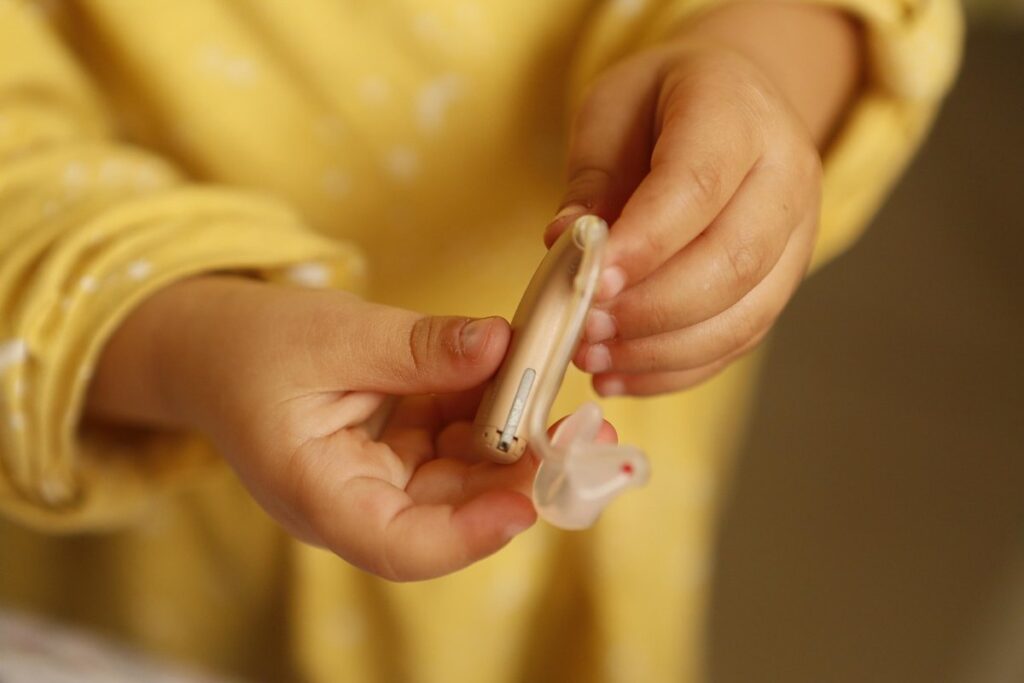
Hearing aids are one such non-surgical solution. These devices amplify sound to make it easier for individuals to hear conversations, TV shows, and other sounds. With advancements in technology, modern hearing aids come with features like Bluetooth connectivity, rechargeable batteries, and smartphone apps to monitor and adjust settings.
Assistive listening devices (ALDs) are another option that can help seniors overcome communication challenges. These devices amplify sound and reduce background noise, making it easier for individuals to follow conversations in noisy environments. Examples of ALDs include cochlear implants, bone-anchored hearing aids, and FM systems.
Sound therapy is also a valuable conservative treatment option for hearing loss. This type of therapy involves listening to specially designed sounds or music to help the brain process and interpret sound more effectively. Research has shown that sound therapy can be particularly beneficial for individuals with tinnitus (ringing in the ears).
Surgical Treatment Options for Conductive Hearing Loss
For seniors experiencing conductive hearing loss, surgical treatment options can be effective in restoring or improving their ability to hear. Conductive hearing loss occurs when there is a problem with the middle ear’s ability to conduct sound waves to the inner ear. Two common surgical procedures used to treat this type of hearing loss are tympanoplasty and stapedectomy.
Tympanoplasty is a surgery that repairs or replaces the eardrum (tympanic membrane) and sometimes the middle ear bones (ossicles). This procedure can help improve conductive hearing loss by repairing damaged tissues and restoring normal sound conduction. During the surgery, the surgeon will typically remove any infected tissue, repair or replace the eardrum, and reattach the ossicles.
Stapedectomy is a more specific type of tympanoplasty that involves removing the stapes bone (one of the middle ear bones) and replacing it with a prosthetic device. This procedure can help improve conductive hearing loss by improving sound conduction through the middle ear. Stapedectomy is typically performed on individuals with otosclerosis, a condition where the stapes bone becomes fixed in place.
These surgical procedures are usually recommended for seniors who experience significant hearing loss and have tried other treatments such as medication or hearing aids without improvement. It’s essential to consult an audiologist or an ear, nose, and throat (ENT) specialist to determine if surgery is the best option for your specific case of conductive hearing loss.
Managing Tinnitus in Seniors
Managing tinnitus in seniors requires a multi-faceted approach that addresses not only the physical symptoms but also the emotional and psychological impact. For many older adults, tinnitus can be a source of significant distress, affecting their quality of life and overall well-being.
Sound therapy is one effective way to manage tinnitus. This involves exposing patients to soothing sounds, such as white noise or nature sounds, which can help mask the ringing in the ears. For example, some studies have shown that listening to ocean waves or rain sounds for 30 minutes a day can lead to significant improvements in tinnitus symptoms.
In addition to sound therapy, cognitive behavioral therapy (CBT) has also been shown to be effective in managing tinnitus-related stress and anxiety. CBT involves working with a therapist to identify and change negative thought patterns and behaviors that may be contributing to the patient’s distress. By addressing these underlying issues, patients can learn to better cope with their symptoms.
Relaxation techniques, such as deep breathing, progressive muscle relaxation, or meditation, can also help alleviate tinnitus-related stress and anxiety. For example, taking a few minutes each day to focus on slow, deep breaths can help calm the mind and body, reducing feelings of tension and discomfort.
While these approaches are not a cure for tinnitus, they can significantly improve quality of life for seniors living with this condition. By incorporating sound therapy, CBT, or relaxation techniques into their daily routine, patients can learn to better manage their symptoms and improve overall well-being.
Maintaining Good Hearing Health as a Senior
As we age, our hearing health becomes increasingly important to maintain. In this section, we’ll explore practical tips for seniors to protect and preserve their hearing.
Maintaining good hearing health is crucial for staying connected with loved ones and enjoying life’s everyday moments.
Strategies for Protecting Against Further Hearing Loss
As you age, it’s essential to take proactive steps to protect your hearing from further damage. Avoiding loud noises is a crucial step in preserving your hearing health. This means being mindful of environments that can exacerbate hearing loss, such as concerts, sporting events, or areas with high levels of background noise like construction zones.
Wearing ear protection is another effective way to safeguard your hearing. Consider investing in earplugs or earmuffs when engaging in activities that may expose you to loud sounds. For instance, if you’re a music lover who frequently attends concerts, wear earplugs to reduce the risk of permanent damage.
Regular hearing tests are also vital for monitoring your hearing health. Schedule annual check-ups with an audiologist to identify any potential issues before they become severe. By following these simple yet effective strategies, you can significantly reduce the risk of further hearing loss and maintain your overall auditory well-being.
Importance of Regular Hearing Check-Ups
As you age, it’s not uncommon to experience changes in your hearing health. In fact, about one-third of Americans between the ages of 65 and 74 have some degree of hearing loss, and this number jumps to nearly half for those over 75. Regular hearing check-ups are crucial for seniors like yourself to detect any changes early on.
During a comprehensive hearing evaluation, an audiologist or healthcare professional will assess your auditory system, checking for any signs of damage or decay. This includes evaluating your hearing thresholds, identifying any potential blockages in the ear canal, and examining the middle and inner ear structures. Early detection is key: hearing loss can be reversed or slowed down with proper treatment if caught early.
If left undetected, untreated hearing loss can have serious consequences, including increased risk of cognitive decline, social isolation, and depression. Moreover, a study published in the Journal of Gerontology found that seniors who received regular hearing care had improved overall health outcomes compared to those who didn’t.
Encouraging Seniors to Seek Help for Hearing Loss
Encouraging seniors to seek help for hearing loss can be a challenging task. However, it’s essential to create an environment that fosters openness and encourages them to take the first step towards addressing their hearing health. Start by having an honest conversation with your senior loved one about their hearing issues. Use “I” statements instead of “you” statements, which can come across as accusatory.
For instance, you could say, “I’ve noticed that it’s harder for me to have conversations with you when we’re in noisy environments.” This approach helps the senior feel more comfortable and less defensive about their situation. It’s also crucial to involve family members or caregivers who may be aware of the senior’s hearing difficulties.
Consider enlisting the help of a healthcare professional, such as an audiologist or primary care physician, to discuss the importance of addressing hearing loss. They can provide guidance on the best course of action and recommend local resources for further assistance. By being supportive and non-judgmental, you can encourage your senior loved one to take the first step towards seeking help for their hearing loss.
Emerging Technologies for Hearing Care in Seniors
As we explore innovative ways to improve hearing care, let’s dive into the exciting emerging technologies that are revolutionizing how seniors manage their hearing health. From implantable devices to smartphone apps, discover what’s on the horizon.
Advances in Hearing Aid Technology
In recent years, there has been significant advancements in hearing aid technology that have greatly improved the listening experience for seniors. One of the most notable developments is the introduction of rechargeable batteries, which eliminate the need for frequent battery replacements and reduce waste. Many modern hearing aids now come with built-in rechargeable batteries that can be charged overnight, making it easier for seniors to manage their devices.
Another significant advancement is the integration of Bluetooth connectivity in hearing aids, allowing users to stream audio from their smartphones, tablets, or TVs directly into their ears. This feature enables seamless connectivity and improved sound quality, making it easier for seniors to stay connected with family and friends.
Advanced sound processing capabilities are also becoming increasingly common in modern hearing aids. Some models now come equipped with advanced noise reduction algorithms that can differentiate between different types of background noise, such as traffic or conversation, and filter out the unwanted sounds, resulting in improved speech clarity.
Assistive Listening Devices (ALDs) for Seniors
When it comes to managing hearing loss, Assistive Listening Devices (ALDs) can be a game-changer for seniors. These devices are designed to enhance sound clarity and reduce background noise, making it easier for individuals with hearing impairment to communicate effectively.
One popular type of ALD is the personal amplifier, also known as a hearing aid amplifier or personal amplification device (PAD). This compact device connects directly to a user’s existing hearing aids or cochlear implants and can be programmed to boost specific frequencies. For example, a senior with a hearing loss in the high-frequency range can use a PAD to amplify speech sounds more clearly.
Infrared systems are another type of ALD that uses invisible light signals to transmit sound from a microphone directly to a user’s receiver. These systems are commonly used in movie theaters and conference settings where background noise is minimal. Loop systems, also known as induction loop systems, work by transmitting sound through a wire loop installed under the floor or in a wall. When a user wears a compatible hearing aid with a telecoil (T-coil), they can pick up the signal and enjoy improved sound quality.
It’s worth noting that many seniors find it difficult to adjust to new technology, so it’s essential to involve family members or caregivers in the process of choosing an ALD. Additionally, users should ensure that their existing hearing aids or cochlear implants are compatible with the chosen device before making a purchase.
Telehealth Services for Hearing Care
Telehealth services have revolutionized the way seniors access hearing care, making it more convenient and accessible. With telehealth, seniors can receive high-quality hearing care from the comfort of their own homes, reducing the need for frequent hospital visits or clinic appointments.
Many organizations are now offering telehealth services specifically designed for hearing care, including remote consultations with audiologists and hearing specialists. These consultations can be conducted via video conferencing platforms, phone calls, or even messaging apps. This allows seniors to connect with healthcare professionals without having to leave their homes, which is particularly beneficial for those who have mobility issues or live in rural areas.
Telehealth services also enable real-time communication between patients and healthcare providers, enabling more efficient diagnosis and treatment of hearing-related conditions. Additionally, many telehealth platforms offer online appointment scheduling, reminders, and follow-up care instructions, making it easier for seniors to manage their hearing health.
When seeking out telehealth services for hearing care, look for platforms that are accredited by reputable organizations, such as the American Speech-Language-Hearing Association (ASHA) or the Accreditation Commission for Health Care (ACHC). It’s also essential to ensure that your chosen platform offers secure and private communication channels.
Conclusion: Empowering Seniors to Take Control of Their Hearing Health
As we’ve explored various aspects of hearing care, it’s time to reflect on how you can take control of your own hearing health and make informed decisions. Let’s summarize key takeaways and empower you to prioritize your well-being.
Final Thoughts on the Importance of Hearing Care in Senior Health
As we conclude this comprehensive guide to hearing care for seniors, it’s essential to emphasize the significance of prioritizing hearing health. Throughout this article, we’ve highlighted the profound impact that untreated hearing loss can have on a senior’s quality of life.
We began by discussing the alarming statistics surrounding age-related hearing loss, which affects nearly 50% of people over the age of 75. This prevalence underscores the need for proactive measures to maintain or restore hearing acuity. Regular hearing tests and screenings are crucial in early detection and intervention, allowing seniors to address potential issues before they escalate.
Moreover, we explored the intricate link between hearing loss and cognitive decline, which is often characterized by reduced mental sharpness, memory lapses, and an increased risk of dementia. By addressing hearing care needs, seniors can mitigate these risks and maintain their overall brain health.
In addition, our discussion on communication strategies emphasized the importance of clear speaking, using visual aids, and adopting technologies that facilitate effective interaction. Seniors can take control of their hearing health by advocating for themselves in social situations, encouraging family members to speak clearly, and exploring assistive listening devices such as hearing aids or cochlear implants.
By embracing these recommendations and fostering a proactive approach to hearing care, seniors can reclaim their independence, maintain meaningful relationships, and continue to engage fully with life’s activities. As we close this comprehensive guide, remember that hearing health is an integral aspect of overall well-being – prioritize it today for a brighter tomorrow.
Frequently Asked Questions
What if I’m not sure whether I have hearing loss or just need my ears cleaned?
If you’re experiencing difficulty hearing or suspecting hearing issues, consult with an audiologist for a comprehensive evaluation. They’ll assess your earwax buildup and provide professional cleaning services, as well as determine the underlying cause of any potential hearing loss.
Can I use over-the-counter (OTC) hearing aids or should I visit a specialist?
While OTC hearing aids are available, consulting with an audiologist is still recommended to ensure proper fit and suitable technology for your specific needs. They’ll help you navigate the options and find the best solution for managing age-related hearing loss.
How often should seniors get their hearing checked if they don’t have symptoms?
Regular hearing check-ups every 2-3 years are essential, even without apparent symptoms. Early detection of age-related hearing loss can prevent further decline and improve overall quality of life.
Can I use assistive listening devices (ALDs) with my current hearing aids or other implants?
Consult with your audiologist about using ALDs in conjunction with existing hearing aids or implants. They’ll help you determine compatibility and find the best solutions to enhance your auditory experience.
How can seniors protect their hearing from further damage when they’re at home, watching TV, or during daily activities?
Prioritize sound levels: use earplugs or earmuffs for loud tasks, keep TVs and music players at reasonable volumes, and establish quiet time each day. Also, maintain a healthy lifestyle, including regular exercise, balanced diet, and stress management to support overall auditory health.