
As we age, our bodies undergo various changes that can impact our quality of life. One common concern among elderly adults is hearing loss, which can have a significant effect on their daily interactions and overall well-being. The risk of developing hearing loss increases with age, making it essential for seniors to understand the causes, risks, and prevention strategies available. In this article, we’ll explore the key factors that contribute to hearing loss in older adults, including lifestyle modifications, early detection methods, and effective treatments. We’ll also discuss ways to prevent or slow down hearing decline, empowering you with the knowledge to protect your loved ones’ hearing health. By staying informed about hearing loss prevention and treatment options, we can ensure a more fulfilling life for seniors everywhere.
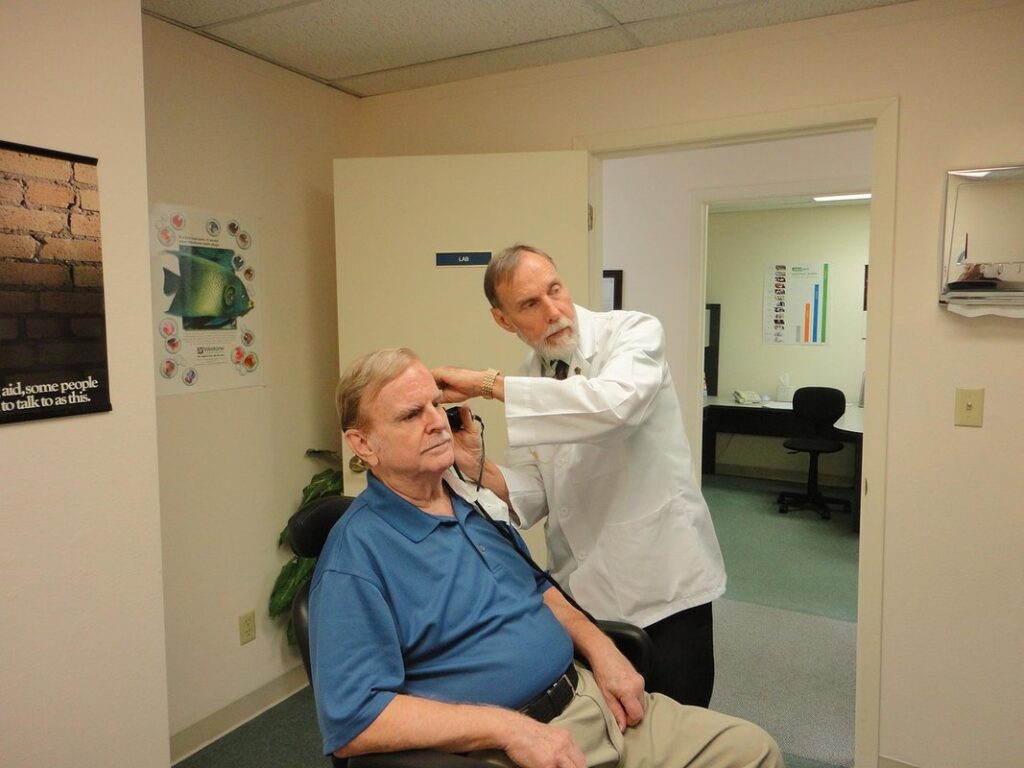
Understanding Hearing Loss in the Elderly
As we explore hearing loss in elderly individuals, it’s essential to understand the underlying causes and factors that contribute to this condition. Let’s dive into what research reveals about age-related hearing decline.
Prevalence of Hearing Loss Among Seniors
According to the World Health Organization (WHO), approximately 43% of people aged 65-74 and 80% of those over 85 experience significant hearing loss. Age-related hearing loss (ARHL) is a major contributor to this statistic, affecting millions of seniors worldwide.
The prevalence of ARHL increases with age due to a combination of factors, including exposure to loud noises, genetic predisposition, and changes in the auditory system as we age. For instance, the natural aging process causes hair cells in the inner ear to degenerate, leading to reduced sensitivity to sound.
To put this into perspective, consider that 1 in 3 adults over 60 experience hearing loss severe enough to affect their daily life. This highlights the importance of addressing hearing health early on and incorporating prevention strategies into our lifestyle choices. By doing so, we can potentially mitigate the impact of ARHL and improve overall quality of life for seniors. Regular hearing check-ups and sound protection measures are essential in this regard.
This staggering prevalence underscores the need for awareness and action among both individuals and healthcare professionals to address this growing concern.
Contributing Factors to Age-Related Hearing Loss
Age-related hearing loss (ARHL) is a complex condition influenced by multiple factors. One significant contributor is genetics, with family history playing a role in the development of ARHL. Research suggests that individuals with a first-degree relative (parent or sibling) who has experienced hearing loss are more likely to experience it themselves.
Another contributing factor is exposure to loud noises over time. Prolonged exposure to sounds above 85 decibels can damage hair cells in the inner ear, leading to permanent hearing loss. For example, individuals who work in environments with high levels of noise, such as construction or manufacturing sites, are at increased risk.
As we age, natural changes occur within the auditory system that can contribute to ARHL. These include a decline in the function of hair cells and the auditory nerve, reduced blood flow to the ear, and changes in the middle ear’s ability to transmit sound. While some degree of hearing loss is inevitable with aging, understanding these contributing factors can help individuals take proactive steps to protect their hearing health.
Age-related changes in the body also play a role in ARHL. For instance, conditions like high blood pressure, diabetes, and kidney disease can damage the inner ear and contribute to hearing loss. Addressing these underlying health issues through regular check-ups and healthy lifestyle choices can help mitigate this risk.
Causes of Hearing Loss in Elderly Adults
As we explore the causes of hearing loss, it’s essential to understand that age-related decline is often a result of wear and tear on the ears over time. This section will examine the underlying factors that contribute to this condition in elderly adults.
Noise-Induced Hearing Loss (NIHL)
Prolonged exposure to loud sounds is a significant contributor to noise-induced hearing loss (NIHL), especially among seniors with existing hearing loss. When we’re exposed to loud noises, the hair cells in our ears can become damaged or even die, leading to permanent hearing damage. This type of hearing loss is often irreversible and can have a significant impact on an individual’s quality of life.
For elderly adults, NIHL can be particularly problematic due to their increased sensitivity to sound. Existing hearing loss can also exacerbate the effects of loud noises, making it more difficult for them to recover from noise-induced damage. A study published in the Journal of the American Geriatrics Society found that seniors who experienced NIHL were more likely to have difficulty communicating and participating in social activities.
To prevent NIHL, individuals should take steps to reduce their exposure to loud sounds. This can be achieved by wearing earplugs or earmuffs when working with power tools, attending concerts or sporting events, or engaging in other noisy activities. It’s also essential for elderly adults to have regular hearing checks and maintain a healthy lifestyle to minimize the risk of NIHL.
Age-Related Changes in the Auditory System
As we age, our auditory system undergoes natural changes that can affect hearing. One of the primary age-related changes is a reduced sensitivity to high-frequency sounds. High-frequency sounds are those above 2,000 Hz, and they’re essential for speech recognition and comprehension. Unfortunately, many everyday sounds, such as the rustling of papers or the chirping of birds, fall into this range.
This decrease in sensitivity means that older adults may have difficulty understanding conversations, especially when there’s background noise or multiple speakers. For instance, a 65-year-old might struggle to follow a conversation at a busy restaurant or during a loud family gathering. Moreover, research suggests that the average individual experiences a 20-40 decibel loss in high-frequency sensitivity by age 50.
Another significant change is decreased auditory processing efficiency. This can manifest as difficulty following conversations, paying attention, or remembering what was said. To mitigate these effects, consider using hearing aids, which can amplify high-frequency sounds and improve speech recognition. Additionally, try to reduce background noise by choosing quiet environments for conversations or using noise-cancelling headphones. By understanding and addressing age-related changes in the auditory system, we can take proactive steps towards preserving our hearing health as we age.
Risks Associated with Untreated Hearing Loss
If left untreated, hearing loss can have serious consequences for your overall health and well-being, including increased risk of falls, depression, and social isolation. We’ll explore these risks in more detail below.
Social Isolation and Loneliness
Social isolation and loneliness are significant concerns for seniors living with untreated hearing loss. When communication becomes a struggle, social interactions can become increasingly difficult, leading to feelings of disconnection from family, friends, and community. This lack of social engagement can have profound effects on mental health and well-being.
Research has shown that people who experience social isolation are more likely to develop depression, anxiety, and even dementia. In fact, a study by the National Institute on Aging found that social isolation increased the risk of developing Alzheimer’s disease by 50%. Furthermore, seniors who live alone with untreated hearing loss may find it challenging to maintain relationships or engage in activities they once enjoyed.
It’s essential for family members and caregivers to recognize these signs and take steps to address them. Encourage seniors to seek support from friends, family, or a professional counselor. Suggest group activities or classes that cater to their interests, such as cooking, art, or exercise. Moreover, explore hearing loss treatment options with an audiologist or primary care physician to improve communication and social connections. By doing so, we can empower seniors to break the cycle of isolation and loneliness, promoting a healthier and more fulfilling life.
Cognitive Decline and Dementia
Untreated hearing loss has been consistently linked to an increased risk of cognitive decline and dementia in elderly adults. Research suggests that individuals with hearing loss are more likely to experience cognitive impairment, including memory loss and difficulty concentrating. In fact, a study published in the Journal of the American Geriatrics Society found that older adults with untreated hearing loss were 1.5 times more likely to develop dementia than those without hearing loss.
The link between hearing loss and cognitive decline is thought to be due to the brain’s increased effort to compensate for impaired auditory processing. This can lead to mental fatigue, which in turn may accelerate age-related cognitive decline. Furthermore, social isolation, a common consequence of untreated hearing loss, has also been shown to contribute to cognitive impairment.
To mitigate this risk, it’s essential to address hearing loss promptly. Encourage elderly adults to undergo regular hearing tests and consider seeking professional help if they notice any changes in their hearing. By addressing hearing loss early on, we may be able to delay or even prevent the onset of cognitive decline and dementia.
Prevention Strategies for Hearing Loss
When it comes to hearing loss prevention, being proactive is key. In this next part of our guide, we’ll explore effective strategies to safeguard your hearing health as you age.
Lifestyle Modifications to Prevent Hearing Loss
Making healthy lifestyle choices can significantly reduce the risk of hearing loss. One crucial step is to limit exposure to loud noises. Prolonged exposure to sounds over 85 decibels can cause permanent damage, so it’s essential to wear ear protection when engaging in activities like shooting, mowing the lawn, or working with power tools.
Maintaining a healthy weight also plays a critical role in hearing health. Research suggests that being overweight or obese increases the risk of age-related hearing loss by up to 30%. This may be due to inflammation and oxidative stress associated with excess body fat. Eating a balanced diet rich in fruits, vegetables, and whole grains can help manage weight and reduce inflammation.
In addition to these habits, getting regular exercise can also promote overall health and potentially lower the risk of hearing loss. Aim for at least 150 minutes of moderate-intensity aerobic activity or 75 minutes of vigorous-intensity aerobic activity per week. This can be achieved through activities like brisk walking, cycling, or swimming.
Early Detection and Treatment of Hearing Loss
Early detection and treatment of hearing loss are crucial for maintaining communication skills, preventing social isolation, and reducing the risk of cognitive decline. However, many elderly individuals delay seeking medical attention due to stigma or misperceptions about hearing aids.
Regular hearing tests can identify age-related hearing loss in its early stages, allowing for timely intervention. Audiologists recommend a baseline hearing test at age 50, with subsequent annual screenings thereafter. During these appointments, audiologists assess ear health, conduct pure-tone and speech audiometry tests, and provide personalized recommendations for treatment.
Early detection enables the use of amplification devices or other assistive listening technologies that can significantly improve communication. Studies show that individuals who receive hearing aids early on experience improved mental health outcomes, increased social engagement, and better quality of life. If you suspect you or a loved one may be experiencing hearing loss, schedule an appointment with an audiologist for a comprehensive evaluation and treatment plan.
Effective Treatments for Hearing Loss
Fortunately, there are many effective treatments available that can significantly improve your hearing and overall quality of life. Let’s take a look at some of the most effective options.
Hearing Aids and Assistive Listening Devices
For seniors with hearing loss, various types of hearing aids and assistive listening devices can greatly improve communication and overall quality of life. There are several types of hearing aids available, including behind-the-ear (BTE) models, in-the-ear (ITE) models, and completely-in-canal (CIC) models. BTE models are suitable for individuals with significant hearing loss, as they amplify sound effectively. ITE models, on the other hand, are ideal for those with mild to moderate hearing loss.
Assistive listening devices can also be beneficial. Examples include personal amplification devices, which can connect directly to a television or phone, and infrared systems, which can provide clear audio in large spaces like churches or auditoriums. Cochlear implants, a more advanced option, bypass damaged hair cells in the inner ear and directly stimulate the auditory nerve.
When choosing between these options, it’s essential for seniors (or their family members) to consult with an audiologist or hearing specialist who can assess their specific needs and recommend the most suitable device.
Cochlear Implants and Other Surgical Options
For individuals with severe to profound hearing loss, cochlear implants and other surgical options can be game-changers. Cochlear implants are small electronic devices that bypass damaged parts of the ear to directly stimulate the auditory nerve. They’re particularly beneficial for seniors who struggle to communicate and engage in daily activities due to their hearing impairment.
The benefits of cochlear implants are numerous. Studies have shown that they significantly improve speech recognition, even in noisy environments, allowing users to participate more fully in social interactions. Additionally, these devices can reduce reliance on lip-reading and visual cues, enhancing overall communication efficiency.
However, as with any surgical intervention, there are risks associated with cochlear implants. These include infection, facial nerve damage, and device malfunction. Furthermore, individuals must undergo extensive testing and evaluation to determine their candidacy for implantation, which can be a lengthy and sometimes daunting process.
Despite these potential drawbacks, many elderly individuals have successfully undergone cochlear implant surgery, restoring a sense of connection and community to their lives. If you’re considering this option or are a caregiver looking into it for a loved one, consult with an audiologist or ENT specialist to discuss the potential benefits and risks in more detail.
Importance of Early Detection and Intervention
Early detection and intervention are crucial when it comes to addressing hearing loss in elderly individuals, as they can significantly impact quality of life. In this section, we’ll explore why prompt action is essential.
Benefits of Early Hearing Loss Treatment
Early detection and treatment of hearing loss are crucial for elderly individuals to maintain their quality of life. When hearing loss is left untreated, it can have far-reaching consequences, including social isolation, depression, and even cognitive decline. However, with early intervention, the benefits are numerous.
Improved communication is one of the most significant advantages of treating hearing loss early on. When you can hear more clearly, you’re better equipped to participate in conversations, engage with loved ones, and maintain relationships. This improved communication also extends to everyday activities like ordering food at a restaurant or following instructions from your doctor.
Increased social engagement is another benefit of early treatment. As people age, they may become withdrawn due to difficulty hearing others. By treating their hearing loss, elderly individuals can reconnect with friends and family, join social groups, and even volunteer in their communities. This increased socialization can help combat loneliness and depression, which are common issues among the elderly.
Moreover, research has shown that untreated hearing loss is linked to a higher risk of cognitive decline, including dementia and Alzheimer’s disease. The exact mechanism behind this link is still being studied, but it’s believed that when we struggle to hear, our brains work harder to compensate, leading to mental fatigue. By treating hearing loss early on, elderly individuals can reduce their risk of cognitive decline.
If you or a loved one suspects they may be experiencing hearing loss, don’t hesitate to schedule an appointment with an audiologist or primary care physician. Early detection and treatment are key to maintaining a high quality of life as we age.
Frequently Asked Questions
What are some lifestyle modifications I can make to prevent hearing loss?
Conduct regular exercise, maintain a healthy weight, eat a balanced diet rich in fruits and vegetables, manage stress through meditation or yoga, and avoid loud noises or use ear protection when exposed to them. These habits can help slow down age-related hearing decline.
Can I still drive with untreated hearing loss, and what are the risks?
Yes. However, it’s crucial to address hearing loss promptly as untreated cases can increase the risk of accidents, traffic violations, and even dementia. Early detection and treatment can improve road safety and overall well-being.
How do I explain my hearing loss to family members or friends who don’t understand?
Approach this conversation with empathy and honesty. Explain that hearing loss is a common issue among seniors and affects not only communication but also mental health. They may be more supportive than you think, and opening up can lead to better relationships.
What are the most effective treatments for age-related hearing loss?
The most successful options often involve a combination of medical interventions (such as hearing aids or cochlear implants), auditory rehabilitation, and assistive listening devices like loops or FM systems. These should be tailored to individual needs and addressed by an audiologist or ear, nose, and throat specialist.
Can hearing loss contribute to cognitive decline and dementia?
Research indicates that there may be a link between untreated hearing loss and increased risks of dementia and cognitive decline. Early detection and treatment can help mitigate these effects, emphasizing the importance of addressing age-related hearing issues promptly.