
High blood pressure is a silent threat that can creep up on anyone, especially as we age. As a senior, you may be more likely to experience high blood pressure due to factors such as decreased physical activity, changes in lifestyle, and underlying health conditions like kidney disease or diabetes. Unmanaged high blood pressure can lead to serious complications like heart failure, stroke, and even dementia. But the good news is that there are many effective management options available, including lifestyle changes, medications, and diagnostic tests.
As you age, it’s essential to be aware of the risks and complications associated with high blood pressure. By understanding what causes high blood pressure in seniors, you can take proactive steps to prevent or manage it. This article will cover the key things you need to know about high blood pressure in seniors, including how to identify warning signs, understand treatment options, and make lifestyle changes to reduce your risk.
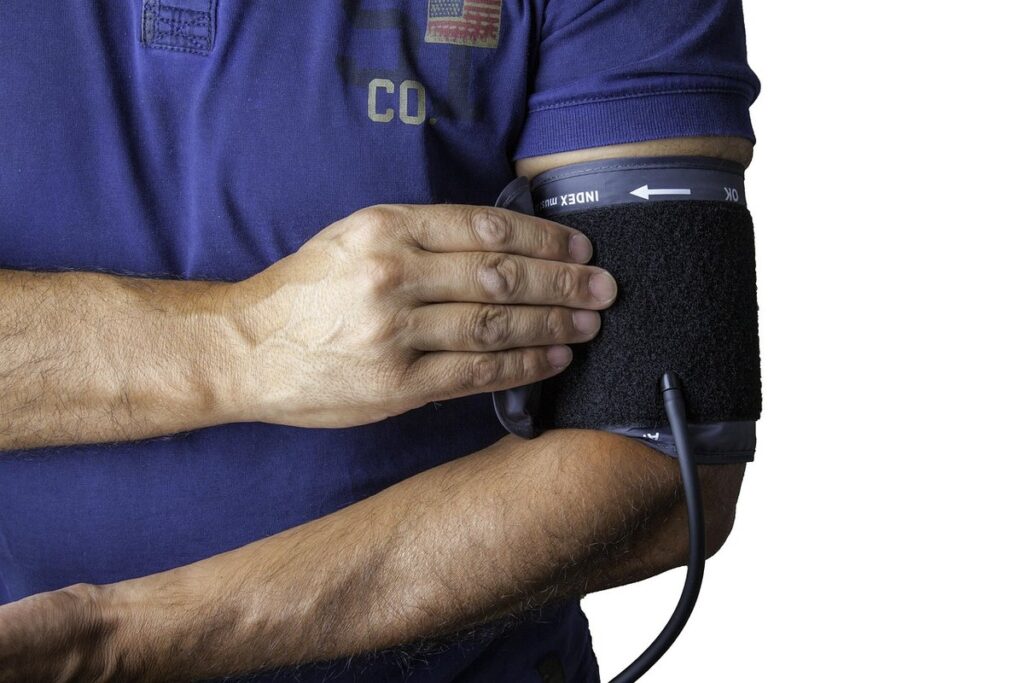
The Risks and Consequences of Unmanaged Hypertension
Unmanaged hypertension can have devastating consequences, including heart attack, stroke, kidney disease, and vision loss. These risks are particularly severe for seniors whose bodies may not be able to withstand the strain of uncontrolled blood pressure.
Prevalence and Statistics: How Common is High Blood Pressure in Older Adults?
According to the Centers for Disease Control and Prevention (CDC), high blood pressure affects nearly half of all Americans aged 60 and older. In fact, the prevalence of hypertension increases with age: by the time people reach their 70s, about 65% have been diagnosed with high blood pressure. This trend is concerning because high blood pressure in seniors often goes unmanaged or undertreated.
A comparison between different age groups reveals a stark reality: while nearly one-third of adults aged 40-59 have hypertension, this number jumps to over half (55%) for those aged 60-69 and reaches its peak at 70 years old and above. These statistics highlight the importance of regular blood pressure checks and prompt treatment in older adults.
Age-specific data also show that men are more likely than women to develop high blood pressure as they age, with a slightly higher prevalence among men aged 60-69 (58%) compared to their female counterparts (53%). These disparities underscore the need for tailored prevention strategies and early intervention.
Long-term Complications: Understanding the Dangers of Untreated Hypertension
Untreated hypertension can lead to a range of serious health complications. One of the most significant risks is heart disease. High blood pressure puts extra strain on the heart, making it work harder to pump blood around the body. Over time, this can cause damage to the heart’s arteries and muscles, leading to conditions such as coronary artery disease and heart failure.
Another major complication of unmanaged hypertension is stroke. When blood vessels in the brain become damaged or narrowed due to high pressure, it can lead to a lack of oxygen and nutrients reaching the brain tissue. This can result in a hemorrhagic or ischemic stroke, which can cause permanent damage or even death. According to the American Heart Association, high blood pressure is responsible for about 78% of all strokes.
Kidney damage is also a significant risk associated with untreated hypertension. The kidneys are responsible for filtering waste and excess fluids from the blood, but when blood vessels become damaged due to high blood pressure, it can reduce kidney function and increase the risk of kidney failure. Regular monitoring and control of blood pressure can help prevent these complications and reduce the risk of premature death.
The Impact on Quality of Life: How High Blood Pressure Affects Daily Activities
Unmanaged high blood pressure can significantly impact a senior’s quality of life, affecting their ability to engage in daily activities. One major concern is mobility – elevated blood pressure can lead to fatigue and weakness, making it difficult for seniors to perform physical tasks, such as grocery shopping or taking care of household chores. Simple actions like walking or climbing stairs may become exhausting, forcing them to rely on others for help.
High blood pressure also affects energy levels, leaving seniors feeling drained even after resting. This can lead to a vicious cycle: lack of exercise exacerbates high blood pressure, which in turn worsens fatigue. Additionally, mental health suffers as the stress and anxiety associated with managing hypertension take their toll. Many seniors experience depression or anxiety due to the emotional burden of coping with unmanaged high blood pressure.
For instance, studies have shown that seniors with untreated hypertension are more likely to experience cognitive decline and decreased functional ability. This can lead to a loss of independence, further impacting quality of life. It’s essential for seniors to discuss their concerns with their healthcare provider and work towards managing their blood pressure through lifestyle changes or medication. By doing so, they can regain control over their daily lives and improve their overall well-being.
Identifying the Causes and Risk Factors
To better understand how high blood pressure affects seniors, it’s essential to identify its underlying causes and risk factors that contribute to its development. Certain lifestyle choices and health conditions can put older adults at a higher risk of developing hypertension.
Lifestyle Choices: Diet, Exercise, and Stress Management
Consuming a diet rich in processed foods, added sugars, and saturated fats can significantly contribute to high blood pressure. A well-studied example is the DASH (Dietary Approaches to Stop Hypertension) diet, which emphasizes whole grains, fruits, vegetables, lean proteins, and low-fat dairy products. Research suggests that following this eating plan can help lower blood pressure by reducing sodium intake and increasing potassium levels.
Regular physical activity also plays a crucial role in managing high blood pressure. Aim for at least 150 minutes of moderate-intensity exercise or 75 minutes of vigorous-intensity aerobic activity per week, alongside strength training exercises on two or more days a week. Examples include brisk walking, swimming, cycling, and gardening.
Managing stress is equally important, as chronic stress can raise blood pressure levels. Effective stress management strategies include meditation, deep breathing exercises, yoga, and journaling. Establish a consistent sleep schedule, aiming for 7-8 hours of sleep each night to help regulate blood pressure.
Medication Use and Side Effects: A Potential Contributor to High Blood Pressure
Certain medications can contribute to high blood pressure by either directly increasing blood pressure or exacerbating underlying conditions. For instance, certain antidepressants, such as selective serotonin reuptake inhibitors (SSRIs), have been shown to increase blood pressure in some patients. Additionally, nonsteroidal anti-inflammatory drugs (NSAIDs) like ibuprofen and naproxen can also contribute to high blood pressure by reducing the production of prostaglandins, which help to regulate blood vessel constriction.
Some medications may cause side effects that indirectly lead to high blood pressure. For example, diuretics, which are commonly prescribed for conditions like heart failure or edema, can lead to dehydration if not properly monitored. Dehydration, in turn, can cause a decrease in blood volume, leading the heart to pump more forcefully and increasing blood pressure.
Other medications, such as those used to treat anxiety or insomnia, may also have indirect effects on blood pressure. It’s essential for seniors taking multiple medications to discuss potential interactions with their healthcare provider. They should also be aware of any medication side effects that could contribute to high blood pressure. Regular monitoring of blood pressure and medication use can help identify potential issues early on.
Underlying Medical Conditions: How Chronic Illnesses Increase the Risk of Hypertension
Chronic illnesses such as diabetes and kidney disease are strongly linked with an increased risk of developing high blood pressure. This is because underlying medical conditions can damage the kidneys’ ability to regulate blood pressure, leading to a cascade of complications. For instance, individuals with uncontrolled diabetes often experience fluctuations in blood sugar levels, which can cause blood vessels to become stiff and less responsive to vasodilators, making it more challenging for the body to regulate blood pressure.
Kidney disease is another chronic condition that significantly raises the risk of hypertension. When kidneys are damaged, they’re unable to filter waste products from the bloodstream effectively, leading to a buildup of toxins that can further strain the cardiovascular system and contribute to high blood pressure. Additionally, individuals with kidney disease may be more likely to experience fluid retention, which can also drive up blood pressure.
If you have an underlying medical condition like diabetes or kidney disease, it’s essential to work closely with your healthcare provider to manage both conditions simultaneously. This might involve adjusting medications, making lifestyle changes, or seeking additional treatments. By addressing the root causes of hypertension and managing chronic illnesses effectively, seniors can significantly reduce their risk of developing high blood pressure and related complications.
Diagnosing High Blood Pressure in Seniors: What to Expect at the Doctor’s Office
When you’re diagnosed with high blood pressure, understanding how your doctor will diagnose it is a crucial part of your care. This process typically begins with a series of simple tests and exams to determine your overall health status.
The Importance of Regular Check-ups: Catching Hypertension Early
Regular check-ups are crucial for seniors to monitor and manage their blood pressure effectively. During these visits, doctors can catch hypertension early by taking regular readings and comparing them to previous measurements. This helps identify subtle changes in blood pressure that may not be noticeable otherwise.
A consistent pattern of elevated readings can indicate the presence of hypertension. For instance, if a senior’s systolic pressure is consistently above 140 mmHg or their diastolic pressure remains above 90 mmHg during multiple visits, it may signal the need for further evaluation and treatment.
It’s essential to schedule regular check-ups at least every six months for seniors with a history of high blood pressure. This frequency allows doctors to track changes in blood pressure over time and make informed decisions about medication adjustments or lifestyle modifications.
In addition to monitoring blood pressure, these visits provide opportunities for comprehensive health screenings. Healthcare providers can assess the senior’s overall health, identify potential underlying conditions, and develop a tailored plan to manage their hypertension effectively.
Understanding Your Blood Pressure Reading: A Guide to Interpreting Results
A blood pressure reading typically consists of two numbers: the systolic pressure (the top number) and the diastolic pressure (the bottom number). A normal reading is usually around 120/80 mmHg, with some variation considered acceptable. However, as you age, even a slightly elevated reading can be a cause for concern.
For example, if your systolic pressure is between 130-139 mmHg and your diastolic pressure is between 80-89 mmHg, you have stage 1 hypertension. If these numbers are higher – typically above 140/90 mmHg – you may be diagnosed with stage 2 hypertension.
To give you a better idea of what’s normal, consider the following ranges:
- Normal: Less than 120/80 mmHg
- Elevated: 120-129/80 mmHg (considered prehypertension)
- Stage 1 Hypertension: 130-139/80-89 mmHg
- Stage 2 Hypertension: Above 140/90 mmHg
Keep in mind that these numbers can fluctuate throughout the day, and it’s not uncommon for readings to be higher when taken at home compared to those recorded at a doctor’s office. When discussing your blood pressure with your healthcare provider, ask about any concerns or questions you have regarding your specific reading.
Advanced Diagnostic Tests: When Further Evaluation is Necessary
In some cases, a standard blood pressure reading may not provide a complete picture of a senior’s hypertension situation. This is where advanced diagnostic tests come into play. One such test is 24-hour ambulatory blood pressure monitoring (ABPM). Unlike traditional readings taken at the doctor’s office, ABPM tracks blood pressure throughout the day and night over a 24-hour period. This provides a more accurate representation of a senior’s overall blood pressure levels.
Another advanced diagnostic test used to evaluate high blood pressure in seniors is an echocardiogram. This non-invasive ultrasound imaging test allows doctors to examine the heart’s structure and function, including its ability to pump blood efficiently. An echocardiogram can help identify potential underlying issues that may be contributing to hypertension, such as aortic stenosis or hypertrophic cardiomyopathy.
In some cases, additional tests like an electrocardiogram (ECG) or a stress test may also be ordered to further evaluate the heart’s function and blood pressure response. These tests can provide valuable insights into a senior’s cardiovascular health and help guide treatment decisions.
Managing High Blood Pressure in Seniors: Treatment Options and Lifestyle Changes
If you’re a senior living with high blood pressure, finding effective treatment options is crucial to maintaining your overall health and well-being.
This section will explore lifestyle changes and medical treatments that can help manage high blood pressure in seniors.
Medications for Hypertension: A Guide to Commonly Prescribed Treatments
Medications for hypertension are often prescribed to help control blood pressure and reduce cardiovascular risk. There are four main types of medications commonly used: diuretics, beta blockers, ACE inhibitors, and calcium channel blockers.
Diuretics, such as hydrochlorothiazide (HCTZ), help remove excess fluid from the body, which can lower blood pressure. They’re often prescribed for people with mild to moderate hypertension. Beta blockers, like metoprolol, slow the heart rate and reduce its workload, also lowering blood pressure.
ACE inhibitors, including lisinopril, work by blocking a natural chemical that constricts blood vessels, causing them to relax and widen. This decreases blood pressure and reduces strain on the heart. Calcium channel blockers, such as verapamil, prevent calcium from entering the cells of the heart and arteries, which also helps lower blood pressure.
When choosing a medication, doctors consider factors like age, kidney function, and other health conditions. They may prescribe one type of medication initially or combine two types for better control. As with any new prescription, it’s essential to follow dosage instructions carefully and report any side effects to your doctor. Regular monitoring of blood pressure is also crucial to determine the effectiveness of treatment.
Lifestyle Modifications: Dietary Changes, Exercise, and Stress Management Strategies
When it comes to managing high blood pressure through lifestyle modifications, dietary changes are a crucial aspect. The DASH (Dietary Approaches to Stop Hypertension) diet is often recommended as a comprehensive eating plan that can help lower blood pressure. This involves consuming plenty of fruits, vegetables, whole grains, and low-fat dairy products while limiting sodium intake.
Regular exercise also plays a significant role in managing high blood pressure. Aim for at least 150 minutes of moderate-intensity aerobic activity or 75 minutes of vigorous-intensity aerobic activity per week. You can break this down into shorter sessions throughout the day, such as brisk walking, cycling, or swimming. It’s essential to incorporate strength training exercises at least two times a week to maintain muscle mass and bone density.
Stress management is also vital in regulating blood pressure. Engage in stress-reducing activities like meditation, deep breathing exercises, or yoga to help calm your mind and body. Aim for 7-8 hours of sleep per night to help regulate cortisol levels and promote overall well-being. Consider keeping a journal or seeking support from friends and family to manage stress effectively.
FAQs: Frequently Asked Questions About High Blood Pressure in Seniors
If you have concerns about high blood pressure, you’re likely to have some questions. This section addresses common inquiries and provides clarity on managing hypertension as a senior.
Q: What are the symptoms of high blood pressure?
When high blood pressure goes untreated, it can lead to serious health complications. However, recognizing its symptoms is crucial for prompt medical attention and effective management. The symptoms of high blood pressure can be subtle, making them difficult to detect without regular check-ups.
In most cases, seniors with high blood pressure do not experience noticeable symptoms until their condition has progressed significantly. This is because the body often adapts to increased blood pressure by compensating through other mechanisms. For instance, the heart might pump more forcefully to meet the demand for oxygen and nutrients.
However, if left untreated, high blood pressure can lead to a range of complications that manifest as noticeable symptoms. These may include headaches, dizziness, fatigue, and shortness of breath. Some seniors might also experience chest pain or angina, which is often associated with heart disease.
In addition to these physical symptoms, high blood pressure can have a profound impact on mental health. Anxiety and stress are common among individuals who develop hypertension, as they may feel overwhelmed by the demands of managing their condition. Furthermore, the social isolation that often accompanies chronic illness can exacerbate feelings of loneliness and depression.
To identify potential issues early on, it is essential for seniors to monitor their blood pressure regularly and report any unusual symptoms to their healthcare provider. Regular check-ups with a healthcare professional will help ensure timely detection and management of high blood pressure.
Frequently Asked Questions
Can You Take Medication for High Blood Pressure and Still Have a Normal Diet?
Yes, many medications for high blood pressure can be taken while following a normal diet. However, some medications may interact with certain foods or have specific dietary restrictions. Always consult your healthcare provider about any food interactions with your medication.
How Long Does it Take to See Improvement in High Blood Pressure After Making Lifestyle Changes?
Improvement in high blood pressure symptoms and readings can vary from person to person, but noticeable improvements often take several weeks to months after making lifestyle changes such as diet, exercise, or stress management. Regular monitoring of blood pressure readings with your healthcare provider will help track progress.
Is It Safe to Stop Taking Medication for High Blood Pressure If I Feel Better?
No, it’s not safe to stop taking medication for high blood pressure without consulting your healthcare provider first. Even if you feel better, stopping the medication abruptly can lead to a sudden increase in blood pressure, which may cause serious health complications.
Can Advanced Diagnostic Tests Be Used to Monitor Progress and Adjust Treatment Plans for Seniors with High Blood Pressure?
Yes, advanced diagnostic tests such as 24-hour ambulatory blood pressure monitoring or echocardiograms can be used to monitor progress and adjust treatment plans for seniors with high blood pressure. These tests provide more detailed information about your condition, helping healthcare providers make informed decisions about your care.
How Can Seniors Manage High Blood Pressure While Living Alone?
Managing high blood pressure while living alone requires careful planning and attention to medication adherence, diet, exercise, and regular health check-ups. Consider using a pill box or medication reminder app, enlisting the help of family members or friends for grocery shopping or meal preparation, and staying connected with healthcare providers through telemedicine services if needed.