
As we age, maintaining muscle mass and energy levels can become increasingly challenging. A diet rich in high protein foods plays a vital role in supporting healthy aging, particularly for seniors. With age, our bodies undergo natural changes that can lead to decreased muscle mass and bone density, making it essential to prioritize nutrient-dense foods.
This article is designed to guide you through the world of high protein foods specifically tailored for seniors. We’ll explore meal ideas, dietary restrictions, and expert tips on nutrition planning to help you make informed choices. From lean meats to plant-based options, we’ll cover a variety of sources that cater to different tastes and requirements. By incorporating these high protein foods into your diet, you can maintain energy levels, support muscle health, and enjoy the benefits of healthy aging. Let’s dive in and discover how to fuel your body for optimal well-being.
Understanding the Importance of Protein in Senior Nutrition
Protein plays a vital role in maintaining muscle mass and overall health as we age, making it essential for senior nutrition. Let’s dive into why protein is crucial for seniors’ well-being.
The Role of Protein in Maintaining Muscle Mass and Bone Density
As we age, our bodies undergo natural changes that can affect muscle mass and bone density. Protein plays a vital role in maintaining both of these essential components of overall physical performance. When it comes to muscle function, protein acts as the primary building block for muscle growth and repair. Without sufficient protein intake, muscles can begin to break down, leading to weakness and fatigue. This is particularly concerning for seniors who may already experience decreased mobility and balance.
Inadequate protein intake can also have serious consequences on bone health. As we age, our bones naturally lose density, making them more susceptible to fractures and osteoporosis. Protein helps to maintain strong bones by stimulating collagen production, which gives bones their strength and structure. Furthermore, protein-rich foods often come packaged with other essential nutrients like calcium and vitamin D, further supporting bone health. To ensure adequate protein intake as a senior, aim for 1.2-1.6 grams of protein per kilogram of body weight from high-quality sources like lean meats, fish, eggs, dairy products, legumes, and whole grains.
Key Nutritional Considerations for Seniors with Protein Deficiencies
As we age, our bodies undergo natural changes that can affect our nutritional needs. For seniors with protein deficiencies, it’s essential to recognize common signs and symptoms to address potential health issues. If you’re experiencing fatigue, weight loss, or a weakened immune system, you may be suffering from protein deficiency.
Identifying at-risk individuals is crucial in preventing further complications. Seniors with certain medical conditions, such as kidney disease or osteoporosis, may require more protein in their diet. Additionally, those who are bedridden, have limited mobility, or follow a restrictive diet may also be at risk.
To address nutritional gaps, it’s essential to develop strategies that incorporate high-protein foods into your diet. Start by incorporating lean meats like chicken and turkey, fish rich in omega-3 fatty acids, and plant-based options such as legumes and tofu. Aim to include a source of protein in every meal, and consider consulting with a healthcare professional or registered dietitian for personalized guidance.
Increasing protein intake can help alleviate symptoms and support overall health. For example, consuming 1-2 eggs per day has been shown to provide essential amino acids, supporting muscle mass maintenance and immune function. By prioritizing high-protein foods, you can take proactive steps towards maintaining your overall well-being as you age.
High-Protein Foods Rich in Essential Amino Acids
When it comes to high protein foods, some stand out from the rest for their exceptional amino acid profiles. Let’s take a look at some of these standout options.
Lean Meats: Chicken, Turkey, Fish, and Beef for Seniors
When it comes to incorporating lean meats into their diet, seniors can reap numerous benefits. Chicken, turkey, fish, and beef are not only high in protein but also rich in essential amino acids that support muscle growth and maintenance. These proteins are often more easily digested than other types of meat, making them an excellent choice for older adults.
For instance, a 3-ounce serving of chicken breast contains about 26 grams of protein, along with all nine essential amino acids that the body cannot produce on its own. This makes chicken an ideal source of complete protein for seniors who may struggle to get enough from plant-based sources alone.
To incorporate lean meats into your diet, try these simple recipes: Grilled Chicken and Veggies, Pan-Seared Turkey Breast with Herbs, Baked Salmon with Lemon, or Skewers of Beef with Roasted Vegetables. When cooking, opt for low-fat methods like grilling, roasting, or poaching to retain moisture and nutrients. Additionally, choose grass-fed beef and wild-caught fish whenever possible, as these options tend to be higher in omega-3 fatty acids and other beneficial compounds. By incorporating lean meats into your meals, you can ensure a steady supply of essential amino acids for optimal health and wellness.
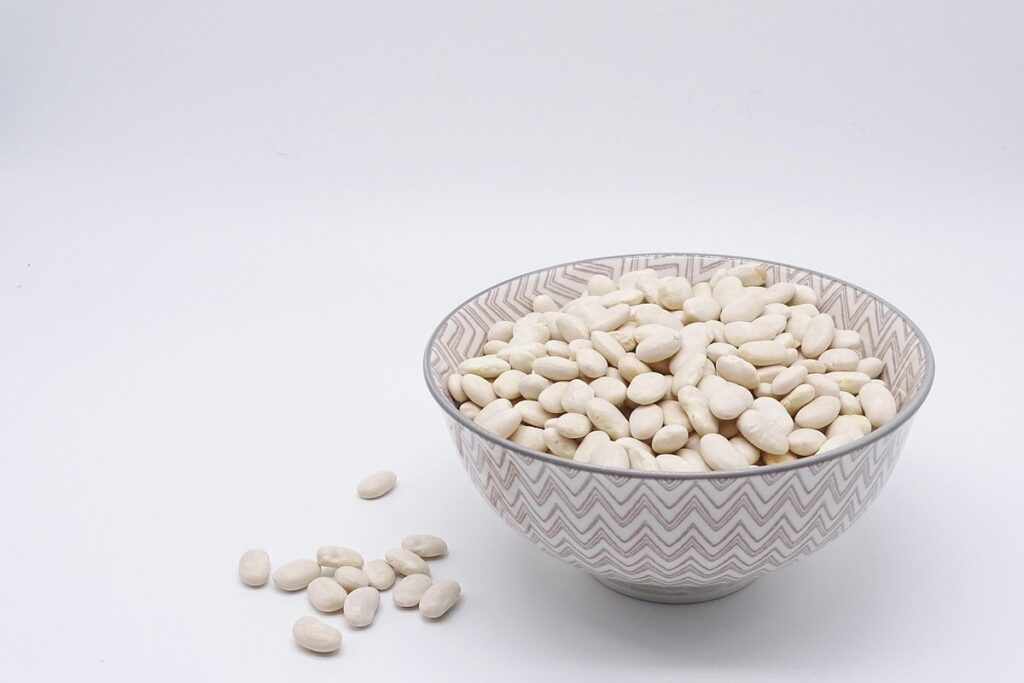
Legumes, Beans, and Lentils: Plant-Based Protein Sources for Seniors
Legumes, beans, and lentils are nutrient-dense foods that offer an impressive combination of high protein content, fiber, and antioxidant properties. A 1/2 cup serving of cooked chickpeas, for example, contains about 9 grams of protein, making them an excellent plant-based option for seniors. These legumes also provide a significant amount of dietary fiber, which can help regulate blood sugar levels and promote digestive health.
Incorporating legumes into senior meals is relatively easy. Try adding kidney beans to your favorite chili recipe or using black beans as a substitute for ground beef in tacos. You can also experiment with lentil soups, stews, or salads. One simple way to increase protein intake from legumes is to start the day with a bowl of lentil soup or a bean-based breakfast burrito.
To maximize the nutritional benefits of these foods, be sure to choose varieties that are low in sodium and added sugars. Additionally, consider soaking and sprouting beans before cooking to enhance their digestibility. By making legumes a regular part of your senior meal plan, you can support muscle health, satiety, and overall well-being while reducing the risk of chronic diseases associated with protein deficiency.
Dairy and Calcium-Rich Foods: Nourishing Bones in Seniors
As we age, maintaining strong bones is crucial, which is why incorporating dairy and calcium-rich foods into your diet can be a game-changer for seniors like you. These foods provide essential nutrients for bone health.
Whole Milk, Cheese, and Yogurt for High-Protein Consumption
When it comes to high-protein consumption, dairy products are often overlooked but crucial for seniors. Whole milk, cheese, and yogurt are not only rich in protein but also packed with essential nutrients like calcium and vitamin D that promote bone health.
Calcium is particularly important for seniors as they age. After the age of 40, our bones naturally begin to lose density, making them more susceptible to fractures. Dairy products are an excellent source of calcium, helping to strengthen bones and prevent osteoporosis. A single cup of whole milk contains around 300 milligrams of calcium, while a serving of cheddar cheese provides about 200 milligrams.
Vitamin D, another essential nutrient found in dairy products, works hand-in-hand with calcium to promote bone health. Vitamin D helps our bodies absorb calcium more efficiently, reducing the risk of fractures and osteoporosis. In fact, research suggests that vitamin D deficiency is a significant risk factor for falls in older adults.
However, not all seniors can tolerate lactose or may be sensitive to dairy products. For those with lactose intolerance, consider opting for low-lactose milk or lactose-free alternatives. Additionally, many cheeses and yogurts are naturally lower in lactose, making them a better choice.
If you’re looking to incorporate more dairy into your diet but experience sensitivity, try these tips: start small by introducing a small amount of dairy product into your meals, gradually increase the serving size over time, and pay attention to brands that offer low-lactose or non-dairy alternatives.
Nutrient-Dense Snacks and Meal Options for Seniors
When it comes to maintaining a healthy diet as we age, nutrient-dense snacks and meals play a crucial role in meeting our daily protein needs. Here are some high-protein options that are perfect for seniors.
Energy-Boosting Protein-Rich Snacks for Seniors
When it comes to maintaining a healthy lifestyle as we age, incorporating high-protein snack options into our daily routine can make all the difference. As seniors, we need to ensure we’re getting enough protein to support muscle mass and overall health.
Consider reaching for nuts like almonds or walnuts, which are rich in protein (6-8 grams per ounce) and healthy fats to keep you satisfied between meals. Similarly, seeds such as chia, hemp, or pumpkin provide a boost of plant-based protein (5-10 grams per ounce). Other snack options include hard-boiled eggs (6-7 grams of protein each), Greek yogurt (20 grams of protein per 6-ounce serving), and cottage cheese (28 grams of protein per cup).
It’s essential to remember that portion control is key when it comes to snacks, especially for seniors. Overeating can lead to weight gain and put a strain on the body. Aim for balanced macronutrients at snack time by combining protein-rich foods with complex carbohydrates and healthy fats.
For instance, try pairing Greek yogurt with fresh berries or sliced almonds for a satisfying 20-gram protein boost while keeping calories in check. Alternatively, sprinkle chia seeds over oatmeal or mix them into smoothies to reap the benefits of plant-based protein (5 grams per tablespoon).
Remember to choose snacks that are nutrient-dense and low in added sugars, salt, and unhealthy fats. By making informed choices about our snack options, we can maintain a healthy balance of protein intake while supporting overall well-being as seniors.
Managing Common Dietary Restrictions: Gluten-Free, Low-Sodium, and Vegetarian Options
As we explore high protein foods for seniors, it’s essential to consider common dietary restrictions that may impact nutrition choices. Here, we’ll look at options for gluten-free, low-sodium, and vegetarian diets.
High-Protein Foods for Seniors with Specific Diets or Allergies
When it comes to meeting daily protein needs, seniors with specific dietary restrictions or allergies often face challenges. However, there are plenty of high-protein foods that cater to gluten-free, low-sodium, vegetarian, and vegan diets.
For seniors following a gluten-free diet, options like lean meats (chicken, turkey), fish (salmon, cod), and eggs are naturally free from gluten. Legumes such as lentils, chickpeas, and black beans are also excellent sources of protein and can be easily incorporated into meals. Don’t forget about nuts and seeds, which provide a boost of plant-based protein – try adding almonds or chia seeds to your oatmeal or yogurt.
Those with low-sodium requirements should focus on fresh seafood like shrimp, scallops, and tilapia. Vegetables like broccoli, spinach, and kale are also low in sodium and rich in protein. When cooking at home, be mindful of seasoning and opt for herbs and spices over salt to add flavor without the extra sodium.
Vegetarians can benefit from a variety of high-protein foods, including beans (kidney, black), tofu, tempeh, lentils, and seitan. Nuts and seeds like almonds, pumpkin seeds, and chia seeds also make great additions to meals. When choosing plant-based protein sources, look for those that are fortified with vitamin B12 or other essential nutrients.
For vegan seniors, focus on legumes (lentils, chickpeas), nuts (almonds, cashews), seeds (chia, hemp), and whole grains like quinoa. Soy products like tofu and tempeh are also excellent sources of protein. When meal planning, consider incorporating a variety of these high-protein foods into your diet to meet daily needs.
When adapting recipes for seniors with specific diets or allergies, be mindful of ingredient substitutions. For example, if using gluten-free flours in baking, ensure they are also low in sodium and made from protein-rich ingredients like almonds or coconut flour. By incorporating these high-protein foods into meals and snacks, you can help your senior loved ones meet their daily protein needs while adhering to their dietary restrictions.
Conclusion: Prioritizing High-Protein Nutrition in Senior Care
As you’ve learned the importance of high protein foods for seniors, it’s now time to prioritize these essential nutrients in your loved one’s care plan. Effective implementation is key to optimal health outcomes.
Taking Action: Tips for Seniors, Family Members, and Healthcare Providers
As we conclude our discussion on high-protein nutrition for seniors, it’s essential to focus on taking action. By incorporating these foods into their daily routines, seniors can ensure they’re getting the protein they need to maintain optimal health.
First and foremost, family members and caregivers play a crucial role in supporting seniors’ nutritional needs. They can start by conducting a home inventory of high-protein foods and snacks. For example, stock up on canned tuna, beans, lentils, and eggs, which are all affordable and easy to prepare. Encourage seniors to have a serving of protein at each meal, whether it’s a side of Greek yogurt with lunch or a handful of almonds as an afternoon snack.
Healthcare providers also have a critical role in promoting high-protein nutrition among their senior patients. They can start by incorporating nutrition counseling into regular check-ups and encouraging patients to keep a food diary to track their protein intake. Healthcare teams should work collaboratively with nutritionists, social workers, and other support staff to create comprehensive care plans that address each patient’s unique nutritional needs.
Seniors themselves can also take action by prioritizing high-protein foods in their diet. Here are some simple tips:
• Start the day with a protein-rich breakfast, such as oatmeal with nuts or scrambled eggs
• Incorporate plant-based proteins like beans and lentils into meals
• Snack on Greek yogurt or cottage cheese for a quick dose of protein
• Limit processed and high-sugar foods that can hinder nutrient absorption
By working together – seniors, family members, healthcare providers, and support staff – we can ensure that our loved ones are getting the essential nutrition they need to age healthily.
Frequently Asked Questions
Can I still benefit from high protein foods if I have kidney disease or other chronic conditions?
While it’s essential to consult with your healthcare provider before making significant changes, a balanced diet that includes high protein foods can be beneficial for seniors with kidney disease. However, you may need to work closely with your doctor to determine the right amount of protein and monitor your condition regularly.
How do I ensure I’m getting enough protein from plant-based sources if I follow a vegetarian or vegan diet?
Legumes, beans, lentils, tofu, tempeh, and seitan are all excellent plant-based high protein foods for seniors. To get enough protein, focus on combining different plant-based sources at each meal. For example, pair beans with whole grain rice and vegetables for a well-rounded high-protein meal.
Are there any specific considerations I should take into account when shopping for high-protein foods in stores?
Yes, when shopping for high-protein foods, look for products that are labeled as “lean” or “low-sodium.” Also, consider purchasing frozen or canned options to save money and reduce food waste. Additionally, check the expiration dates and storage instructions to ensure you’re getting fresh products.
Can I use supplements in addition to whole foods to meet my high protein needs?
While supplements can be helpful, it’s always best to get your nutrients from whole foods whenever possible. However, if you’re struggling to consume enough protein through diet alone or have specific dietary restrictions, consult with a healthcare professional about suitable supplement options.
How often should I eat high-protein meals to maintain muscle mass and energy levels?
Aim to include high-protein sources in at least three main meals per day and consider adding snacks rich in protein between meals. This will help you meet your daily protein needs and support overall health and well-being as a senior.