
When facing end-of-life care decisions for yourself or a loved one, understanding the differences between hospice and nursing home care can be overwhelming. On the surface, both options seem similar – providing medical support and a safe living environment for individuals in need of 24/7 care – but they cater to distinct needs and goals. Hospice care focuses on alleviating symptoms and improving quality of life for those with terminal illnesses, while nursing homes prioritize rehabilitation and maintenance of daily functions. If you’re considering these options, it’s essential to know the eligibility criteria, benefits, and key differences between hospice and nursing home care. By the end of this article, you’ll have a clear understanding of each option, enabling you to make informed decisions about your end-of-life care choices, ensuring you receive the right level of support during a difficult time.
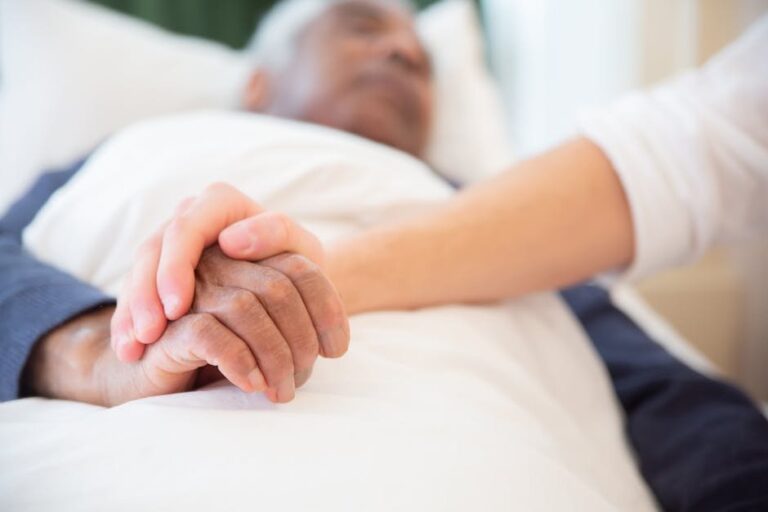
What is Hospice Care?
Hospice care is often misunderstood, but at its core, it’s a type of medical care that focuses on comfort and quality of life for individuals with terminal illnesses. Let’s take a closer look at what hospice care entails.
Eligibility Criteria
To be eligible for hospice care, a patient must have a terminal illness with a prognosis of six months or less. This means that their healthcare provider has determined that the patient’s condition is incurable and will likely lead to death. The most common diagnoses for hospice patients include cancer, heart disease, lung disease, and dementia.
Hospice care also requires caregiver involvement, typically from a family member or close friend who can provide emotional support and help with daily tasks. This could be as simple as preparing meals or managing medication schedules. Caregivers play a crucial role in helping hospice patients maintain their independence and dignity.
In addition to medical and social requirements, hospice care also emphasizes pain management and symptom control. Patients and caregivers work together with hospice providers to develop personalized plans that address specific needs and concerns. By focusing on comfort and quality of life rather than curative treatments, hospice care can provide a more supportive environment for patients in their final stages.
Benefits of Hospice Care
Receiving hospice care offers numerous benefits for individuals facing a terminal illness. One of the primary advantages is effective pain management. Hospice caregivers work closely with patients to develop personalized plans, often incorporating medication, physical therapy, and alternative methods like acupuncture or massage. This comprehensive approach helps alleviate discomfort and improve overall well-being.
In addition to managing physical symptoms, hospice care prioritizes emotional support and quality-of-life concerns. Trained professionals provide companionship, guidance, and counseling to patients and their families. They also help individuals connect with loved ones, engage in favorite activities, or explore spiritual pursuits that bring comfort.
Hospice care shifts the focus from curative treatments to symptom management and palliative care. This change can significantly improve a patient’s final months, allowing them to spend time with loved ones rather than undergoing invasive procedures or hospital stays. When seeking hospice care, it’s essential to find a provider that aligns with your needs and values.
Comparison to Traditional Medical Treatment
In traditional medical treatment, the primary focus is on curing a patient’s illness or condition. The goal is to alleviate symptoms and extend life as much as possible through aggressive treatments such as surgery, chemotherapy, and medication. In contrast, hospice care prioritizes comfort and quality of life over extending life.
Hospice care shifts its attention from treating an underlying disease to addressing the physical, emotional, and spiritual needs of a patient in their final stages. This approach is often misunderstood as “giving up” on treatment, but it’s actually about acknowledging that curative treatments are no longer effective or may cause more harm than good.
A key aspect of hospice care is its focus on symptom management. Patients receive palliative care to alleviate pain, anxiety, and shortness of breath, among other distressing symptoms. This allows them to spend their final days in comfort and dignity, surrounded by loved ones rather than tubes and beeping machines. By understanding the differences between traditional medical treatment and hospice care, families can make informed decisions about their loved one’s end-of-life care.
What is Nursing Home Care?
Nursing home care is a type of long-term care that provides assistance with daily living activities, while also offering medical and social support. It’s essential to understand what nursing home care entails before comparing it to hospice care.
Types of Nursing Homes
Nursing homes come in various forms to cater to different needs and preferences. One type is a skilled nursing facility (SNF), which provides intensive care for patients with serious health conditions, such as diabetes or heart disease. These facilities typically offer 24/7 medical attention and rehabilitation services like physical therapy.
Assisted living facilities are another common type of nursing home. They provide support with daily activities, like bathing and dressing, but may not offer the same level of medical care as SNFs. Residents usually live in private apartments or rooms and share common areas for meals and socialization.
Continuing care retirement communities (CCRCs) combine elements of both SNFs and assisted living facilities. They offer a range of services, from independent living to skilled nursing care, often on the same campus. This setup allows residents to transition seamlessly between levels of care as their needs change. CCRCs can be expensive but provide peace of mind for those who value having all their needs met in one place.
Levels of Care in Nursing Homes
Nursing homes offer a range of care levels to cater to residents’ diverse needs. Basic care assistance is available for individuals who require minimal support with daily activities such as bathing, dressing, and medication management. This level of care is often referred to as “personal care” or “assisted living.”
Rehabilitation services are another essential aspect of nursing home care. These services are designed to help residents regain mobility, strength, and independence after an injury, surgery, or illness. Physical, occupational, and speech therapy may be part of this level of care.
Specialized care is also provided for conditions like Alzheimer’s disease, dementia, and Parkinson’s disease. This type of care involves a deeper understanding of the condition and its effects on daily life. Staff members receive specialized training to provide compassionate support and create a safe environment for residents with these needs. Some nursing homes have dedicated units or facilities designed specifically for individuals with advanced cognitive impairments.
Pros and Cons of Nursing Home Living
Living in a nursing home can have both positive and negative aspects. One of the main advantages is the opportunity for social interaction with staff and other residents. This can be especially beneficial for people who are lonely or isolated, as they can build relationships and participate in communal activities. However, this increased socialization also means that some individuals may lose their independence, as they rely on others for daily care and support.
Medical support is another advantage of nursing home living. Trained staff are available to provide medical attention, administer medications, and assist with tasks such as bathing and dressing. This can be a significant relief for family members who were previously providing full-time care. However, some residents may feel that their autonomy is compromised by the need to follow a rigid daily routine and adhere to rules governing personal freedom.
Ultimately, whether or not living in a nursing home is beneficial depends on an individual’s specific needs and circumstances. It’s essential to weigh these pros and cons carefully before making a decision, considering factors such as one’s desire for independence, social interaction, and medical support.
Key Differences Between Hospice and Nursing Home Care
When deciding between hospice and nursing home care, it’s crucial to understand the key differences between these two types of care settings. We’ll break down the essential distinctions between them next.
Goals and Objectives
The primary goal of hospice care is to provide comfort and alleviate symptoms for individuals with terminal illnesses, allowing them to live their remaining days with dignity. In contrast, nursing home care focuses on rehabilitation and restoring patients’ physical and mental health.
Hospice care objectives are centered around quality of life, rather than curing the underlying condition. This includes managing pain, addressing emotional and spiritual needs, and supporting family members and caregivers. The goal is not to extend life but to enhance the patient’s experience during their final stages.
Nursing home care, on the other hand, aims to help patients recover from illnesses or injuries. Staff focus on physical therapy, medication management, and providing a safe environment for residents to regain strength and mobility. While some nursing homes offer palliative care, their primary objective remains rehabilitation.
It’s essential to understand these distinct goals when choosing between hospice and nursing home care. If the patient’s condition is stable but they require ongoing medical support, nursing home care might be suitable. However, if the focus shifts towards comfort and symptom management, hospice care may be a more fitting option.
Care Approaches and Services
In hospice care, a multidisciplinary team of healthcare professionals provides personalized support. This team typically includes doctors, nurses, social workers, chaplains, and volunteers who work together to address the patient’s medical, emotional, and spiritual needs. In contrast, nursing home care often involves a more traditional approach with a focus on maintaining independence and performing daily tasks.
Staffing in hospice settings is generally more flexible, allowing for around-the-clock support. Nurses and aides may visit patients regularly at home or in assisted living facilities, rather than requiring a 24/7 presence. This flexibility enables patients to receive care in the comfort of their own environment. In nursing homes, staff are typically on-site and available to address immediate needs.
Hospice care also tends to involve fewer equipment-related services compared to nursing home care. The focus is often more on emotional and spiritual support rather than extensive medical equipment. For example, hospice patients might receive oxygen therapy or pain management, but the goal is not to prolong life. Nursing homes, however, may offer a range of equipment-based services, such as physical therapy or rehabilitation programs.
Patient-Centric Focus
Hospice care takes a patient-centric approach by focusing on their preferences and values. This means that patients and their families are involved in making decisions about their care. For instance, if a patient has expressed a desire to spend their final days at home surrounded by loved ones, hospice care will work to make this possible. In contrast, nursing home care may prioritize meeting medical needs over personal preferences.
Nursing homes often have set routines and schedules that can be inflexible when it comes to accommodating individual patient requests. While some patients may adapt to the structured environment of a nursing home, others may feel constrained by the lack of autonomy. To illustrate this point, consider a patient who values independence but is required to participate in communal activities at mealtimes. A patient-centric approach, on the other hand, would allow for more flexibility and accommodation of personal preferences.
Ultimately, understanding the difference between hospice and nursing home care requires considering not just medical needs, but also the unique qualities and priorities of each individual. By prioritizing patient values and preferences, hospice care can provide a more personalized and supportive experience during life’s final stages.
Choosing Between Hospice and Nursing Home Care
If you’re trying to decide between hospice care for your loved one, understanding the differences is crucial. This section will help you weigh the pros and cons of each option.
Factors to Consider
When choosing between hospice and nursing home care for a loved one, several key factors come into play. The patient’s prognosis is a critical consideration – if their condition is terminal and they’re no longer seeking curative treatments, hospice may be the better choice. On the other hand, nursing homes often provide ongoing medical care and rehabilitation services for those with chronic conditions or injuries.
Another important factor is the support system in place. If family members are unable to provide regular care and supervision, a nursing home can offer additional assistance. In contrast, hospice patients typically require less hands-on care from family members, but more emotional and social support.
Personal goals also play a significant role in this decision. Patients with limited mobility or cognitive impairment may benefit from the 24/7 supervision and assistance offered by a nursing home. Those nearing the end of life, however, often prefer the comfort and dignity of staying at home with family and loved ones. By carefully evaluating these factors, patients and their families can make an informed decision that aligns with their unique needs and circumstances.
Evaluating Quality of Life
Assessing quality of life is a crucial aspect to consider when deciding between hospice and nursing home care. In hospice care, evaluating pain management involves monitoring for breakthrough pain episodes, managing chronic pain through medication adjustments, and ensuring that the patient’s symptoms are well-controlled. This can be done by tracking pain scores, administering pain medications as needed, and providing non-pharmacological interventions such as breathing exercises or massage therapy.
Emotional support is also essential in hospice care. Caregivers should assess the patient’s emotional needs by observing their behavior, mood, and communication patterns. They should provide emotional validation, listening to the patient’s concerns and fears, and connecting them with family members or spiritual leaders if desired. Social interaction is another vital aspect of quality of life. Hospice caregivers can facilitate phone calls or video chats with loved ones who are unable to visit in person.
In contrast, nursing home care may offer more structured social activities, but often at the expense of individualized attention and personalized care. When evaluating these two options, it’s essential to consider what matters most to the patient: independence, social interaction, or one-on-one emotional support.
Seeking Support and Resources
When seeking support and resources to make informed decisions about hospice or nursing home care, turn to organizations specializing in end-of-life care. The National Hospice and Palliative Care Organization (NHPCO) offers a wealth of information on their website, including FAQs, videos, and downloadable guides for patients and families. You can also contact local hospices directly for guidance and referrals.
Government agencies, such as the Medicare.gov website, provide detailed information on coverage options and care requirements for both hospice and nursing home care. For example, Medicare’s Hospice Benefits page explains eligibility criteria and what services are covered under hospice care. Additionally, the U.S. Department of Veterans Affairs offers resources specifically for veterans and their families navigating end-of-life care.
Non-profit organizations, like the Alzheimer’s Association and AARP, also offer support and resources for caregivers and patients with specific needs. Some hospitals and healthcare systems have patient advocacy programs or social work departments that can provide guidance and connect you with local resources. Don’t hesitate to reach out to these organizations for personalized assistance in making an informed decision about hospice or nursing home care.
Advanced Topics: Special Considerations
When making a decision between hospice and nursing home care, there are several special considerations to keep in mind as you weigh your options. These nuances can greatly impact your loved one’s quality of life.
End-of-Life Care in Nursing Homes
Managing end-of-life care in nursing homes can be particularly challenging. Staff may struggle to balance competing priorities, such as managing pain and addressing emotional needs, alongside providing basic care like bathing and feeding. This can lead to feelings of burnout among caregivers.
To address these challenges, some nursing homes have implemented specialized programs that focus on palliative care. These programs often include access to pain management specialists, counseling services for residents and their families, and support groups for staff members coping with the emotional demands of end-of-life care.
However, even with these resources in place, providing high-quality end-of-life care in a nursing home can be difficult. Residents may receive fragmented care from various staff members, leading to inconsistent pain management and inadequate emotional support. Families also often report feeling uninformed about their loved one’s condition and unprepared for the transition to end-of-life care.
In contrast, hospice programs offer a more integrated approach to end-of-life care, providing comprehensive services tailored to each patient’s unique needs under the care of a single team.
Hospice Care in the Home vs. Facility-Based
Receiving hospice care at home versus a facility-based setting has distinct advantages and disadvantages. One key consideration is cost: while hospice care at home can be less expensive, it also requires significant caregiver support, which may not always be available. In contrast, facility-based settings often provide around-the-clock care and assistance with daily tasks.
However, many patients prefer the comfort of their own homes during this time. With in-home hospice care, loved ones can more easily participate in caregiving activities and help create a familiar environment that promotes emotional well-being. Family members may also feel more involved in the patient’s final days when they receive care in their home.
Facility-based settings, on the other hand, offer respite for family caregivers who are overwhelmed by caregiving responsibilities. These environments often have trained staff available 24/7 to address medical needs and provide emotional support to patients and their loved ones. Ultimately, choosing between hospice at home versus a facility-based setting depends on individual circumstances, priorities, and preferences.
Navigating Insurance Coverage for Hospice Care
Insurance coverage plays a significant role in determining access to hospice care. For those enrolled in government programs like Medicare and Medicaid, hospice care is typically covered with minimal out-of-pocket costs. Medicare Part A, for instance, covers 100% of hospice care expenses, including medications, equipment, and supplies, after a doctor certifies that the patient has six months or less to live. Medicaid coverage also varies by state, but most states cover at least basic hospice services.
Private insurance plans often have different requirements and coverage limits. Some may require a specific copayment or coinsurance for hospice care, while others might place restrictions on the type of equipment or services provided. Additionally, many private insurers have more restrictive eligibility criteria than government programs, which can delay access to care.
Out-of-pocket costs are also an essential consideration when navigating insurance coverage for hospice care. Even with coverage, patients may still be responsible for copays, coinsurance, and other expenses not fully reimbursed by their insurance provider. It’s essential for families to review their policy details carefully and understand what expenses they’ll need to cover when seeking hospice care.
Frequently Asked Questions
Can I receive hospice care in a nursing home?
Yes, it’s possible to receive hospice care in a nursing home, but the focus would shift from rehabilitative care to comfort-focused care. The nursing home would need to be certified for hospice care and the patient would need to meet the eligibility criteria for hospice.
How do I know if my loved one is eligible for hospice care at home?
Eligibility for hospice care at home depends on a terminal illness diagnosis, prognosis of six months or less, and caregiver involvement. Consult with a healthcare professional to assess your loved one’s condition and discuss the possibility of receiving hospice care in the comfort of their own home.
Can I receive both hospice care and nursing home care simultaneously?
In some cases, patients may be eligible for both hospice care and nursing home care, but this would require careful coordination between the hospice provider and the nursing home. The primary focus would remain on comfort-focused care, with additional support from the nursing home staff.
How do I navigate the complex insurance coverage for hospice care?
Yes, there are government programs like Medicare and Medicaid that cover hospice care, as well as some private insurance plans. Out-of-pocket costs may also be an option. Consult with a healthcare professional or insurance expert to understand your specific situation and options for covering the costs of hospice care.
What if my loved one’s condition improves while receiving hospice care in a nursing home?
If your loved one’s condition improves, they may no longer meet the eligibility criteria for hospice care. In this scenario, it would be necessary to reassess their needs and transition back to traditional medical treatment or another type of care that better meets their requirements.