
As we age, our healthcare needs often change. For seniors facing life-limiting illnesses, navigating the complexities of end-of-life care can be overwhelming. Two types of care options are often confused with one another: hospice and palliative care. While both provide comfort and relief to those in need, they serve distinct purposes and offer different benefits. In this article, we’ll explore the key differences between hospice and palliative care for seniors. We’ll delve into eligibility requirements, the unique benefits of each approach, and how they can be used individually or together to ensure a dignified and comfortable end-of-life experience. By understanding these options, you’ll be better equipped to make informed decisions about your loved one’s care, prioritizing their quality of life and well-being above all else.
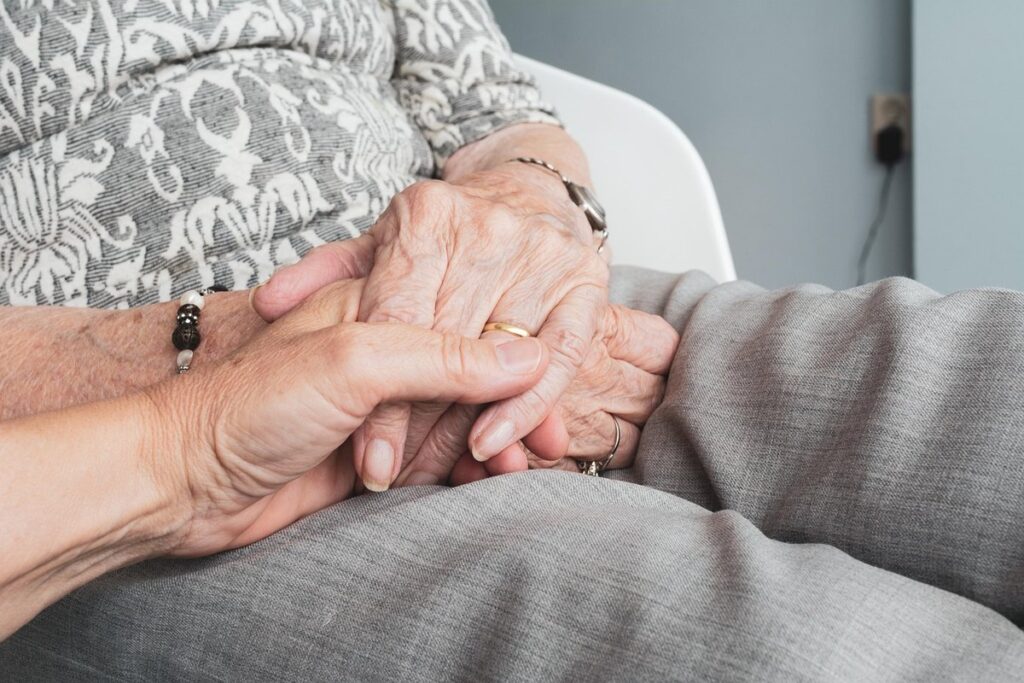
Understanding the Basics of End-of-Life Care
Let’s break down what end-of-life care entails, including the difference between curative and palliative treatments for seniors. We’ll explore these crucial basics together.
What is End-of-Life Care?
End-of-life care is a vital aspect of medical treatment that focuses on providing comfort, relief, and dignity to individuals nearing the end of their lives. It’s essential to understand what end-of-life care entails, its importance, and how it differs from other types of medical care.
When an individual receives a terminal diagnosis or is experiencing significant decline in health, end-of-life care takes over. This type of care prioritizes quality of life over curative treatments, focusing on managing symptoms, pain, and stress. It’s not about giving up hope but rather acknowledging the natural progression of life and providing support to make the remaining time as comfortable as possible.
End-of-life care is distinct from other types of medical care in its approach and goals. Unlike curative treatment that aims to cure or reverse a condition, end-of-life care concentrates on creating a peaceful environment for the individual to spend their final days. This may involve hospice care at home, in a facility, or in a nursing home setting. By choosing end-of-life care, families can ensure their loved ones receive compassionate and dignified support during this critical period.
Types of End-of-Life Care Options
When exploring end-of-life care options for a loved one, it’s essential to understand the various types of care available. Hospice care is often misunderstood as only being an option when a patient has six months or less to live. However, this isn’t entirely accurate. Hospice care can be accessed at any point in a person’s terminal illness, with the primary goal of providing comfort and alleviating pain.
Other options include palliative care, which focuses on symptom management and improving quality of life for patients with serious illnesses. Comfort care is also available, often provided by family caregivers or through home healthcare services. In addition to these, respite care offers temporary relief for caregivers, while geriatric care managers can help navigate the complex process of end-of-life planning.
Ultimately, it’s crucial to research and discuss each option with a healthcare provider to determine which type of care best suits your loved one’s needs. By understanding the different types of end-of-life care available, you can make informed decisions about their future and provide them with the dignity and comfort they deserve.
Hospice Care: A Comfort-Focused Approach
When it comes to end-of-life care, hospice care offers a unique approach that prioritizes comfort and quality of life. We’ll explore what this means for seniors and their loved ones in more detail.
Eligibility for Hospice Care
To be eligible for hospice care, patients must have a terminal illness with a life expectancy of six months or less. However, this diagnosis is not solely based on the patient’s medical history and current health status. A thorough discussion between the patient, their family members or caregivers, and their physician plays a crucial role in determining eligibility.
During these discussions, the focus shifts from curative treatments to comfort-focused care. The doctor will assess the patient’s overall well-being, weighing the benefits of hospice care against any remaining treatment options. If the patient has exhausted all other medical avenues or is no longer responding to treatment, hospice care becomes a viable option.
For example, a patient with stage IV cancer may be considered for hospice care if their disease has progressed beyond curative treatments. In such cases, the doctor will work closely with the patient and family members to determine the best course of action, ensuring that all needs are met while maintaining comfort and dignity.
The Benefits of Hospice Care
When it comes to hospice care, one of the most significant benefits is its focus on pain management. Hospice caregivers are trained to provide effective and compassionate pain relief, ensuring that seniors experience minimal discomfort. Medications and alternative therapies such as acupuncture or massage can be used to alleviate physical pain.
In addition to managing physical pain, hospice care also addresses emotional needs. Trained volunteers and social workers provide emotional support, companionship, and spiritual counseling to help seniors cope with the end-of-life process. This comprehensive approach helps families navigate this challenging time while promoting a sense of calm and peace.
The focus on quality of life is another key benefit of hospice care. By prioritizing comfort and dignity, hospices enable seniors to live their final days with purpose and meaning. Families can spend precious time with loved ones, creating lasting memories and cherishing moments together. This support also extends to caregivers, providing them with guidance, resources, and emotional support during a difficult period.
The Role of Hospice in the Final Stages of Life
As we near the end of life, hospice care plays a vital role in ensuring comfort and dignity. Typically provided when a senior’s medical team determines that life expectancy is six months or less, hospice care shifts the focus from curative treatments to symptom management and quality-of-life improvements.
The impact on patients can be profound. Hospice care teams, including doctors, nurses, social workers, and volunteers, work together to create personalized plans addressing physical, emotional, and spiritual needs. This holistic approach helps manage pain, alleviate symptoms, and enhance the patient’s ability to engage in meaningful activities.
For families, hospice care provides invaluable support during this challenging time. Hospice teams educate family members on caring for their loved one at home, offer counseling services, and help with practical tasks such as grocery shopping or light housekeeping. By addressing both physical and emotional needs, hospice care enables patients to live life to the fullest in their final stages.
Palliative Care: A Holistic Approach to Pain Management
When it comes to managing pain and improving quality of life, palliative care offers a holistic approach that complements medical treatment. We’ll explore this compassionate approach in more detail below.
What is Palliative Care?
Palliative care is often misunderstood as being synonymous with hospice care, but it’s actually a distinct approach that focuses on alleviating symptoms and improving quality of life for patients facing serious illnesses. The primary goal of palliative care is to enhance the patient’s comfort and well-being, rather than to cure their underlying condition.
When you or your loved one receives palliative care, you can expect a multidisciplinary team to work together to develop a personalized care plan that addresses your unique needs and concerns. This team typically includes doctors, nurses, social workers, and other healthcare professionals who collaborate to provide holistic support.
Palliative care places a strong emphasis on symptom management, which may involve pain control, breathlessness relief, or addressing nausea and fatigue. By managing these symptoms effectively, patients can maintain their independence and engage in activities that bring them joy, even when living with a serious illness.
The Differences Between Hospice and Palliative Care
When it comes to end-of-life care, two terms often come up: hospice and palliative care. While they share some similarities, there are significant differences between the two.
Eligibility requirements are one key area where hospice and palliative care diverge. Hospice care is typically reserved for those with a terminal prognosis, usually six months or less, whereas palliative care can be accessed at any stage of a serious illness. For example, if a senior has been diagnosed with advanced cancer but is still receiving treatment to prolong their life, they might be eligible for palliative care to manage symptoms and improve quality of life.
Treatment goals also differ between the two types of care. Hospice care focuses on comfort and pain management rather than curing or prolonging life. In contrast, palliative care aims to alleviate suffering while continuing with curative treatments. This means that seniors receiving palliative care may still receive treatment for their underlying condition, whereas hospice care prioritizes symptom control above all else.
Care settings also vary between hospice and palliative care. Hospice care is usually provided in the patient’s home or a dedicated hospice facility, while palliative care can be delivered in various settings, including hospitals, clinics, or even at home. Ultimately, understanding these differences will help seniors and their families make informed decisions about the type of care that best suits their needs.
Benefits of Palliative Care for Seniors
Palliative care offers numerous benefits to seniors with serious illnesses, significantly improving their quality of life. At its core, palliative care is designed to alleviate the physical, emotional, and spiritual distress associated with chronic conditions like cancer, heart disease, or Alzheimer’s. By managing symptoms effectively, such as pain, shortness of breath, and nausea, palliative care enables seniors to maintain a better sense of comfort and well-being.
In addition to symptom management, palliative care also enhances the overall quality of life for seniors. This can be achieved through various means, including:
• Creating personalized care plans that address individual needs and goals
• Encouraging open communication between healthcare providers, family members, and patients
• Fostering a supportive environment that prioritizes emotional and spiritual well-being
Moreover, palliative care focuses on improving end-of-life experiences. By providing guidance on advance directives, hospice eligibility, and the transition process, seniors and their families can make informed decisions about their future care. With palliative care, seniors can live more comfortably, maintain dignity, and focus on meaningful relationships and activities that bring joy to their lives.
Choosing Between Hospice and Palliative Care
When faced with a terminal diagnosis, deciding between hospice and palliative care can be a daunting task for seniors and their loved ones. This section will help you navigate these options.
Factors to Consider When Making a Decision
When deciding between hospice and palliative care, there are several factors to consider. The first is the patient’s medical condition and prognosis. If a doctor has given a terminal diagnosis with a short life expectancy, typically six months or less, hospice care may be more suitable. On the other hand, if the patient has a chronic illness but can still engage in daily activities, palliative care might be a better fit.
Personal values also play a significant role in this decision. For example, some patients and families prioritize comfort and pain management above all else, making hospice care a natural choice. Others may focus on maintaining independence and quality of life, which can be achieved through palliative care.
It’s essential to consider the patient’s goals and preferences as well. Ask yourself: What are their priorities? Do they want to minimize hospital visits or maintain their current level of care? By weighing these factors, patients and families can make an informed decision that aligns with their unique needs and values.
How to Discuss End-of-Life Care with Your Doctor
When discussing end-of-life care with your doctor, it’s essential to be prepared and ask the right questions. Start by scheduling a dedicated appointment with your primary care physician or a specialist, such as a palliative care team member. Before the meeting, jot down any concerns, symptoms, or experiences you’d like to discuss.
Begin the conversation by asking about treatment goals and options for managing pain, nausea, and other symptoms associated with your condition. Some questions to consider include:
* What are my prognosis and life expectancy?
* Are there any treatments available that could extend my lifespan?
* How can we manage my symptoms to improve quality of life?
* What kind of support will I receive if I choose hospice care?
Don’t be afraid to share your fears, anxieties, or values with your doctor. They want to understand what matters most to you and tailor your care accordingly. By being open and honest, you can ensure that your end-of-life care aligns with your wishes and priorities.
Care Settings for Hospice and Palliative Care
When considering hospice and palliative care, understanding your options is crucial. This section will help you navigate the various settings in which these care types are provided.
Home-Based Care: An Overview
When it comes to end-of-life care, many seniors and their families prefer the comfort and familiarity of their own home. Home-based hospice and palliative care offer numerous benefits that can greatly improve a patient’s quality of life.
For instance, receiving care at home allows patients to maintain their independence and routine as much as possible. This can be especially important for those with dementia or Alzheimer’s disease, who may become disoriented in unfamiliar environments. Home-based care also reduces hospitalizations, which can be distressing and even lead to complications. In fact, studies have shown that hospice care at home can reduce hospital readmissions by up to 40%.
In addition to improved physical comfort, home-based care provides emotional support for both patients and their loved ones. A team of caregivers, including nurses, social workers, and volunteers, work together to provide a comprehensive approach to care. This support network can help families feel more confident in their ability to care for their loved one, reducing feelings of anxiety and overwhelm. By receiving care at home, seniors can receive the attention they need while still maintaining their sense of dignity and autonomy.
Inpatient Facilities: What to Expect
When it comes to hospice and palliative care, some patients may require short-term hospitalization for symptom management, treatment of complications, or a temporary break from home care. Inpatient facilities play a vital role in providing this level of support. These specialized units within hospitals or freestanding facilities are equipped to handle the complex needs of patients with advanced illnesses.
The advantages of inpatient facilities include around-the-clock medical care, access to advanced treatments and therapies, and the ability to address acute issues that may arise. Additionally, inpatient facilities can provide a temporary respite for caregivers, allowing them to recharge and continue caring for their loved ones. For example, a patient with pneumonia or another acute illness may benefit from the intensive care offered by an inpatient facility.
However, inpatient stays are typically short-term, lasting only a few days or weeks, depending on the individual’s needs. Families should be prepared for the possibility of readmission if symptoms persist or worsen after discharge. It’s essential to discuss the benefits and limitations of inpatient facilities with your healthcare team to determine the best course of care for your loved one.
Managing Emotional and Spiritual Needs
When a loved one is nearing the end of life, it’s essential to address not just their physical needs, but also their emotional and spiritual ones. This section will explore ways to provide comfort and support during this challenging time.
Supporting Patients and Families Emotionally
As caregivers navigate the complex journey of end-of-life care with their loved ones, it’s essential to prioritize emotional support and well-being. Providing a nurturing environment can significantly impact the quality of life for patients and families during this challenging time.
Counseling services are an excellent resource to offer emotional support. Trained therapists or social workers can help individuals cope with grief, anxiety, and depression related to terminal illnesses. For example, hospice care often includes access to counseling services that can be conducted in-person, over the phone, or online, ensuring comfort and convenience.
Support groups also play a vital role in providing emotional support. They offer a safe space for patients and families to share their experiences, connect with others who have gone through similar situations, and receive guidance from trained facilitators. Consider organizing regular family meetings or encouraging participation in local support groups to foster connections and open communication.
When supporting patients emotionally, remember that every individual’s experience is unique. Be patient, understanding, and empathetic as you navigate this journey together.
Addressing Spiritual Concerns
When it comes to end-of-life care, addressing spiritual concerns is just as crucial as managing physical and emotional needs. Many seniors find comfort in their faith, traditions, and personal values during this challenging time. Addressing these spiritual concerns can bring peace of mind, reassurance, and a sense of closure.
Practicing faith-based rituals, such as prayer or meditation, can provide a sense of connection to something greater than oneself. For instance, many hospices offer chaplain services that cater to diverse faiths and traditions. These spiritual support teams can help patients and their loved ones explore their spiritual needs and preferences.
Rituals like visiting sacred sites, listening to soothing music, or being surrounded by cherished mementos can also be meaningful ways to connect with one’s spirituality. It’s essential for caregivers and healthcare providers to acknowledge the importance of these practices and incorporate them into care plans whenever possible.
Some practical tips include:
* Asking patients about their spiritual preferences and values
* Inviting chaplains or spiritual support teams to facilitate discussions and rituals
* Creating a peaceful environment with meaningful objects, music, or nature sounds
By acknowledging and addressing spiritual concerns, we can provide more holistic care that supports the whole person – body, mind, and spirit.
Conclusion
As you’ve learned throughout this guide, hospice and palliative care are two distinct forms of supportive care for seniors living with serious illnesses. While they share some similarities, it’s essential to understand their differences to make informed decisions about your loved one’s care. Ultimately, the choice between hospice and palliative care depends on your senior’s specific needs, goals, and circumstances. It’s crucial to have open and honest conversations with your healthcare team and consider consulting with a geriatric care manager or social worker for guidance.
Remember, both types of care can provide significant relief from symptoms, improve quality of life, and offer emotional support. By exploring the options available and advocating for your senior’s needs, you can make the best decision possible. Take the time to discuss their wishes, values, and priorities with them, and involve family members or caregivers in these conversations as well.
Frequently Asked Questions
What should I expect during a hospice care assessment?
A hospice care assessment is typically conducted by a healthcare professional to determine if you or your loved one meets the eligibility criteria for hospice care. This assessment usually takes place in the comfort of your own home and can last anywhere from 30 minutes to several hours, depending on individual needs. The goal of this assessment is to identify any potential barriers to receiving hospice care, such as lack of medical support or inadequate insurance coverage.
Can I still receive palliative care if I’m not eligible for hospice?
Yes! Palliative care can be provided to individuals with life-limiting illnesses regardless of their eligibility for hospice care. In fact, many people benefit from both types of care simultaneously, receiving comfort-focused treatments while working to manage and stabilize their condition.
How do I know which type of care is right for my loved one?
Choosing between hospice and palliative care can be a difficult decision, especially when your loved one has complex needs. Consider consulting with their healthcare provider or a social worker to discuss the unique benefits of each approach and how they might intersect. You may also want to explore in-home assessments or informational sessions to get a better sense of what works best for your family.
What are some common misconceptions about hospice care?
One common misconception is that hospice care means giving up on treatment options altogether. However, many people choose hospice care precisely because it offers a holistic approach to pain management and symptom relief – often alongside other medical treatments. It’s essential to understand the differences between curative and palliative goals in order to make an informed decision about your loved one’s care.
Can I receive both hospice and palliative care simultaneously, or do they conflict with each other?
No, hospice and palliative care can be used together, and often are. In fact, many organizations offer integrated models of care that combine elements of both approaches to address the unique needs of individuals at various stages of their illness. This may involve receiving symptom management from a palliative care team while also benefiting from comprehensive support services offered through hospice care.