
Helping elderly individuals maintain their independence is crucial, especially when mobility issues arise. You may have noticed that your loved ones are struggling to perform everyday tasks due to limited mobility, or perhaps you’re concerned about a family member who’s been experiencing difficulties with walking or getting around the house. Assessing their specific needs and implementing assistive devices can make a significant difference in their quality of life. However, it’s equally important to promote physical activity and encourage them to stay active, despite any challenges they may face. This article will guide you through creating a personalized care plan tailored to their unique requirements, including assessing mobility needs, introducing assistive tools, and fostering a safe environment that supports their independence.
Understanding Mobility Issues in the Elderly
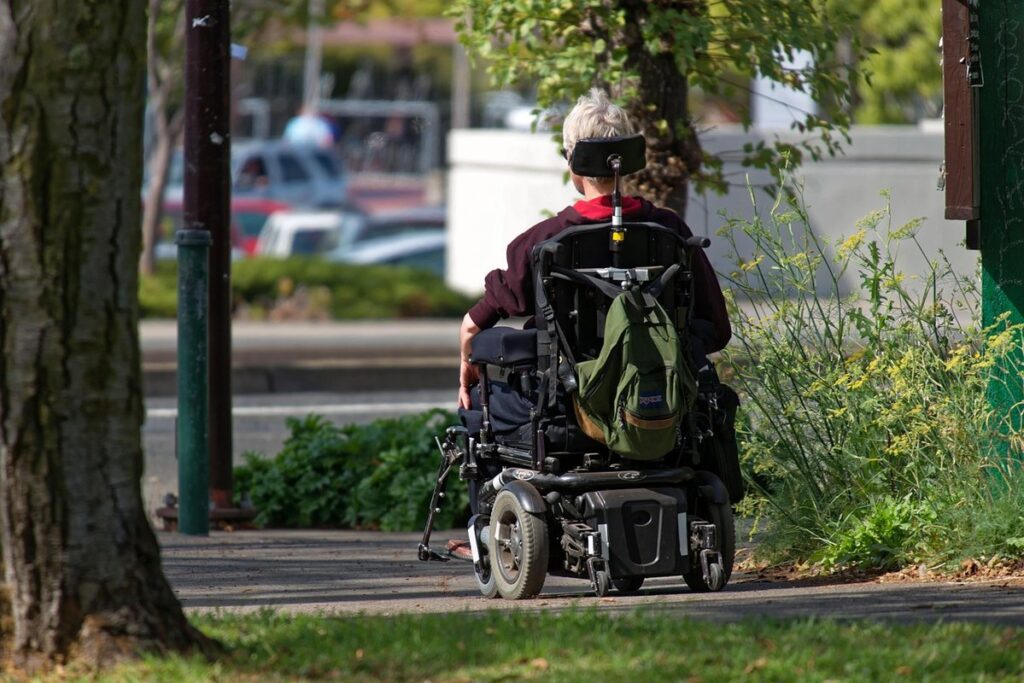
Elderly individuals often face unique mobility challenges that require understanding and support, such as decreased strength and flexibility. This includes common obstacles like arthritis and balance issues.
Common Causes of Mobility Issues
Mobility issues in seniors can arise from a variety of medical conditions. Osteoarthritis and rheumatoid arthritis are common culprits, causing pain and stiffness in joints that impede mobility. Furthermore, chronic conditions such as heart failure and diabetes can lead to fatigue and shortness of breath, making it difficult for individuals to perform daily tasks. In some cases, mobility issues may be the result of a fall or other accident that has left the individual with lingering physical limitations.
Lifestyle factors also play a significant role in contributing to mobility issues among seniors. For instance, poor nutrition can weaken muscles and bones, while sedentary behavior can accelerate decline. In addition, certain medications can have side effects such as dizziness or lightheadedness that affect mobility. To mitigate these risks, caregivers should ensure their loved ones are receiving regular check-ups with a healthcare provider, engaging in gentle exercise routines, and maintaining a balanced diet rich in essential nutrients.
Identifying Signs and Symptoms of Mobility Decline
Mobility decline can manifest through distinct changes in behavior, physical appearance, and abilities. One of the most noticeable signs is a reluctance to engage in activities they once enjoyed. For instance, an elderly individual who previously loved gardening may suddenly show little interest or struggle to maintain their garden. This lack of motivation or enthusiasm can be indicative of underlying mobility issues.
Physical changes, such as a decrease in muscle mass or loss of balance, are also common indicators of declining mobility. A noticeable change in posture, where the person slouches or leans on furniture for support, may suggest difficulties with walking or standing. Similarly, an increase in reliance on assistive devices like canes, walkers, or wheelchairs can be a clear sign that their mobility is compromised.
Changes in abilities are often more subtle but equally telling. For example, an elderly individual who previously cooked meals independently might start asking for help with simple tasks like preparing breakfast. Alternatively, they may struggle to complete everyday activities like taking a shower or getting dressed without assistance. These changes can be indicative of declining strength, flexibility, or balance, and should prompt further assessment and support.
Assessing the Elderly Person’s Needs
Understanding the individual’s specific mobility challenges is crucial before developing a support plan. This involves assessing their physical limitations and personal preferences to create an effective assistance strategy.
Conducting a Home Safety Assessment
When conducting a home safety assessment for an elderly individual with mobility issues, it’s essential to identify potential hazards and mitigate risks to prevent falls and injuries. Start by inspecting the home’s layout and identifying tripping hazards such as throw rugs, cords, or clutter.
Check the flooring for smooth transitions between rooms and uneven surfaces that could cause slips or stumbles. Bathrooms are a particular concern, so ensure grab bars are securely attached near toilets and showers, and consider installing non-slip mats in these areas. Kitchen counters and stairs should also be assessed for clear paths and adequate handrails.
In addition to physical hazards, assess the individual’s personal mobility equipment, such as walkers or wheelchairs, to ensure proper fit and maintenance. This may involve adjusting the chair height or replacing worn tires. Make a note of any changes that need to be made during the assessment, so they can be implemented in a timely manner.
Evaluating the Individual’s Physical Abilities
When evaluating an elderly person’s physical abilities, it’s essential to assess their balance, strength, and range of motion. A simple test of balance can be conducted by having them stand on one foot or perform a tandem walk. Observing how they maintain their posture and correct themselves is crucial. For strength assessment, you can ask them to lift their arms above their head, stand up from a seated position, or perform light exercises like arm raises.
Range of motion should also be evaluated, paying attention to any stiffness or limited mobility in joints. This can be done by gently moving their limbs through various ranges of motion while observing for any signs of pain or discomfort. Additionally, it’s vital to note any assistive devices they may use, such as walkers or canes, and how effectively they utilize them. A healthcare professional can help with these assessments, providing more detailed evaluations and guidance on individualized plans to improve mobility.
Developing a Personalized Care Plan
To create an effective care plan, it’s essential to tailor your approach to meet the unique needs and preferences of each elderly individual, taking into account their specific mobility challenges. This section provides guidance on how to develop a personalized care strategy.
Setting Goals and Priorities
Setting realistic goals and priorities is crucial for improving mobility in elderly individuals. It helps to focus efforts on achievable outcomes, which boosts motivation and reduces frustration. For instance, if an elderly person has difficulty walking short distances, setting a goal of increasing their daily steps by 10% may be more attainable than aiming for a full hour of walking.
To set realistic goals, consider the individual’s medical history, physical capabilities, and lifestyle. Consult with healthcare professionals to understand any limitations or potential risks associated with specific activities. Prioritize tasks that promote mobility, such as balance exercises, strength training, and range-of-motion stretches.
When prioritizing goals, categorize them based on importance and urgency. Focus on essential daily tasks like bathing, dressing, and toileting before pursuing more ambitious mobility goals. Break down larger objectives into smaller, manageable steps to avoid feeling overwhelmed. This incremental approach fosters a sense of accomplishment and builds confidence in the individual’s ability to improve their mobility. Regularly reviewing and adjusting goals ensures they remain relevant and achievable throughout the care plan.
Involving Healthcare Professionals in Care Planning
Healthcare professionals play a crucial role in developing and implementing care plans tailored to individual needs. They bring valuable expertise, including knowledge of medications, medical conditions, and mobility aids. When involving healthcare providers, start by sharing the individual’s current situation, goals, and challenges. This information will help them understand the person’s unique needs and develop targeted recommendations.
In practice, this might involve a home visit to assess the living environment and identify potential safety hazards. Healthcare professionals can also provide guidance on medication management, exercise routines, and assistive devices that can improve mobility. They may work with occupational therapists to recommend adaptive equipment or modifications to the home.
When developing care plans, consider consulting with specialists, such as physiotherapists or geriatricians, who have experience working with elderly individuals. Their input can help ensure that the plan is comprehensive and effective. For example, a physiotherapist might suggest exercises to improve balance and strength, while a geriatrician could provide guidance on fall prevention strategies. By integrating healthcare professionals’ expertise into care planning, you can create a more effective support system for elderly individuals with mobility issues.
Implementing Assistive Devices and Equipment
When helping elderly individuals with mobility issues, assistive devices and equipment play a crucial role in promoting independence and comfort. Effective implementation of these tools requires careful consideration of each person’s unique needs.
Types of Mobility Aids Available
Walkers are a popular mobility aid for elderly individuals, providing support and balance while walking. They come in different styles, including folding walkers, which can be easily stored away when not in use. Walkers with seats or baskets attached offer additional functionality, allowing users to rest or carry small items.
Canes are another common assistive device, offering a more lightweight alternative to walkers. Quad canes, for example, provide extra stability and support for individuals with balance issues. Adjustable canes enable users to customize the height, ensuring proper posture and reduced strain on joints.
Wheelchairs cater to those with more significant mobility limitations, providing transportation and independence. Manual wheelchairs require physical effort from the user or caregiver, while power wheelchairs offer greater convenience and ease of use.
Scooters, often confused with motorized wheelchairs, are actually a distinct type of mobility aid. They typically feature three wheels and are designed for indoor use, offering users a means to traverse large spaces with minimal effort. When selecting a scooter or wheelchair, consider the individual’s lifestyle, living situation, and personal preferences to ensure the chosen device meets their specific needs.
Adapting the Home Environment for Better Mobility
Making modifications to the home environment is a crucial step in improving mobility and safety for elderly individuals. Installing grab bars in strategic locations, such as near toilets and showers, can provide essential support and prevent falls. These bars should be securely anchored to walls to ensure they can withstand the weight of the individual.
Ramps are another important feature that can greatly enhance accessibility. They allow seniors with mobility issues to easily navigate between rooms or levels without having to climb stairs. When installing ramps, consider factors such as slope angle, material, and handrail placement to ensure a safe and stable path.
In addition to grab bars and ramps, other modifications can be made to improve home safety. For example, non-slip flooring in high-traffic areas can help prevent slips and falls, while raised toilet seats or shower chairs can provide necessary support for seniors with mobility issues. When implementing these changes, consult with a healthcare professional or occupational therapist to determine the most effective solutions for the individual’s specific needs.
Encouraging Physical Activity and Exercise
Regular physical activity can greatly benefit elderly individuals with mobility issues, improving overall health and well-being. This is particularly true when approached in a gentle and supportive manner.
Benefits of Regular Exercise for Elderly Individuals
Regular physical activity is essential for elderly individuals to maintain mobility, strength, and overall health. Exercise helps prevent muscle loss and bone density decline, reducing the risk of falls and fractures. For example, studies have shown that walking programs can improve balance and reduce fall rates among seniors.
A well-designed exercise program should incorporate a mix of aerobic activities, such as brisk walking or swimming, to improve cardiovascular health, and strength training exercises to maintain muscle mass. Resistance band exercises are often recommended for elderly individuals with mobility issues, as they require minimal equipment and can be done while seated.
In addition to physical benefits, regular exercise has also been shown to have a positive impact on mental health in seniors. Exercise stimulates the release of endorphins, which can help alleviate symptoms of anxiety and depression. For instance, many retirement communities offer group fitness classes specifically designed for elderly individuals with mobility issues, promoting social interaction while staying active.
Consulting with a healthcare professional is essential when developing an exercise plan tailored to an individual’s needs and abilities. They will be able to recommend safe and effective exercises that can help maintain or even improve mobility in seniors.
Suggesting Low-Impact Exercises Suitable for Seniors
When it comes to low-impact exercises for seniors, many options are available. Yoga is an excellent choice due to its adaptability and emphasis on balance and flexibility. Modifications can be made to accommodate limited mobility or strength. Swimming is another effective option as it reduces joint stress while improving cardiovascular health.
For those who prefer land-based activities, tai chi is a low-impact exercise that improves balance and coordination without excessive strain on joints. It’s often practiced at a slow pace, allowing participants to focus on proper technique. Tai chi can be adapted for various fitness levels by adjusting the intensity and duration of practice sessions.
Consider consulting with a healthcare professional or fitness instructor experienced in working with seniors before introducing new exercises. They can help tailor a routine that meets individual needs while minimizing risks. Ultimately, low-impact exercises such as yoga, swimming, or tai chi offer gentle yet beneficial ways to improve mobility and overall well-being for elderly individuals with mobility issues.
Monitoring Progress and Adjusting the Care Plan
As you work to support your elderly loved one, it’s essential to regularly assess their progress and make adjustments to their care plan as needed. This ongoing evaluation helps ensure they’re receiving the right level of care.
Tracking Progress and Identifying Challenges
Monitoring progress and identifying potential setbacks are crucial aspects of adjusting the care plan for elderly individuals with mobility issues. Regular assessments and evaluations can help you track their physical and emotional status, enabling you to make informed decisions about the care plan.
These assessments should ideally be carried out by a multidisciplinary team, including healthcare professionals, caregivers, and family members. They should focus on specific areas such as pain management, mobility, and functional ability. For instance, gait analysis can help identify potential fall risks or areas where assistance is required.
When evaluating progress, it’s also essential to consider the individual’s emotional well-being. This might involve monitoring their mood, anxiety levels, and any signs of depression. By doing so, you can anticipate and address potential setbacks before they escalate. For example, if an elderly person is showing increased anxiety due to a recent fall, you may need to adjust their care plan by providing additional support or therapy sessions.
By regularly tracking progress and identifying challenges early on, you can make timely adjustments to the care plan, ensuring that it remains effective in supporting the individual’s needs.
Continuously Evaluating and Improving the Care Plan
As an individual’s mobility issues evolve, their care plan must adapt to ensure they receive the most effective support. Ongoing assessment and revision are essential components of a well-crafted care plan. This involves regularly monitoring progress, addressing new challenges, and refining strategies to maximize independence.
Caregivers should anticipate changes in an individual’s needs based on factors such as medication adjustments, weight fluctuations, or recovery from illness. For instance, if an elderly person with arthritis experiences increased pain after a recent medication change, their care plan may require adjustments to accommodate this shift. This might involve reassessing exercise routines, modifying assistive device use, or implementing new pain management strategies.
To facilitate effective revisions, caregivers should maintain open lines of communication with healthcare professionals and the individual themselves. Regular progress updates allow for informed decisions about necessary changes and help prevent unforeseen setbacks. By prioritizing continuous evaluation and improvement, caregivers can ensure their care plan remains responsive to an elderly person’s evolving needs and supports them in achieving optimal mobility and well-being.
Frequently Asked Questions
How Often Should We Review and Update the Care Plan for an Elderly Individual?
When updating the care plan, it’s essential to regularly review the individual’s progress every 3-6 months. This ensures that any changes in their needs or abilities are addressed promptly, and the care plan remains tailored to their specific requirements.
What if the Elderly Person Resists Using Assistive Devices; How Can We Encourage Them?
Resistance to assistive devices can be common among elderly individuals who value independence. It’s crucial to involve them in the selection process, allowing them to choose devices that they feel comfortable with and that align with their lifestyle. Educating them about the benefits of these devices, such as improved safety or reduced risk of injury, can also help.
What are Some Low-Cost Alternatives for Modifying the Home Environment, Given Budget Constraints?
On a limited budget, there are several low-cost modifications that can significantly improve home accessibility and safety. For example, installing grab bars, using non-slip mats in bathtubs or showers, or rearranging furniture to create clear pathways are all affordable solutions.
Can We Use Technology to Monitor the Elderly Person’s Safety and Mobility Remotely?
Yes, technology plays a vital role in enhancing elderly care by providing remote monitoring options. Devices such as wearable sensors, smart speakers with fall detection capabilities, and home health monitors can be used to track vital signs, detect falls, or receive alerts when the individual requires assistance.
How Do We Balance Encouraging Physical Activity with Avoiding Overexertion for an Elderly Individual?
It’s crucial to strike a balance between encouraging physical activity and preventing overexertion. This involves starting slowly with gentle exercises tailored to their abilities, gradually increasing intensity as they progress. Regular health check-ups can help monitor their condition and adjust the exercise plan accordingly.