
Hypertension is a silent killer that affects millions of older adults worldwide. As we age, our risk of developing high blood pressure increases significantly, making it essential to understand its prevalence and risk factors in this population. If you’re an aging parent or caregiver for a loved one, you may be wondering what signs to look out for and how to manage hypertension effectively.
In this article, we’ll explore the world of hypertension in older adults, including its symptoms, treatment options, and lifestyle changes that can help manage high blood pressure naturally. We’ll also delve into medication options and discuss the importance of regular check-ups with a healthcare provider. Whether you’re looking for ways to support your aging loved ones or seeking guidance on managing your own hypertension, this article aims to provide you with practical knowledge and peace of mind.
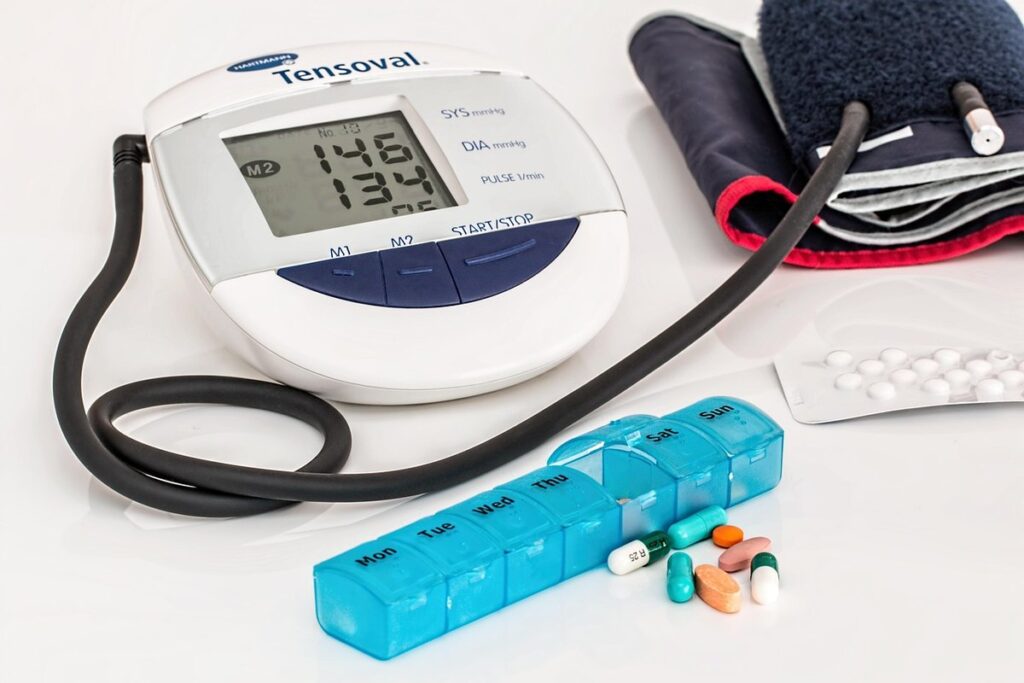
Understanding Hypertension in Elderly
As we explore hypertension in elderly, it’s essential to understand that age-related changes can affect blood pressure regulation, leading to higher risks of complications.
In this section, we’ll break down these key changes and how they impact elderly individuals with high blood pressure.
Prevalence and Impact of Hypertension on Older Adults
As we age, our risk of developing hypertension increases significantly. According to the American Heart Association, nearly 70% of adults aged 60 and older have high blood pressure, with many not even aware they have it. This staggering statistic is a concern for healthcare providers and individuals alike.
Hypertension in elderly individuals can have a substantial impact on their quality of life. It can lead to cognitive decline, memory loss, and an increased risk of dementia. Furthermore, hypertension is a major contributor to cardiovascular disease, stroke, and kidney disease, all of which are prevalent among older adults. In fact, the Centers for Disease Control and Prevention (CDC) report that heart disease is the leading cause of death in people over 65.
As we age, our bodies undergo natural changes that can affect blood pressure regulation. Age-related decline in physical activity, weight gain, and certain medications can all contribute to high blood pressure. Managing hypertension requires a comprehensive approach, including regular exercise, healthy eating, stress reduction, and medication adherence, if prescribed. By understanding the risks associated with hypertension and taking proactive steps to manage it, older adults can reduce their likelihood of developing comorbidities and maintain an overall healthier quality of life.
Risk Factors for Developing Hypertension in Older Age
As we age, our bodies undergo natural physical changes that can increase the risk of developing hypertension. One of the primary risk factors is age-related weight gain, particularly around the midsection. This excess fat can lead to insulin resistance and metabolic syndrome, both of which are closely linked to high blood pressure.
Lifestyle factors also play a significant role in the development of hypertension in older adults. Physical inactivity, for instance, can contribute to weight gain, while smoking and excessive alcohol consumption can damage blood vessels and increase blood pressure. Additionally, certain dietary habits, such as consuming high amounts of sodium and saturated fats, can elevate blood pressure levels.
Underlying health conditions are another major risk factor for hypertension in older age. Conditions like kidney disease, sleep apnea, and thyroid disorders can all contribute to high blood pressure. It’s essential for older adults to discuss their individual risk factors with their healthcare provider and develop a plan to manage them effectively.
Causes and Contributing Factors of Hypertension in Elderly
Hypertension in older adults can be caused by a combination of age-related changes, lifestyle factors, and underlying health conditions that we’ll explore further. Let’s take a closer look at what contributes to high blood pressure as you age.
Age-Related Physical Changes and Their Effect on Blood Pressure Regulation
As we age, our bodies undergo various physical changes that can impact blood pressure regulation. One of the primary effects is a decrease in the elasticity of blood vessels, making them stiffer and less able to relax and dilate. This decreased flexibility can lead to increased peripheral resistance, which in turn raises blood pressure.
Think of it like a garden hose: when you’re younger, the hose is flexible and can easily adjust to changes in water flow. But as the years pass, the hose becomes stiff and rigid, making it harder for the water (blood) to flow through. This increased resistance puts more pressure on your heart, leading to higher blood pressure.
Additionally, age-related physical changes can also lead to increased blood vessel constriction, further contributing to elevated blood pressure. This constriction can be exacerbated by factors such as lack of exercise, poor diet, and smoking. As we age, it’s essential to be mindful of these physical changes and take proactive steps to maintain a healthy lifestyle, including regular physical activity, a balanced diet, and stress management techniques.
Lifestyle Factors and Behaviors That Contribute to Hypertension Development
Lifestyle factors play a significant role in contributing to hypertension development in elderly individuals. A diet high in sodium, sugar, and saturated fats can increase blood pressure levels. The American Heart Association recommends limiting daily sodium intake to less than 2,300 milligrams for older adults.
Regular physical activity is also crucial in managing blood pressure. Studies have shown that engaging in at least 150 minutes of moderate-intensity aerobic exercise or 75 minutes of vigorous-intensity aerobic exercise per week can help lower blood pressure levels. However, many elderly individuals struggle to maintain a regular exercise routine due to mobility issues or chronic health conditions.
Smoking and excessive alcohol consumption are also significant contributors to hypertension development in older adults. Smoking can damage the inner lining of blood vessels, making them less flexible and increasing blood pressure levels. Excessive alcohol consumption can lead to increased sodium retention, further exacerbating high blood pressure.
To mitigate these risks, it’s essential for elderly individuals to make healthy lifestyle choices. This includes adopting a balanced diet, engaging in regular physical activity, quitting smoking if applicable, and limiting alcohol consumption to moderate levels.
Symptoms and Complications of Uncontrolled Hypertension in Elderly
If your elderly loved one has uncontrolled hypertension, it’s essential to recognize the warning signs and potential complications that can arise from this condition. These symptoms often worsen over time if left untreated.
Recognizing the Signs and Symptoms of Untreated Hypertension
Untreated hypertension can manifest itself in various ways, often masquerading as common age-related symptoms. It’s crucial for seniors and their caregivers to be aware of the subtle yet significant signs that may indicate uncontrolled blood pressure.
Headaches are a frequent complaint among elderly individuals with untreated hypertension. These headaches can range from mild to severe and may be accompanied by dizziness or lightheadedness, making everyday activities challenging. Vision changes, including blurred vision, double vision, or even loss of peripheral vision, can also occur due to high blood pressure.
Other symptoms may include shortness of breath during physical activity, fatigue, palpitations, or swelling in the legs and ankles. These symptoms often develop gradually over time, allowing hypertension to remain undetected until complications arise. Monitoring for these warning signs is vital for early detection and treatment, reducing the risk of cardiovascular disease, kidney damage, and other serious health consequences.
Keep a close eye on your loved ones for any unusual changes in their behavior or physical well-being, and consult with a healthcare professional if you suspect untreated hypertension. Early intervention can significantly improve outcomes and overall quality of life.
Long-Term Complications of Untreated Hypertension: Organ Damage and Disease Progression
Untreated hypertension can lead to devastating consequences for older adults. The constant strain on vital organs and systems can cause irreparable damage over time. For instance, high blood pressure can weaken the heart muscle, leading to reduced pumping efficiency. This increased workload can eventually result in heart failure, a life-threatening condition characterized by the heart’s inability to meet its own metabolic demands.
The kidneys are also severely affected by untreated hypertension. Prolonged exposure to elevated blood pressure can damage the delicate blood vessels within these vital organs, reducing their ability to filter waste products from the bloodstream. This can lead to kidney disease or even kidney failure, requiring costly and invasive interventions like dialysis or transplantation.
Similarly, uncontrolled high blood pressure can cause damage to the brain’s small blood vessels, leading to cognitive impairment, memory loss, and an increased risk of dementia. It’s essential for older adults to work closely with their healthcare providers to manage their hypertension effectively and prevent these long-term complications.
Diagnosing and Monitoring Hypertension in Elderly Patients
When it comes to diagnosing hypertension in elderly patients, it’s essential to consider their unique physiological changes and potential comorbidities that can impact blood pressure readings. Accurate diagnosis is crucial for effective treatment.
Clinical Evaluation and Diagnostic Tests for Hypertension
When evaluating elderly patients for hypertension, a comprehensive clinical evaluation is essential to confirm a diagnosis and rule out other underlying conditions. This process begins with a thorough medical history, where the patient’s doctor will ask questions about their past medical conditions, medications, lifestyle, and family medical history. The doctor will also conduct a physical examination, paying close attention to signs of cardiovascular disease, such as an irregular heartbeat or swelling in the legs.
Diagnostic tests are then used to confirm the presence of hypertension. These may include blood pressure monitoring, which involves taking multiple readings at different times to ensure accurate results. Additional tests may be ordered to assess organ damage and determine the patient’s risk level for complications. For example, a urinalysis can check for signs of kidney damage, while an electrocardiogram (ECG) can identify any irregular heart rhythms.
A comprehensive diagnostic approach helps ensure that elderly patients receive an accurate diagnosis and targeted treatment.
Importance of Regular Blood Pressure Monitoring and Follow-Up Care
Regular blood pressure monitoring is crucial for managing hypertension among elderly patients. As people age, their bodies undergo natural changes that can lead to increased blood pressure, making regular check-ups essential. The American Heart Association recommends checking blood pressure at least twice a week, ideally using a home blood pressure monitor.
However, simply monitoring blood pressure isn’t enough; follow-up care is equally important. This involves working closely with healthcare providers to adjust medication and make lifestyle changes as needed. For instance, if an elderly patient’s blood pressure remains high despite taking medication, their doctor may recommend increasing the dosage or switching to a different type of medication.
Moreover, regular check-ups also allow for the identification of potential complications associated with hypertension, such as kidney disease or heart failure. By staying on top of blood pressure management and follow-up care, elderly patients can significantly reduce their risk of developing these conditions. It’s essential for caregivers and family members to support regular monitoring and follow-up appointments to ensure the best possible outcomes.
Treatment Options for Hypertension in Elderly: Lifestyle Changes and Medications
When it comes to managing hypertension, lifestyle changes and medications can be a vital part of your treatment plan. This section will explore what you need to know about these options.
Non-Pharmacological Interventions for Blood Pressure Management
Lifestyle modifications play a vital role in managing hypertension, particularly among elderly individuals. A well-planned diet is essential to regulate blood pressure. The DASH (Dietary Approaches to Stop Hypertension) diet is an effective eating plan that emphasizes whole grains, fruits, and vegetables, while limiting sodium intake. Elderly individuals should aim for 2-3 servings of low-fat dairy products per day.
Regular physical activity also helps manage hypertension by improving cardiovascular health and reducing stress levels. The American Heart Association recommends at least 150 minutes of moderate-intensity aerobic exercise or 75 minutes of vigorous-intensity aerobic exercise per week. This can include brisk walking, swimming, or cycling. Elderly individuals should consult their doctor before starting any new exercise routine.
Stress management is another crucial aspect of hypertension control. Yoga and meditation can help reduce stress levels by promoting relaxation and reducing blood pressure. Quitting smoking is also essential, as it not only reduces the risk of cardiovascular disease but also improves overall health. With a combination of dietary changes, physical activity, and stress management techniques, elderly individuals can effectively manage their blood pressure without relying on medications alone.
Pharmacological Interventions for Hypertension Treatment in Elderly Patients
When it comes to treating hypertension in elderly patients, pharmacological interventions play a crucial role. The goal of treatment is not only to lower blood pressure but also to minimize potential side effects and interactions with other medications.
Several classes of antihypertensive medications are commonly used to treat hypertension in older adults, including diuretics, beta blockers, calcium channel blockers, ACE inhibitors, and ARBs. Diuretics, such as hydrochlorothiazide (HCTZ), are often the first-line treatment due to their effectiveness in lowering blood pressure and reducing fluid overload.
However, older adults with multiple comorbidities or polypharmacy require special consideration when choosing antihypertensive medications. For instance, beta blockers may be contraindicated in patients with bronchospastic disease, while ACE inhibitors can exacerbate renal impairment in some cases. It’s essential for healthcare providers to carefully weigh the benefits and risks of each medication and monitor for potential side effects.
Additionally, many older adults are at risk for adverse interactions between antihypertensive medications and other prescription or over-the-counter medications they may be taking. Therefore, it’s crucial to regularly review and adjust medication regimens as needed to minimize the risk of adverse effects.
Conclusion: Effective Management and Prevention of Hypertension in Elderly Individuals
In conclusion, managing hypertension in elderly individuals requires a multifaceted approach that incorporates lifestyle modifications, medication management, and regular monitoring. By addressing the root causes of high blood pressure, such as stress, lack of physical activity, and poor diet, older adults can take proactive steps to prevent or mitigate its onset. For instance, incorporating stress-reducing activities like yoga or meditation into daily routines can help alleviate hypertension-related stress. Additionally, engaging in regular physical activity, eating a balanced diet rich in fruits, vegetables, and whole grains, and maintaining a healthy weight can also contribute significantly to lowering blood pressure.
To further prevent hypertension in elderly individuals, it is essential for caregivers and healthcare providers to remain vigilant and proactive in monitoring their patients’ health. Regular check-ups with a primary care physician, along with routine blood pressure screenings, can help detect potential issues early on. By working together with medical professionals and making informed lifestyle choices, older adults can effectively manage hypertension and lead healthier, more fulfilling lives.
Frequently Asked Questions
What are the best ways to communicate hypertension management plans with elderly loved ones who may have difficulty understanding complex medical information?
It’s essential to use clear, simple language when discussing hypertension management plans with elderly loved ones. Consider creating a written plan or using visual aids like charts or diagrams to help them understand their treatment and lifestyle changes. Also, encourage open communication by asking about their concerns and involving them in the decision-making process.
Can medication be the only solution for managing hypertension in older adults, or are there other non-pharmacological interventions that can be effective?
While medication is often necessary for managing hypertension, it’s not the only solution. Non-pharmacological interventions like lifestyle changes (e.g., regular exercise, stress reduction, and healthy diet) and alternative therapies (e.g., acupuncture or meditation) can also be effective in managing blood pressure. It’s essential to work with a healthcare provider to determine the best approach for individual needs.
How often should caregivers check their elderly loved ones’ blood pressure at home, and what are some common mistakes to avoid when monitoring hypertension?
Caregivers should check their elderly loved ones’ blood pressure regularly, ideally twice a day. When monitoring hypertension at home, it’s essential to use a reliable blood pressure monitor and follow proper technique to ensure accurate readings. Common mistakes to avoid include not resting for 5 minutes before taking a reading or not using the correct cuff size.
What are some common long-term complications of untreated hypertension in older adults, and how can they be prevented?
Untreated hypertension can lead to serious long-term complications like kidney disease, heart failure, and stroke. These complications can often be prevented with proper management and treatment. Encourage regular check-ups with a healthcare provider, adhere to medication regimens, and maintain a healthy lifestyle to reduce the risk of these complications.
Can older adults with underlying medical conditions (e.g., diabetes or kidney disease) safely take blood pressure-lowering medications?
While some blood pressure-lowering medications can interact with certain underlying medical conditions, many are safe for older adults with comorbidities. It’s essential to consult a healthcare provider before starting any new medication, as they will assess individual risks and benefits and adjust treatment plans accordingly.