
Hypertension is a silent threat to senior health, often developing gradually over time without noticeable symptoms. As we age, our blood pressure tends to rise, increasing the risk of heart disease, stroke, and kidney damage. If left unmanaged, hypertension can have devastating consequences for seniors’ quality of life and independence. But the good news is that with proper treatment and lifestyle changes, it’s possible to bring high blood pressure under control.
This article will guide you through identifying, treating, and managing hypertension in seniors. We’ll explore the importance of monitoring blood pressure at home, as well as strategies for medication management and adopting a healthy lifestyle. By the end of this article, you’ll have a better understanding of how to help your loved one or manage your own high blood pressure effectively, ensuring a healthier and more secure future.
Prevalence and Risk Factors of Hypertension in Seniors
Hypertension is a growing concern among seniors, and understanding its prevalence and risk factors can help you identify your own susceptibility. We’ll break down the statistics and common causes to watch out for.
Age-Related Changes Contributing to Hypertension
As we age, our bodies undergo natural changes that can affect blood pressure regulation. One key change is the decline in nitric oxide production. Nitric oxide plays a crucial role in relaxing and dilating blood vessels, allowing for smooth blood flow. As production decreases with age, blood vessels become stiffer, making it harder for them to expand and accommodate increasing blood pressure.
Another factor contributing to hypertension in seniors is increased fluid retention. With age, our kidneys’ ability to filter waste and excess fluids from the body slows down. This can lead to a buildup of salt and water in the bloodstream, causing blood volume to increase and blood pressure to rise.
In addition, kidney function itself undergoes significant changes with aging. The kidneys produce hormones that regulate blood pressure, but as we age, these hormone levels decrease. As a result, seniors may experience high blood pressure due to decreased kidney function. It’s essential for seniors to work closely with their healthcare providers to manage these age-related changes and develop strategies to maintain healthy blood pressure levels.
Lifestyle Factors Exacerbating Hypertension in Older Adults
As we delve into the prevalence of hypertension among seniors, it’s essential to examine the lifestyle factors that exacerbate this condition. Physical inactivity is a significant contributor to high blood pressure in older adults. A study published in the Journal of Aging Research found that regular physical activity can reduce systolic blood pressure by 3-4 mmHg and diastolic blood pressure by 2-3 mmHg. However, many seniors lead sedentary lifestyles, with a staggering 73% of those over 65 reporting little to no exercise.
Poor diet is another lifestyle factor that significantly impacts hypertension risk in seniors. Consuming high-sodium foods, sugary drinks, and processed meats can raise blood pressure levels. A Mediterranean-style diet rich in fruits, vegetables, whole grains, and healthy fats has been shown to have a positive impact on blood pressure control. Smoking also plays a significant role, with smokers having a 20-30% higher risk of developing hypertension.
By incorporating regular physical activity, adopting a balanced diet, and quitting smoking, seniors can take proactive steps in managing their hypertension risk.
Underlying Medical Conditions Associated with Hypertension in Seniors
When we talk about hypertension in seniors, it’s essential to consider the underlying medical conditions that can contribute to its development. For instance, diabetes is a well-known risk factor for high blood pressure. In fact, studies have shown that nearly 75% of people with diabetes also have hypertension (1). This is because diabetes and hypertension share common underlying causes, such as insulin resistance and inflammation.
Another condition closely linked to hypertension in seniors is sleep apnea. Research suggests that individuals with obstructive sleep apnea are more likely to develop high blood pressure due to the increased stress on their cardiovascular system during periods of low oxygen levels (2). Additionally, kidney disease, which affects approximately 30% of older adults, can also contribute to hypertension as the kidneys play a crucial role in regulating blood pressure.
It’s essential for seniors and their caregivers to be aware of these underlying conditions and how they may impact blood pressure. If you or a loved one is living with any of these conditions, it’s critical to work closely with your healthcare provider to manage them effectively. By doing so, you can significantly reduce the risk of developing hypertension and related complications.
Symptoms and Complications of Untreated Hypertension in Seniors
If left untreated, hypertension can lead to serious health issues, including heart failure, kidney damage, and vision loss in seniors. Understanding these symptoms is crucial for timely medical intervention.
Unrecognizable Warning Signs of Hypertension in Older Adults
As we age, hypertension can manifest itself in unexpected ways, making it challenging for seniors and their caregivers to identify the warning signs. The subtlety of these symptoms often leads to delayed diagnosis and treatment, increasing the risk of complications.
In older adults, high blood pressure may present with non-traditional symptoms such as dizziness or lightheadedness upon standing up quickly, rather than the typical feeling of pressure in the chest. Additionally, some seniors might experience cognitive impairment or confusion, which can be mistaken for dementia or Alzheimer’s disease.
Other unrecognizable warning signs include fatigue, shortness of breath during daily activities, and swollen legs or ankles. In some cases, hypertension can cause a person to feel cold even in warm temperatures, or to have numbness or tingling sensations in their hands and feet. If you suspect that your loved one is experiencing any of these symptoms, consult with their healthcare provider for proper evaluation and diagnosis. Early detection and treatment are crucial in managing high blood pressure and preventing long-term damage.
Increased Risk of Cardiovascular Disease and Stroke
Untreated hypertension in seniors significantly increases their risk of cardiovascular events. One of the most critical risks is heart attack, which can occur when high blood pressure damages the coronary arteries, reducing blood flow to the heart muscle. According to the American Heart Association, high blood pressure is a leading cause of heart attacks and strokes.
Another severe complication of untreated hypertension in seniors is stroke, which occurs when high blood pressure causes a blood vessel in the brain to rupture or become blocked. This can lead to permanent damage or even death. Peripheral artery disease (PAD) is also a risk, characterized by narrowing or blockage of the arteries in the legs, feet, and hands.
In fact, studies have shown that seniors with uncontrolled hypertension are 4-6 times more likely to experience a stroke compared to those with controlled blood pressure. Furthermore, PAD increases the risk of heart attack and kidney disease. If you’re a senior managing hypertension, it’s essential to work closely with your healthcare provider to maintain optimal blood pressure levels and reduce these risks.
Other Complications of Untreated Hypertension in Seniors
Untreated hypertension can lead to a range of complications that affect various aspects of a senior’s life. Kidney damage is one such complication that can occur when high blood pressure puts strain on the kidneys, which filter waste from the blood. This can result in decreased kidney function and even kidney failure over time.
In addition to kidney damage, vision loss is also a common consequence of untreated hypertension. High blood pressure can cause blood vessels in the eyes to become damaged, leading to vision impairment or even blindness. According to the American Heart Association, people with high blood pressure are at increased risk of developing age-related macular degeneration and cataracts.
Another significant complication of untreated hypertension is cognitive decline. Research has shown that high blood pressure can lead to changes in brain structure and function, increasing the risk of dementia and Alzheimer’s disease. Studies have found that seniors who have had high blood pressure for an extended period are more likely to experience memory loss, confusion, and difficulty with daily tasks.
If you’re a senior living with untreated hypertension, it’s essential to discuss these potential complications with your healthcare provider and take steps to manage your condition through lifestyle changes and medication. Regular monitoring of your blood pressure, maintaining a healthy diet, exercising regularly, and getting adequate sleep can all help mitigate the risks associated with high blood pressure.
Diagnosis and Treatment Options for Hypertension in Seniors
When it comes to managing hypertension, understanding your diagnosis and treatment options is crucial for effective care. This section will guide you through the diagnostic process and available treatments tailored to seniors’ needs.
Non-Invasive Diagnostic Tests for Hypertension in Older Adults
Measuring blood pressure accurately is crucial for diagnosing hypertension in older adults. Ambulatory monitoring and home blood pressure monitoring are two non-invasive diagnostic tests that help healthcare professionals assess blood pressure fluctuations throughout the day.
Ambulatory monitoring involves wearing a small device on the arm or waist that records blood pressure readings at regular intervals, typically over 24 hours. This method provides a more comprehensive understanding of blood pressure patterns, including how they change in response to daily activities and sleep. For instance, studies have shown that ambulatory monitoring can detect masked hypertension – when blood pressure is elevated during everyday life but normal in medical settings.
Home blood pressure monitoring allows individuals to track their blood pressure regularly using a personal device. This method is convenient and helps patients become more involved in managing their condition. By comparing home readings with office measurements, healthcare providers can identify potential discrepancies and make informed treatment decisions.
Both ambulatory and home monitoring methods help reduce the risk of over- or under-diagnosis, ensuring that older adults receive accurate hypertension diagnoses and effective care.
Medication Management Strategies for Seniors with Hypertension
When it comes to managing hypertension in seniors, medication management plays a crucial role. However, every individual is unique, and what works for one person may not work for another. To effectively manage blood pressure, medications such as diuretics, beta-blockers, and ACE inhibitors must be tailored to individual patient needs.
For instance, if a senior has kidney disease or heart failure, their doctor may prescribe a combination of diuretics and ACE inhibitors. Diuretics help the kidneys remove excess fluid from the body, while ACE inhibitors relax blood vessels and reduce blood pressure. On the other hand, beta-blockers can be prescribed for seniors who have had a heart attack or are at high risk of one.
The key to successful medication management is regular monitoring and adjustment. Regular check-ups with the doctor will allow them to adjust medication dosages as needed, based on factors such as age, overall health, and potential side effects. This personalized approach ensures that the senior’s blood pressure remains under control while minimizing the risk of adverse reactions.
In addition to adjusting medication, healthcare providers can also explore alternative treatment options such as lifestyle changes, including a healthy diet, regular exercise, and stress management techniques like yoga or meditation.
Lifestyle Interventions for Managing Hypertension in Older Adults
Lifestyle interventions play a crucial role in managing hypertension in older adults. A well-balanced diet is essential to maintaining healthy blood pressure levels. Focus on consuming foods rich in potassium, fiber, and omega-3 fatty acids, such as leafy greens, fruits, whole grains, and fatty fish like salmon. Limit intake of sodium and sugary drinks.
Regular physical activity also helps lower blood pressure by improving cardiovascular health. Aim for at least 150 minutes of moderate-intensity exercise or 75 minutes of vigorous-intensity exercise per week. Activities like brisk walking, swimming, and cycling are great options for seniors. Incorporating strength training exercises two to three times a week can also help maintain muscle mass.
Effective stress management is equally important in controlling hypertension. Engage in relaxation techniques such as deep breathing, meditation, or yoga to reduce stress levels. Additionally, prioritize sleep hygiene by maintaining a consistent sleep schedule and creating a bedtime routine that promotes relaxation.
By incorporating these lifestyle changes into daily routines, older adults can effectively manage their hypertension and reduce the risk of associated complications. It’s essential to consult with healthcare professionals before starting any new diet or exercise program to determine the best approach for individual needs.
Management Strategies for Specific Senior Populations
Managing hypertension in seniors requires tailored approaches, which is why we’ll explore management strategies specifically designed for older adults with unique health profiles and needs.
Hypertension in Seniors with Cognitive Impairment or Dementia
Managing hypertension in seniors with cognitive impairments presents unique challenges. These individuals often have difficulty adhering to medication regimens and may require additional support to maintain healthy lifestyle habits. Moreover, the early stages of dementia can mask symptoms of hypertension, making it essential for caregivers to be vigilant about monitoring blood pressure.
Cognitive impairment can lead to confusion and disorientation, causing seniors to forget or misinterpret instructions related to their treatment plan. To overcome this, healthcare providers should consider involving family members or caregivers in medication management. This might include setting reminders, tracking medication intake, and ensuring regular follow-up appointments.
Caregivers play a critical role in supporting seniors with cognitive impairments, but they also require guidance on managing hypertension effectively. A comprehensive care plan that includes clear communication and coordination between healthcare providers is essential for successful hypertension management. By working together with caregivers, families can help ensure their loved ones receive the necessary support to maintain optimal blood pressure levels despite cognitive impairment.
Hypertension in Seniors with Chronic Kidney Disease
Managing hypertension is particularly crucial for seniors with chronic kidney disease (CKD), as high blood pressure can accelerate kidney damage and worsen existing health conditions. In fact, studies have shown that individuals with CKD are at a higher risk of developing end-stage renal disease (ESRD) if their blood pressure remains uncontrolled.
To slow down disease progression and reduce complications, it’s essential to achieve and maintain optimal blood pressure levels in seniors with CKD. This can be achieved through lifestyle modifications, such as regular physical activity, stress reduction techniques like meditation or yoga, and a balanced diet rich in fruits, vegetables, and whole grains. Additionally, medication adherence is critical; working closely with healthcare providers to adjust treatment plans as needed can help ensure effective blood pressure management.
Aiming for a systolic blood pressure below 130 mmHg and diastolic below 80 mmHg can significantly reduce the risk of cardiovascular events and slow kidney disease progression. By making informed lifestyle choices and adhering to medication regimens, seniors with CKD can take proactive steps towards managing their hypertension and improving overall health outcomes.
Preventing and Managing Hypertension-Related Complications in Seniors
As we’ve discussed the risks of hypertension in seniors, it’s essential to focus on preventing and managing complications that can arise from uncontrolled blood pressure. This section will explore practical ways to mitigate these risks effectively.
Monitoring and Managing Blood Pressure at Home
Monitoring blood pressure at home is an essential aspect of managing hypertension-related complications in seniors. The American Heart Association recommends that adults aged 40 and older monitor their blood pressure regularly to track changes over time.
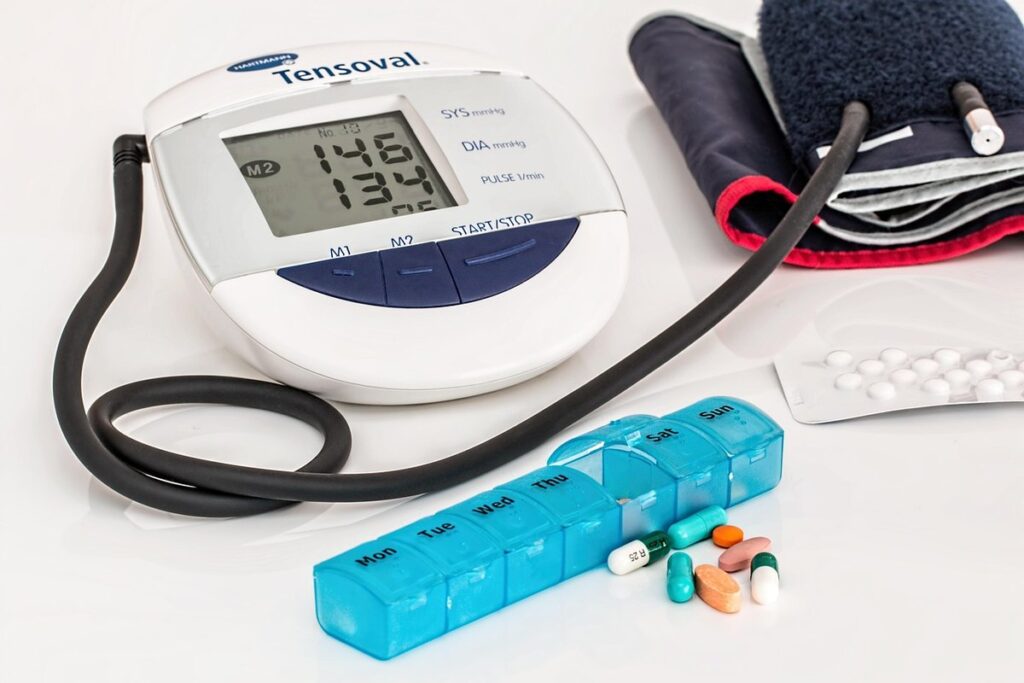
To do this, you’ll need a blood pressure monitor that’s specifically designed for home use. These devices are usually accurate and easy to operate. Take your blood pressure reading twice a day, morning and evening, when you’re relaxed and sitting comfortably in a chair with your back supported. Make sure your arm is at heart level and not crossed over your body.
When recording your readings, include the date, time, and any medications you’ve taken recently. This information will be helpful when communicating with your healthcare provider. Be sure to discuss any concerns or changes in your blood pressure readings with them during your next appointment. By taking an active role in monitoring and managing your blood pressure at home, you’ll be better equipped to work with your healthcare team to prevent complications associated with hypertension.
Strategies for Reducing Medication Non-Adherence
Clear communication with healthcare providers is crucial for seniors managing hypertension. It’s essential to discuss any medication concerns or side effects openly. Simplifying complex medication regimens can also improve adherence. For instance, combining medications into a single daily dose can reduce pill burden and make it easier for seniors to remember their regimen.
Patient education plays a vital role in medication adherence. Seniors need to understand the importance of taking their medications as prescribed and how it impacts their overall health. This can be achieved through counseling sessions or educational materials that cater specifically to seniors’ needs. Moreover, encouraging patients to ask questions and providing them with contact information for follow-up support can help alleviate concerns.
In addition to these strategies, healthcare providers should also consider the social determinants of health when developing medication plans. For example, seniors living in isolation may require more frequent medication reminders or assistance with pill management. By taking a holistic approach to care, healthcare providers can empower seniors to manage their hypertension effectively and maintain their overall well-being.
Conclusion: Prioritizing Hypertension Management in Seniors
In conclusion, managing hypertension is crucial for seniors due to its potential impact on overall health and quality of life. By prioritizing blood pressure management, seniors can reduce their risk of developing cardiovascular disease, stroke, and other complications. To effectively manage hypertension, it’s essential to work closely with a healthcare provider to establish a treatment plan that takes into account the individual’s unique needs and medical history. Regular monitoring, lifestyle modifications such as a balanced diet and regular exercise, and adherence to medication regimens can all contribute to successful blood pressure management. By taking proactive steps to manage hypertension, seniors can enjoy better health outcomes and maintain their independence for years to come.
Frequently Asked Questions
Can I monitor my blood pressure at home without medical training?
You can use a blood pressure monitoring device, but it’s recommended to consult with your healthcare provider or a certified nurse practitioner for proper training and guidance on accurate measurements.
How often should I check my blood pressure at home if I’m taking medication for hypertension?
It’s essential to follow the specific instructions provided by your healthcare provider regarding frequency and timing of home blood pressure checks. Typically, it’s recommended to monitor your blood pressure daily or as directed by your healthcare provider.
What if I experience side effects from hypertension medication? Can I adjust my dosage or switch medications on my own?
No, you should not adjust your medication dosage or switch medications without consulting with your healthcare provider. They will help you manage any potential side effects and make necessary adjustments to ensure effective treatment of your hypertension.
Are there specific foods that can help lower blood pressure in seniors?
Yes, incorporating foods rich in potassium, such as leafy greens (spinach, kale), fruits (bananas, citrus fruits), and low-fat dairy products, into your diet may help support healthy blood pressure. Also, limiting sodium intake and reducing overall sugar consumption can also contribute to better blood pressure management.
What if I have difficulty adhering to my medication regimen due to cognitive impairment or dementia? Are there alternative strategies?
Yes, there are alternative strategies for managing hypertension in seniors with cognitive impairment or dementia. Consult with your healthcare provider about potential solutions, such as pill boxes, reminders, or even using a caregiver to assist with medication management.