
As you age, maintaining your independence becomes increasingly important. Not only does it allow you to live life on your own terms, but research also shows that engaging in independent living activities can significantly boost physical and mental health in seniors. In fact, studies have demonstrated that participation in such activities can reduce loneliness, enhance social connections, and even slow down cognitive decline. However, many seniors face obstacles when trying to incorporate these activities into their daily routines, whether it’s due to mobility issues, lack of motivation, or simply not knowing where to start. This article aims to provide guidance on choosing the right independent living activities for your needs, overcoming common challenges, and sustaining participation over time, ultimately helping you stay engaged, active, and fulfilled as you age.
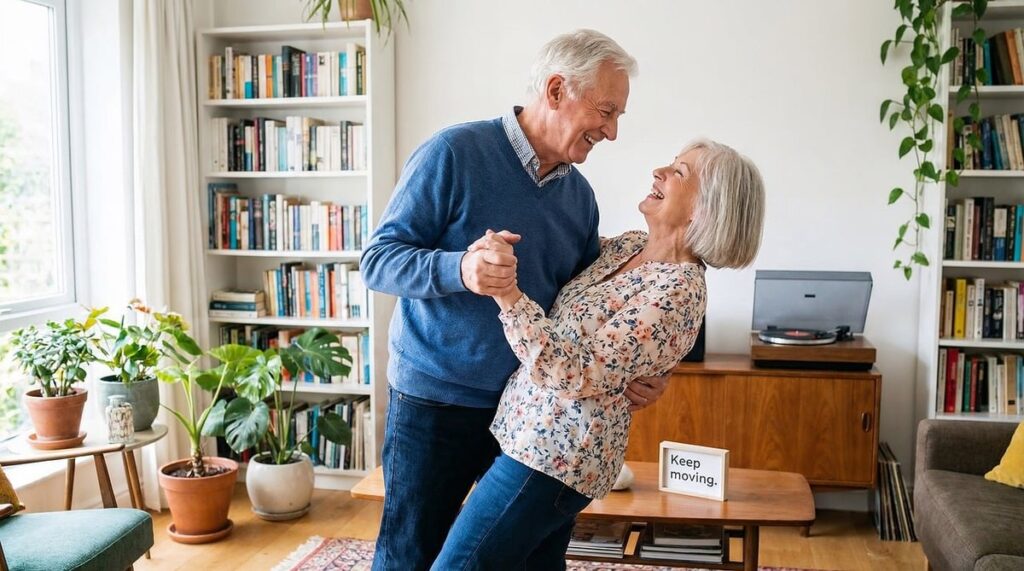
Benefits of Independent Living Activities for Seniors
Engaging in independent living activities can bring numerous benefits to seniors, from improved mental health to increased social connections and a sense of purpose. We’ll explore these advantages in more detail below.
Physical Health Benefits
Regular physical activity through independent living activities can significantly reduce the risk of falls among seniors. This is because exercise helps maintain muscle strength and balance, allowing older adults to navigate their surroundings with greater ease. For instance, engaging in tai chi or qigong classes can improve balance and coordination, reducing the likelihood of falls.
In addition to fall prevention, independent living activities also promote improved mobility. Many seniors experience decreased mobility due to age-related health issues, such as arthritis or joint pain. However, participating in low-impact exercises like yoga or swimming can help alleviate these symptoms and maintain range of motion. This enables older adults to perform daily tasks with greater independence.
Cardiovascular health is another area where independent living activities have a positive impact. Engaging in aerobic exercise, such as brisk walking or cycling, can help lower blood pressure and improve circulation. Furthermore, many community centers and recreation programs offer senior-specific fitness classes that cater to individual needs and abilities.
Mental Health Benefits
Engaging in independent living activities can have a profoundly positive impact on mental health in seniors. One of the most significant benefits is reduced stress levels. When individuals are engaged in purposeful activities, they tend to feel more confident and capable, which helps alleviate anxiety and worry. Improved mood is another key advantage, as participating in enjoyable activities releases endorphins, also known as “feel-good” hormones.
A sense of purpose is essential for mental well-being, and independent living activities can provide just that. By pursuing hobbies or interests, seniors can feel a renewed sense of direction and meaning in their lives. This can be especially important during periods of transition or adjustment, such as retirement or the loss of a loved one. For instance, joining a book club or volunteering at a local charity can give seniors a chance to connect with others, build relationships, and contribute to their community.
To maximize mental health benefits, it’s essential to choose activities that bring joy and fulfillment. Experimenting with different hobbies and interests can help identify what works best for each individual. By incorporating independent living activities into daily life, seniors can cultivate resilience, confidence, and a more positive outlook – all of which are critical components of maintaining good mental health as we age.
Social Benefits
When seniors participate in independent living activities, they experience a range of social benefits. For one, these activities provide ample opportunities for social interaction, which is essential for mental and emotional well-being. By engaging with peers who share similar interests, seniors can form meaningful connections and friendships. This sense of belonging can be particularly empowering for those who may have previously felt isolated or disconnected from their community.
In addition to increased social interaction, participating in independent living activities can also help reduce feelings of loneliness and isolation. Many seniors report feeling more confident and connected after attending group classes or joining a club. For example, a local art class might provide a platform for seniors to learn new skills, share their creativity, and bond with others over their shared love of art.
A stronger sense of community is another significant social benefit of independent living activities. By engaging in these activities, seniors can develop a deeper understanding of and appreciation for the diversity within their own community. This can lead to increased empathy, tolerance, and cooperation among community members – all essential components of a thriving society.
Choosing the Right Independent Living Activities
When it comes to staying engaged and active, choosing the right independent living activities can be a challenge. Selecting activities that cater to your interests and abilities is essential for a fulfilling experience.
Assessing Interests and Abilities
When selecting independent living activities, it’s essential to assess your interests and abilities to ensure you’re participating in pursuits that bring joy and fulfillment. Start by reflecting on your past hobbies and passions – what did you enjoy doing before? What made you happy? Consider how these activities might be adapted or modified for your current energy level and mobility.
Think about the types of activities that spark your curiosity and creativity. Do you enjoy learning new skills, reading, or solving puzzles? Look into local classes, workshops, or online courses that cater to your interests. Alternatively, explore community centers, senior organizations, or places of worship for activity programs that might suit your preferences.
Next, evaluate your physical abilities and energy levels. Are you comfortable with short walks or do you need more rest time between activities? Do you have any mobility limitations or chronic health conditions that impact your participation? Be honest about what you can realistically manage, and choose activities that accommodate your needs.
Consider seeking guidance from a healthcare professional or social worker to help identify activities tailored to your interests and abilities. They may also be able to connect you with resources or programs not yet on your radar.
Balancing Structure and Flexibility
When creating a schedule of independent living activities, it’s essential to strike a balance between structure and flexibility. A well-structured routine provides a sense of purpose and accountability, helping seniors stay engaged and motivated. However, too much rigidity can lead to burnout and limit opportunities for spontaneity.
To establish routines that work for you, start by identifying your most productive hours and allocating specific times for activities like exercise, socializing, or learning new skills. For example, consider setting aside Monday mornings for a weekly book club or Wednesday afternoons for a painting class. This structure will provide a sense of security and help you make the most of your time.
At the same time, leave room for spontaneity by including some unstructured activities in your schedule. This could be as simple as taking a walk around the block without a specific destination or trying out a new restaurant on a whim. By allowing yourself flexibility, you’ll be more likely to stumble upon new interests and experiences that bring joy and fulfillment. A balanced approach will help you maintain enthusiasm for your independent living activities while avoiding burnout.
Involving Caregivers and Family Members
When involving caregivers and family members in a senior’s independent living activities, it’s essential to strike a balance between support and autonomy. Encourage them to facilitate participation rather than dictating what activities the senior should engage in. For instance, ask the senior about their interests and preferences, and then work together to find suitable activities that align with those.
Caregivers can also help create a conducive environment for independent living by ensuring that the senior has access to necessary resources and tools. This might involve setting up a dedicated workspace or arranging transportation to and from activity locations. Moreover, caregivers can encourage ongoing engagement by setting aside regular time for activity planning and review, helping the senior set realistic goals and track progress.
In terms of specific actions, consider the following:
- Involve caregivers in the initial assessment process to gain a deeper understanding of the senior’s needs and preferences.
- Collaborate with caregivers to develop a personalized plan that incorporates both structured activities and flexible scheduling.
- Establish clear communication channels between caregivers, family members, and the senior to ensure everyone is on the same page.
Getting Started with Independent Living Activities
Now that you’re excited to try new activities, let’s get started with the basics of independent living, including setting goals and prioritizing your favorite hobbies.
Identifying Local Resources
To identify local resources offering independent living activities, start by researching organizations serving seniors in your area. Look for community centers, senior organizations, and online platforms that provide classes, workshops, and social events. Websites like AARP’s Activity Finder or the National Council on Aging’s (NCOA) Benefits Checkup can help you locate these services.
Check with local libraries, recreation centers, and places of worship to see if they offer activities for seniors. Many cities also have senior-specific organizations that provide information on local resources and events. For example, the Area Agency on Aging (AAA) is a government-funded program that connects seniors with local resources and services.
When evaluating potential resources, consider factors such as accessibility, cost, and scheduling flexibility. Ask about any eligibility requirements or limitations on participation. You can also ask for referrals from friends, family members, or healthcare providers who may have experience with similar programs. By doing your research and reaching out to local organizations, you can find activities that suit your interests and abilities, helping you stay engaged and active in your community.
Overcoming Obstacles and Barriers
When it comes to participating in independent living activities, many seniors face obstacles and barriers that can be discouraging. Lack of transportation is a common issue, especially for those who live in rural areas or have limited access to public transportation. However, there are often alternatives available, such as senior transportation services or volunteer driver programs.
Physical limitations can also pose a challenge, but this doesn’t necessarily mean you’re unable to participate. Consider activities that don’t require physical exertion, such as online classes, virtual social events, or reading groups. Many organizations also offer adaptive equipment or accommodations to help make activities more accessible.
Financial constraints are another barrier that may prevent seniors from participating in independent living activities. However, many resources and programs are available at little to no cost. Look for local non-profits, community centers, or senior organizations that offer free or low-cost classes, workshops, or events. Some communities also offer sliding scale fees based on income or financial need. By exploring these options and being proactive in seeking out support, seniors can overcome obstacles and barriers to participating in independent living activities.
Tips for Sustaining Participation
Sustaining participation in independent living activities requires intentional effort and planning. One effective strategy is to schedule regular check-ins with activity leaders or peers. This can be a weekly phone call, bi-weekly video meeting, or monthly in-person gathering – the frequency depends on individual preferences and needs.
Having a consistent point of contact helps to build relationships and a sense of community among participants. It also allows for open discussion about challenges, successes, and suggestions for improvement. Activity leaders can use these check-ins to provide feedback, answer questions, and encourage continued involvement.
In addition to regular check-ins, it’s essential to mix up the types of activities and experiences offered. This can help prevent boredom and maintain interest over time. For example, a senior might participate in a weekly painting class, but then attend a monthly outdoor nature walk or join a quarterly book club. By varying the activities, seniors can continue to engage with new hobbies and interests while also maintaining social connections.
To make these check-ins more engaging, consider incorporating fun or educational elements, such as guest speakers or skill-building workshops.
Technology-Based Independent Living Activities
Technology can be a fantastic tool for staying engaged and active, and we’ll explore some of the best ways seniors can use tech to live independently. From virtual fitness classes to online learning platforms, there are many options available.
Online Classes and Workshops
Online classes and workshops offer a wealth of independent living activities tailored to seniors’ interests. Many organizations now provide online cooking classes where participants can learn new recipes and culinary techniques, often with a focus on healthy eating or cultural cuisine. Art courses are another popular option, allowing seniors to explore various mediums like painting, drawing, or pottery. Language courses can also be found online, helping seniors improve their communication skills or connect with international communities.
Some platforms even cater specifically to seniors, offering adaptive technology and user-friendly interfaces that make it easier for older adults to navigate digital learning environments. For instance, Senior Planet’s online classes cover topics like computer basics, social media, and safety online, all taught by experienced instructors. When selecting an online class or workshop, consider factors such as the instructor’s qualifications, the course content, and the overall user experience.
To make the most of these opportunities, seniors can search for online courses through websites like Coursera, Udemy, or edX, which often partner with reputable institutions to provide high-quality educational content. By exploring these resources, seniors can discover new hobbies, develop skills, and stay engaged while living independently.
Virtual Social Events and Groups
Virtual social events and groups offer a convenient way for seniors to connect with others who share similar interests. Online book clubs are popular among seniors, allowing them to discuss favorite books and authors in a virtual setting. Support groups also exist online, providing a safe space for seniors to share their experiences and receive support from peers.
Hobby-based communities are another example of virtual social events that cater to seniors’ needs. For instance, the website “Seniors Online” features forums dedicated to topics such as gardening, cooking, and travel. These online groups enable seniors to engage in activities they enjoy while connecting with others who share similar passions.
When searching for virtual social events and groups, consider looking for platforms that offer moderated discussions or facilitated interactions. This can help ensure a safe and respectful environment for all participants. Some websites also offer video conferencing capabilities, allowing seniors to interact face-to-face with others in real-time. By exploring these options, seniors can expand their social circles and stay engaged with like-minded individuals.
Mobile Apps for Independent Living
Mobile apps can be a convenient and engaging way to support independent living for seniors. When selecting mobile apps, consider features such as large text options, audio assistance, and compatibility with assistive devices like wheelchairs or walkers. Many apps also offer customizable settings to accommodate visual impairments.
Some popular mobile apps designed specifically for seniors include SilverSingles, which connects users with similar interests, and Lark, a health and wellness app that provides personalized coaching and tracking. These apps often prioritize user-friendly interfaces and accessibility features to ensure ease of use.
It’s essential to review an app’s accessibility options before downloading it. For example, the popular fitness app, Fitbit Coach, offers high-contrast display settings, audio cues, and customizable workout plans. When evaluating mobile apps for independent living, consider factors such as:
- Large text size or font size adjustment
- High contrast display mode
- Audio assistance or voice commands
- Compatibility with assistive devices
By choosing mobile apps that cater to seniors’ needs, individuals can maintain their independence while staying engaged and active.
Creating a Supportive Environment for Independent Living
Creating a supportive environment is crucial for seniors who want to maintain their independence, and it starts with understanding their unique needs and limitations. By doing so, you can create a safe and empowering space that fosters active living.
Home Modifications for Safety and Accessibility
Installing grab bars in strategic locations throughout the home is a simple yet effective modification for enhancing safety. These bars can be placed beside toilets, showers, and bathtubs to provide a secure handhold for seniors as they navigate these areas. Non-slip flooring is another essential feature that reduces the risk of slips and falls. This type of flooring is particularly important in areas prone to moisture, such as bathrooms and kitchens.
Walk-in showers are also an excellent modification for promoting accessibility. These showers eliminate the need for stepping over a high curb, reducing strain on joints and muscles. Additionally, walk-in showers often feature grab bars and seating areas, making it easier for seniors to bathe safely. When selecting home modifications, consider consulting with a healthcare professional or occupational therapist who can assess the individual’s specific needs and provide recommendations tailored to their abilities.
Other modifications worth considering include installing lever handles on doors and faucets, as well as raising electrical outlets and switches to reduce strain on the neck and back. By incorporating these safety-enhancing features into their home environment, seniors can participate in independent living activities with greater confidence and independence.
Encouraging Social Interaction and Connection
When it comes to fostering social interaction and connection among seniors participating in independent living activities, creative approaches can make a big difference. Hosting potluck dinners or game nights is a great way to bring people together. For instance, a monthly dinner series can be organized where participants take turns hosting at their homes, sharing recipes and cooking traditions from around the world.
Game nights can also be a fun way to encourage socializing. Consider setting up a library of board games and card games that cater to various interests and skill levels. You could also organize group outings to local events, such as concerts or art exhibitions, where seniors can meet new people with similar interests. Another idea is to start a community garden where participants can work together on gardening tasks and share tips.
To encourage participation in these activities, consider the following: provide clear communication channels for announcing upcoming events; ensure that transportation is available for those who need it; and make sure the environment is accessible and comfortable for seniors with mobility or sensory issues. By doing so, you can create a sense of community and belonging among participants, which is essential for their emotional well-being and engagement in independent living activities.
Fostering a Sense of Community and Belonging
To foster a sense of community and belonging among seniors participating in independent living activities, it’s essential to create opportunities for building relationships and shared experiences. This can be achieved through group classes, workshops, or social events that cater to diverse interests. For instance, a local community center might offer art classes, book clubs, or language exchange programs that encourage intergenerational connections.
One approach is to pair seniors with younger volunteers or peers who share similar hobbies or passions. This can help break the ice and establish meaningful relationships. Additionally, creating shared experiences through volunteer work, gardening projects, or cooking classes can foster a sense of camaraderie and belonging.
When organizing community-building activities, it’s crucial to consider the needs and preferences of seniors. For example, some may prefer small, intimate gatherings, while others might enjoy larger events with music and dancing. By offering a range of options, you can cater to different personalities and abilities, ensuring that everyone feels included and valued.
Frequently Asked Questions
What if I have mobility issues but still want to participate in independent living activities?
Yes, many independent living activities can be adapted or modified for seniors with mobility issues. For example, virtual classes and workshops can provide equal access to learning opportunities without the need for physical travel. Additionally, some community centers and organizations offer adaptive equipment or accommodations to ensure participation is possible.
Can I participate in independent living activities if I have a caregiver or family member who will be present with me?
Absolutely! Many caregivers and family members can support seniors in participating in independent living activities by accompanying them to classes or workshops, helping with transportation, or providing emotional support. It’s essential to involve caregivers and family members in the selection process to ensure the activity is suitable for their loved one.
How do I know if an online class or workshop is a good fit for me?
Start by researching the instructor’s expertise and reviews from previous participants. Look for classes that cater specifically to seniors’ interests and needs, such as cooking, art, or language courses. Pay attention to the level of interactivity and engagement, ensuring it aligns with your learning style and preferences.
What if I’m unsure about how to start an independent living activity due to lack of experience or skills?
Begin by selecting activities that interest you but don’t require extensive expertise. Many classes and workshops are designed for beginners, offering a gentle introduction to new skills and hobbies. Additionally, consider finding a partner or joining a group to provide support and motivation.
Can I still participate in independent living activities if I live in a rural area with limited resources?
Yes! While access to local resources may be limited, there are still ways to engage in independent living activities. Explore online classes and workshops that cater specifically to seniors, as well as mobile apps designed for seniors. Additionally, consider partnering with a neighbor or friend who can provide transportation or support if needed.