
As we age, maintaining strength and mobility in our legs becomes increasingly crucial to living an independent life. But let’s face it: exercising can be daunting, especially when you’re dealing with aches, pains, or limited flexibility. That’s why I’ve put together this comprehensive guide on leg exercises specifically designed for seniors like you.
In the following pages, we’ll explore simple yet effective stretching and strengthening techniques to help improve circulation, balance, and overall mobility in your legs. You’ll discover exercises tailored to address common issues such as stiffness, weakness, and even pain management. Whether you’re looking to regain confidence on your feet or simply maintain your current level of activity, this guide will provide you with the tools and inspiration needed to get started – and keep moving!
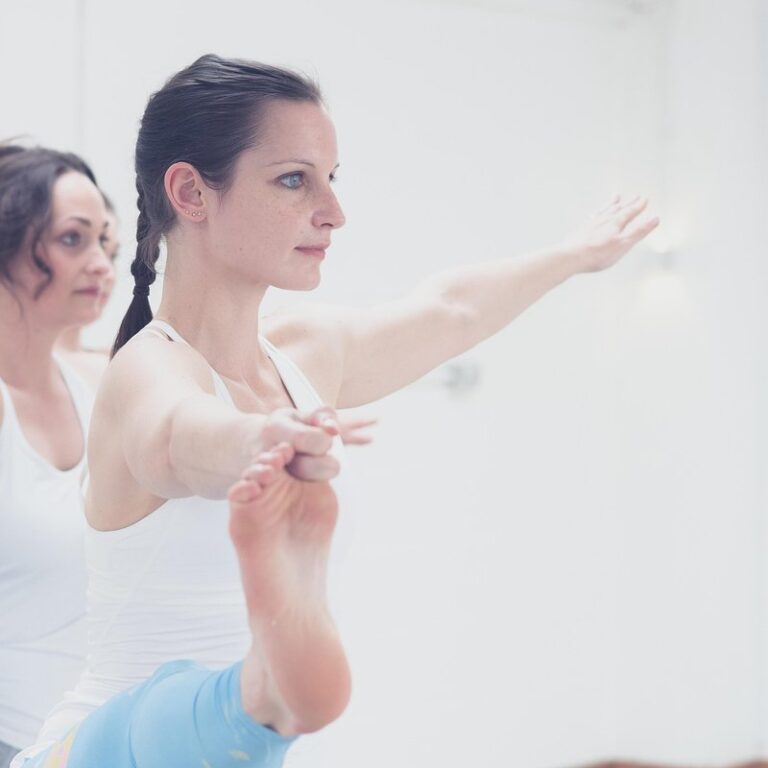
Importance of Exercise for Seniors
Regular exercise is essential for seniors, helping to maintain mobility and independence as we age, so let’s explore why physical activity matters. In this next section, we’ll examine the importance of exercise in detail.
Benefits of Regular Physical Activity
Regular physical activity is essential for seniors, and it’s not just about staying fit – it has a profound impact on overall health. As we age, our bodies undergo natural changes that can increase the risk of chronic diseases like heart disease, diabetes, and osteoporosis. However, regular exercise can significantly reduce this risk. For instance, studies have shown that walking briskly for just 30 minutes a day can lower blood pressure and improve cardiovascular health in seniors.
Exercise also plays a critical role in enhancing cognitive function. Research has found that physical activity stimulates the growth of new brain cells, improving memory and reducing the risk of dementia. Moreover, exercise has been shown to reduce symptoms of anxiety and depression in older adults, promoting mental well-being. To get started with leg exercises, begin with simple activities like walking or swimming, which are low-impact and easy on the joints. Gradually increase intensity and duration as your body allows, aiming for at least 150 minutes of moderate-intensity exercise per week. Remember to consult with your healthcare provider before starting any new exercise program.
Addressing Common Barriers to Exercise
As we age, it’s common to face various challenges that can discourage us from exercising regularly. One of the main barriers is mobility limitations. Perhaps you’ve experienced a decline in balance, flexibility, or strength, making everyday activities like walking or climbing stairs more daunting. Or maybe you’re concerned about putting too much strain on your joints.
If fear of injury holds you back, start by listening to your body and consulting with a healthcare professional before beginning any new exercise program. They can help you create a personalized plan that’s tailored to your needs and abilities. Another hurdle is lack of motivation – it’s easy to fall into a sedentary routine when daily tasks become more exhausting.
Consider enlisting the support of family, friends, or even hiring a personal trainer who specializes in senior fitness. Having someone to hold you accountable can make all the difference. To get started, begin with short, manageable sessions and gradually increase duration and intensity as your body allows. For example, try incorporating gentle stretching exercises into your daily routine while watching TV or reading a book.
Stretching Exercises for Seniors
To keep those legs strong and agile, it’s essential to incorporate stretching exercises into your daily routine, which can help prevent injuries and improve flexibility. Let’s explore some gentle stretches you can try at home.
Basic Leg Stretches
When it comes to leg exercises for seniors, stretching is an essential part of maintaining flexibility and preventing injuries. The good news is that you can start with some simple stretches right in the comfort of your own home.
Let’s begin with calf raises. Stand facing a wall with one hand on the wall for support, then lift your heels as high as you can, raising your calves. Hold for a few seconds before slowly lowering back down. Repeat 10-15 times on each leg. This exercise targets the gastrocnemius muscle in your lower legs.
Next up is toe curls, which can be done while seated in a chair or on a bed. Simply lift your toes as high as you can and then curl them under, keeping your heels on the ground. Release slowly and repeat for 10-15 repetitions. This exercise works the intrinsic muscles of your feet.
Another basic stretch is straight-leg raises, where you lie on your back with your legs straight and raise one leg towards the ceiling. Hold for a few seconds before lowering it back down. Repeat on the other side. These stretches will help keep your lower body flexible and strong, making daily activities easier to manage. Remember to breathe deeply while stretching and hold each stretch for at least 15-20 seconds for maximum benefit.
Advanced Stretching Techniques
As you progress with your leg exercises routine, it’s essential to incorporate advanced stretching techniques that target specific muscle groups. This will help improve flexibility, reduce the risk of injury, and enhance overall mobility. Let’s focus on three critical areas: quadriceps, hamstrings, and hip flexors.
To stretch your quadriceps, stand with one hand against a wall for balance. Bend one knee, keeping your foot behind you, and grab your ankle with your hand. Gently pull your heel towards your buttocks until you feel a stretch in the front of your leg. Hold for 15-30 seconds and switch legs.
For hamstrings, sit on the floor with your legs straight out in front of you. Lean forward, reaching for your toes, and hold for 15-30 seconds. To target hip flexors, stand with your feet shoulder-width apart. Take a large step forward with one foot and lower your body down into a lunge position, keeping your back knee almost touching the ground. Hold for 15-30 seconds on each leg.
Remember to breathe naturally while stretching, avoiding bouncing or forced movements that can cause injury. As you incorporate these advanced techniques into your routine, monitor your progress and adjust as needed to maintain comfort and effectiveness.
Strengthening Exercises for Seniors
To stay strong and mobile, seniors need exercises that target specific muscle groups, which is why we’re focusing on strengthening exercises to support healthy legs. This section will guide you through simple yet effective routines to boost leg strength.
Bodyweight Leg Exercises
As we age, it’s essential to maintain strong legs to stay active and independent. Fortunately, you don’t need any equipment to do so – bodyweight leg exercises can be just as effective. Let’s explore some simple yet powerful options.
Squats: A classic exercise that targets the quadriceps, hamstrings, glutes, and core muscles. To modify it for seniors, try using a chair or wall support for balance. Stand with your feet shoulder-width apart, then bend your knees and lower yourself down until your thighs are almost parallel to the ground.
Lunges: This exercise works multiple muscle groups simultaneously, making it an excellent choice for strengthening legs. Begin by standing with your feet together, take a large step forward with one foot, and lower your body down until your back knee is almost touching the ground. Alternate legs with each rep.
The leg press can also be done without weights – simply use your own body weight as resistance. Sit on the floor with your hands under your glutes for support, then lift one leg off the ground and hold it for a few seconds before lowering it back down. Repeat on the other side.
Resistance Band Exercises
Resistance bands are an excellent tool for seniors to incorporate into their strength training routine. These lightweight and portable tools provide a convenient way to build strength and endurance without the need for heavy weights or bulky equipment.
One of the best things about resistance bands is that they allow you to work out in the comfort of your own home, making them perfect for seniors who may have mobility issues or prefer not to leave their house. With resistance bands, you can easily target specific muscle groups, including those in your legs.
Let’s take a look at some examples of exercises you can do with resistance bands that target your legs:
* Banded squats: Loop the band around a stable object and hold the ends in each hand. Perform a squat as you would normally, but with the added resistance from the band.
* Banded lunges: Anchor one end of the band to a stable object and loop the other end around one ankle. Step out into a lunge position, keeping your back straight and your front knee behind your toes.
Remember to start slow and gradually increase the intensity as you become more comfortable with the exercises. With regular practice, you can see significant improvements in your strength and mobility, helping you stay active and independent for years to come.
Balance and Coordination Exercises
To maintain strength, flexibility, and agility as we age, balance and coordination exercises are essential. We’ll cover simple yet effective activities to improve these vital skills in this section.
Single-Leg Stance Exercises
Maintaining balance and coordination is essential for seniors to stay active and independent. As we age, our risk of falling increases due to decreased muscle mass, reduced flexibility, and impaired balance. Single-leg stance exercises can help alleviate this issue by strengthening the muscles responsible for stability and improving overall balance.
To perform a single-leg stance exercise, stand on one leg with your other foot lifted off the ground. Keep your knee straight and your foot flexed. Hold this position for 10-15 seconds before switching legs. Start with shorter intervals and gradually increase the duration as you build strength and balance.
Another variation is the “heel-to-toe” single-leg stance, where you lift one leg and bring it forward, heel first, then bring it back down to the starting position. This exercise targets the smaller muscles in your ankles and feet that are crucial for balance. Practice these exercises regularly, ideally 2-3 times a week, to notice improvements in stability and reduce fall risk.
Heel-To-Toe Walking
Heel-to-toe walking is a simple yet effective balance exercise that can be adapted to accommodate various mobility limitations. For seniors with difficulty walking long distances, this exercise can be modified by shortening the stride length and focusing on taking small steps. Place a strip of tape or a line on the floor as a visual guide to help maintain proper heel-to-toe alignment.
Walking in a heel-to-toe pattern is an excellent way to engage the ankles, calves, and core muscles while improving balance and reducing fall risk. By shifting the weight from the back foot to the front foot with each step, you’ll strengthen your ankle stabilizers and proprioception (your body’s ability to sense its position). To incorporate this exercise into your daily routine, try walking heel-to-toe for 10-15 minutes a day, either at home or while out on a short walk. For added challenge, wear a weighted vest or hold onto a chair for support. As you get more comfortable with the movement, gradually increase your stride length and duration to reap greater benefits.
Seated Leg Exercises
Seated leg exercises are perfect for seniors who need low-impact activities that can be done while sitting down, helping to maintain strength and flexibility in the legs. We’ll show you some simple yet effective exercises to try at home.
Seated Leg Press
The seated leg press machine is an excellent option for seniors looking to strengthen their legs without putting excessive strain on their joints. This low-impact exercise allows you to work both legs simultaneously, making it easier to lift heavier weights and target larger muscle groups.
To use a seated leg press machine safely and effectively, start by adjusting the footrest to fit your body comfortably. Make sure to keep your back straight and supported throughout the exercise. Begin with light weights and gradually increase the load as you become more comfortable with the movement.
One of the benefits of the seated leg press is that it allows you to focus on the quadriceps muscles in your thighs, which are essential for maintaining balance and mobility. By strengthening these muscles, you’ll be able to perform everyday tasks, such as walking or climbing stairs, with greater ease and confidence.
Seated Leg Curl
When performing seated leg exercises, it’s essential to target specific muscle groups, such as the hamstrings. This is particularly important for seniors, as weak or underdeveloped hamstrings can lead to a range of issues, including decreased mobility and balance problems.
The seated leg curl exercise targets the biceps femoris and semitendinosus muscles in the back of your thigh. To perform this exercise using proper form, sit on the edge of a chair with your legs extended straight out in front of you. Slowly lift one leg up towards your glutes, keeping your knee straight, then lower it back down without touching the floor.
For added support and stability, consider placing a pillow or towel under your heel as you lift your leg. Repeat this motion 10-12 times on each leg, taking breaks to rest if needed. It’s also crucial to focus on controlled movements, avoiding jerky or bouncy actions that can put unnecessary strain on your muscles.
Remember to breathe naturally while performing the exercise and maintain good posture throughout.
Progressing Your Exercise Routine
As you continue to incorporate leg exercises into your daily routine, it’s essential to challenge yourself and progress to more advanced moves to maintain strength and mobility. We’ll explore ways to take your exercise routine to the next level.
Periodization and Progressive Overload
Periodizing your leg exercises is essential to avoid plateaus and prevent overtraining. As you get stronger, it’s natural for your body to adapt, making the same exercises less challenging. This is where periodization comes into play – varying the intensity, volume, or frequency of your workouts over time.
Imagine your leg exercise routine as a series of cycles: peak training periods followed by recovery phases. During peak periods, you’ll focus on increasing the weight or resistance you’re lifting, doing more reps, or performing exercises with shorter rest times. For example, if you’re doing squats, start with 3 sets of 10 reps during your first cycle. As you progress, increase the weight to 2-3 pounds and aim for 12-15 reps.
In the recovery phase, reduce the intensity by decreasing the weight or number of reps. This allows your muscles to repair and rebuild stronger. For instance, if you’ve been doing squats with 2.5-pound weights for 12 reps, try reducing it to 1.25 pounds for 3 sets of 15 reps during recovery.
By incorporating periodization into your leg exercise routine, you’ll continue challenging yourself without risking injury or burnout.
Making Exercise a Habit
Incorporating exercise into your daily routine can be challenging, especially as we age. However, establishing a consistent workout schedule is crucial for seniors to maintain physical independence and overall health. One of the most effective ways to make exercise a habit is to start small.
Begin by setting realistic goals and scheduling dedicated time for physical activity each day or week. For example, commit to 10-15 minute sessions, three times a week, and gradually increase duration and frequency as you become more comfortable. It’s also essential to choose enjoyable activities that don’t put excessive strain on your joints.
Consider trying low-impact exercises like swimming, cycling, or yoga, which are easy on the legs and can be modified to suit individual fitness levels. Even simple tasks such as walking, gardening, or dancing can contribute to your daily physical activity needs. The key is to find activities that bring you joy, making it easier to stick to your routine. Remember, every bit counts, and consistency is more important than intensity when it comes to building a healthy exercise habit.
Safety Precautions and Considerations
When performing leg exercises, it’s essential to prioritize your safety and well-being. This section will outline key precautions to take to avoid injury and ensure a successful workout routine.
Consulting with a Healthcare Professional
Before starting any new exercise program, especially when it comes to leg exercises for seniors, consulting with a healthcare professional is of utmost importance. This is particularly crucial if you have pre-existing medical conditions or concerns such as arthritis, diabetes, or heart problems.
Your doctor can assess your current health status and provide guidance on the most suitable exercises for you. They will help you identify any potential risks associated with certain leg exercises, especially those that may exacerbate existing conditions.
A healthcare professional can also recommend modifications to make the exercises more comfortable and safe for you. For instance, they might suggest substituting high-impact activities like running or jumping with low-impact alternatives such as swimming or cycling.
When consulting with your doctor, be sure to discuss any medications you’re taking and how they may interact with physical activity. This will help prevent any adverse reactions or complications. By involving a healthcare professional in your exercise planning process, you can ensure a safe and effective workout routine that supports your overall health and well-being.
Injury Prevention and Management
When engaging in leg exercises as a senior, it’s essential to prioritize injury prevention and management. Muscle strain and joint pain are common issues that can arise from overexertion or poor form.
To prevent muscle strain, start by warming up before each exercise session with light cardio and stretching. This will increase blood flow to your muscles and prepare them for the upcoming activity. It’s also crucial to listen to your body and take regular breaks to avoid fatigue.
For joint pain management, focus on exercises that promote flexibility and mobility, such as leg swings and lunges. Consider using resistance bands or light weights to reduce strain on your joints. Additionally, engage in activities like yoga or Pilates to improve balance and strengthen surrounding muscles.
In the event of a minor injury, apply the RICE principle: Rest, Ice, Compression, and Elevation. If pain persists or worsens, consult with your healthcare provider for proper guidance. By taking these precautions, you can continue to enjoy the benefits of leg exercises while minimizing the risk of injury.
Frequently Asked Questions
How do I know if I’m doing the exercises correctly?
Make sure to focus on proper form, especially when performing strengthening exercises like squats or lunges. If you’re new to exercising, consider working with a personal trainer or physical therapist who can help you learn correct techniques and provide modifications for your specific needs.
Can I do these exercises at home without any equipment?
Yes, many of the leg exercises outlined in this guide can be modified to be done at home with minimal or no equipment. Focus on bodyweight exercises like squats, lunges, and leg raises, and consider using resistance bands as an alternative to weights.
How often should I do these exercises for optimal results?
Aim to exercise your legs 2-3 times per week, allowing for at least one day of rest in between. As you progress, you can gradually increase the frequency or intensity of your workouts to continue challenging yourself and promoting muscle growth.
What if I experience pain while doing leg exercises?
If you experience any sharp pains or discomfort while exercising, stop immediately and consult with a healthcare professional. They can help determine whether the exercise is exacerbating an underlying condition or provide guidance on modifications to reduce strain.
Can I still do these exercises if I have mobility issues or use a walker?
Yes, many of the leg exercises in this guide can be adapted for individuals with limited mobility or who use assistive devices like walkers. Consider working with a physical therapist to develop a personalized exercise plan that takes into account your specific needs and abilities.