
As we age, our bodies undergo many changes that can affect our overall health. One crucial aspect to pay attention to is high blood pressure, also known as hypertension. In older adults, unmanaged high blood pressure can lead to serious complications such as heart disease, stroke, and kidney damage. It’s essential for seniors to be aware of the causes and risks associated with high blood pressure, as well as effective management strategies to prevent or mitigate its effects. In this article, we’ll delve into the world of blood pressure in older adults, exploring the underlying causes, warning signs, and practical tips on how to detect and manage hypertension. By reading on, you’ll gain a better understanding of how to take control of your health and reduce your risk of developing high blood pressure as you age.
Understanding High Blood Pressure in Older Adults
High blood pressure is a common concern for seniors, and understanding its causes and risks is crucial to managing this condition effectively. In this next part, we’ll break down what you need to know about hypertension in older adults.
What Is Considered High Blood Pressure in the Elderly?
When it comes to determining what’s considered high blood pressure in older adults, medical organizations such as the American Heart Association (AHA) provide clear guidelines. According to the AHA, for adults aged 60 and above, high blood pressure is typically defined as a systolic reading of 130 mmHg or higher, or a diastolic reading of 80 mmHg or higher.
To put this into perspective, let’s look at an example. John, a 65-year-old male, has just had his blood pressure checked and the results show: systolic 140 mmHg and diastolic 85 mmHg. Based on these numbers, John’s doctor would likely diagnose him with high blood pressure. As we age, our blood vessels naturally become less flexible, which can lead to increased blood pressure readings.
For older adults, it’s essential to understand that even within the normal range (120/80 mmHg), some individuals may be at a higher risk for cardiovascular disease due to other factors such as medication side effects or underlying medical conditions.
The Importance of Monitoring Blood Pressure in Seniors
Monitoring blood pressure regularly is crucial for seniors to prevent potential health complications associated with uncontrolled high blood pressure. As we age, our blood vessels become less flexible and more prone to damage from high blood pressure, which can lead to cardiovascular diseases such as heart failure, stroke, and kidney disease.
If left unchecked, high blood pressure in seniors can have devastating consequences. According to the American Heart Association, approximately 75% of people aged 60 and older suffer from hypertension, which significantly increases their risk of cardiovascular events. For instance, a study published in the Journal of the American Geriatrics Society found that older adults with uncontrolled hypertension are more likely to experience cognitive decline and dementia.
To ensure accurate blood pressure readings, seniors should have their blood pressure monitored at least twice a week by a healthcare provider or using an automated home blood pressure monitor. Moreover, maintaining a healthy lifestyle through regular exercise, balanced diet, and stress management can also help manage high blood pressure in older adults. It is essential for family members and caregivers to support seniors in monitoring their blood pressure regularly to prevent serious health consequences associated with uncontrolled hypertension.
Causes and Risk Factors of High Blood Pressure in Older Adults
As we explore the complexities of blood pressure in elderly individuals, let’s examine the underlying causes that can lead to hypertension in older adults. This includes a range of factors that contribute to high blood pressure.
Lifestyle Factors Contributing to High Blood Pressure
When it comes to managing high blood pressure in older adults, lifestyle factors play a significant role. Physical inactivity is one of the most common contributors to elevated blood pressure levels. Regular exercise helps maintain a healthy weight, improves cardiovascular health, and boosts overall well-being. Aim for at least 150 minutes of moderate-intensity aerobic activity or 75 minutes of vigorous-intensity aerobic activity per week.
Smoking is another lifestyle factor that increases the risk of high blood pressure. Nicotine in tobacco products can raise blood pressure by constricting blood vessels and increasing heart rate. Quitting smoking can be challenging, but it’s essential for older adults with hypertension. Consider using nicotine replacement therapy or counseling services to help you quit.
Excessive sodium intake is also a significant contributor to high blood pressure. The American Heart Association recommends limiting daily sodium consumption to less than 2,300 milligrams. To reduce sodium intake, focus on whole, unprocessed foods like fruits, vegetables, and lean proteins. When cooking, use herbs and spices for flavor instead of salt. Be mindful of hidden sources of sodium in processed foods and condiments.
Underlying Medical Conditions That Increase Blood Pressure
Kidney disease is a common condition among seniors that can significantly impact blood pressure. When the kidneys are not functioning properly, they can’t effectively filter waste from the blood, leading to a buildup of fluids and electrolytes. This can cause blood vessels to constrict, increasing pressure on the heart and arteries. In fact, studies have shown that individuals with chronic kidney disease (CKD) are more likely to develop hypertension than those without CKD.
Sleep apnea is another condition often linked to high blood pressure in seniors. When an individual experiences sleep apnea, their breathing is disrupted during sleep, causing oxygen levels to drop and leading to inflammation in the body. This inflammation can contribute to increased blood pressure. According to the American Heart Association, individuals with sleep apnea are more likely to develop hypertension and cardiovascular disease.
Thyroid disorders, particularly hypothyroidism (an underactive thyroid gland), can also increase blood pressure in seniors. When the thyroid gland is not functioning properly, it can disrupt hormone production, leading to changes in metabolism and heart rate. These changes can cause blood vessels to constrict, increasing blood pressure. Managing underlying conditions like these is crucial for older adults with high blood pressure.
Complications and Consequences of Uncontrolled High Blood Pressure
If left unmanaged, high blood pressure can lead to serious complications that affect not just your health, but also your quality of life. This section will explore these risks in greater detail.
Cardiovascular Disease and Stroke Risk
Uncontrolled high blood pressure is a ticking time bomb for older adults, increasing the risk of cardiovascular disease and stroke. In fact, hypertension is a leading cause of heart attack and stroke worldwide. When left unmanaged, high blood pressure puts excessive strain on the blood vessels, causing them to harden and narrow over time.
This can lead to a range of complications, including coronary artery disease, heart failure, and peripheral artery disease. The risk of stroke is also significantly higher in individuals with uncontrolled hypertension. A stroke occurs when the blood supply to the brain is interrupted, either due to a blockage or rupture of blood vessels.
For older adults, the consequences can be devastating, leading to cognitive decline, mobility issues, and even death. According to the American Heart Association, nearly half of all deaths from cardiovascular disease in people aged 65 and over are attributable to high blood pressure. By managing blood pressure through lifestyle changes and medication (if necessary), older adults can significantly reduce their risk of developing these life-threatening conditions.
Kidney Damage and Other Organs Affected by Hypertension
When left uncontrolled, high blood pressure can lead to severe damage not just to the kidneys but also other vital organs. The kidneys are particularly vulnerable due to their role in filtering waste and excess fluids from the blood. Prolonged exposure to elevated blood pressure can cause kidney damage, leading to a range of complications including chronic kidney disease (CKD) and even kidney failure.
The eyes are another organ that’s at risk when blood pressure isn’t managed effectively. High blood pressure can cause damage to the tiny blood vessels in the retina, increasing the risk of age-related macular degeneration and vision loss. The brain too is not immune to the effects of hypertension, with high blood pressure linked to an increased risk of stroke, dementia, and cognitive decline.
In order to prevent or mitigate this damage, it’s essential for elderly individuals to work closely with their healthcare provider to manage their blood pressure through lifestyle changes and medication. Regular monitoring of kidney function, eye health, and brain activity can help identify any potential issues early on, allowing for prompt intervention and reducing the risk of long-term complications.
Management Strategies for Elderly Individuals with High Blood Pressure
Effective management of high blood pressure is crucial for elderly individuals, and implementing strategies to monitor and control it can make a significant difference in their health. Let’s explore some practical approaches you can take.
Lifestyle Modifications for Blood Pressure Control
As we’ve discussed earlier, lifestyle modifications play a crucial role in managing blood pressure levels in elderly individuals. Making conscious changes to daily habits can significantly impact blood pressure readings and overall health.
One of the most effective dietary modifications is adopting a DASH (Dietary Approaches to Stop Hypertension) eating plan. This involves increasing intake of fruits, vegetables, whole grains, lean proteins, and low-fat dairy products while reducing sodium consumption. For instance, aiming for at least 8 servings of fruits and vegetables daily can help lower blood pressure.
Regular physical activity is also vital in managing blood pressure. Aim for at least 30 minutes of moderate-intensity exercise per day, which can be broken down into shorter intervals like brisk walking or light gardening. Resistance training exercises, such as weightlifting or bodyweight exercises, should be included two to three times a week to maintain muscle mass and strength.
Additionally, maintaining a healthy weight through a combination of diet and exercise is essential for blood pressure control. Aiming for an ideal BMI (body mass index) between 18.5 and 24.9 can significantly reduce the risk of hypertension-related complications.
Medications and Interventions for Hypertension Treatment
When it comes to treating high blood pressure in elderly individuals, medications play a crucial role. The goal is to lower and maintain a healthy blood pressure reading while minimizing potential side effects. Doctors often prescribe diuretics, such as hydrochlorothiazide or furosemide, which help remove excess fluid from the body.
Another common class of medication for hypertension treatment in seniors is beta blockers, like metoprolol or atenolol, that slow down heart rate and reduce blood pressure. ACE inhibitors, including lisinopril or enalapril, work by relaxing blood vessels to improve blood flow. Calcium channel blockers, such as amlodipine or verapamil, help arteries relax and widen.
However, seniors taking multiple medications must be aware of potential interactions and side effects. For instance, diuretics can lead to dehydration if not balanced with sufficient fluid intake. Beta blockers might slow heart rate too much in older adults, leading to dizziness or fainting spells. It’s essential for elderly individuals to discuss any concerns or questions with their healthcare provider about medication management.
When treating high blood pressure, lifestyle interventions also come into play. Regular exercise, stress reduction techniques like meditation, and a balanced diet rich in fruits, vegetables, and whole grains are all essential components of managing hypertension.
Prevention and Early Detection of High Blood Pressure
Preventing high blood pressure is crucial, especially for seniors, as it can help avoid complications such as heart disease, stroke, and kidney damage. By understanding how to prevent and detect early signs of high blood pressure, you can take control of your health.
Regular Check-Ups and Blood Pressure Monitoring
Regular health check-ups and blood pressure monitoring are crucial for older adults to prevent and manage high blood pressure. During these check-ups, healthcare providers can detect potential issues early on and provide personalized guidance on lifestyle modifications and treatment plans. In fact, studies have shown that regular blood pressure monitoring can reduce the risk of cardiovascular events by up to 30%.
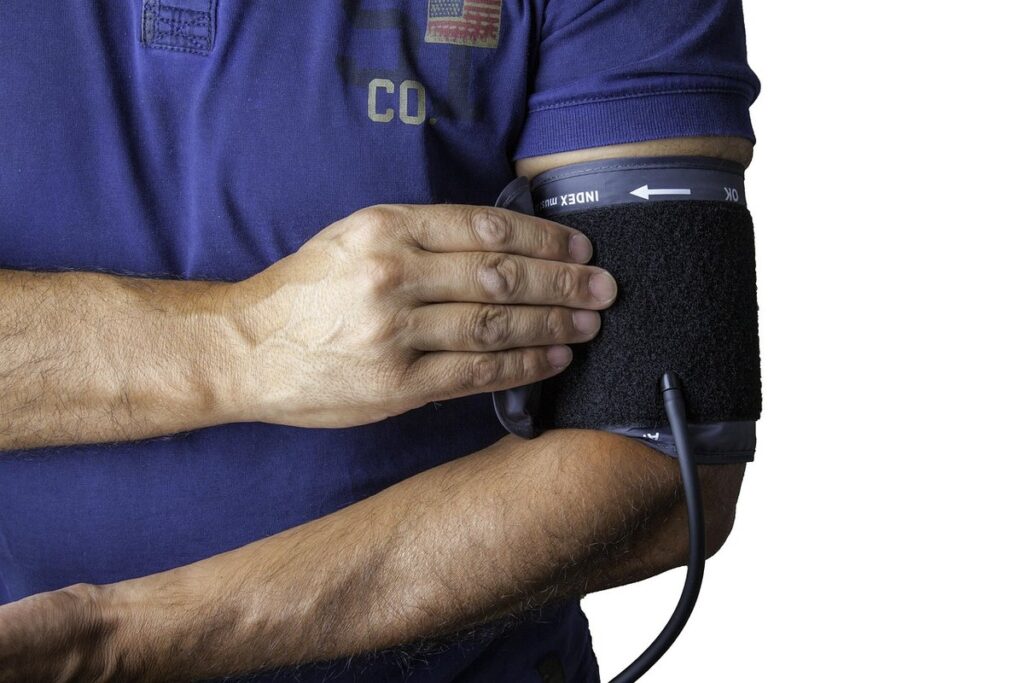
To take accurate blood pressure readings at home, use a suitable cuff size and follow the American Heart Association’s guidelines: sit comfortably with your back supported, relax for five minutes before taking the reading, and ensure the cuff is snug but not too tight. Record each reading in a logbook or mobile app, noting the time of day and any factors that may have influenced the results, such as exercise or medication intake.
If you’re unsure about how to take blood pressure readings or have concerns about your numbers, don’t hesitate to discuss them with your healthcare provider during your next appointment. By prioritizing regular check-ups and self-monitoring, older adults can stay on top of their blood pressure management and enjoy a healthier, more active life.
Healthy Lifestyle Habits for Preventing Hypertension
Maintaining a healthy lifestyle is crucial for preventing high blood pressure in seniors. One of the most effective ways to manage stress and lower blood pressure is through regular exercise. A 30-minute brisk walk each day can make a significant difference, but it’s essential to incorporate other activities that promote cardiovascular health, such as swimming, cycling, or yoga.
Getting enough sleep is also vital for regulating blood pressure. Aim for 7-8 hours of quality sleep per night by establishing a relaxing bedtime routine and creating a sleep-conducive environment. This can include avoiding caffeine, electronics, and heavy meals close to bedtime.
Practicing relaxation techniques like deep breathing, meditation, or tai chi can help manage stress levels. These activities can be done individually or in groups, making them accessible for seniors with mobility issues. By incorporating these habits into daily life, individuals can significantly reduce their risk of developing high blood pressure and maintain overall cardiovascular health.
Conclusion: Empowering Elderly Individuals to Manage Their Blood Pressure
As we’ve explored the complexities of blood pressure in elderly individuals, it’s essential to emphasize the importance of empowering them to manage their condition. By understanding the causes and risks associated with high blood pressure, seniors can take proactive steps towards maintaining a healthy lifestyle. Encourage your loved ones to establish regular exercise routines, such as walking or swimming, which have been shown to significantly lower blood pressure levels. Additionally, recommend a balanced diet rich in fruits, vegetables, and whole grains, and suggest limiting salt intake to less than 5 grams per day. By adopting these habits, seniors can take control of their health and reduce the risk of developing complications associated with high blood pressure.
Frequently Asked Questions
What are the most critical lifestyle modifications I can make to lower my blood pressure?
In addition to making healthy diet choices, regular physical activity is essential for lowering high blood pressure. Aim for at least 150 minutes of moderate-intensity aerobic exercise or 75 minutes of vigorous-intensity aerobic exercise per week. Incorporating strength training exercises two times a week can also help improve overall cardiovascular health.
How often should I have my blood pressure checked if I’m taking medication to manage hypertension?
If you’re already managing high blood pressure with medication, it’s essential to continue monitoring your blood pressure regularly. Your healthcare provider may recommend checking your blood pressure weekly or bi-weekly at home using a digital monitor and tracking the results.
Can certain medications or supplements interact with my blood pressure medication, causing adverse effects?
Yes. Certain medications, such as decongestants, can increase blood pressure in some individuals. Additionally, supplements like St. John’s Wort may interact with your blood pressure medication, affecting its efficacy. Always consult with your healthcare provider before adding any new medications or supplements to your regimen.
What are the warning signs of a hypertensive crisis that I should be aware of?
A hypertensive crisis can occur when blood pressure suddenly and severely increases, often exceeding 180/120 mmHg. Warning signs may include severe headache, blurred vision, nausea, vomiting, chest pain, or shortness of breath. If you experience any of these symptoms, seek immediate medical attention.
Can I still engage in high-intensity physical activities if I have high blood pressure?
While moderate exercise is essential for managing high blood pressure, it’s generally recommended to avoid high-intensity exercises until your condition is well-controlled. High-intensity activities can cause a temporary spike in blood pressure, potentially worsening hypertension. Always consult with your healthcare provider before starting or modifying an exercise regimen.