
As we age, chronic pain becomes an increasingly common issue for seniors. Managing this type of pain can be challenging, not just for the individual but also for their loved ones and caregivers. It’s estimated that over 60% of older adults experience some form of persistent pain, which can significantly impact their quality of life. In this article, we’ll delve into the causes and symptoms of chronic pain in seniors, discuss how it’s diagnosed and treated, and explore effective strategies for managing pain as you age. From medication options to non-pharmacological approaches, we’ll cover everything you need to know to help your loved ones or yourself find relief from chronic pain. By understanding the complexities of this issue, we can work towards creating a more comfortable and dignified life for seniors.
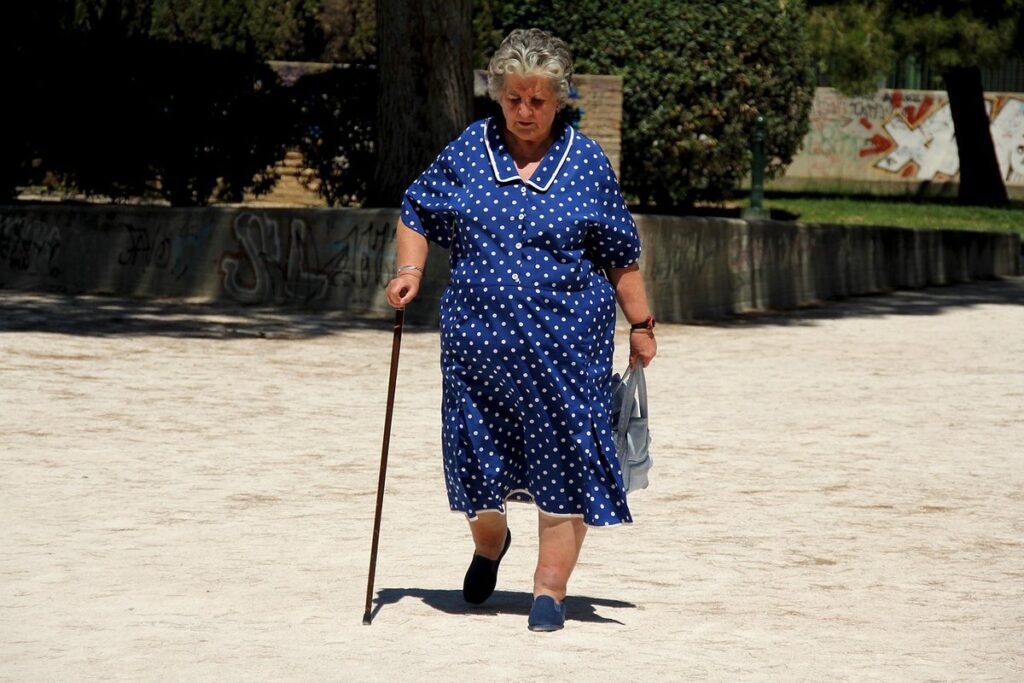
Understanding Chronic Pain in Seniors
Chronic pain can have a significant impact on daily life, making everyday activities increasingly difficult for seniors. In this section, we’ll explore what drives chronic pain in older adults and how to address it effectively.
The Prevalence of Chronic Pain in Older Adults
Chronic pain is an increasingly common issue among older adults, affecting millions of seniors worldwide. According to the World Health Organization (WHO), approximately 30% of people over the age of 65 experience chronic pain. In the United States alone, it’s estimated that nearly 50 million seniors live with chronic pain.
Research suggests that women are more likely than men to experience chronic pain in their older years, with a ratio of 3:2. Additionally, individuals with lower socioeconomic status and limited access to healthcare tend to have higher rates of chronic pain. The most common conditions associated with chronic pain in seniors include osteoarthritis, diabetes, and heart disease.
As the global population ages, it’s essential to address the growing burden of chronic pain among older adults. Healthcare providers must adopt a more comprehensive approach to pain management, considering factors such as medication safety, lifestyle modifications, and psychosocial interventions. By doing so, we can improve the quality of life for millions of seniors living with chronic pain.
Many older adults also experience undertreatment or inadequate treatment due to ageism and misconceptions about pain in this population.
Factors Contributing to Chronic Pain in Elders
Chronic pain is often a culmination of various underlying medical conditions that seniors may be living with. Among the most common contributors are arthritis, neuropathy, and cancer. Arthritis, particularly osteoarthritis, affects millions of seniors worldwide, causing persistent joint pain and inflammation. This condition can significantly impair daily activities, making it challenging for seniors to maintain their independence.
Neuropathy, a result of nerve damage, is another significant contributor to chronic pain in this age group. Causes range from diabetes, chemotherapy, and infections like shingles. This painful condition manifests as numbness, tingling, or burning sensations in the hands and feet, disrupting sleep patterns and daily routines.
Cancer, whether present or past, can also cause chronic pain due to tumor growth, metastasis, or treatment side effects like neuropathy and osteoporosis-related bone fractures. Understanding these contributing factors is essential for developing effective pain management strategies tailored to an individual’s specific needs.
Types of Pain Experienced by Elderly Individuals
As you navigate the complex world of managing pain in elderly individuals, it’s essential to understand the various types of pain they may experience, such as chronic and acute pain. These differences can significantly impact their quality of life.
Musculoskeletal Pain in Seniors
Musculoskeletal pain is a common and debilitating issue among seniors. As we age, our joints and muscles undergo natural wear and tear, leading to chronic pain and stiffness. Back pain is one of the most prevalent musculoskeletal complaints in older adults, with 80% experiencing back pain at some point in their lives.
Osteoarthritis (OA) is another major contributor to musculoskeletal pain in seniors. This degenerative joint disease causes cartilage breakdown, leading to bone-on-bone contact and pain. According to the Arthritis Foundation, nearly 50 million Americans have OA, with a significant proportion being over 65 years old.
Fibromyalgia, a condition characterized by widespread muscle pain and fatigue, also affects many seniors. While its exact cause is unknown, it’s believed that fibromyalgia may be linked to changes in brain chemistry and stress response.
To manage musculoskeletal pain effectively, it’s essential for seniors to engage in regular exercise, such as gentle stretching or low-impact aerobics. Strengthening core muscles through exercises like Pilates or yoga can also help alleviate back pain. Additionally, maintaining a healthy weight, getting adequate sleep, and managing stress levels can all contribute to reducing musculoskeletal discomfort.
If you’re experiencing persistent or severe musculoskeletal pain, consult your healthcare provider about developing a personalized exercise plan or exploring alternative therapies like physical therapy, acupuncture, or cognitive-behavioral therapy.
Neuropathic Pain in the Elderly
Neuropathic pain is a common and debilitating condition affecting many elderly individuals. This type of pain occurs when there is damage to the nerve fibers that transmit pain signals to the brain. In seniors, neuropathic pain often arises from underlying medical conditions such as diabetes, peripheral artery disease, or stroke.
Diabetes-related nerve damage, also known as diabetic neuropathy, is a leading cause of neuropathic pain in older adults. According to the American Diabetes Association, up to 50% of people with diabetes will develop some form of neuropathy. Symptoms include burning, tingling, and numbness in the hands and feet.
Treatment options for neuropathic pain in seniors often involve medication, lifestyle modifications, and alternative therapies. Medications such as gabapentin, pregabalin, and duloxetine can help manage symptoms, but their effectiveness may vary from person to person. In addition to medications, regular exercise, a balanced diet, and stress management techniques like meditation or yoga can also provide relief.
It’s essential for caregivers to work closely with healthcare providers to develop a comprehensive treatment plan tailored to the individual’s needs. By combining medical interventions with lifestyle modifications, seniors can find effective ways to manage neuropathic pain and improve their overall quality of life.
Assessment and Diagnosis of Chronic Pain in Seniors
When assessing chronic pain in seniors, it’s essential to consider their unique medical histories, life experiences, and potential underlying conditions that may be contributing to their pain.
This section will walk you through a step-by-step approach to accurately diagnose and assess chronic pain in older adults.
Clinical Evaluation of Pain in Older Adults
A thorough clinical evaluation is crucial for accurately diagnosing and managing chronic pain in older adults. This process involves gathering a comprehensive medical history, conducting a physical examination, and ordering diagnostic tests when necessary.
When taking a medical history, it’s essential to ask open-ended questions that allow patients to share their symptoms, treatment experiences, and any previous diagnoses or surgeries. For example, you might ask about the location, duration, and characteristics of their pain, as well as any factors that exacerbate or alleviate it. Be sure to also explore potential underlying causes, such as medication side effects, musculoskeletal disorders, or neurological conditions.
During the physical examination, observe for signs of malnutrition, dehydration, or fatigue, which can all impact pain perception and management. Look for areas of tenderness, limited mobility, or joint deformities that could be contributing to their pain. Consider ordering diagnostic tests like X-rays, MRIs, or blood work if there’s suspicion of an underlying condition or potential contraindications for certain treatments.
Some patients may require additional evaluations, such as orthostatic blood pressure measurements or gait analysis. Keep in mind that each patient is unique, and a tailored approach will help ensure the most accurate diagnosis and effective treatment plan.
Diagnostic Tools for Chronic Pain in Elders
When assessing chronic pain in seniors, healthcare professionals rely on various diagnostic tools to accurately evaluate their condition. One of the most effective methods is using pain scales and questionnaires that are specifically designed for older adults.
The most commonly used pain scale is the Numerical Rating Scale (NRS), which asks patients to rate their pain intensity from 0 to 10, with higher numbers indicating more severe pain. Another widely used tool is the Visual Analog Scale (VAS), where patients mark a line corresponding to their pain level. These scales provide a quick and straightforward way for seniors to communicate their pain levels to healthcare providers.
In addition to these visual tools, questionnaires like the Brief Pain Inventory (BPI) and the McGill Pain Questionnaire (MPQ) can help identify specific characteristics of chronic pain in older adults. For example, the BPI assesses the impact of pain on daily activities, sleep quality, and mood, while the MPQ evaluates pain intensity, location, and quality. By incorporating these diagnostic tools into their assessment process, healthcare professionals can gain a more comprehensive understanding of a senior’s chronic pain experience and develop an effective treatment plan.
Treatment Options for Chronic Pain in the Elderly
When it comes to managing chronic pain in elderly individuals, it’s essential to explore various treatment options that cater to their unique needs and circumstances. This section explores some of these alternatives.
Pharmacological Management of Chronic Pain
When it comes to managing chronic pain in seniors, pharmacological interventions play a crucial role. Analgesics, nonsteroidal anti-inflammatory drugs (NSAIDs), and opioids are commonly prescribed to alleviate pain symptoms.
Analgesics, such as acetaminophen or codeine, can be used to manage mild to moderate pain. However, their effectiveness may vary among individuals, and they should be used with caution due to potential side effects like liver damage or respiratory depression. For instance, a study published in the Journal of Pain Research found that acetaminophen was effective in reducing osteoarthritis-related pain in older adults.
NSAIDs, including ibuprofen and naproxen, are often prescribed for moderate to severe pain. These medications can be effective but should be used with caution due to potential gastrointestinal side effects like bleeding or ulcers. For example, a case study published in the Journal of Clinical Rheumatology found that naproxen was effective in reducing pain and improving function in older adults with osteoarthritis.
Opioids are typically reserved for severe chronic pain and should be used under close medical supervision due to their potential for addiction and side effects. However, a study published in the Journal of Pain and Symptom Management found that opioids can be an effective option for managing cancer-related pain in seniors when used judiciously. When prescribing medications for chronic pain, healthcare providers must carefully weigh the benefits against the risks and consider individual factors such as comorbidities and medication interactions.
In conclusion, pharmacological management of chronic pain in seniors requires a thoughtful approach that takes into account an individual’s unique needs and circumstances. By working closely with their healthcare provider, older adults can find effective relief from chronic pain while minimizing potential side effects.
Non-Pharmacological Interventions for Chronic Pain
When it comes to managing chronic pain in the elderly, there are alternative treatments that can be just as effective as medication. Non-pharmacological interventions, such as physical therapy, acupuncture, and cognitive-behavioral therapy, have been shown to provide relief from chronic pain without the risks associated with medication.
Physical therapy is an excellent option for seniors with chronic pain. A licensed therapist will work with you to develop a customized exercise program that targets specific muscle groups and improves flexibility. This can help reduce pain and improve mobility. For example, a physical therapist may use techniques such as ultrasound or electrical stimulation to promote healing and relaxation in the affected area.
Acupuncture is another non-pharmacological treatment option for chronic pain. This ancient practice involves inserting thin needles into specific points on the body to stimulate healing and pain relief. Research has shown that acupuncture can be effective in reducing chronic pain, particularly for seniors with osteoarthritis or fibromyalgia. Cognitive-behavioral therapy (CBT) is also a valuable tool for managing chronic pain. This type of therapy helps individuals identify and change negative thought patterns and behaviors that contribute to their pain experience.
In addition to these treatments, there are several lifestyle changes that can help alleviate chronic pain in the elderly. Maintaining a healthy weight, staying active through regular exercise, getting enough sleep, and practicing stress-reducing techniques such as meditation or deep breathing can all have a positive impact on pain levels. By incorporating these non-pharmacological interventions into their treatment plan, seniors with chronic pain can experience improved quality of life and reduced reliance on medication.
Complications of Untreated Chronic Pain in Seniors
Untreated chronic pain can lead to a range of serious complications, including decreased mobility and increased risk of falls, hospitalizations, and even premature mortality. We’ll examine these consequences in more detail here.
Impact on Mental Health
Living with chronic pain can have a profound impact on an elderly individual’s mental health. The constant discomfort and pain can lead to feelings of hopelessness, helplessness, and despair, ultimately increasing the risk of developing depression and anxiety disorders. In fact, studies have shown that individuals with chronic pain are up to 4 times more likely to develop depression compared to those without pain.
The relationship between chronic pain and mental health is complex, but it’s essential to address both issues simultaneously. Untreated chronic pain can exacerbate existing mental health conditions, making it challenging for seniors to manage their symptoms effectively. This vicious cycle can lead to a decline in physical function, increased medication use, and even premature mortality.
To mitigate this risk, caregivers and healthcare providers must prioritize holistic care that addresses the interplay between physical and emotional well-being. By incorporating cognitive-behavioral therapy (CBT), stress management techniques, and regular exercise into treatment plans, seniors can better manage chronic pain and its impact on mental health. Encourage your loved ones to seek professional help and support from mental health professionals who specialize in geriatric care.
Impact on Quality of Life
Untreated chronic pain can significantly impact an elderly individual’s quality of life. It can limit their ability to engage in daily activities, such as bathing, dressing, and managing personal care. Simple tasks like cooking and cleaning become overwhelming challenges, leading to feelings of frustration and hopelessness.
Social interactions are also affected, as chronic pain can lead to withdrawal from family and friends due to the inability to participate in social events or engage in conversations. This isolation exacerbates feelings of loneliness and depression. Furthermore, chronic pain can disrupt sleep patterns, affecting not only the individual but also their loved ones who may be impacted by their mood swings and irritability.
Managing chronic pain is essential for maintaining quality of life in seniors. Encourage them to prioritize self-care activities like gentle exercises, meditation, or yoga that promote relaxation and stress reduction. Support groups can also provide a sense of community and understanding among individuals experiencing similar struggles. By acknowledging the impact of untreated chronic pain on daily life, caregivers and loved ones can take proactive steps to support their elderly family members in achieving optimal quality of life.
Strategies for Effective Pain Management in the Elderly
When managing pain in the elderly, it’s essential to consider their unique physical and medical needs. We’ll explore specific strategies that cater to these requirements in this section.
Multidisciplinary Care Teams
Effective pain management in elderly patients requires a comprehensive approach that involves collaboration among healthcare professionals from various disciplines. A multidisciplinary care team is essential for ensuring that each patient’s unique needs are met.
This collaborative approach allows for the sharing of knowledge, expertise, and best practices among team members. For instance, a geriatrician may work alongside a physical therapist to develop an exercise plan tailored to the patient’s mobility issues and chronic pain. Meanwhile, a pharmacist can provide valuable insights on medication management, minimizing potential side effects and interactions.
A multidisciplinary care team also facilitates open communication among healthcare providers, ensuring that all aspects of the patient’s care are considered. This includes addressing social determinants of health, such as access to care, housing, and nutrition, which can significantly impact pain management outcomes. By working together, healthcare professionals can provide more holistic care that addresses the complex needs of elderly patients with chronic pain.
Patient Education and Empowerment
Patient education and empowerment are crucial components of effective pain management for seniors. When individuals understand their condition and treatment options, they’re more likely to adhere to prescribed therapies and take an active role in managing their chronic pain. This not only improves treatment outcomes but also enhances overall quality of life.
To empower elderly patients, healthcare providers can utilize various strategies, such as clear communication about diagnosis and prognosis, patient-centered care plans, and the incorporation of family members or caregivers into decision-making processes. Additionally, patients should be taught coping skills and stress management techniques to mitigate pain exacerbation. Regular follow-up appointments and adjustments to treatment plans based on patient feedback are also vital for fostering a collaborative approach to pain management.
By prioritizing patient education and empowerment, healthcare teams can foster a more engaging and effective care experience that acknowledges the unique needs and concerns of elderly patients living with chronic pain.
Frequently Asked Questions
Can I manage chronic pain effectively without relying on medication?
Yes, there are numerous non-pharmacological approaches to managing chronic pain, such as physical therapy, occupational therapy, and cognitive-behavioral therapy. These interventions can help alleviate pain and improve overall quality of life for seniors.
How do I determine the best treatment plan for a loved one with chronic pain?
A multidisciplinary care team, including a primary care physician, specialist, physical therapist, and mental health professional, should work together to develop an individualized treatment plan. This approach ensures that all aspects of the patient’s condition are addressed, and the most effective strategies are implemented.
What role does lifestyle modification play in managing chronic pain?
Lifestyle modifications can significantly impact chronic pain management. Regular exercise, a balanced diet, stress management techniques (such as meditation or yoga), and adequate sleep are essential for maintaining overall health and reducing pain levels. These habits should be tailored to the individual’s needs and abilities.
How do I support a loved one with chronic pain who is struggling with mental health issues?
Mental health professionals can work together with primary care physicians to provide comprehensive care for seniors experiencing both chronic pain and mental health concerns, such as depression or anxiety. Family members can offer emotional support by encouraging participation in therapy sessions and helping the individual maintain a healthy routine.
What are some common complications of untreated chronic pain in seniors?
Untreated chronic pain can lead to a range of complications, including decreased mobility, increased risk of falls, and reduced ability to perform daily activities. Furthermore, it may exacerbate existing mental health issues, such as depression or anxiety, ultimately impacting the individual’s quality of life.