
As we age, our bodies undergo significant changes that can lead to chronic pain. Elderly pain is a common complaint among older adults, affecting their quality of life and overall well-being. But what exactly causes this type of pain? From age-related conditions like osteoarthritis and osteoporosis to neurological disorders such as neuropathy and Parkinson’s disease, there are numerous factors at play. Effective management strategies can make all the difference in reducing discomfort and improving mobility. In this article, we’ll delve into the complex world of elderly pain, exploring its causes and discussing practical approaches for managing chronic pain in older adults. By understanding the underlying causes and implementing evidence-based solutions, seniors can regain control over their lives and enjoy a better quality of life despite age-related health issues.
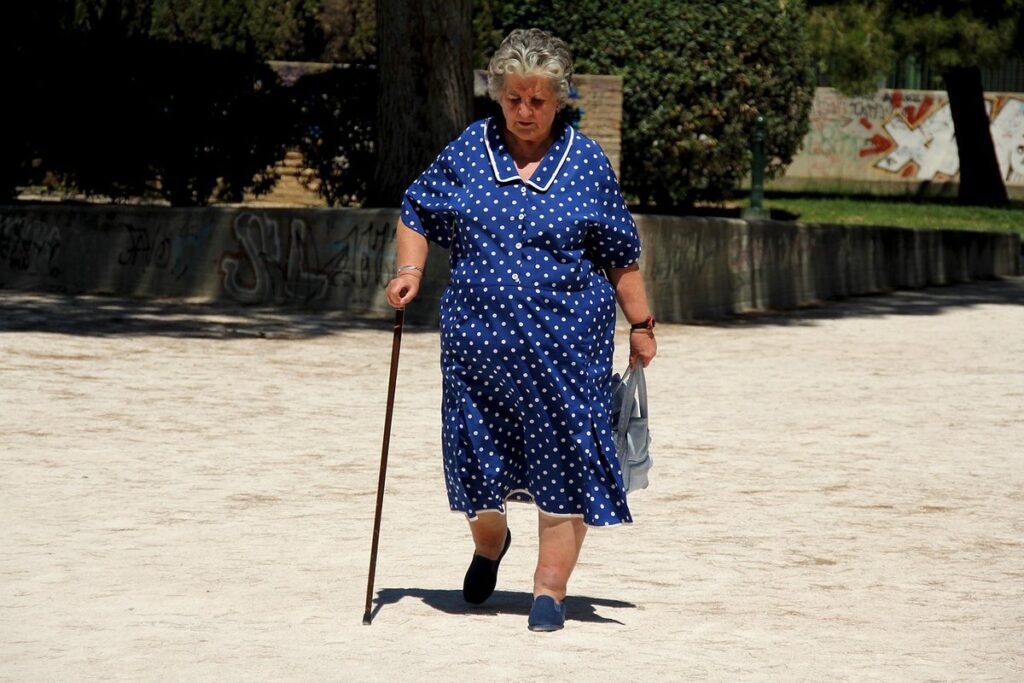
The Prevalence of Elderly Pain
Chronic pain affects millions of seniors worldwide, and understanding its prevalence is crucial for developing effective management strategies. Let’s explore some startling statistics that highlight this growing concern.
Definition and Statistics on Elderly Pain
Chronic pain is a pervasive issue among seniors, often underdiagnosed and undertreated. According to the American Geriatrics Society, approximately 50% of older adults experience chronic pain, with some estimates suggesting that number may be as high as 75%. This prevalence is concerning, given that chronic pain can significantly impact an individual’s quality of life.
The complexity of elderly pain lies in its multifaceted nature. It may arise from various sources, including degenerative conditions like osteoarthritis, back pain, and fibromyalgia. Additionally, older adults may experience pain due to comorbidities such as diabetes, cardiovascular disease, or dementia. Furthermore, certain medications and medical procedures can also contribute to chronic pain in this age group.
Statistics highlight the severity of elderly pain: a study published in the Journal of Pain found that 25% of seniors reported severe pain, while another study revealed that nearly one-third of older adults experienced moderate to severe pain at least half the time. These numbers underscore the need for effective pain management strategies tailored to this population’s unique needs and health considerations.
Factors Contributing to Elderly Pain
As we delve into the world of elderly pain, it’s essential to understand the various factors that contribute to this complex issue. Age-related conditions, such as osteoarthritis, are a significant contributor to chronic pain in seniors. According to the Centers for Disease Control and Prevention (CDC), over 30 million adults in the United States have been diagnosed with arthritis, with many experiencing pain and stiffness.
Comorbidities, or underlying medical conditions, can also play a significant role in elderly pain. For instance, diabetes and hypertension can cause nerve damage, leading to chronic pain. Furthermore, medication side effects, such as those caused by opioids and other painkillers, can exacerbate pain rather than alleviate it. In fact, studies have shown that long-term use of opioids can actually increase the risk of chronic pain.
Other factors contributing to elderly pain include muscle weakness, limited mobility, and sleep disturbances. These issues can create a vicious cycle, where pain leads to decreased activity, which in turn contributes to further pain and discomfort. By understanding these underlying factors, caregivers and healthcare providers can develop targeted treatment plans that address the unique needs of each individual.
Causes of Elderly Pain
So, what causes elderly pain? In this section, we’ll explore some common underlying factors that may be contributing to your loved one’s chronic pain.
Age-Related Conditions: Osteoarthritis and Other Joint Diseases
Osteoarthritis is one of the most common causes of elderly pain, affecting millions of seniors worldwide. This degenerative joint disease occurs when the cartilage that cushions joints wears down, leading to bone-on-bone contact and subsequent pain. Symptoms often start with aching or stiffness in the affected joints, which can worsen over time.
Rheumatoid arthritis is another prevalent joint disease causing elderly pain. Unlike osteoarthritis, rheumatoid arthritis is an autoimmune disorder where the immune system attacks healthy tissues. This leads to inflammation, swelling, and eventual joint damage. Common symptoms include morning stiffness, joint pain or tenderness, and fatigue.
Other joint diseases contributing to elderly pain include gout, psoriatic arthritis, and lupus. Gout is characterized by sudden, severe joint pain caused by uric acid crystals, while psoriatic arthritis combines the symptoms of rheumatoid arthritis with the skin condition psoriasis. Lupus is an autoimmune disease that can affect multiple joints, causing pain, swelling, and stiffness.
Accurate diagnosis is crucial for effective treatment. Doctors will typically use a combination of physical exams, medical history, and imaging tests to determine the underlying cause of joint pain. Treatment options vary depending on the specific condition but often include medication, physical therapy, lifestyle modifications, or a combination thereof. Early intervention can help manage symptoms, slow disease progression, and improve quality of life for seniors living with chronic joint pain.
Neurological Conditions: Neuropathic Pain and Dementia
Neurological conditions are a leading cause of pain in elderly individuals. Neuropathic pain, for instance, occurs when nerves become damaged and send false signals to the brain, resulting in chronic discomfort. Conditions like diabetes, shingles, and Parkinson’s disease can all contribute to neuropathic pain. Research suggests that up to 50% of people with diabetes experience some form of neuropathy.
Dementia is another neurological condition that significantly affects elderly individuals’ perception of pain. Studies have shown that people living with dementia often exhibit altered pain behavior due to cognitive impairment, making it difficult for caregivers and medical professionals to accurately assess their level of discomfort. This highlights the importance of developing effective pain assessment tools tailored to individuals with dementia.
When managing pain in seniors with neurological conditions, healthcare providers must take a holistic approach. This includes not only addressing the underlying condition but also implementing strategies to mitigate symptoms and improve overall quality of life. By doing so, caregivers can help reduce the burden of chronic pain on their loved ones.
Managing Elderly Pain Effectively
Now that we’ve discussed the causes and symptoms of elderly pain, let’s dive into practical strategies for effectively managing chronic pain in seniors at home.
Non-Pharmacological Approaches: Lifestyle Changes and Alternative Therapies
When it comes to managing elderly pain effectively, non-pharmacological approaches are just as crucial as medication. Lifestyle changes and alternative therapies can make a significant difference in improving the quality of life for seniors with chronic pain.
A well-balanced diet rich in omega-3 fatty acids, vitamins, and minerals is essential for pain management. Foods like salmon, walnuts, and spinach can help reduce inflammation, while fruits and vegetables high in antioxidants can promote healing. Additionally, staying hydrated by drinking plenty of water can also aid in pain relief.
Regular exercise, such as walking or swimming, can help alleviate chronic pain by releasing endorphins, the body’s natural painkillers. However, it’s essential to consult a healthcare professional before starting any new exercise program, especially for seniors with mobility issues.
Alternative therapies like acupuncture and physical therapy have shown promising results in managing elderly pain. Acupuncture involves inserting thin needles into specific points on the body to stimulate healing, while physical therapy can help improve range of motion, strength, and flexibility. By incorporating these non-pharmacological approaches into their daily routine, seniors with chronic pain can experience improved pain management and overall well-being.
Pharmacological Interventions: Prescription Medications and Over-the-Counter Options
When it comes to managing elderly pain effectively, pharmacological interventions play a crucial role. Prescription medications and over-the-counter options can be an essential part of a comprehensive treatment plan.
Prescription medications, such as opioids, muscle relaxants, and anti-inflammatory agents, are often prescribed for severe or chronic pain in seniors. These medications can provide significant relief from pain and discomfort, but they also come with potential risks, including dependence, addiction, and adverse interactions with other medications. For instance, a study published in the Journal of Pain and Symptom Management found that elderly patients taking opioids were more likely to experience cognitive impairment and falls.
Over-the-counter (OTC) options, like acetaminophen, ibuprofen, and topical creams, are also commonly used for pain management in seniors. While generally safer than prescription medications, OTC options can still have adverse effects, such as gastrointestinal issues or interactions with other medications. To minimize risks, it’s essential to follow dosage instructions carefully and consult with a healthcare provider before combining multiple medications.
When considering pharmacological interventions, it’s crucial to weigh the benefits against potential risks and discuss all options with a healthcare provider. They can help determine the most effective treatment plan for an individual’s specific needs and circumstances.
Challenges in Managing Elderly Pain
Managing pain in elderly individuals can be a daunting task due to underlying health conditions and age-related changes that affect medication effectiveness. We’ll explore some of these challenges next.
Polypharmacy and Medication Interactions
Managing multiple medications can be particularly challenging for seniors with chronic pain. This is known as polypharmacy, and it increases the risk of adverse effects such as falls, confusion, and other health complications.
When elderly individuals are prescribed several medications to manage different aspects of their condition, it can lead to a phenomenon called “pharmaceutical overload.” This occurs when multiple medications interact with each other in unintended ways, causing unpredictable side effects. For instance, certain antidepressants or blood thinners can increase the risk of bleeding, while others may amplify the sedative effects of pain medication.
To minimize these risks, it’s essential for healthcare providers to regularly review and adjust medication regimens. This might involve tapering off unnecessary medications or substituting them with alternative treatments that are less likely to interact with other prescriptions. Family members can also play a crucial role by monitoring their loved ones’ medication intake and reporting any changes or concerns to their caregivers.
By taking a proactive approach, we can reduce the likelihood of polypharmacy-related complications and improve overall pain management for seniors.
Psychological Factors: Depression, Anxiety, and Quality of Life
When managing elderly pain, it’s essential to consider the psychological factors at play. Depression and anxiety are common comorbidities with chronic pain in seniors, affecting not only their mental health but also their quality of life.
Depression can manifest differently in older adults, making it harder to diagnose. Look for signs such as social withdrawal, loss of interest in activities, and changes in appetite or sleep patterns. If left untreated, depression can worsen pain perception, leading to a vicious cycle.
Anxiety can also exacerbate pain, causing muscle tension and increased pain sensitivity. Symptoms may include restlessness, irritability, or difficulty concentrating. Treatment options for both conditions often involve a combination of medication and cognitive-behavioral therapy (CBT). For example, antidepressants like selective serotonin reuptake inhibitors (SSRIs) can help alleviate symptoms of depression and anxiety.
Improving quality of life requires addressing these psychological factors. This can be achieved by promoting social engagement, encouraging regular exercise, and fostering a support network. Simple activities like walking or practicing relaxation techniques, such as deep breathing or meditation, can also make a significant difference. By acknowledging the interconnectedness of physical and mental health, caregivers and healthcare professionals can develop more comprehensive treatment plans for elderly individuals with chronic pain.
Advanced Pain Management Options
For many seniors, conventional treatments may not be enough to manage chronic pain, leading to a search for more innovative and effective solutions. This is where advanced pain management options come into play.
Interventions for Refractory Pain: Interventional Procedures and Devices
When other pain management treatments fail to provide relief, elderly individuals may be considered for advanced interventions that can significantly improve their quality of life. These interventional procedures and devices are designed to target chronic pain at its source, providing a more effective solution than traditional treatments.
One such option is spinal cord stimulation (SCS), a procedure where a small device is implanted under the skin near the lower back. The device sends electrical impulses to the spinal cord, interrupting pain signals to the brain and blocking the sensation of pain. Studies have shown that SCS can significantly reduce chronic pain in seniors, with up to 80% of patients experiencing improved pain management.
Another option is intrathecal pumps, which deliver medication directly into the spinal fluid surrounding the spinal cord. These pumps are particularly effective for managing complex regional pain syndrome (CRPS) and other types of neuropathic pain that don’t respond well to oral medications. By delivering medication directly to the source of the pain, intrathecal pumps can provide sustained relief with fewer side effects.
For some elderly individuals, implantable drug delivery systems like Medtronic’s Intellis may be a suitable option. These devices allow for precise dosing and titration of medication, reducing the need for oral medications and associated side effects. With an advanced device like this, patients can enjoy improved pain management and enhanced quality of life.
When considering these advanced interventions, it’s essential to weigh the benefits against potential risks and complications. Consulting with a multidisciplinary team of healthcare professionals, including pain specialists and geriatricians, can help ensure that the best course of treatment is chosen for each individual.
The Future of Elderly Pain Management
As we explore new advancements and technologies, what can we expect for elderly pain management? We’ll delve into the promising developments that may change the way we treat chronic pain in seniors.
Research Directions and Emerging Technologies
The field of elderly pain management is rapidly evolving, with researchers and innovators developing new technologies and strategies to improve care for seniors. Gene therapy, for instance, holds promise as a potential game-changer in pain relief. By using genetic modifications to increase the production of natural painkillers or reduce inflammation, gene therapy may provide more targeted and effective treatment options.
Nanotechnology is another area of research that’s gaining attention in elderly pain management. Nanoparticles can be designed to deliver medication directly to the site of pain, reducing side effects and improving efficacy. This approach has shown promise in preclinical studies, with some researchers suggesting that nanotechnology could lead to more precise and personalized treatment plans.
Artificial intelligence (AI) is also being explored for its potential in elderly pain assessment and treatment planning. AI-powered algorithms can analyze large datasets, including medical histories, lab results, and patient feedback, to identify patterns and develop tailored treatment recommendations. This not only enhances the accuracy of diagnosis but also streamlines care coordination among healthcare providers.
As these emerging technologies continue to advance, it’s essential for healthcare professionals to stay informed about their potential applications in elderly pain management. Staying up-to-date on the latest research and developments can help clinicians provide more effective and compassionate care for seniors with chronic pain. By embracing innovative solutions and collaborating across disciplines, we can work towards a future where elderly individuals receive the relief they need from debilitating pain.
Researchers are also investigating other promising areas, such as:
• The use of wearable devices to monitor pain levels and track treatment effectiveness
• Development of implantable devices that stimulate nerves to block pain signals
• Integration of mobile health (mHealth) platforms for remote monitoring and patient engagement
Frequently Asked Questions
What are the most effective lifestyle changes I can make to manage elderly pain?
Implementing a balanced diet, regular exercise, and stress management techniques can significantly alleviate elderly pain. Focus on incorporating omega-3 rich foods, calcium supplements, and engaging in low-impact activities like yoga or swimming. Aim for 7-8 hours of sleep per night and establish a relaxing bedtime routine to improve sleep quality.
Can I use over-the-counter medications without consulting my doctor first?
No. It’s essential to consult with your healthcare provider before taking any prescription or over-the-counter medication, especially if you’re experiencing elderly pain. They can help determine the underlying cause of your pain and recommend the most effective treatment plan, including safe dosage and potential interactions with other medications.
How do I approach discussing my pain with family members or caregivers?
Communicate openly and honestly about your pain experiences, needs, and feelings with loved ones. Explain how it affects daily activities, sleep, and overall well-being. Encourage them to ask questions and offer support, which can be invaluable in managing elderly pain.
What are some non-pharmacological approaches I can try for neuropathic pain management?
Explore alternative therapies like acupuncture, massage therapy, or cognitive behavioral therapy (CBT) with a licensed therapist. These treatments can help alleviate neuropathic pain symptoms without medication. You may also consider incorporating mindfulness practices like meditation and deep breathing exercises to reduce stress and discomfort.
What are some common signs of depression in seniors that I should be aware of?
Watch for changes in appetite, sleep patterns, social withdrawal, or decreased interest in activities they once enjoyed. If you notice these symptoms, encourage your loved ones to speak with their healthcare provider about possible depression diagnosis and treatment options.