
Are you considering downsizing to a retirement apartment? Or maybe you’re already a resident, looking for ways to make the most of your living situation. Either way, this is an exciting but often overwhelming time. With so many options out there, it’s hard to know where to start.
In this article, we’ll break down the benefits and considerations of living in a retirement apartment. From financial planning and budgeting to healthcare services and community amenities, we’ll cover it all. You’ll learn how to choose the right location for your needs, including proximity to healthcare facilities, public transportation, and social activities. We’ll also explore what to look for in a retirement community, from safety features to recreational opportunities. By the end of this article, you’ll have a clear understanding of what to expect and how to make informed decisions about your retirement living arrangements.
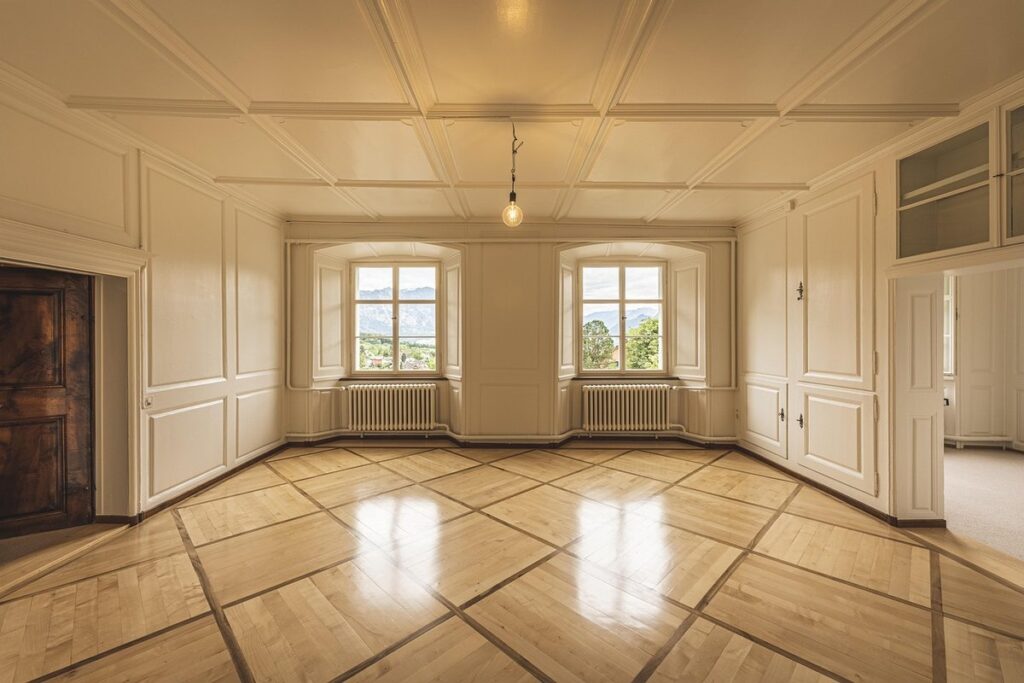
Benefits and Considerations for Retirement Apartment Living
When considering retirement apartment living, weighing the benefits against potential drawbacks is crucial to making an informed decision that’s right for you. Let’s explore both aspects in more detail.
What to Expect from Apartment Life as a Retiree
As you consider apartment living as a retiree, it’s essential to understand what you can expect from this lifestyle. One of the most significant advantages is maintenance-free living. Imagine having someone else take care of repairs, replacements, and upkeep tasks – freeing up your time for more enjoyable pursuits.
In addition to hassle-free living, apartment communities often offer social opportunities that are perfect for retirees looking to stay connected with others. Community events, game nights, and potluck dinners can help you meet new people and build lasting relationships. Many apartments also feature amenities like pools, fitness centers, and clubhouses that encourage socialization and exercise.
These benefits can significantly enhance your retirement experience. With more time on your hands, you can explore hobbies, travel, or simply relax in the comfort of your own home. To get the most out of apartment living, be sure to research your options carefully and prioritize amenities that suit your needs and interests. By doing so, you’ll find a community that feels like home – and enjoy all the benefits that come with it.
Financial Considerations for Senior Apartments
When considering senior apartments, it’s essential to understand the financial implications of this decision. The costs associated with senior apartments can be broken down into several components: rent, utilities, and potential fees.
Rent is typically the largest expense for seniors living in apartments. It can range from $1,000 to over $3,000 per month, depending on factors like location, amenities, and level of care required. Utilities such as electricity, water, and gas are usually included in the rent or can be paid separately.
In addition to these expenses, there may be additional fees for services like meal plans, transportation, or maintenance. Some senior apartments offer all-inclusive pricing, which can simplify budgeting but may come with higher costs overall. To budget effectively, consider using a 50/30/20 rule: allocate 50% of your income towards essential expenses like rent and utilities, 30% for discretionary spending, and 20% for savings.
If you’re struggling to afford the costs associated with senior apartments, explore financial assistance programs like Medicaid, Supplemental Security Income (SSI), or Veterans Affairs benefits. These programs can help cover some or all of your living expenses, making it more affordable to live in a senior apartment.
Types of Retirement Communities and Apartment Options
When considering retirement apartment living, it’s essential to understand the various types of communities and apartment options available. Independent living facilities offer a maintenance-free lifestyle, allowing residents to focus on socializing and pursuing hobbies. These communities often feature amenities like fitness centers, pools, and transportation services.
Assisted living facilities provide support with daily activities such as bathing, dressing, and medication management. They also offer assistance with mobility and coordination, ensuring residents’ safety and well-being. In contrast, memory care facilities cater to individuals with Alzheimer’s or dementia, providing a secure and supportive environment that promotes cognitive function.
Apartment layouts vary significantly, from compact studios to spacious two-bedroom units. Many retirement communities offer studio apartments specifically designed for seniors with mobility issues. Some feature walk-in showers, grab bars, and wheelchair-accessible kitchens, making daily tasks easier and safer. When choosing an apartment, consider factors like location, affordability, and available amenities that align with your needs and preferences.
Choosing the Right Location for Your Retirement Apartment
When selecting a retirement apartment, the location is one of the most crucial factors to consider. You’ll want to think about proximity to amenities, safety concerns, and overall desirability for your lifestyle.
Factors to Consider When Selecting a Retirement Community
When selecting a retirement community, there are several essential factors to consider that can greatly impact your daily life. Proximity to healthcare services is one of the most critical considerations. You’ll want to choose a location with access to hospitals, clinics, and medical facilities that cater specifically to seniors’ needs.
Public transportation is another vital factor to think about. As you age, driving may become increasingly challenging or even impossible. A retirement community with reliable public transportation options can ensure you stay connected and mobile. Additionally, consider the availability of on-site amenities such as libraries, fitness centers, and entertainment venues that promote socialization and engagement.
Shopping centers nearby are also an essential consideration. Easy access to grocery stores, pharmacies, and other essentials can make a significant difference in your quality of life. Some retirement communities even offer on-site convenience stores or shuttle services to local shopping areas.
Neighborhoods with High Demand for Senior Apartments
When considering retirement apartments, location is key. You’ll want to find an area that suits your lifestyle, budget, and needs. Certain neighborhoods are particularly popular among retirees due to their accessibility, affordability, and amenities.
For instance, downtown areas like Phoenix’s Central Avenue or Denver’s LoDo neighborhood offer a mix of urban convenience and senior-friendly living. These locations often feature walkable streets, public transportation, and access to shopping, dining, and entertainment. Many successful senior apartment communities are situated in these neighborhoods, such as the Phoenix-based Esplanade at Desert Ridge, which offers resort-style amenities and stunning views.
Other popular areas include coastal cities like San Diego’s La Jolla or Miami Beach, where retirees can enjoy ocean views, mild climates, and a relaxed pace of life. Some examples of successful senior apartment communities in these locations are The Palms in La Jolla and The Watermark in Miami Beach. These communities often provide a range of amenities, including fitness centers, pool decks, and community rooms.
When exploring neighborhoods, consider factors like proximity to healthcare services, public transportation, and local attractions. Research the area’s crime rate, noise level, and overall quality of life to ensure it aligns with your preferences. By selecting a location that meets your needs, you’ll be well on your way to enjoying a comfortable and fulfilling retirement in an apartment community that suits your lifestyle.
Health and Wellness in Retirement Apartment Living
As you navigate apartment living in retirement, maintaining your physical and mental health becomes increasingly important, and we’ll cover some essential tips to keep you thriving. From fitness programs to nutrition advice, we’ve got you covered.
Access to Healthcare Services and Facilities
When living in retirement apartments, access to healthcare services and facilities can be a significant concern for many retirees. Fortunately, most retirement communities offer on-site medical facilities, health centers, or partnerships with nearby hospitals, making it easier for residents to prioritize their health.
Typically, these on-site facilities provide basic medical care, such as routine check-ups, vaccinations, and minor treatments. Some even have dedicated healthcare professionals, like nurse practitioners or doctors, who are available for consultations and follow-up appointments. For more complex issues, partnerships with nearby hospitals enable retirees to receive specialized care without having to leave the community.
To access these services, many retirement apartments require residents to schedule appointments in advance through a central office or online portal. Some communities also offer transportation services to medical facilities, making it easier for those who may not have reliable transportation.
Prioritizing health is crucial in retirement, and taking advantage of available healthcare services can make all the difference. By staying on top of regular check-ups and following recommended treatment plans, retirees can maintain their independence and quality of life.
Opportunities for Physical Activity and Socialization
As you settle into retirement apartment living, it’s essential to make the most of the opportunities available for physical activity and socialization. Many apartments offer a wide range of recreational activities and events that can help keep you engaged, active, and connected with others.
Fitness classes are often included in the amenities package, providing an excellent way to stay physically fit without having to leave your community. Consider joining yoga or Pilates classes to improve flexibility and balance, or try group walks or bike rides for cardiovascular exercise. You might even discover a new sport or activity you never knew you’d enjoy!
In addition to fitness classes, many retirement apartments host sports clubs, cultural programs, and other social events that encourage interaction with fellow residents. For instance, you could join a book club, learn a new language, or participate in art classes. These activities not only help maintain physical health but also foster mental stimulation, creativity, and a sense of belonging.
Make the most of these opportunities by attending events, joining clubs, and exploring new interests. Not only will this contribute to your overall well-being but also provide a chance to form lasting friendships with like-minded individuals in your community.
Managing Finances and Resources in Retirement Apartment Living
As you plan your retirement apartment living, managing your finances and resources will be a crucial aspect to ensure a comfortable and stress-free lifestyle. We’ll explore essential tips for allocating your budget effectively.
Budgeting and Financial Planning for Senior Apartments
Creating a budget for senior apartments requires careful consideration of income and expenses. Start by tracking your income from all sources, including pensions, Social Security benefits, and any part-time work. Next, list all your expenses, such as rent, utilities, food, and healthcare costs.
Prioritize essential expenses like rent, utilities, and medication. Consider using the 50/30/20 rule: allocate 50% of your income towards necessary expenses, 30% for discretionary spending, and 20% for saving and debt repayment.
Explore financial assistance programs available to senior apartment residents, such as Medicaid, Supplemental Security Income (SSI), or state-specific programs. These resources can help cover healthcare costs, food, and other essential expenses. For example, some states offer the “Extra Help” program, which provides additional financial support for Medicare beneficiaries.
Consult with a financial advisor to create a personalized budget and optimize your financial plan. Regularly review and adjust your budget as needed to ensure it aligns with your changing needs and expenses.
Available Services and Amenities to Enhance Quality of Life
When it comes to retirement apartment living, many communities offer an array of services and amenities designed to enhance quality of life. These can include meal preparation, housekeeping, and transportation options, which can significantly alleviate the burden of daily responsibilities.
Meal preparation is a particularly appealing service for retirees who enjoy cooking but may struggle with meal planning or grocery shopping. Many communities offer in-house chefs who prepare healthy, delicious meals in their on-site dining rooms. This not only saves time but also provides social opportunities to connect with neighbors and friends over mealtime.
Housekeeping services are another valuable amenity, allowing residents to maintain a clean and tidy living space without the physical demands of cleaning and laundry. Transportation options can include scheduled shuttle buses or even car services for appointments and errands, giving retirees greater freedom to get around without worrying about driving themselves.
By taking advantage of these additional services, retirees can focus on what matters most – enjoying their golden years with peace of mind and a sense of independence.
Addressing Concerns about Safety and Security in Retirement Apartments
One of your top concerns when considering a retirement apartment is likely safety and security, so let’s address these issues head-on to give you peace of mind.
Understanding Emergency Response Systems and Protocols
When it comes to living in retirement apartments, safety and security are top concerns for many retirees. Emergency response systems play a crucial role in ensuring the well-being of residents, particularly those with mobility issues or medical conditions. These systems typically include alarm systems, medical alert systems, and on-site security personnel.
Alarm systems can be installed throughout the apartment complex to detect potential threats such as fire, smoke, or break-ins. Medical alert systems allow residents to call for help in case of an emergency, with some systems even offering fall detection features. On-site security personnel are also often available 24/7 to respond to emergencies and provide assistance.
To ensure a safe living environment, retirement apartments may also implement protocols such as regular fire drills, emergency evacuation plans, and staff training on responding to medical emergencies. For example, some complexes have panic buttons in each apartment that can be pressed in case of an emergency, alerting security personnel immediately. By having these measures in place, retirement apartments can provide a sense of peace of mind for residents and their families.
Strategies for Maintaining Independence and Autonomy
Maintaining independence and autonomy is crucial for retirees living in senior apartments. One effective strategy is to stay connected with family and friends through regular visits, phone calls, or video chats. This not only provides emotional support but also helps maintain a sense of belonging.
Engaging in hobbies and interests is another way to maintain independence. Pursue activities that bring joy and fulfillment, such as painting, gardening, reading, or playing music. Many senior apartments offer on-site amenities like art studios, libraries, or community gardens that can facilitate these pursuits.
Community activities are also essential for retirees who value autonomy. Joining a book club, volunteering for local causes, or participating in exercise classes can help stay connected with others and maintain physical health. For instance, some senior apartments have walking clubs or fitness programs that encourage residents to stay active while socializing. By staying engaged and involved, retirees can maintain their independence and live comfortably in their senior apartment.
Conclusion: Making an Informed Decision about Retirement Apartment Living
As you’ve reached the end of our comprehensive guide, it’s time to summarize key takeaways and weigh the pros and cons of retirement apartment living.
Recap of Key Points and Takeaways
As you near the end of this comprehensive guide on retirees living in apartments, it’s essential to recap the key points and takeaways. Selecting a retirement apartment can be a daunting task, but by weighing the benefits and drawbacks, considering individual needs and preferences, and planning carefully, you can make an informed decision that suits your lifestyle.
From discussing the pros of senior apartment living, such as maintenance-free living, social opportunities, and accessibility to amenities, to exploring the cons, including potential limitations on customization and increased costs, we’ve provided a thorough examination of the options. Remember to consider factors like budget, location, and personal preferences when evaluating retirement apartments.
Don’t forget to assess your own needs and priorities: Do you value independence or community interaction? Are there specific amenities that are non-negotiable for you? By carefully weighing these factors against the benefits and drawbacks of senior apartment living, you’ll be well on your way to making an informed decision about your future retirement residence.
Final Thoughts on Creating a Fulfilling Retirement Experience
As you consider or already live in an apartment community during retirement, remember that this phase of life is not just about relaxation but also about staying engaged, connected, and active. It’s easy to fall into a routine of doing the same things every day, but it’s essential to keep challenging yourself and exploring new interests.
Staying social is crucial for mental and emotional well-being in retirement. Join your apartment community’s clubs or events, volunteer for local organizations, or take classes at a nearby college. These activities not only provide opportunities to meet new people but also help you stay mentally sharp and engaged. For instance, many retirees have found that taking up a hobby like painting or gardening has helped them connect with others who share similar interests.
Make the most of your retirement by staying active and pursuing new experiences. Whether it’s trying a new restaurant, learning a new language, or traveling to a new destination, there are countless ways to keep life exciting.
Frequently Asked Questions
Can I still have a pet if I move to a retirement apartment?
While some retirement communities may not allow pets, many do! It’s essential to check the community’s pet policy before making a decision. Some communities offer pet-friendly apartments or provide recommendations for nearby pet-sitting services.
How can I balance my desire for independence with the need for support in a retirement apartment?
It’s common for retirees to worry about losing their independence when moving into an apartment. Look for communities that offer flexible service options, such as meal delivery or transportation assistance. This way, you can receive help when needed while still maintaining your autonomy.
What if I have specific healthcare needs – will I be able to find a retirement community that meets those requirements?
Many retirement apartments and communities cater to seniors with varying health needs. When researching, look for communities that offer on-site medical facilities, specialized care services (e.g., physical therapy), or partnerships with local hospitals.
How can I stay connected with friends and family who live far away after moving to a retirement apartment?
Staying connected is crucial for retirees’ mental and emotional well-being. Look for communities with regular social events, online communities, or concierge services that can help facilitate communication with loved ones.
What’s the typical process for applying to a retirement community, and what documentation will I need?
The application process may vary depending on the community. Generally, you’ll need to provide identification, proof of income, and health information. Be prepared to ask questions about the community’s acceptance criteria and any additional requirements during your visit or initial inquiry.
Can I make changes to my retirement apartment if I outgrow it or have specific needs?
Many communities offer flexible living arrangements, including the option to upgrade or downgrade apartments as needed. It’s essential to review the community’s policies on modifying apartments and understand what modifications are allowed.