
As we age, maintaining our independence and quality of life becomes increasingly important. One key factor that plays a significant role in this is our mobility – or rather, our ability to move freely and easily. Unfortunately, many older adults struggle with declining mobility due to various factors such as chronic health conditions, physical limitations, and even social isolation. However, staying active and mobile can have a profound impact on both our physical and mental well-being. In this article, we’ll explore the importance of maintaining mobility in aging adults, discuss common challenges that affect mobility, and provide practical strategies for staying active and independent as we age. By understanding how to address these factors, we can improve our health, regain control over our lives, and truly thrive in our golden years.
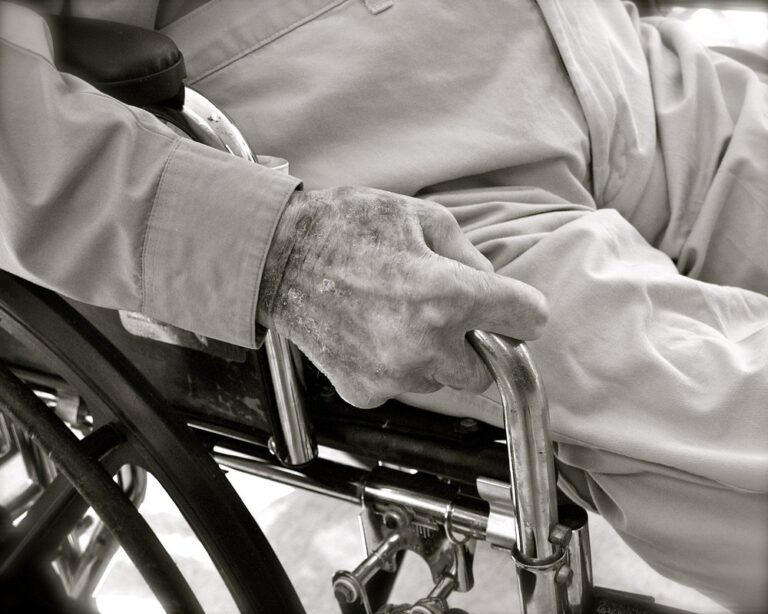
The Importance of Mobility in Aging
As we age, maintaining mobility becomes crucial for our overall health and well-being, influencing our quality of life and independence. This is where understanding its significance comes into play.
Definition and Significance of Mobility in Older Adults
Mobility is often misunderstood as simply being able to walk or move around. However, in the context of aging, it encompasses much more than that. Mobility refers to the ability to perform daily activities with ease and independence, which is crucial for maintaining physical health, mental well-being, and overall quality of life.
As we age, mobility becomes increasingly important because it directly affects our ability to engage in everyday tasks, such as grocery shopping, cooking, and socializing. Without sufficient mobility, older adults may experience feelings of isolation, loneliness, and helplessness. In fact, research suggests that mobility is a strong predictor of successful aging, with studies showing that adults who maintain high levels of physical activity and mobility have lower rates of chronic disease and disability.
To put this into perspective, consider the example of Jane, an 80-year-old woman who continues to walk daily and participate in her favorite hobby – gardening. Her mobility has not only allowed her to remain independent but also enabled her to stay connected with family and friends, maintain her physical health, and pursue activities she loves.
Factors Affecting Mobility in Older Adults
Decreased mobility is a common issue among older adults, affecting their quality of life and independence. Various factors contribute to this decline, making it essential to understand these elements to develop effective strategies for maintaining mobility.
Chronic diseases such as osteoarthritis, diabetes, and heart conditions can significantly impact mobility by causing pain, inflammation, or limiting energy levels. For instance, a study found that individuals with osteoarthritis are more likely to experience decreased physical function and reduced mobility compared to their healthy counterparts.
Physical disabilities, including muscle weakness, balance issues, and gait disturbances, also play a significant role in declining mobility. Environmental barriers like uneven sidewalks, stairs, or lack of accessible facilities can further restrict older adults’ movement.
To mitigate these factors, it’s crucial for individuals to maintain an active lifestyle through regular exercise, such as strength training and flexibility exercises. This can be achieved through simple activities like walking, yoga, or swimming. Moreover, creating a safe and accessible living environment by removing tripping hazards and installing handrails can also facilitate mobility. By addressing these factors proactively, older adults can significantly improve their mobility and maintain their independence for longer.
The Consequences of Limited Mobility in Aging
Limited mobility can have far-reaching consequences on our overall health as we age. One of the most significant risks associated with reduced mobility is an increased likelihood of falls. According to the World Health Organization (WHO), falls are a leading cause of injury and death among older adults, resulting in fractures, head trauma, and even long-term disabilities.
As mobility declines, so does independence. Simple tasks like grocery shopping or cooking become daunting challenges. This loss of autonomy can lead to feelings of isolation and frustration, negatively impacting mental well-being. A study published in the Journal of Aging Research found that older adults with limited mobility are more likely to experience depression and anxiety due to their reduced ability to participate in daily activities.
It’s essential for individuals to prioritize maintaining their mobility as they age. This can be achieved through regular exercise, such as walking or swimming, and engaging in activities that promote balance and flexibility. Consulting with a healthcare professional can help create a personalized plan to address any underlying mobility issues, ensuring a healthier, more independent life.
Physical Changes Associated with Aging and Mobility
As we age, our bodies undergo significant physical changes that can impact our mobility, including changes to our muscle mass, bone density, and flexibility. These changes can be both subtle and profound.
Musculoskeletal Changes Affecting Mobility
As we age, our musculoskeletal system undergoes significant changes that can significantly impact our mobility. One of the primary concerns is muscle loss, also known as sarcopenia. This condition affects both men and women, with an estimated 30% of adults over 50 experiencing a decline in muscle mass. As muscles weaken, everyday activities become more challenging, making it harder to maintain independence.
Joint degeneration is another critical issue affecting mobility in older adults. Wear and tear on joints can lead to osteoarthritis, causing pain, stiffness, and limited range of motion. For instance, if you’ve ever experienced knee or hip pain after a long walk, this could be an early sign of joint degeneration.
Maintaining bone density is crucial as we age, as weakened bones increase the risk of fractures. A study found that among adults aged 50-70, a significant decrease in bone mineral density was associated with reduced mobility and increased risk of falls. Fortunately, there are ways to mitigate these changes. Regular exercise, particularly weight-bearing activities like walking or strength training, can help maintain muscle mass and bone density.
Cardiovascular Changes Impacting Mobility
As we age, our cardiovascular system undergoes significant changes that can significantly impact our mobility. One of the key changes is a reduction in blood flow to our muscles. This decrease in blood circulation means that oxygen and nutrients are not reaching our muscles as efficiently, making it harder for us to move around.
Another crucial change is a decline in aerobic capacity, which affects how our body uses oxygen during physical activity. As we age, our bodies become less efficient at transporting oxygen to the muscles, leading to fatigue and shortness of breath even with minimal exertion. For instance, taking the stairs or walking uphill may leave you panting.
Aging also increases the risk of cardiovascular disease (CVD), which is a major cause of mobility issues in older adults. CVD includes conditions such as high blood pressure, heart failure, and coronary artery disease. According to the World Health Organization (WHO), approximately 17.9 million people die each year due to CVD.
To mitigate these effects and maintain healthy mobility, it’s essential to prioritize cardiovascular exercise, manage weight, monitor blood pressure, and limit sedentary activities. Regular physical activity can help maintain or even improve aerobic capacity and reduce the risk of CVD. Even small changes, such as taking a 10-minute walk each day, can make a significant difference in overall mobility and well-being.
Nervous System Changes Affecting Motor Function
As we age, changes in our nervous system can significantly impact motor function. The process of aging affects the communication between neurons, leading to slower transmission of signals and reduced muscle strength. This decline is especially noticeable in older adults, where even simple tasks like walking or climbing stairs become more challenging.
One key change affecting motor function is the reduction in muscle mass and strength. This phenomenon, known as sarcopenia, can lead to frailty and increased risk of falls. Furthermore, age-related degeneration of the nervous system’s ability to regulate movement can cause tremors, rigidity, and decreased coordination.
It’s essential for older adults to be aware of these changes and take proactive steps to maintain mobility. Regular exercise, such as resistance training and balance exercises, can help slow down muscle loss and improve strength. Additionally, engaging in activities that promote cognitive function, like puzzles or learning a new skill, can also have a positive impact on motor function.
Age-related changes can be managed with the right approach, allowing older adults to maintain their independence and quality of life. By incorporating simple exercises into daily routines and staying active, individuals can mitigate the effects of nervous system changes and preserve their mobility for years to come.
Strategies for Maintaining and Improving Mobility in Older Adults
As we age, it’s essential to prioritize maintaining our mobility to live a healthy, independent life. This section explores practical strategies to support your physical activity and well-being as you grow older.
Exercise and Physical Activity Programs
Regular exercise is a crucial component of maintaining mobility in older adults. Programs such as tai chi, yoga, and Pilates are excellent choices for improving balance and flexibility. Tai chi, in particular, has been shown to reduce the risk of falls by 43% and improve cognitive function (1). Group fitness classes that incorporate strength training exercises can also be beneficial, targeting major muscle groups such as legs, hips, back, and arms.
Exercise programs like A Matter of Balance and Otago Exercise Program have been specifically designed for older adults with mobility issues. These programs focus on exercises to improve balance, strength, and flexibility while reducing the risk of falls (2). For example, A Matter of Balance involves a series of exercises that can be done at home or in a group setting.
It’s essential to choose an exercise program that suits your fitness level and interests. Consult with a healthcare professional before starting any new exercise routine. Consider incorporating physical activities you enjoy into your daily routine, such as walking, swimming, or gardening. This will make it more likely for you to stick with the program long-term. By engaging in regular physical activity, older adults can maintain their mobility, reduce the risk of falls, and improve overall health.
References:
(1) US National Institute on Aging
(2) Centers for Disease Control and Prevention
Assistive Devices and Technology to Enhance Mobility
As we age, our mobility can decline due to various factors such as muscle weakness, joint pain, and reduced balance. Assistive devices and technology play a crucial role in helping older adults maintain or regain their mobility. One of the most common assistive devices is the walker, which provides support and stability for those with limited mobility. Wheelchairs are another option, allowing individuals to move around without putting excessive strain on their joints.
Wearable sensors and smart canes also offer innovative solutions for enhancing mobility. These devices track an individual’s daily activities, providing valuable insights into their movement patterns. For instance, a wearable sensor can monitor steps taken, distance covered, and even detect falls. This information enables healthcare professionals to tailor exercise programs and rehabilitation plans accordingly.
In addition to these devices, technology has made it possible for older adults to control their surroundings with ease. Smart home systems allow individuals to adjust lighting, temperature, and even open doors without having to physically move around. By leveraging assistive devices and technology, older adults can maintain a higher level of independence, engage in physical activities, and live healthier lives.
Home Modifications to Support Safe Mobility
As we age, our physical abilities can change significantly, affecting our mobility and increasing the risk of falls. Home modifications can play a crucial role in supporting safe mobility by creating a safer living environment that reduces the risk of accidents.
Some essential home modifications to consider include installing handrails on both sides of stairs, widening doorways to accommodate walkers or wheelchairs, and improving lighting throughout the home. Non-slip mats or stickers in strategic locations can also help prevent slips and falls. Additionally, considering a roll-in shower with a seat and grab bars can be incredibly beneficial for individuals who experience mobility issues.
You may want to consider installing a stairlift if you have multi-story homes and find it difficult to navigate stairs. Furthermore, maintaining a clear path through the home by keeping clutter at bay can also help prevent accidents.
These modifications not only enhance safety but also promote independence and confidence in older adults. By incorporating these simple yet effective changes, individuals can maintain their mobility and enjoy a more secure and comfortable living environment for years to come.
The Role of Healthcare Providers in Promoting Mobility in Aging
Healthcare providers play a crucial role in promoting mobility in aging, often serving as catalysts for change by providing personalized guidance and support to older adults. By doing so, they help empower individuals to take control of their physical health.
Assessment and Diagnosis of Mobility-Related Issues
Comprehensive assessment and diagnosis by healthcare providers are crucial to identify mobility-related issues in older adults. A thorough evaluation helps in pinpointing the underlying causes of mobility problems, which may range from muscle weakness to chronic pain, neurological conditions, or even cognitive impairments.
During an assessment, healthcare providers will typically take a detailed medical history, perform physical examinations, and use standardized tools like gait analysis to measure walking speed and balance. They may also order imaging tests such as X-rays or MRIs to rule out any underlying skeletal issues.
For instance, in a case study published by the American Geriatrics Society, healthcare providers used a comprehensive assessment tool that included a functional capacity evaluation (FCE) to identify mobility-related issues in older adults. The results showed that FCE was effective in identifying patients at risk of mobility problems and guiding targeted interventions.
As an older adult, knowing what to expect during your medical appointments can empower you to ask questions and take control of your healthcare. Be sure to discuss any concerns or limitations with your healthcare provider, and advocate for yourself by asking about the assessment process and how it will benefit your overall health and mobility.
Development and Implementation of Effective Treatment Plans
Developing an effective treatment plan to address mobility-related concerns is crucial for aging individuals. Healthcare providers play a vital role in this process, requiring them to be proactive and comprehensive in their approach. This involves conducting thorough assessments of the individual’s physical condition, medical history, and lifestyle factors that may impact mobility.
Medication management is a critical aspect of treatment planning. Older adults are often prescribed multiple medications, which can lead to adverse reactions and interactions that exacerbate mobility issues. Healthcare providers must carefully review patients’ medication regimens and make adjustments as necessary to minimize these risks.
Physical therapy referrals are also essential in addressing mobility concerns. Regular exercise programs tailored to the individual’s needs can help improve strength, balance, and flexibility, reducing the risk of falls and related injuries. Providers should work closely with physical therapists to develop personalized plans that address specific mobility issues and promote overall health and well-being.
Collaboration with Caregivers and Family Members
Collaboration with caregivers and family members is essential when promoting mobility in aging adults. Healthcare providers play a crucial role in facilitating this collaboration by engaging with caregivers and family members to develop effective care plans.
When working with caregivers, healthcare providers should assess their knowledge of the older adult’s condition, treatment plan, and mobility goals. This assessment helps identify any gaps or misinformation that may hinder progress. By educating caregivers on safe exercise techniques, proper body mechanics, and fall prevention strategies, they can better support the older adult’s mobility.
Healthcare providers should also involve family members in care planning discussions to ensure everyone is aligned with the older adult’s goals. Family members can provide valuable insights into the older adult’s daily routines, preferences, and challenges, which inform personalized care plans. By fostering open communication among caregivers, family members, and healthcare providers, we can create a unified approach to promoting mobility and preventing disability in aging adults.
This collaborative effort requires empathy, understanding, and clear communication. Healthcare providers should establish a rapport with caregivers and family members, addressing their concerns and answering questions thoroughly.
Conclusion: Empowering Older Adults to Maintain Mobility and Independence
As we conclude our exploration of mobility and aging, let’s focus on empowering older adults to maintain their independence and mobility through effective strategies.
Summary of Key Findings and Recommendations
In recap, maintaining mobility is crucial for older adults to maintain their independence and quality of life. Our exploration of the impact of aging on mobility has highlighted several key factors, including physical inactivity, chronic conditions, and cognitive decline. We’ve also discussed the importance of early intervention and the role of exercise, social engagement, and environmental modifications in promoting mobility.
Based on our analysis, we recommend that healthcare providers prioritize assessments for mobility limitations during routine check-ups. This can help identify individuals at risk for mobility loss and enable timely interventions. Additionally, older adults should aim to incorporate physical activity into their daily routines, such as brisk walking or light exercise, even if it’s just 10-15 minutes a day.
Practically speaking, this could involve finding a walking buddy, taking the stairs instead of the elevator, or participating in local exercise classes. By adopting these strategies, older adults can take proactive steps towards maintaining their mobility and independence well into old age.
Future Directions for Research and Practice
As we conclude our exploration of mobility and aging, it’s clear that there is still much to be discovered about promoting healthy mobility in older adults. Emerging trends suggest a shift towards more personalized approaches to care, incorporating technology and AI-powered assistive devices to support independent living.
Research gaps persist in understanding the impact of social determinants on mobility, such as socioeconomic status and access to green spaces. Closing these gaps will require interdisciplinary collaboration between researchers from fields like gerontology, epidemiology, and environmental science.
Best practices for promoting mobility include incorporating physical activity into daily routines, managing chronic conditions through multidisciplinary care, and providing accessible transportation options. The development of ‘mobility-friendly’ communities, with walkable streets and accessible public spaces, is also crucial.
To get started, consider consulting with a healthcare professional to assess your individual needs and create a personalized mobility plan. Explore local initiatives promoting aging-in-place and independent living, and advocate for policy changes that support the mobility needs of older adults in your community.
Frequently Asked Questions
Can I still improve my mobility even if I have a chronic health condition?
Yes, it’s possible to improve your mobility with chronic health conditions. While some limitations may exist, consulting with healthcare professionals can help create personalized exercise and activity plans tailored to your needs.
How often should I engage in physical activity for optimal mobility benefits?
Regular physical activity is crucial for maintaining mobility. Aim for at least 30 minutes of moderate-intensity exercise or 15 minutes of vigorous-intensity exercise per day, ideally divided into sessions throughout the week.
What are some affordable home modifications to support safe mobility?
Simple and cost-effective modifications include installing handrails in strategic locations, using non-slip mats in bathrooms and kitchens, and securing loose rugs to prevent tripping hazards. Consult local resources or online guides for more ideas and budget-friendly solutions.
Can I use assistive devices without sacrificing my independence?
No, assistive devices can enhance mobility while maintaining independence. From walkers and canes to electronic devices like wheelchairs and scooters, these tools can help you navigate safely and confidently, preserving your autonomy.
How can family members and caregivers support an older adult’s mobility goals?
Encourage open communication about their needs and preferences, offer assistance with exercise routines, and accompany them on outings for social interaction and emotional support. By being involved and understanding the importance of mobility, you can help them stay active and engaged.