
Are you tired of struggling to hear in noisy environments with only one functioning ear? You’re not alone. Millions of people around the world live with single-sided deafness, and it can be incredibly challenging to communicate effectively. That’s why hearing aids for one ear have become an essential solution for many individuals.
In this article, we’ll explore the options available for single-sided hearing aids, highlighting their benefits and maintenance tips. You’ll learn how these devices can enhance your communication skills in noisy environments, improve sound quality, and even help you find personalized solutions tailored to your specific needs. With expert advice, we’ll guide you through the process of finding the right hearing aid for one ear, so you can start enjoying improved communication and a better quality of life.
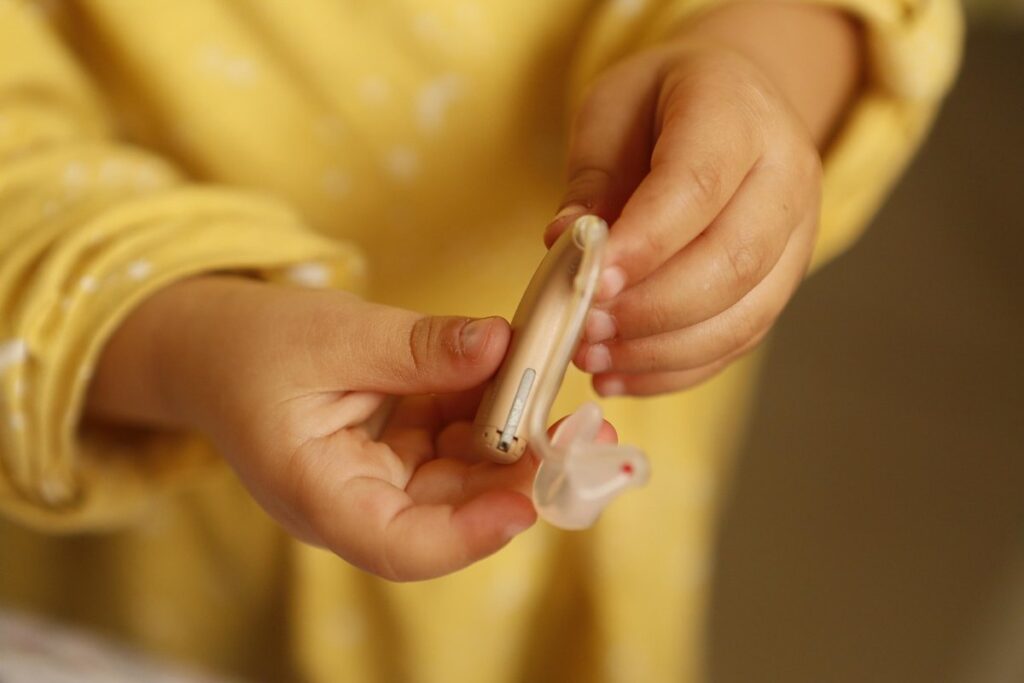
What Are Single-Sided Hearing Aids?
You may have heard of hearing aids that only amplify sound from one ear, known as single-sided hearing aids. This section explains what they are and how they work.
Types of Single-Sided Hearing Aids
When it comes to single-sided hearing aids, there are several types of devices that can help individuals with one ear experiencing hearing loss. One type is the bone-anchored system, which involves surgically implanting a small device into the skull. This device captures sound vibrations and transmits them directly to the inner ear, bypassing the damaged outer ear.
Another option is implantable devices, such as cochlear implants or auditory brainstem implants. These devices are designed for individuals with severe to profound sensorineural hearing loss in one ear and can’t benefit from traditional hearing aids. Cochlear implants, for example, consist of an external sound processor that picks up sound and sends it directly to the implant, which then stimulates the auditory nerve.
External sound processors, also known as RIE (Receiver-In-Canal) devices, are another type of single-sided hearing aid. These devices sit behind or in front of the ear and use a small receiver to amplify sound and direct it into the ear canal. They’re often used for individuals with milder hearing loss or those who prefer a more discreet option.
Each of these types has its own benefits and considerations, making it essential for individuals to consult with an audiologist to determine the best fit for their specific needs and lifestyle.
How Do Single-Sided Hearing Aids Work?
Single-sided hearing aids work by collecting and processing sound from the environment and amplifying it to the user’s brain. These specialized devices have a unique design that allows them to pick up sound from one ear, typically the better-hearing ear, and direct it to both ears for improved hearing.
The process begins with a microphone placed in the better-hearing ear, which captures sound waves from the environment. The sound is then processed by an amplifier and an advanced algorithm that identifies and enhances speech signals while minimizing background noise. This helps to reduce the strain on the brain caused by trying to process conflicting sounds.
In addition to sound processing, single-sided hearing aids often include features such as automatic volume control and feedback suppression. These features help to prevent loud or unpleasant noises from being amplified too much, ensuring a comfortable listening experience for the user. By harnessing advanced technology, single-sided hearing aids can significantly improve the ability to hear and understand speech in noisy environments.
Benefits of Using a Single-Sided Hearing Aid
Using a single-sided hearing aid can offer numerous advantages, such as improved sound localization and enhanced overall listening comfort. Let’s explore these benefits in more detail.
Improved Communication in Noisy Environments
Communicating effectively in noisy environments can be a significant challenge for individuals with single-sided hearing loss. When there’s background noise, it’s often difficult to pinpoint the speaker and understand what they’re saying. This is where single-sided hearing aids come into play.
These devices use advanced technology to suppress background noise and enhance speech, making it easier to follow conversations in loud environments. For instance, imagine being at a restaurant with multiple tables chattering and music playing in the background. A person with one ear hearing aid can tune out the extraneous noises and focus on the conversation they’re trying to have.
Some single-sided hearing aids even have features like speech enhancement algorithms that help identify and prioritize the speaker’s voice. This means that users can adjust settings to optimize their listening experience, depending on their specific needs. To make the most of these features, it’s essential to work closely with an audiologist or hearing specialist to fine-tune the device for optimal performance in various environments.
Enhanced Sound Quality and Clarity
When you’re using a hearing aid in one ear, sound quality and clarity are crucial. A single-sided device can significantly improve the way you perceive sounds, reducing the risk of misinterpretation or confusion.
One of the key advantages of single-sided hearing aids is their ability to process sound in real-time. This enables them to filter out background noise and focus on the sounds you want to hear, resulting in clearer audio quality. For instance, when watching TV with a single-sided hearing aid, you’ll be able to better distinguish dialogue from background chatter.
Another benefit of these devices is their capacity to enhance sound localization. This feature helps your brain understand where sounds are coming from, which can be particularly helpful in noisy environments. By improving spatial awareness, single-sided hearing aids enable you to pinpoint specific sources of sound more easily.
When choosing a single-sided hearing aid, look for models with advanced noise reduction and sound enhancement features. These technologies can make a significant difference in sound quality and clarity, allowing you to engage more confidently in conversations and daily activities.
Choosing the Right Single-Sided Hearing Aid
When it comes to choosing a hearing aid for one ear, selecting the right model can be overwhelming. This is especially true for single-sided hearing aids, where options abound.
Factors to Consider When Selecting a Device
When selecting a single-sided hearing aid, there are several key factors to consider. First and foremost, think about the type of device that will best suit your needs. There are two main types: behind-the-ear (BTE) devices and receiver-in-canal (RIC) devices. BTE devices are more visible and may be a better option for individuals who need stronger amplification or have severe hearing loss in one ear. RIC devices, on the other hand, are smaller and less noticeable.
Next, consider the features that are important to you. Do you need advanced noise reduction capabilities or the ability to connect wirelessly to your phone? Some single-sided hearing aids also come with rechargeable batteries or water resistance, which may be a priority for certain individuals. Additionally, ensure that the device is compatible with your smartphone and other devices you use regularly.
It’s also crucial to consider compatibility with your existing ear anatomy. For example, if you have small ear canals, a custom-made device may be necessary to ensure proper fit and comfort. When selecting a single-sided hearing aid, it’s essential to consult with an audiologist or hearing specialist who can help guide you through the process and recommend devices that meet your unique needs.
Working with an Audiologist for Customized Solutions
When it comes to finding the perfect single-sided hearing aid for one ear, working with an audiologist or healthcare professional is crucial. These experts are trained to assess individual needs and preferences, providing a tailored solution that suits you best. They’ll conduct comprehensive evaluations, including audiological tests and assessments of your lifestyle, to determine the most suitable hearing aid type.
Your audiologist will also consider factors such as your ear’s anatomy, any medical conditions, and the level of damage or loss in the affected ear. By taking these details into account, they can recommend a customized solution that addresses specific challenges you face with one-sided hearing loss.
It’s essential to remember that every person is unique, and what works for someone else may not work for you. An audiologist will consider your personal preferences, lifestyle, and budget when making recommendations, ensuring you receive the best possible support for your hearing needs. Don’t hesitate to ask questions or seek a second opinion – it’s your right as an individual with specific hearing requirements.
How to Get Used to Wearing a Single-Sided Hearing Aid
Getting used to wearing a single-sided hearing aid can take time, so we’ll walk you through some practical tips to make the transition as smooth as possible. With patience and practice, you’ll adjust in no time.
Adapting to the Feel and Sound of the Device
At first, it can be unsettling to adjust to wearing a single-sided hearing aid. The new device may feel awkward on your ear, and you might need some time to get accustomed to its presence. Start by getting familiar with the feeling of having something foreign on your ear. You can begin by gently adjusting the earmold or tip to ensure it fits comfortably.
As you start using your single-sided hearing aid, pay attention to how it sounds in different environments. In quiet settings, the device’s sound might be louder than what you’re used to, while in noisy spaces, it may help amplify speech more clearly. Practice listening and adjusting the volume or sensitivity as needed to find a balance that works for you.
To speed up your adjustment period, try to wear your single-sided hearing aid consistently during daily activities, like watching TV or conversing with friends. This will allow you to become accustomed to its sound and develop a sense of how it interacts with different sounds in your environment. With time and practice, you should feel more comfortable wearing your single-sided hearing aid.
Exercises to Improve Balance and Orientation
Wearing a single-sided hearing aid can be challenging, especially when it comes to balance and orientation. This is because our brain relies heavily on auditory input from both ears to maintain spatial awareness and navigate our surroundings. However, with some simple exercises, you can improve your balance and orientation even with unilateral hearing loss.
One effective exercise is the “Visual Feedback” drill. Stand on one foot while looking over your shoulder to spot a visual target, such as a chair or a book. Then, quickly switch your gaze back to the front and attempt to touch the opposite shoulder with the same foot. Repeat this process several times to challenge your brain’s ability to integrate visual and auditory information. Another exercise is the “Heel-To-Toe Walk,” where you walk along a straight line, placing the heel of one foot directly in front of the toes of the other. This helps improve proprioception (your body’s sense of position and movement) and enhances balance.
It’s essential to practice these exercises regularly, ideally 2-3 times a week, to see noticeable improvements in your balance and orientation. Start with shorter sessions and gradually increase the duration as you become more comfortable with the movements. Remember to consult an audiologist or a healthcare professional before beginning any new exercise program, especially if you have any underlying medical conditions. By incorporating these exercises into your daily routine, you can better adapt to wearing a single-sided hearing aid and improve your overall mobility and balance.
Single-Sided Hearing Aid Maintenance and Troubleshooting
If you’re using a single-sided hearing aid, it’s essential to know how to properly clean and maintain your device to ensure optimal performance. This includes troubleshooting common issues that may arise.
Cleaning and Maintenance Best Practices
To ensure optimal performance and longevity of your single-sided hearing aid, regular cleaning and maintenance are essential. Start by washing your hands thoroughly before handling your device to prevent the introduction of dirt and bacteria.
Use a soft, dry cloth to wipe down the exterior of your hearing aid daily. For tougher stains or buildup, dampen a clean cloth with water, but avoid getting any electrical components wet. Use a mild soap solution specifically designed for electronics if necessary. Dry the device completely before storing it in its case.
Clean the earpiece and microphone with a small brush to remove wax and debris. Remove any visible moisture or debris from the battery compartment using a dry cloth. Clean your hearing aid more thoroughly every week by soaking it in a solution of 50% water and 50% white vinegar for about an hour, then rinsing and drying as before.
Remember to replace the batteries regularly and store them safely when not in use. A well-maintained single-sided hearing aid will provide you with improved sound quality and reduced risk of damage or malfunction.
Identifying Common Issues and Solutions
When using a single-sided hearing aid, you may encounter some common issues that can affect its performance and comfort. One of the most common problems is feedback or whistling sounds, which can be caused by an improper fit or adjustment of the hearing aid. To troubleshoot this issue, try adjusting the volume settings or repositioning the device on your ear.
Another common issue is poor sound quality or distortion, which may be due to a malfunctioning microphone or receiver. Check the hearing aid’s manual for guidance on how to clean and maintain the device properly. Regular cleaning can help prevent dust and debris from accumulating and causing issues.
Additionally, some users experience discomfort or itching sensations caused by an allergic reaction to the materials used in the hearing aid. If you’re experiencing any skin irritation, try switching to a hypoallergenic option or consulting with your audiologist for advice on how to manage this issue.
By being aware of these common problems and taking proactive steps to address them, you can ensure optimal performance from your single-sided hearing aid and enjoy better communication and overall quality of life.
Financial Options and Insurance Coverage for Single-Sided Hearing Aids
When considering a single-sided hearing aid, it’s essential to understand your financial options and insurance coverage to ensure you can afford the device that suits your needs best. We’ll explore what’s typically covered by insurance and other payment options available.
Understanding Insurance Coverage and Reimbursement
When it comes to single-sided hearing aids, understanding insurance coverage and reimbursement can be a complex process. However, it’s essential to navigate this step-by-step to ensure you receive the financial support you need.
Typically, health insurance plans cover at least some portion of hearing aid costs, including single-sided hearing aids. The amount covered varies depending on your policy, but most plans require you to pay out-of-pocket for a portion of the device and its associated costs. For instance, if your plan covers 50% of the $2,000 hearing aid cost, you’ll be responsible for paying the remaining $1,000.
To initiate the reimbursement process, contact your insurance provider directly to determine their specific requirements. They may request documentation from your audiologist or ENT specialist, which should include a diagnosis, treatment plan, and estimated costs. Keep in mind that some policies may have waiting periods or require prior authorization before covering hearing aid expenses. By understanding these nuances, you can better prepare yourself for the financial implications of single-sided hearing aids and ensure a smoother reimbursement process.
Available Financing Options for Those in Need
If you’re considering a single-sided hearing aid but are worried about the cost, don’t let it deter you. There are various financing options available to help make this life-changing technology more accessible. Government programs can provide assistance for those who qualify. For example, the Supplemental Security Income (SSI) program offers financial assistance for people with disabilities, including those with hearing impairments.
Non-profit organizations also offer financial aid and resources for individuals in need. The Hearing Aid Project, a non-profit organization, provides funding and free or low-cost hearing aids to eligible recipients. Additionally, some manufacturers of single-sided hearing aids offer financing options, such as payment plans or low-interest loans, making it more affordable to purchase these devices.
If you’re not eligible for government programs or non-profit assistance, there are still personal finance alternatives available. Some insurance providers cover a portion of the cost of hearing aids, including single-sided models. Be sure to check with your provider to see what options are available to you.
Conclusion: Empowering Individuals with Single-Sided Hearing Aids
Now that we’ve explored your options for single-sided hearing aids, let’s focus on what it means to be empowered by one, and how it can impact your life.
Recap of Key Takeaways
In conclusion to this comprehensive guide on single-sided hearing aids, let’s recap the key takeaways. We’ve explored the benefits and challenges of using a hearing aid for one ear, including enhanced sound quality and improved speech recognition.
As we discussed earlier, single-sided hearing aids are ideal for individuals with unilateral hearing loss or asymmetric hearing thresholds. They can greatly improve listening comfort and reduce the effort required to follow conversations in noisy environments. The technology behind these devices has advanced significantly, offering various models with features such as directional microphones and sound processing algorithms.
To make informed decisions about your own single-sided hearing aid needs, consider consulting an audiologist or a healthcare professional. They can help determine the best type of device for you based on your individual requirements. Remember to explore different options, including bone-anchored hearing aids (BAHAs) and cochlear implants, which may be more suitable for specific cases of single-sided deafness.
Ultimately, with proper selection and fitting, a single-sided hearing aid can significantly improve the quality of life for individuals struggling with one-sided hearing loss.
Final Thoughts on Personalized Solutions and Support
As you’ve explored the world of single-sided hearing aids, it’s essential to remember that every individual’s experience is unique. What works for one person may not work for another. This is why consulting with a healthcare professional is crucial in finding a personalized solution and support system.
When meeting with your audiologist or hearing specialist, be prepared to discuss your specific needs and challenges. Share your experiences, including any past difficulties with communication, social situations, or everyday tasks. This open dialogue will enable them to provide tailored recommendations for your single-sided hearing aid.
Remember, it’s not just about the device itself – but also the support and guidance that comes with it. Your healthcare professional can connect you with resources, such as rehabilitation programs, counseling services, or online communities, to help you adjust to your new technology. Don’t hesitate to ask questions or seek additional assistance; it’s a vital part of the process.
By embracing personalized solutions and support, you’ll be empowered to take control of your hearing journey, making every step more manageable and effective.
Frequently Asked Questions
Can I use a single-sided hearing aid if I have a pacemaker or other implantable device?
Yes, many single-sided hearing aids are designed to be compatible with existing implants, including pacemakers and cochlear implants. However, it’s essential to consult with your audiologist or healthcare provider before selecting a device to ensure compatibility and minimize potential risks.
How long does it take to get used to wearing a single-sided hearing aid?
The adaptation period can vary from person to person, but most people take around 2-6 weeks to adjust to their new hearing aid. It’s common for users to experience some discomfort or sound sensitivity during this time, but regular adjustments and fine-tuning with your audiologist can help.
Can I use a single-sided hearing aid with other assistive listening devices?
Yes, many single-sided hearing aids are designed to work seamlessly with other assistive listening devices, such as loops, FM systems, or remote microphones. This allows you to tailor your solution to specific environments and situations, enhancing your overall communication experience.
What if I’m not satisfied with my single-sided hearing aid – can I exchange it for a different model?
Yes, many manufacturers offer return and exchange policies, so don’t be afraid to try out different options until you find the one that suits your needs best. Be sure to discuss this possibility with your audiologist during the selection process.
Are there any additional costs associated with maintenance and repairs of single-sided hearing aids?
While some devices may have higher upfront costs, many manufacturers offer warranty programs or affordable maintenance plans to help minimize ongoing expenses. It’s essential to factor in these potential costs when selecting a device to ensure you can afford continued use and support.