
As we age, our risk for falls increases significantly. In fact, falls are one of the leading causes of injury and death among seniors, with over 1 in 4 adults aged 65 and older experiencing a fall each year. Many of these falls can be prevented by identifying and removing potential hazards from their home environment. This includes ensuring proper lighting, clear walkways, and secure handrails on stairs. But that’s not all – certain medications, lifestyle changes, and even medical conditions can also contribute to an increased risk of falling.
In this article, we’ll explore the common fall hazards that put seniors at risk, including environmental factors, medication-related risks, and lifestyle changes. We’ll provide practical tips and advice on how to identify these hazards and take steps to prevent falls from occurring in the first place. By understanding the causes of falls among the elderly, we can take proactive measures to ensure our loved ones stay safe and independent as they age.
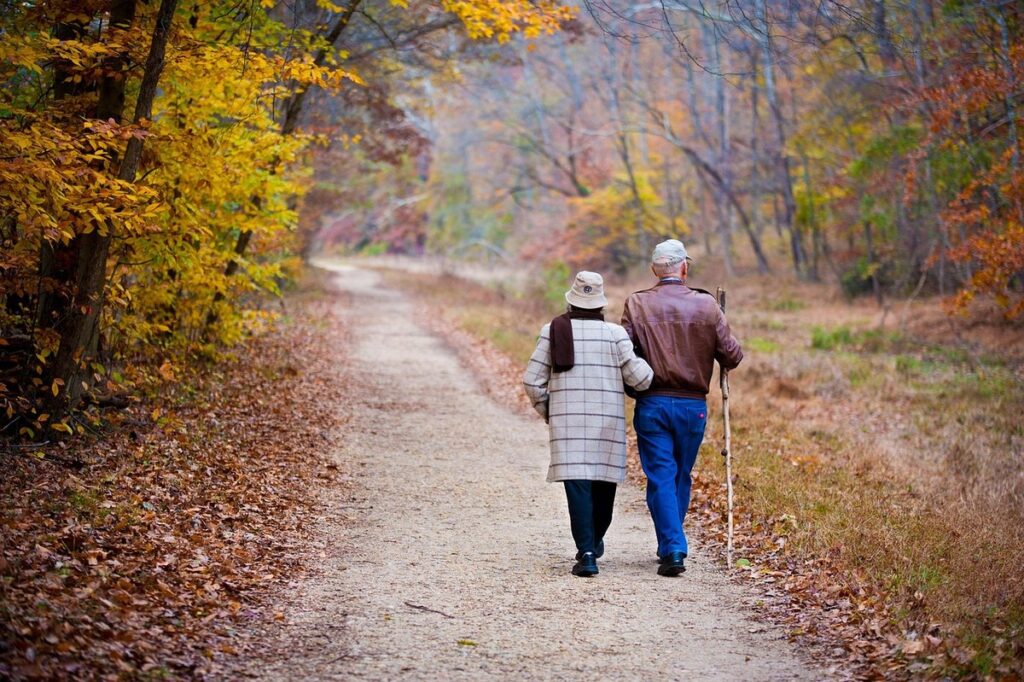
Understanding the Risks of Falls Among the Elderly
As you explore ways to prevent falls among the elderly, it’s essential to understand the risks and factors that contribute to these incidents in older adults. Let’s examine some of the key risk factors involved.
Physical Factors Contributing to Falls
As we age, our bodies undergo various physical changes that can significantly increase our risk of falls. One key factor is decreased muscle mass and strength, which affects the elderly’s ability to perform daily activities and maintain balance. According to a study by the American Geriatrics Society, older adults with lower muscle mass are more likely to experience falls.
Vision problems, such as cataracts, glaucoma, or age-related macular degeneration, can also contribute to falls among the elderly. A slight change in lighting conditions or visual distortion can make it difficult for seniors to navigate spaces safely. Furthermore, balance issues, including vestibular dysfunction, are common among older adults and can lead to loss of balance and falls.
To mitigate these risks, it’s essential for caregivers and family members to assess the home environment for fall hazards. Installing handrails in strategic locations, improving lighting, and reducing clutter can significantly reduce the risk of falls. Additionally, incorporating exercises that improve balance, strength, and flexibility can be beneficial in preventing falls among seniors. Regular eye exams and vision checks are also crucial in addressing any underlying vision problems.
Medical Conditions Predisposing to Falls
Chronic conditions can significantly increase an elderly person’s risk of falling. Conditions such as osteoporosis weaken bones, making them more susceptible to fractures and breaks from even minor impacts. In people with diabetes, nerve damage (neuropathy) can cause numbness or tingling in the feet, impairing balance and proprioception – the ability to sense body position and movement.
Similarly, cardiovascular disease can lead to dizziness or lightheadedness due to poor circulation, further compromising mobility and balance. Moreover, chronic conditions often require medication with side effects that may contribute to falls. For instance, medications used to treat hypertension can cause drowsiness, while those for diabetes can trigger hypoglycemia (low blood sugar) episodes.
To mitigate these risks, it’s essential for caregivers or family members to monitor the elderly person’s condition and medication regimen closely. They should be aware of potential side effects and alert healthcare providers if they suspect that a particular drug is contributing to falls. Additionally, implementing exercises that improve balance and mobility can help counteract some of the effects of chronic conditions on an individual’s risk of falling.
Home Environment Factors Contributing to Falls
When it comes to preventing falls at home, the environment itself can be a significant contributor. Let’s take a closer look at some common home environment factors that put seniors at risk of falling.
Hazardous Flooring and Surfaces
Slippery and uneven flooring can be a significant hazard for older adults, leading to falls and injuries. Tile, wood, and carpeting with frayed edges are particularly problematic, as they can be slippery when wet or create tripping hazards.
For instance, tile floors are often smooth and glossy, which can make them very slippery, especially on inclines or near doorways. Similarly, wooden flooring can be uneven if it’s not properly installed or maintained. And carpeting with frayed edges or worn-out spots can catch the edge of a walker or cane, causing someone to lose their balance.
To address this issue, consider installing non-slip mats or strips in strategic areas like entryways and bathroom floors. Additionally, ensure that all flooring is securely fastened and even. Regularly inspect your home’s flooring for any signs of wear and tear, and address them promptly. This can include using area rugs with rubber backing to prevent slipping on hardwood or tile floors. By taking these simple precautions, you can help reduce the risk of falls in your home.
Poor Lighting Conditions
Poor lighting conditions can significantly increase the risk of falls among the elderly population. This is because inadequate lighting makes it difficult for individuals to see obstacles and navigate through their environment safely.
When considering lighting, it’s essential to remember that both natural and artificial light sources play a crucial role in preventing falls. Natural light, especially during the day, helps to illuminate areas and reduce shadows. However, at night, artificial lighting takes over. This includes floor lamps, table lamps, and overhead lights.
Unfortunately, many homes lack sufficient or adequate artificial lighting, particularly in areas prone to falls such as hallways, staircases, and bathrooms. Installing motion-sensitive lights or timers for automatic switching can be effective ways to address this issue. In addition, using nightlights or LED candles can provide additional light sources while also providing a sense of warmth and comfort.
When assessing the lighting in your home, take note of areas where shadows are more pronounced. Consider rearranging furniture or adding mirrors to reflect natural light. It’s also essential to check for any flickering or dimming lights that may indicate a need for replacement. By prioritizing adequate lighting, you can significantly reduce the risk of falls in your home.
Medication-Related Falls in the Elderly
Medication-related falls are a common concern for elderly individuals, often caused by side effects from medications that can impair balance and coordination. We’ll explore these risks together in this next section.
Common Medications Associated with Dizziness and Lightheadedness
Certain medications can have an adverse effect on balance and increase the risk of falls among older adults. One common category is sedatives, which are often prescribed to help with sleep or anxiety. However, they can also cause drowsiness, confusion, and impaired coordination, making it difficult for seniors to maintain their balance.
Antidepressants, particularly selective serotonin reuptake inhibitors (SSRIs), have been linked to an increased risk of falls due to their side effects on the central nervous system. Some studies suggest that SSRIs may increase the likelihood of dizziness and lightheadedness by altering blood pressure regulation.
Another group of medications associated with falls is antihypertensives, which are designed to lower blood pressure. While they can be effective in managing hypertension, they can also cause orthostatic hypotension – a sudden drop in blood pressure when standing up from sitting or lying down. This condition can lead to dizziness and fainting spells.
If you’re taking any of these medications, talk to your doctor about adjusting your dosage or exploring alternative treatments.
Strategies for Reducing Medication-Related Falls
When discussing medication management with healthcare providers, it’s essential to highlight potential fall risks associated with certain medications. For instance, sedatives and antipsychotics can impair balance and increase dizziness, while antidepressants may cause drowsiness or fatigue.
To minimize the risk of falls related to medication, consider implementing alternative treatments or lifestyle changes under the guidance of your healthcare provider. This might involve switching from a sedating medication to one with fewer side effects or trying non-pharmacological interventions for conditions like sleep disorders or anxiety. Some examples include cognitive behavioral therapy (CBT), relaxation techniques, or exercise programs specifically designed to improve balance and coordination.
For example, instead of relying on sleeping pills, you could try establishing a relaxing bedtime routine that promotes better sleep hygiene. This might involve avoiding screens before bed, creating a calming environment, or practicing gentle stretches to help signal your body it’s time to sleep. By exploring alternative solutions with your healthcare provider, you can work together to find the best approach for managing your condition while minimizing fall risks.
Lifestyle Factors Contributing to Falls in Older Adults
Let’s take a closer look at some lifestyle factors that may increase the risk of falls, such as sedentary habits and certain medications.
Sedentary Behavior and Decreased Mobility
Sedentary behavior is a significant contributor to decreased mobility in older adults. Prolonged periods of sitting can lead to muscle weakness, particularly in the legs and core muscles responsible for balance and stability. When muscles become weak, individuals may experience difficulty standing up from a seated position or walking short distances, increasing their risk of falling.
This issue is further compounded by modern lifestyles, where many older adults engage in activities that involve prolonged sitting, such as watching TV, browsing on computers, or driving. According to the World Health Organization (WHO), excessive sedentary behavior can lead to an increased risk of falls by up to 50%. Additionally, balance issues arise due to decreased muscle mass and reduced flexibility.
To mitigate these risks, it’s essential for older adults to incorporate regular physical activity into their daily routines. Aiming for at least 150 minutes of moderate-intensity exercise per week can help maintain or even improve muscle strength and mobility. Simple activities like taking short walks, doing household chores, or engaging in gardening can be effective ways to stay active.
Strategies for Promoting Physical Activity and Balance
Engaging in regular physical activity is one of the most effective ways to reduce the risk of falls among older adults. Exercises that promote balance and coordination, such as tai chi, can be particularly beneficial. Tai chi, for example, combines slow movements with deep breathing techniques to improve balance, flexibility, and overall mobility. By practicing tai chi or a similar exercise routine just 15-20 minutes a day, seniors can significantly reduce their risk of falls.
In addition to group classes or online tutorials, you can also practice balance exercises at home with minimal equipment. Simple activities like standing on one foot while brushing your teeth or walking heel-to-toe along a straight line can help improve balance and stability. It’s essential to start slowly and progress gradually to avoid fatigue or injury. Regular physical activity not only reduces the risk of falls but also enhances overall health, mobility, and quality of life for older adults.
Support Systems for Preventing Falls Among Older Adults
When it comes to preventing falls among older adults, having a strong support system can be a game-changer. In this crucial area of safety planning, we’ll explore various systems that offer help and protection.
In-Home Support Services
When it comes to preventing falls among older adults, having a supportive network can make all the difference. In-home support services offer an excellent solution for seniors who require assistance with daily activities and mobility. Hiring professional caregivers can provide peace of mind for both seniors and their families, knowing that they have help when needed.
These caregivers can assist with tasks such as bathing, dressing, and medication management, reducing the risk of falls caused by fatigue or forgetfulness. They can also provide physical support with mobility, helping to prevent trips and slips. Additionally, professional caregivers are trained to recognize potential fall hazards in the home environment and make necessary adjustments to create a safer space.
Consider hiring a caregiver through a reputable agency that specializes in elderly care services. This ensures that your loved one receives high-quality support from experienced professionals who understand their unique needs. By investing in in-home support services, you can help prevent falls and promote overall well-being for older adults in your life.
Community Resources for Fall Prevention
When it comes to preventing falls among older adults, community resources can play a vital role. Local organizations often offer fall prevention programs that cater specifically to the needs of seniors. These programs may include exercise classes designed to improve balance and strength, as well as falls risk assessments conducted by trained professionals.
For instance, the YMCA offers SilverSneakers, a fitness program for adults aged 65 and older that focuses on strengthening muscles and improving flexibility. Similarly, many senior centers offer tai chi or yoga classes tailored to meet the needs of older adults. These exercise programs can help improve balance and reduce the risk of falls.
Additionally, some community organizations provide home safety assessments, which identify potential hazards in the home environment. For example, a local Area Agency on Aging may send a professional to assess your home’s lighting, flooring, and other factors that could contribute to a fall. By taking advantage of these resources, older adults can receive expert guidance and support to help prevent falls and maintain their independence.
Frequently Asked Questions
What if I’m living alone and don’t have anyone to help me identify fall hazards at home?
Consider reaching out to a local non-profit organization that provides in-home support services for seniors, such as the Area Agency on Aging (AAA). These organizations often offer free or low-cost assessments of your home environment to identify potential fall hazards. You can also ask your primary care physician for recommendations.
Can I still engage in physical activities if I have a medical condition that increases my risk of falling?
While it’s essential to discuss your specific medical conditions with your healthcare provider, many seniors can safely participate in low-impact exercises like tai chi, yoga, or water aerobics. These activities can help improve balance and reduce the risk of falls. Consult with your doctor to determine which exercises are suitable for you.
How do I handle medication-related dizziness and lightheadedness?
If you’re experiencing medication-related dizziness, consult your healthcare provider about adjusting your dosage or switching medications. In some cases, supplements like vitamin B12 can help alleviate symptoms. However, it’s crucial to discuss these changes with your doctor before making any adjustments.
What if I’ve fallen and am unsure whether I should seek medical attention?
If you experience severe injuries, such as head trauma or difficulty breathing, seek immediate medical attention. For minor falls without obvious injuries, consider consulting a healthcare professional within 24 hours to assess for potential underlying conditions that may have contributed to the fall.
How can I promote physical activity and balance among loved ones who live with me?
Encourage your family members to engage in activities like walking, gardening, or dancing together. You can also explore local community resources, such as senior centers or fitness classes specifically designed for older adults. By promoting a culture of physical activity within your household, you’ll be taking proactive steps to reduce the risk of falls among your loved ones.