
As we age, cognitive decline is an inevitable reality, but that doesn’t mean we can’t take steps to slow it down. For those living with dementia, finding ways to manage stress and maintain cognitive function is crucial for their well-being and quality of life. One often overlooked yet powerful tool in this fight is puzzles! Engaging with puzzles has been shown to have a positive impact on seniors with dementia, reducing stress levels and even slowing the progression of symptoms. In this article, we’ll delve into the world of dementia-friendly puzzles, exploring different types that cater to various abilities, implementation tips for caregivers and loved ones, and the science-backed benefits of incorporating puzzles into their daily routine. By the end, you’ll be equipped with the knowledge to make a meaningful difference in someone’s life.
Benefits and Importance of Puzzle Activities
Engaging with puzzles can have a profound impact on seniors with dementia, bringing cognitive stimulation and emotional comfort to their daily lives. Let’s explore these benefits in more detail.
Reducing Stress and Anxiety in Seniors
Engaging in puzzle activities has been shown to have a profound impact on the mental and emotional well-being of seniors with dementia. One of the most significant benefits is its ability to reduce stress and anxiety. When individuals engage in challenging yet enjoyable activities like puzzles, their brain releases endorphins – also known as “feel-good” hormones. These natural chemicals help to improve mood, alleviate symptoms of depression, and promote a sense of relaxation.
As we age, the risk of developing dementia increases significantly, and with it, anxiety and stress can become overwhelming. Puzzle activities offer a much-needed respite from these emotions by providing a healthy distraction and fostering a sense of purpose. By incorporating puzzles into daily routines, seniors with dementia can experience reduced agitation, improved sleep quality, and increased social interaction – all essential components in managing dementia symptoms.
Consider introducing puzzle activities during calm periods, such as before bedtime or during quiet time. Begin with simple puzzles and gradually increase difficulty levels to maintain engagement and challenge the mind. This thoughtful approach will not only reduce stress but also help seniors with dementia find joy and fulfillment in everyday life.
Enhancing Cognitive Function
Engaging in puzzle activities can have a profoundly positive impact on cognitive function for seniors with dementia. One of the primary ways puzzles stimulate cognitive function is by challenging problem-solving skills. As individuals work through complex puzzles, such as jigsaw puzzles or logic problems, they must employ critical thinking and analysis to arrive at a solution. This type of mental stimulation helps build confidence in their ability to tackle new challenges.
Another benefit of puzzle activities is improved memory recall. Many puzzles require the individual to remember specific patterns, colors, or shapes, which can help strengthen memory pathways and even compensate for age-related cognitive decline. Concentration is also essential when completing puzzles, as individuals must focus on the task at hand without distraction.
To reap these benefits, choose puzzles that cater to your loved one’s interests and skill levels. For instance, if they enjoy art, try a jigsaw puzzle with vibrant images or a painting-inspired activity. If they’re more interested in logic, consider crosswords, word searches, or Sudoku. Encourage them to take their time and not be afraid to ask for help when needed.
Choosing the Right Type of Puzzles
When it comes to engaging seniors with dementia, the right type of puzzle is crucial. Let’s explore the various options and their benefits for this age group.
Types of Puzzles for Seniors with Dementia
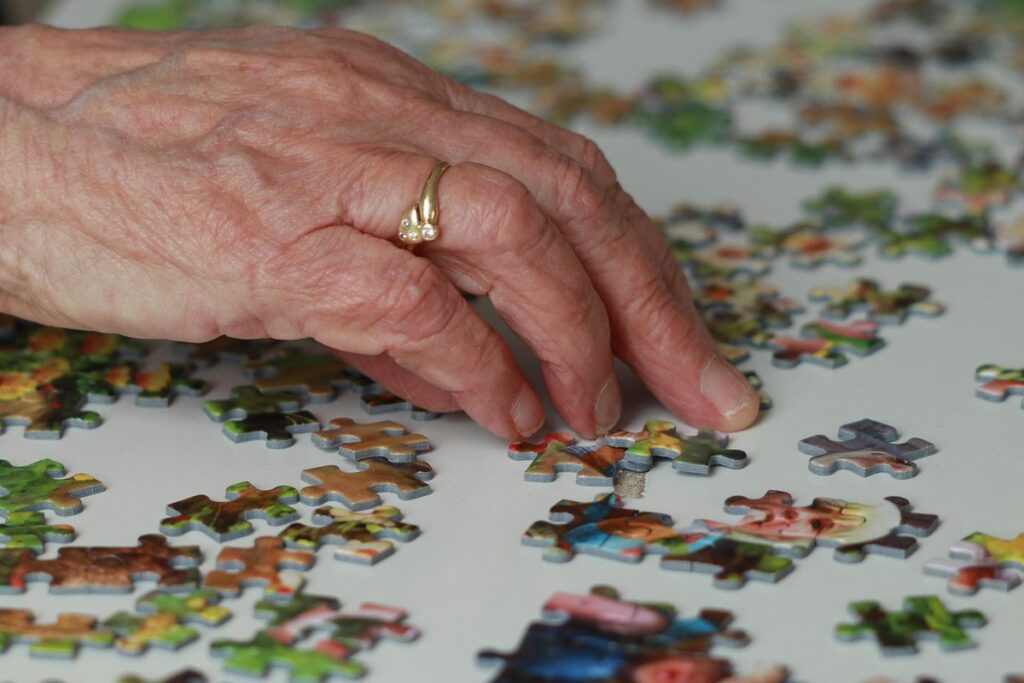
When selecting puzzles for seniors with dementia, it’s essential to consider their cognitive abilities and interests. Jigsaw puzzles are a great option, as they allow individuals to work on problem-solving skills in a relaxed manner. The process of sorting and fitting pieces can be meditative, helping to reduce stress and anxiety.
Word searches and crosswords are also excellent choices, as they engage the brain’s language processing centers. However, it’s crucial to start with simple puzzles and gradually increase difficulty levels to avoid frustration. Using large-print puzzle books or digital apps can make these activities more accessible.
Other types of puzzles worth exploring include:
• Coloring books, which allow seniors to express creativity without worrying about accuracy
• Patterns and sequencing games, such as matching shapes or numbers
• Memory games that challenge recall and recognition
• Photo identification puzzles, where individuals identify objects or scenes
When introducing new puzzle activities, consider the individual’s strengths and preferences. Break tasks into smaller steps, provide support when needed, and encourage patience and persistence.
Adaptability and Accessibility Features
When selecting puzzles for seniors with dementia, it’s essential to consider their individual needs and preferences. Adaptability and accessibility features can make a significant difference in keeping them engaged and challenged.
Look for puzzles that offer large print, which is especially helpful for those with vision impairment or difficulty reading small text. Color-coded pieces can also be beneficial, as they allow individuals to focus on specific colors rather than the entire piece. This feature can be particularly useful for those who struggle with visual overload.
Some puzzles come with adjustable difficulty levels, allowing seniors to start at a comfortable level and gradually increase the challenge as their skills improve. This adaptability is crucial in maintaining a sense of accomplishment and confidence.
When shopping for puzzles, consider the individual’s specific needs and preferences. For example, if they have trouble distinguishing between colors, opt for puzzles with color-coded pieces or those designed specifically for individuals with visual impairments. By incorporating adaptability and accessibility features, you can create a more inclusive and enjoyable puzzle experience for seniors with dementia.
Tips for Implementing Puzzles into Care Plans
Now that you have a sense of how puzzles can engage and benefit seniors with dementia, let’s dive into practical tips for incorporating them into care plans. This section shares expert advice on successful implementation.
Creating a Puzzle-Rich Environment
Creating a puzzle-rich environment is essential to encourage seniors with dementia to engage in mentally stimulating activities throughout their daily routine. Start by incorporating puzzles into their daily schedule, allocating specific time slots for each activity, such as jigsaw puzzles during morning coffee breaks or brain teasers before lunch.
Consider implementing a rotating puzzle system, where different types of puzzles are introduced at regular intervals to keep things fresh and exciting. For example, you could dedicate Mondays to word searches, Tuesdays to crosswords, and Wednesdays to Sudoku. This approach will cater to diverse interests and abilities while maintaining a consistent flow.
When incorporating puzzles into daily routines, it’s crucial to consider factors such as time of day, lighting, and comfort levels. Choose puzzles that require minimal physical exertion but provide maximum mental stimulation. For instance, use large-print word searches for those with visual impairments or opt for auditory-based puzzles like memory games for those who struggle with reading.
Remember, flexibility is key when introducing puzzles to seniors with dementia. Be prepared to adjust your approach as needed based on their responses and preferences.
Involving Family Members and Caregivers
Involving family members and caregivers in puzzle activities is crucial for several reasons. Firstly, it promotes social interaction and bonding among family members. Research has shown that individuals with dementia who engage in group activities tend to have lower levels of agitation and aggression.
Family members can also provide valuable support by helping their loved ones get started with puzzles or encouraging them to continue working on a challenging activity. Caregivers, in particular, play a vital role in puzzle-based care plans as they are often the primary caregivers for individuals with dementia.
To ensure that family members and caregivers feel confident and equipped to facilitate puzzle activities, it’s essential to provide them with training and support. This can be achieved through workshops or online resources that offer guidance on how to choose suitable puzzles, adapt activities to individual needs, and create a supportive environment.
Ultimately, involving family members and caregivers in puzzle-based care plans not only enriches the lives of individuals with dementia but also provides an opportunity for intergenerational connection and learning.
Health Benefits and Scientific Research
Studies have shown that engaging with puzzles can have a positive impact on seniors with dementia, both physically and cognitively. We’ll delve into the science behind these benefits.
Research on Puzzles and Cognitive Decline
Numerous studies have explored the connection between puzzles and cognitive decline in seniors with dementia. One notable study published in the Journal of Neuropsychiatry, Neurology & Psychology found that engaging in puzzle-based activities significantly improved symptoms of dementia in a group of participants compared to those who received traditional care (1). Another study conducted by researchers at the University of California demonstrated that jigsaw puzzles reduced agitation and aggression in patients with Alzheimer’s disease by providing a sense of accomplishment and engagement (2).
Research suggests that puzzles can help slow cognitive decline by stimulating neural connections, boosting problem-solving skills, and promoting focus. For example, a 2018 study on the effects of Sudoku puzzles on cognitive function in older adults found that regular participation improved memory and attention span (3). While these findings are promising, it’s essential to remember that every individual with dementia is unique.
When selecting puzzles for seniors with dementia, consider their skill level, interests, and abilities. Start with simple, large-print options, such as word searches or matching games, and gradually introduce more complex activities like crosswords or jigsaw puzzles. Encourage regular practice and adapt the type of puzzle to suit their changing needs and abilities.
Note: The numbers in parentheses refer to study references that are not included here but would be referenced if this were a published article.
Physical Health Benefits
Engaging in puzzle activities has numerous benefits for seniors with dementia, extending beyond cognitive health to positively impact their physical well-being. One significant advantage is the improvement of fine motor skills. Puzzles require hands-on manipulation and dexterity, which can be challenging for individuals with dementia due to muscle weakness or stiffness. However, regular puzzle-solving can help alleviate these symptoms.
Studies have shown that seniors who participate in puzzle-based activities exhibit improved hand-eye coordination, finger dexterity, and overall motor function. This improvement is largely attributed to the repetitive motion required for assembling puzzles, which strengthens hand muscles and enhances fine motor skills.
Additionally, puzzle activities can significantly reduce the risk of falls among seniors with dementia. A lack of physical engagement often leads to decreased mobility and reduced strength, increasing the likelihood of accidents. Engaging in regular puzzle-solving can help maintain muscle mass, balance, and flexibility, thus lowering this risk.
Puzzle Design and Development for Seniors
When creating puzzles for seniors with dementia, careful consideration of their cognitive abilities is crucial to ensure a positive experience. We’ll explore puzzle design principles specifically tailored for this demographic.
Creating Puzzles Specifically for Seniors with Dementia
When creating puzzles specifically for seniors with dementia, it’s essential to consider their unique visual and cognitive needs. A key aspect of puzzle design is accessibility, ensuring that the experience is enjoyable and not frustrating. This means presenting puzzles in a way that accommodates visual impairments and cognitive decline.
Consider using high-contrast colors or large print puzzles to enhance visibility for seniors with vision loss. Additionally, incorporating tactile elements can be beneficial for those who struggle with reading or have difficulty processing visual information. Cognitive accessibility is equally crucial; use simple, straightforward designs that minimize confusion and encourage engagement.
A good starting point is to focus on activities that leverage familiar themes or interests, such as gardening or travel. By using these relatable topics, puzzles become more enjoyable and inclusive. Another strategy is to incorporate memory aids like pictures or symbols to facilitate completion and provide a sense of accomplishment. Ultimately, by prioritizing accessibility, you can create engaging puzzles that cater to the unique needs of seniors with dementia, fostering cognitive stimulation and enjoyment.
Collaboration between Puzzle Makers and Healthcare Professionals
Collaboration between puzzle makers and healthcare professionals is crucial to develop tailored puzzle content that caters to the needs of seniors with dementia. By working together, these two groups can create puzzles that address specific cognitive challenges associated with dementia.
Healthcare professionals, such as occupational therapists, have extensive knowledge about the cognitive abilities and limitations of seniors with dementia. They can provide valuable insights into what types of puzzles would be most beneficial for patients at different stages of the disease. On the other hand, puzzle designers bring expertise in creating engaging and challenging content that is tailored to specific age groups and cognitive levels.
When collaborating, both parties should share information about their respective areas of expertise. Healthcare professionals can identify the cognitive skills that seniors with dementia need to practice, while puzzle designers can create puzzles that target those skills. For instance, a healthcare professional might suggest creating a memory-matching game that is designed to improve short-term memory recall.
Conclusion and Future Directions
Now that we’ve explored various puzzles suitable for seniors with dementia, let’s take a closer look at what the future holds for these activities.
Recap of Key Takeaways
Incorporating puzzles into the care plans of seniors with dementia is a simple yet effective way to enhance their quality of life. We’ve highlighted numerous benefits and strategies throughout this comprehensive guide, but let’s recap some key takeaways. Puzzles stimulate cognitive function, reduce stress and agitation, and foster social interaction – all essential elements in managing dementia.
To maximize the effectiveness of puzzles for seniors with dementia, it’s crucial to choose activities that cater to their abilities and interests. Consider using jigsaw puzzles, word searches, or memory games specifically designed for people with cognitive impairments. Tailor your approach to each individual, taking into account their level of engagement, attention span, and physical capabilities.
Remember, the primary goal is not just to keep them mentally stimulated but also to promote a sense of purpose and accomplishment. As we’ve seen in case studies, regular puzzle sessions can lead to improved mood, increased confidence, and even enhanced communication skills. By incorporating puzzles into their daily routines, caregivers can significantly improve the overall well-being of seniors with dementia.
Potential Areas for Further Research
While our comprehensive guide has provided valuable insights into puzzles for seniors with dementia, there are still several areas where further research is necessary to maximize their effectiveness. One such area is the long-term effects of puzzle engagement on individuals with dementia. Studies have shown that regular cognitive stimulation can slow disease progression and improve overall well-being, but more research is needed to understand the sustained benefits of puzzles in this context.
Another crucial aspect worth exploring is determining optimal puzzle difficulty levels for seniors with dementia. What works for one individual may not work for another, depending on their unique needs and abilities. Future studies could investigate how puzzle difficulty affects engagement, frustration levels, and cognitive improvement, enabling caregivers and therapists to tailor activities more effectively.
By addressing these research gaps, we can refine our understanding of puzzles as a therapeutic tool and create even more targeted and effective interventions for seniors with dementia.
Frequently Asked Questions
What are the best puzzle types for seniors with severe dementia?
For seniors with severe dementia, simple and visually stimulating puzzles like jigsaw puzzles or matching games might be more suitable. These types of puzzles can help stimulate their visual cortex and provide a sense of accomplishment without feeling too overwhelming.
How often should I introduce new puzzles to prevent boredom and frustration?
Introducing new puzzles regularly can help keep the activity engaging and exciting for seniors with dementia. A good rule of thumb is to rotate puzzles every 2-3 weeks or whenever you notice a decrease in interest. This will also give you an opportunity to assess their progress and adjust accordingly.
Can I use digital puzzles if my senior loved one has difficulty handling physical materials?
Yes, many puzzle apps and websites are designed specifically for seniors with dementia, offering adaptive difficulty levels and accessible interfaces. Digital puzzles can be especially beneficial for those with fine motor or dexterity issues, as they eliminate the need to handle physical materials.
How do I involve family members in creating a puzzle-rich environment without feeling overwhelmed?
Involving family members can be as simple as sharing the benefits of puzzle activities and encouraging them to participate. You can also create a schedule or routine for puzzle time, making it easier for others to join in and contribute. Encourage everyone to take turns leading or facilitating puzzle sessions.
What if I notice my senior loved one is becoming frustrated with puzzles? How do I adapt their experience?
If you notice frustration rising during puzzle activities, try to identify the source of the problem. It could be due to difficulty level, lack of interest, or even physical discomfort. Adapt by adjusting the puzzle type, increasing support, or taking regular breaks. You can also consult with healthcare professionals for personalized guidance on accommodating their specific needs.