
If you’re considering your post-retirement living options in Houston, you’ve likely heard about retirement communities as a desirable choice. But what exactly are they, and how can they improve your life? A retirement community is a specially designed living space where seniors can enjoy socialization, amenities, and peace of mind. These communities often offer a range of services and activities to keep residents engaged and active. While some people may think that living in a senior community means sacrificing independence or freedom, the opposite is true: you’ll have access to support when you need it, as well as the opportunity to connect with like-minded neighbors. In this article, we’ll explore the benefits of retirement communities in Houston, including costs and financing options, so you can make an informed decision about your next chapter.
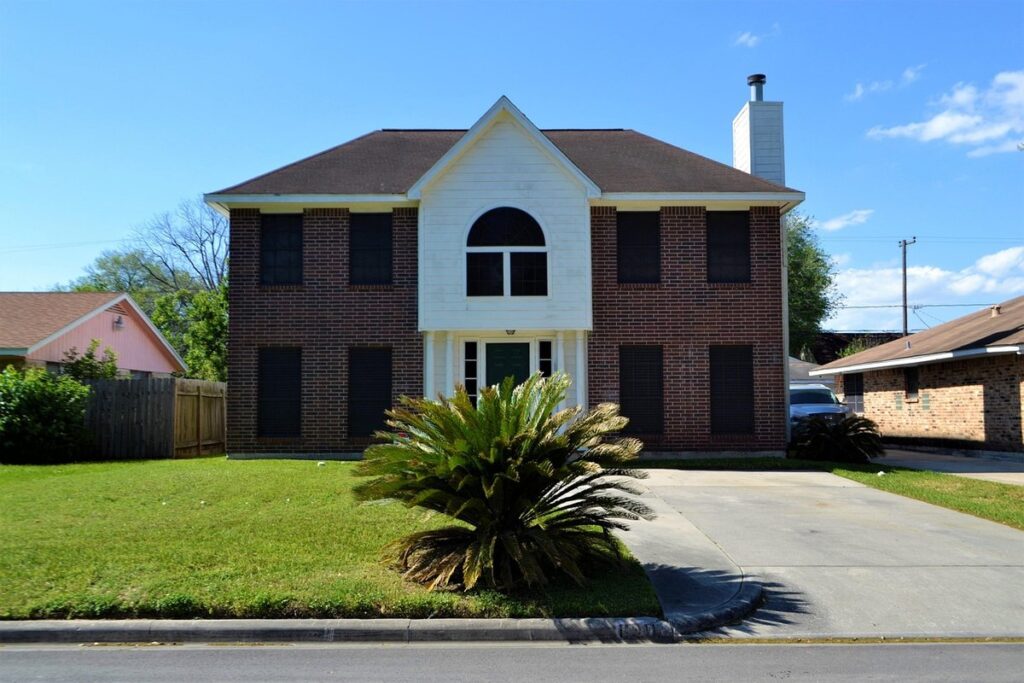
What to Expect from Retirement Communities in Houston
When considering a retirement community in Houston, you’re likely wondering what daily life will look like and how your needs will be met. This section will walk you through the typical experiences and amenities offered by these communities.
Types of Retirement Communities Available
In Houston, you’ll find a range of retirement communities catering to various needs and lifestyles. One type is independent living, designed for seniors who require little assistance with daily tasks. These communities often feature private residences, communal spaces, and on-site amenities like fitness centers and swimming pools.
Assisted living is another option, providing support with daily activities such as bathing, dressing, and medication management. Memory care communities specialize in caring for residents with Alzheimer’s or dementia, offering secure environments and tailored programs to manage symptoms. Continuing Care Retirement Communities (CCRCs) offer a continuum of care, allowing residents to transition from independent living to assisted living or skilled nursing care if needed.
When considering these options, it’s essential to evaluate your current needs and potential future requirements. For example, you might opt for an independent living community with on-site healthcare services or a CCRC that offers long-term care contracts. Researching different types of retirement communities can help you make an informed decision about which type best suits your lifestyle and priorities.
Benefits of Living in a Retirement Community
Living in a retirement community offers numerous benefits that can greatly enhance one’s quality of life. Perhaps most importantly, retirement communities provide opportunities for socialization and connection with others who share similar interests and experiences. This sense of community is often lacking in traditional living arrangements, where retirees may struggle to form new relationships or find common ground with their neighbors.
Access to amenities is another significant advantage of retirement communities. Many communities offer a range of on-site facilities and activities, such as fitness centers, swimming pools, libraries, and arts studios. These resources can help residents stay engaged, active, and entertained, reducing the likelihood of boredom, isolation, or disengagement.
Furthermore, retirement communities often provide peace of mind for residents through services like meal preparation, housekeeping, and transportation. This can be especially beneficial for those who are no longer able to manage these tasks on their own, freeing up time and energy for more enjoyable pursuits. By living in a retirement community, individuals can enjoy a greater sense of freedom and independence while still receiving the support they need.
Choosing the Right Retirement Community for Your Needs
When selecting a retirement community, it’s essential to consider factors that will ensure your needs are met and you can live comfortably. We’ll walk through key considerations to find the perfect fit.
Factors to Consider When Selecting a Community
When selecting a retirement community in Houston, several key factors come into play. Location is a crucial consideration, as you’ll want to choose a community that’s convenient for family visits and offers easy access to amenities like shopping centers, parks, or medical facilities. Consider the proximity of the community to your current home, work, or favorite activities.
Affordability is another important factor to consider. Retirement communities in Houston can range from moderately priced to quite expensive, depending on factors such as the level of care needed and the type of amenities offered. It’s essential to create a budget and explore financial assistance options, such as VA benefits or Medicaid.
Your level of care needs should also be taken into account when selecting a retirement community. Some communities offer independent living, while others provide assisted living, memory care, or skilled nursing services. Consider your current health status and any potential future needs you may have.
Ultimately, lifestyle preferences play a significant role in choosing the right retirement community. Do you want to live in a pet-friendly community with outdoor recreational activities? Or are you looking for a more low-key environment with plenty of social opportunities? Considering these factors will help you find a community that aligns with your unique needs and preferences.
Touring and Visiting Potential Communities
When touring potential retirement communities in Houston, it’s essential to ask the right questions and pay attention to important details. Start by asking about the community’s philosophy on resident engagement and social activities. What types of events and programs are offered, and how often do they take place? You should also inquire about the staff-to-resident ratio and what kind of training and experience the caregivers and support staff have.
During the tour, observe the atmosphere and interactions among residents and staff. Are people smiling and chatting with each other, or does it seem quiet and isolated? Take note of the cleanliness and maintenance of the facilities, including common areas, hallways, and individual apartments. Also, ask to see examples of menus and meal options, as well as any additional services such as transportation or housekeeping.
Some key questions to ask during your visit include:
- What is the average age range of residents?
- Are pets allowed, and if so, are there any specific pet policies?
- How does the community handle emergencies, such as power outages or natural disasters?
- Can you provide a sample contract or lease agreement for review?
Retirement Community Amenities and Services
When considering a retirement community, understanding what amenities and services are available is crucial. We’ll break down the types of perks you can expect to find in Houston’s top communities.
On-Site Amenities and Activities
Typical on-site amenities and activities in retirement communities are designed to promote a healthy lifestyle, socialization, and personal growth. A well-equipped fitness center is often available for residents to stay active and engaged in exercise programs. Many communities also feature swimming pools, hot tubs, or walking trails that provide opportunities for relaxation and outdoor recreation.
Dining rooms or restaurants within the community offer convenient meal options and opportunities to socialize with neighbors. Some retirement communities even provide transportation services to local dining establishments, grocery stores, or shopping centers. Arts and crafts programs, hobby classes, or educational workshops are also common amenities that cater to residents’ creative interests.
In addition to these typical amenities, some Houston retirement communities may offer more unique activities, such as on-site movie theaters, game rooms, or libraries. Residents can also participate in community events, like concerts, festivals, or holiday celebrations. To make the most of these amenities and activities, it’s essential for prospective residents to research the specific offerings at each community they visit and consider their personal interests and needs.
Healthcare and Wellness Services
Retirement communities in Houston offer a range of healthcare and wellness services to support residents’ physical and emotional well-being. Medical care is typically provided on-site through partnerships with local hospitals and medical groups, allowing for easy access to primary care physicians, specialists, and emergency services.
Transportation services are also available to help residents get to appointments or run errands. Some communities offer transportation vans, while others provide private car services. Home maintenance assistance can be a significant benefit for seniors who no longer feel comfortable performing tasks like lawn care or home repairs. Many communities employ on-site staff to handle these tasks, freeing up residents to focus on leisure activities.
In addition to these services, many retirement communities in Houston offer fitness classes, exercise programs, and wellness workshops. These may include yoga, Pilates, swimming, and aerobics classes, as well as educational sessions on healthy eating, stress management, and sleep hygiene. Some communities also have on-site spas or wellness centers offering massage therapy, physical therapy, and other treatments.
When evaluating the healthcare and wellness services of a retirement community, consider factors like the level of medical expertise available, the frequency and types of transportation offered, and the range of home maintenance assistance provided.
Cost and Financing Options for Retirement Communities
When considering a move to a retirement community in Houston, understanding your financial options is crucial to making an informed decision. This section will explore various cost structures and financing alternatives available to you.
Typical Costs Associated with Retirement Communities
Typical costs associated with retirement communities can be broken down into several key components. Entrance fees, also known as buy-in fees, are one-time payments made to secure a spot in the community. These fees can range from $50,000 to over $1 million, depending on the level of luxury and amenities offered.
Monthly fees, often referred to as PPM (per person per month) or PPS (per person per square foot), cover ongoing expenses such as utilities, maintenance, and staff salaries. These fees typically range from $2,000 to $5,000 per month for a one-bedroom unit, with costs increasing accordingly for larger units.
Other expenses to consider include property taxes, insurance premiums, and potential special assessments for capital improvements or repairs. Some retirement communities may also charge additional fees for services like meal plans, transportation, or on-site amenities such as golf courses or fitness centers. It’s essential to carefully review the financial documents and ask questions during tours to understand all the costs involved in a particular community.
Financial Assistance and Funding Options
When it comes to affording retirement community living, many seniors are unaware of the financial assistance and funding options available. The US Department of Veterans Affairs (VA) offers Aid and Attendance benefits, which can provide up to $2,169 per month for eligible veterans or their surviving spouses. Additionally, Medicaid covers long-term care expenses in participating communities, although eligibility is typically limited to those with significant medical needs.
Long-term care insurance is another option to consider. This type of policy helps cover the cost of extended care services, such as assisted living, memory care, or skilled nursing facilities. However, premiums can be expensive and may not be feasible for everyone. To qualify for Medicaid or VA benefits, applicants must meet specific income and asset limits.
To explore these options further, it’s essential to research and understand the eligibility criteria for each program. Some communities offer resources and guidance on navigating the application process. For example, some communities have dedicated social services teams that can help facilitate the process and ensure a smooth transition into their community.
Life in a Houston Retirement Community: Stories from Residents
Meet some of our featured residents, who share their personal experiences and stories about what life is like in a Houston retirement community. Their insights will give you a firsthand look at these vibrant communities.
Resident Profiles and Experiences
Residents of Houston retirement communities come from diverse backgrounds and have unique stories to share. We spoke with several residents who shared their experiences and insights about life in these communities.
Margaret, a 72-year-old widow, moved to a retirement community after her husband’s passing. She was initially hesitant but found the sense of camaraderie and security she needed. Margaret participates in weekly book clubs and volunteers at the on-site animal shelter. “It’s nice to have people around me who understand what I’m going through,” she says.
John, a 65-year-old retiree, relocated from the city for better health care options. He now enjoys walking trails and fitness classes with his wife. John praises the community’s emphasis on wellness programs: “We’re not just living here; we’re actively taking care of ourselves.”
While some residents like Margaret find comfort in routine activities, others, such as Bob, a 70-year-old veteran, appreciate the flexibility to pursue their interests. He spends most days fishing and gardening, often sharing his harvest with fellow residents. These stories illustrate the diverse experiences within Houston retirement communities, highlighting the importance of community support, wellness programs, and individual pursuits in enhancing one’s golden years.
Advice from Current Residents
Current residents offer valuable insights into what to expect from life in a retirement community. Many express relief at being able to downsize and simplify their lives, free from yard work and household maintenance responsibilities. For example, 75-year-old Jane mentions that she was initially hesitant about leaving her family home but now enjoys the freedom to pursue hobbies without the burden of property upkeep.
Others emphasize the importance of staying connected with friends and family after moving into a community. Mary, a 72-year-old resident, notes that joining a book club and volunteering at local events helped her maintain social connections she had outside of her previous neighborhood. She advises newcomers to “be intentional about building relationships” within their new community.
When asked about the transition process, current residents often mention the importance of being open-minded and flexible. Mark, 68, shares that he was initially frustrated with the pace of his community’s activities but eventually found a rhythm and made friends through shared interests. He recommends “giving yourself time to adjust” and exploring different aspects of community life before making any judgments.
Planning for the Future: Transitioning to a Retirement Community
As you consider making the move to a retirement community, planning ahead is crucial to ensure a smooth transition. Here, we’ll walk through the key steps to prepare for this significant change.
Preparing Finances and Emotions for the Move
When transitioning to a retirement community, it’s essential to prepare both your finances and emotions for the move. One of the most significant expenses associated with moving to a retirement community is downsizing from a larger home. This can be a challenging task, but it’s crucial to approach it systematically. Start by sorting items into categories – keep, donate, sell, or discard – and consider hosting a garage sale or selling items online.
It’s also vital to update your estate plan to reflect the change in your living situation. Review your will, power of attorney, and healthcare directives to ensure they align with your new circumstances. Consult with an attorney if necessary to make any necessary adjustments.
Emotionally, adjusting to a smaller space and reduced independence can be difficult. Allow yourself time to grieve the loss of your previous home and way of life. Connect with other residents at your community to build relationships and create a support network. Many communities also offer resources for adjusting to change, such as counseling services or social events.
Support Resources for Families
Many retirement communities in Houston offer support resources for families of residents, helping to ease the transition and ensure loved ones receive the care they need. Counseling services are often available on-site or through partnerships with local organizations, providing a safe space for family members to process emotions and adjust to their new role.
Caregiver support groups also play a crucial role in connecting families who may be going through similar experiences. These groups offer a platform for sharing advice, swapping resources, and finding solace in the knowledge that they’re not alone. Some communities even provide respite care options, allowing family caregivers to take breaks and recharge while still receiving the necessary support.
For instance, The Woodlands area’s Sterling Oaks Retirement Community has partnered with local non-profit organizations to offer counseling services, caregiver support groups, and emergency financial assistance. Similarly, The Forum at Memorial Ranch in West Houston offers on-site respite care through its partner organization, providing short-term relief for family caregivers.
When researching retirement communities, look for these types of resources and ask about their availability during tours or visits.
Frequently Asked Questions
What If My Spouse Has Different Needs Than Me?
The good news is that many retirement communities in Houston offer accommodations for couples with different needs. For example, some CCRCs have separate living areas or villas that can be tailored to meet individual needs. Yes, it’s not uncommon for partners to have varying levels of care required, and communities often provide flexible solutions.
Can I Bring My Pet to a Retirement Community?
While some retirement communities in Houston may allow pets, others may have restrictions or prohibitions. It’s essential to check with the community directly about their pet policies before making a decision. Many communities offer pet-friendly amenities, such as dog parks or on-site grooming services.
What Happens If I Need More Care Than Initially Anticipated?
Retirement communities in Houston often have escalation plans in place for residents who require more care than initially anticipated. This may involve moving to a different level of care within the community or seeking external assistance. Yes, most communities will work with you and your family to find a solution that meets your changing needs.
Can I Sell My Home Before Moving to a Retirement Community?
Yes, selling your home before moving to a retirement community is definitely possible. Many residents choose to downsize or sell their homes when they move into a community, using the proceeds to cover entrance fees or other expenses. It’s essential to factor this into your planning and budgeting process.
What If I’m Not Ready to Give Up My Driving Independence?
Many retirement communities in Houston offer transportation services for residents who no longer wish to drive. This can include scheduled bus rides, volunteer drivers, or even on-site parking options. Yes, you can maintain your independence while still enjoying the benefits of community living.