
Creating a personalized retirement planning timeline is crucial to ensure you’re financially prepared for your golden years. Without a clear plan, you might find yourself short on savings or struggling to make ends meet in retirement. This is where a well-crafted retirement planning timeline comes into play – it helps you establish a foundation of savings, invest wisely, and manage your finances effectively. By breaking down the process into manageable steps, you can create a tailored plan that suits your unique needs and goals. In this article, we’ll guide you through establishing a solid foundation to final preparations, covering essential topics such as saving, investing, and financial management along the way. By the end of this step-by-step guide, you’ll be able to create a personalized retirement planning timeline that sets you up for a secure and enjoyable post-work life.
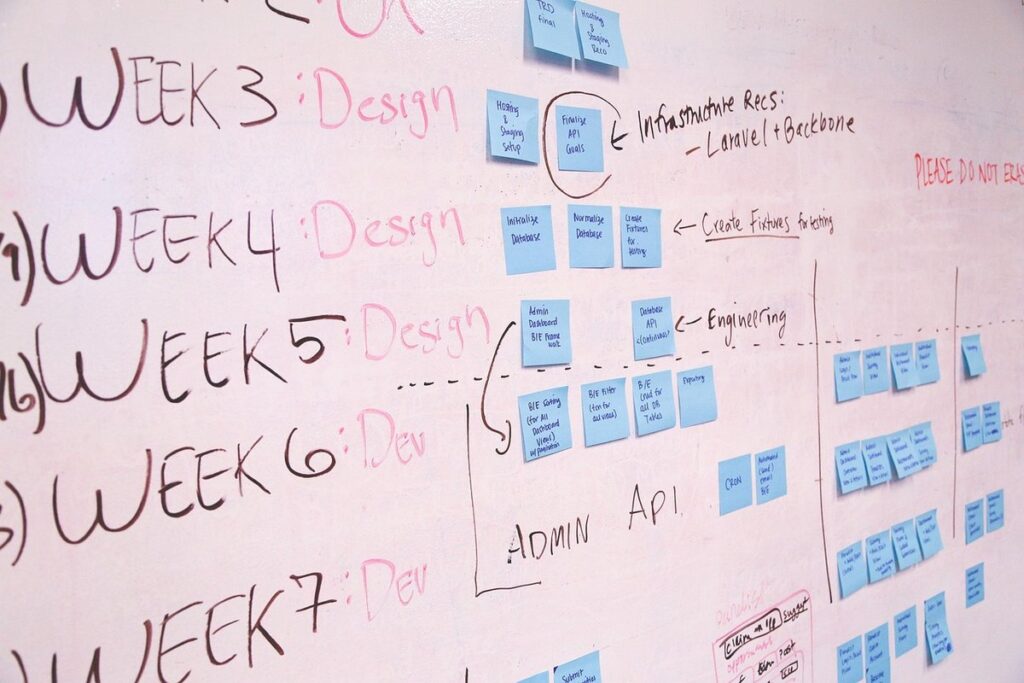
Establishing a Foundation (Early 20s to Mid-30s)
Now that you’ve set your long-term financial goals, it’s time to establish a solid foundation for your retirement planning in your early 20s to mid-30s. This critical period lays the groundwork for future success and stability.
Understanding Retirement Goals and Objectives
Setting clear retirement goals is essential to developing a comprehensive plan. To achieve this, you need to understand your individual financial situation and identify the lifestyle changes you desire in retirement. Start by assessing your current income, expenses, debts, and assets. Consider how much you’ll need to maintain your desired standard of living in retirement.
Your time horizon and risk tolerance will also play a significant role in shaping your investment decisions. If you’re nearing retirement or have a shorter time horizon, you may prioritize more conservative investments that minimize potential losses. On the other hand, if you’re younger, you can take on more risk and potentially earn higher returns over the long term.
Consider the following key factors when defining your retirement goals:
• What is your desired income level in retirement?
• How much will you need to maintain your lifestyle?
• Are there any specific expenses or debts that you’ll need to address in retirement?
• What level of risk are you comfortable with, and how does this impact your investment strategy?
By clearly articulating these objectives, you’ll be able to develop a tailored plan that addresses your unique needs and circumstances. This will help ensure a more secure and fulfilling retirement.
Building an Emergency Fund and Starting to Save
Building an emergency fund and starting to save for retirement are two critical steps in establishing a solid financial foundation. You should aim to cover 3-6 months of living expenses with easily accessible savings, such as a high-yield savings account or a liquid certificate of deposit (CD). This fund will serve as a cushion against unexpected expenses, job loss, or medical emergencies.
In addition to building an emergency fund, it’s essential to start saving for retirement as early as possible. Even small, consistent contributions can add up over time. Consider contributing at least 10% to 15% of your income towards retirement each month. For example, if you earn $4,000 per month, aim to save $400 to $600 towards retirement.
Employer-matched retirement accounts, such as a 401(k) or 403(b), are excellent places to start. These accounts offer tax benefits and the potential for employer matching contributions, which can significantly boost your savings. Contribute enough to maximize any employer match, as it’s essentially free money that will help your retirement nest egg grow faster.
Understanding Employer-Matched Retirement Accounts
Most employer-matched retirement accounts are similar to 401(k) plans, but also include 403(b), Thrift Savings Plan (TSP), and sometimes 457(b). These plans allow employees to contribute a portion of their paycheck before taxes, reducing taxable income. Employers then match these contributions, often between 3% to 6% of the employee’s salary. The benefits are twofold: tax advantages and compound interest.
Tax-deferred growth means you won’t pay capital gains tax until withdrawal, allowing your savings to grow over time. Compound interest amplifies this effect by earning returns on both principal and accrued interest. To take full advantage of these plans, contribute enough to maximize employer matching – it’s essentially free money. For example, if an employer matches 4% of your salary, contributing at least that amount earns you a 100% return.
The key is consistency: aim to contribute regularly, ideally through automatic payroll deductions. This way, you’ll build momentum and make saving for retirement a habit. As with any investment, it’s essential to review plan options and features, such as investment choices and fees. Research your employer-matched plan to understand its specifics and optimize your contributions accordingly.
Mid-Career Planning (Mid-30s to Early 50s)
For those in their mid-career, typically between their mid-30s and early 50s, it’s essential to start thinking about long-term career goals and financial planning. This section will guide you through making informed decisions for a smooth transition into your next phase of life.
Consolidating Debt and Optimizing Income
High-interest debt can significantly hinder retirement savings progress. Paying off credit card balances and personal loans with interest rates above 6% should be a priority. Consider consolidating multiple debts into a single, lower-interest loan or balance transfer credit card, but be aware of the potential for higher fees or variable interest rates.
A stable financial foundation is crucial during this period. Optimizing income through salary negotiations can have a significant impact on retirement savings. Research industry standards and prepare to make a strong case for a raise. Consider taking on a side hustle or freelance work to supplement your income, but ensure it doesn’t compromise your primary job’s stability.
Maintaining a stable financial foundation also means avoiding lifestyle inflation as income increases. Allocate any raises or additional earnings towards retirement savings or debt repayment. Aiming to save at least 10% to 15% of income towards retirement accounts can provide a solid starting point for long-term goals.
It’s essential to strike a balance between enjoying your increased income and prioritizing long-term financial security.
Investing in Retirement Accounts and Diversifying Portfolios
As you progress through mid-career, it’s essential to expand your retirement savings beyond employer-matched plans. Individual Retirement Accounts (IRAs) and Roth IRAs are excellent options for self-directed investments. Contributions to these accounts can be made with earned income, and the funds grow tax-free until withdrawal.
When investing in IRAs or Roth IRAs, consider a diversified asset allocation strategy. Typically, this involves splitting your portfolio between low-risk assets like bonds and high-growth investments such as stocks. A common rule of thumb is to allocate 60% to 70% of your portfolio to stocks, with the remaining balance dedicated to fixed-income securities.
To manage risk effectively, implement a dollar-cost averaging strategy when investing in IRAs or Roth IRAs. This involves investing a fixed amount of money at regular intervals, regardless of market conditions. By doing so, you’ll reduce exposure to market volatility and timing risks. To illustrate this concept, consider investing $1,000 each month into your IRA or Roth IRA.
Reviewing Progress and Adjusting Strategies
Regular portfolio rebalancing is crucial to maintain alignment with your retirement goals. As your investments grow and market conditions change, it’s essential to periodically review your asset allocation to ensure it remains consistent with your target mix of stocks, bonds, and other assets. This involves selling or buying securities as needed to bring your actual allocation back in line with your desired one.
When reviewing your portfolio, consider the following key factors: inflation expectations, retirement horizon, risk tolerance, and investment objectives. You may need to adjust your asset allocation more frequently if you’re nearing retirement or have a low-risk tolerance. For example, if you’re 10 years away from retirement, you might want to shift a larger portion of your portfolio into fixed-income investments like bonds or CDs.
To rebalance your portfolio, start by identifying the assets that have strayed farthest from their target allocation. Then, sell or buy securities in equal dollar amounts to bring those assets back into balance. For instance, if 20% of your portfolio is allocated to stocks but currently holds 30%, you’d need to sell $10,000 worth of stocks and invest the proceeds in bonds to restore the original allocation.
Late-Career Planning (Early 50s to Early 60s)
Now that you’re entering your late career stage, it’s time to focus on creating a plan for a fulfilling and financially secure retirement. This crucial period requires deliberate action to ensure a smooth transition into this new chapter of life.
Phasing into Retirement and Managing Social Security Benefits
As you transition from full-time work to part-time or retirement, it’s essential to phase out income strategically and manage Social Security benefits. The amount of your benefit depends on when you start receiving payments. If you delay claiming Social Security until age 70, you’ll receive the maximum monthly benefit. However, if you claim early (at 62), benefits are reduced by about 30%.
Consider phasing in retirement by reducing work hours or switching to a part-time schedule before fully retiring. This approach can help you gradually adjust to lower income and minimize the impact on your Social Security benefits. For example, you might transition from full-time to three-quarters time for a few years before stopping work altogether.
To maximize Social Security benefits, timing is everything. If possible, delay claiming until age 70 or at least until your full retirement age (66-67). This simple strategy can add tens of thousands of dollars to your lifetime benefit payments.
Understanding Healthcare Options in Retirement
In retirement, healthcare costs can be substantial, making it essential to understand your options for coverage. Medicare is typically available to those 65 and older, but its coverage may not be comprehensive enough on its own. Medigap policies, also known as Medicare Supplement Insurance, can help fill in the gaps by covering expenses like deductibles, copays, and coinsurance.
Long-term care insurance is another option for retirees who require extended care services, such as assisted living or home health care. However, this type of insurance can be complex and expensive, so it’s crucial to carefully evaluate whether it’s right for you.
When evaluating your healthcare options in retirement, consider the following:
- Your current medical needs and any pre-existing conditions
- The level of coverage offered by Medicare and any Medigap policies
- The cost and availability of long-term care insurance
- Any additional benefits or discounts offered through your employer or union
It’s also important to review and compare different healthcare plans during the Annual Enrollment Period, which typically takes place from October 15 to December 7. This can help you make informed decisions about your healthcare coverage and ensure that you have the necessary protection in retirement.
Retirement Planning for Specific Situations (Age 50+ and Beyond)
Whether you’re nearing retirement age or already there, life’s unexpected twists can impact your savings, making tailored planning essential after 50. This section addresses common scenarios and strategies to adjust your timeline accordingly.
Divorce or Widow(er) Retirement Planning
When facing a divorce or becoming a widow(er), individuals must adapt their retirement planning to address new financial realities. One of the primary challenges is managing joint debt and assets. In some cases, one spouse may be responsible for paying off shared debts, while in others, assets may need to be divided according to state laws.
Securing retirement income can also become more complicated after a divorce or the loss of a partner. For example, if a spouse was counting on their partner’s pension or Social Security benefits, they must now explore alternative sources of income. This might include working longer, delaying Social Security claims, or exploring other forms of retirement savings.
Individuals in these situations should prioritize reviewing and updating their estate plans to reflect new financial circumstances. This may involve creating a new will, establishing a trust, or adjusting beneficiary designations on retirement accounts and life insurance policies. By taking proactive steps to navigate complex financial situations, individuals can ensure they’re prepared for a secure retirement despite the challenges they face. Consider consulting with a financial advisor who has experience in divorce or widow(er) retirement planning to receive personalized guidance.
Small Business Owners and Self-Employed Retirement Planning
Small business owners and self-employed individuals often face unique challenges when planning for retirement. One major hurdle is managing cash flow, as income can be variable from one month to another. This unpredictability makes it difficult to project future expenses and create a stable retirement plan.
In addition to cash flow concerns, self-employed individuals must also account for their own benefits, such as health insurance and retirement contributions. Unlike employees who have access to employer-matched plans like 401(k)s or 403(b)s, self-employed individuals often rely on individual retirement accounts (IRAs) or SEP-IRAs.
To mitigate these challenges, small business owners and self-employed individuals should aim to set aside a portion of their income in a dedicated savings account. This can help create a cushion for irregular months and provide a foundation for long-term planning. It’s also essential to consult with a financial advisor who understands the complexities of self-employment and can offer tailored guidance.
Some key considerations when choosing an IRA or SEP-IRA include contribution limits, tax implications, and investment options. By carefully evaluating these factors and developing a personalized plan, small business owners and self-employed individuals can build a more secure retirement future despite the unique challenges they face.
Final Preparations (Age 60+ and Beyond)
As you approach age 60, it’s essential to review your retirement plans and make any necessary adjustments to ensure a smooth transition into this new phase of life.
This section will cover key considerations for final preparations, including reviewing insurance coverage and updating estate planning documents.
Reviewing and Adjusting Retirement Strategies
As you approach retirement age, it’s essential to review and adjust your strategies to avoid costly mistakes. Many individuals fail to consider long-term care expenses, which can quickly deplete their savings. Others underestimate the impact of inflation on their investments. You may need to reassess your withdrawal rates, investment portfolios, or even reconsider your retirement date.
A flexible approach is crucial in retirement planning. Your strategy should be adaptable to changing circumstances, such as unexpected medical expenses or changes in tax laws. Consider the 4% rule: withdrawing 4% of your portfolio annually, adjusted for inflation. However, some experts recommend a more conservative 3% withdrawal rate. You’ll need to weigh these options and adjust accordingly.
To maintain flexibility, review your accounts regularly (at least quarterly) and rebalance as needed. This may involve shifting assets between tax-deferred and taxable accounts or adjusting your asset allocation. For example, you might reallocate 20% of your portfolio from stocks to bonds if market conditions change. By remaining vigilant and making adjustments, you can mitigate potential risks and ensure a sustainable retirement income stream.
Finalizing Estate Plans and Transferring Wealth
Finalizing estate plans and transferring wealth are critical tasks to complete before entering retirement. Without a clear plan in place, loved ones may struggle to manage assets and make important decisions during a time of grief. A will should be updated regularly, as it outlines the distribution of property, assets, and other possessions after passing.
Consider establishing trusts to hold specific assets, such as real estate or investments. This can help minimize taxes and ensure that wishes are carried out. Powers of attorney should also be designated, allowing trusted individuals to manage financial affairs if needed.
When transferring wealth, consider gifting assets before retirement. This can reduce tax liabilities in the future. However, it’s essential to consult with a professional to determine the best approach for individual circumstances.
To ensure efficiency and minimize taxes, review and update estate plans annually. This may involve reassessing beneficiaries, adjusting asset allocations, or revisiting powers of attorney designations.
Embracing Retirement and Beyond
As you approach retirement, it’s essential to remember that all your hard work and planning have been leading up to this moment. Embracing retirement is about more than just stopping work; it’s a chance to redefine what fulfillment looks like for you.
To make the most of your retirement years, prioritize staying engaged with activities that bring you joy. This might mean taking up a new hobby, such as painting or gardening, or volunteering in your community. Research shows that people who stay mentally and physically active in retirement are more likely to maintain their physical health and cognitive function.
Maintaining relationships is also crucial in retirement. Schedule regular check-ins with friends and family, and consider joining social clubs or groups aligned with your interests. This will help you build a support network that can provide companionship and encourage new experiences.
For many, retirement marks the beginning of a new chapter filled with personal growth and exploration. Consider pursuing courses or certifications in areas you’ve always wanted to explore, such as cooking, photography, or language learning. By staying engaged, nurturing relationships, and exploring new interests, you’ll be able to make the most of your retirement years and enjoy the fruits of your labor.
Frequently Asked Questions
How Often Should I Review My Retirement Portfolio?
Review your retirement portfolio regularly, ideally every 1-3 years or whenever there’s a significant life change. This helps ensure you’re on track to meet your goals and makes adjustments as needed to avoid costly errors.
Can I Use My Retirement Account for Other Financial Goals?
While it’s tempting to use retirement funds for other purposes, such as paying off debt or financing a down payment on a house, try to resist the urge. Dipping into retirement accounts can lead to penalties, taxes, and reduced savings over time, ultimately jeopardizing your long-term financial security.
How Do I Balance Short-Term Needs with Long-Term Goals?
To balance short-term needs with long-term goals, prioritize essential expenses and debt repayment while maintaining a steady contribution to your retirement accounts. Consider using the 50/30/20 rule: allocate 50% of your income toward necessary expenses, 30% towards discretionary spending, and 20% towards saving and debt repayment.
What Happens If I Miss My Retirement Goal Date?
If you miss your initial retirement goal date, don’t panic. Instead, reassess your goals and adjust your strategy as needed. Consider delaying retirement or exploring alternative income streams to make up for lost time. It’s better to have a revised plan in place than to risk financial insecurity.
Can I Take Social Security Benefits Early and Still Work?
Yes, you can take Social Security benefits early (at age 62) and still work. However, be aware that your benefits may be reduced if you’re earning above certain thresholds ($19,560 or more in 2022). Plan ahead to avoid any potential impact on your retirement income.