
Are you planning for your post-work life? If so, you’re probably thinking about how to make the most of your retirement years. One often-overlooked aspect of this process is investing in the right property. Retirement properties can offer a range of benefits, from tax advantages and rental income to long-term appreciation in value. By understanding these opportunities, you can create a more secure financial future for yourself. In this article, we’ll explore the ins and outs of retirement properties, helping you make informed decisions about your investments. We’ll discuss how to plan and invest in retirement properties that meet your needs and goals, ensuring you can enjoy your golden years with peace of mind.
What are Retirement Properties?
When exploring retirement properties, it’s essential to understand what they entail and how they differ from traditional residential options. Let’s break down the basics of retirement properties.
Understanding the Concept of Retirement Properties
As you begin to explore the concept of retirement properties, it’s essential to understand their purpose and benefits. Retirement properties are specialized homes designed specifically for seniors, typically aged 55+, who want to maintain independence while also enjoying a more relaxed pace of life.
These properties cater to various needs and lifestyles, ranging from low-maintenance living to luxurious amenities. Their primary goal is to provide a comfortable and secure environment where retirees can enjoy their golden years with peace of mind.
Retirement properties often offer features like age-restricted communities, on-site healthcare services, and social activities that foster connections among residents. Some common benefits include:
• Reduced maintenance responsibilities
• Access to community amenities (pool, gym, clubhouses)
• Opportunities for socialization and building friendships
• Enhanced security and safety measures
When evaluating retirement properties, consider factors such as location, affordability, and lifestyle compatibility. This thoughtful planning will help you find a property that meets your needs and sets the stage for a fulfilling post-work life.
Benefits of Owning a Retirement Property
Owning a retirement property can be a smart financial move for those planning to spend their golden years in comfort. One of the primary benefits is tax advantages, which can help offset expenses and increase investment returns. For instance, mortgage interest and property taxes on a rental property are deductible from taxable income. This can result in significant savings, especially if you’re in a high tax bracket.
Another benefit is rental income potential. With a steady stream of rental income, you can cover maintenance costs, utilities, and even generate extra cash flow to supplement your retirement income. According to data from the US Census Bureau, nearly 30% of renters aged 65 and older pay no more than $500 in rent per month. This means you can own a property that generates enough income to cover expenses, leaving you with a comfortable nest egg.
Long-term appreciation is also a significant advantage of owning a retirement property. As the years go by, your investment can increase in value, providing a safety net for future expenses or unexpected medical costs. In fact, real estate investment trusts (REITs) have historically provided average annual returns of around 10-12%, outperforming many other asset classes. By investing in a retirement property now, you’ll be setting yourself up for long-term financial stability and security.
Types of Retirement Properties Available
When considering retirement properties, it’s essential to understand the various types available. This will help you make an informed decision that suits your needs and lifestyle. Let’s explore some of the most popular options:
Apartments are a great choice for retirees who value convenience and affordability. Many complexes offer amenities like pools, gyms, and community centers, which can be particularly appealing to those looking to downsize from a larger home. For instance, The Villages in Florida is a well-known retirement community that offers apartment-style living with access to numerous amenities.
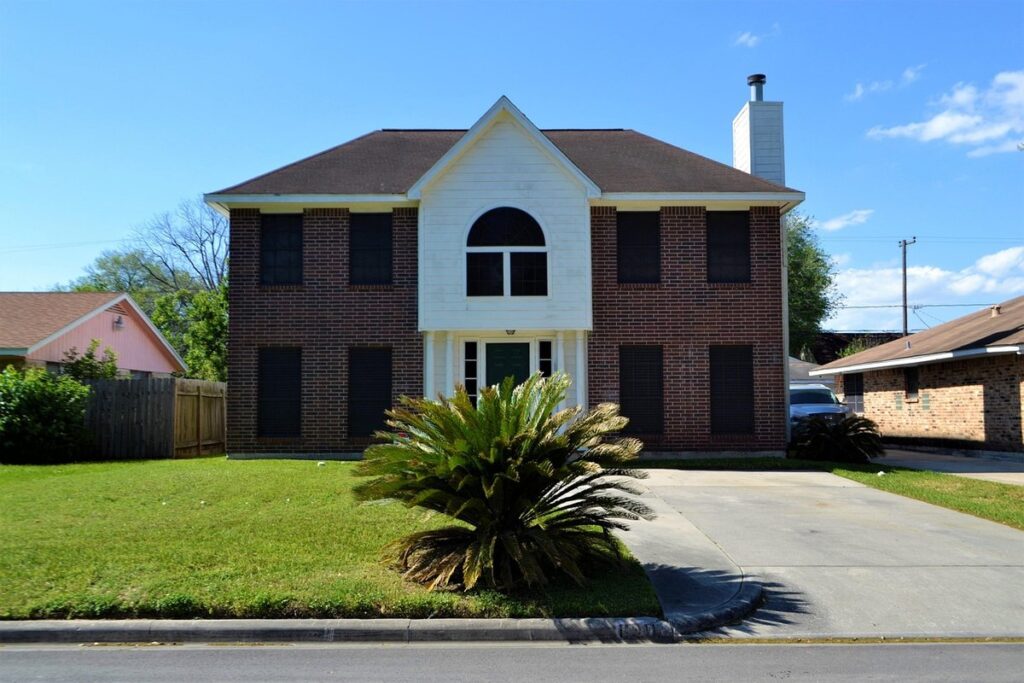
Houses, on the other hand, provide more space and flexibility for retirees who prefer a more independent lifestyle. They often come with a yard, which can be perfect for gardening or entertaining guests. However, maintenance responsibilities may increase with house ownership, so it’s crucial to consider this factor when making your decision.
Condos (short for condominiums) offer a balance between apartment-style living and home ownership. Owners typically have access to shared amenities like pools, parks, and recreational facilities. Timeshares are another option, but they often come with restrictions on usage and may not be the best choice for long-term retirees who prefer more flexibility.
Ultimately, the type of retirement property that suits you best will depend on your personal preferences, budget, and lifestyle goals.
Researching and Choosing the Right Retirement Property
As you begin searching for your dream retirement property, it’s essential to research various options to ensure a smooth transition into your golden years. Here, we’ll guide you through the crucial steps of researching and choosing the right fit for you.
Factors to Consider When Selecting a Retirement Property
When selecting a retirement property, there are several key factors to consider that will greatly impact your quality of life and overall satisfaction with your new home. Location is one of the most critical considerations, as it can affect accessibility to healthcare facilities, shopping centers, and other essential services.
Consider the climate and geography of the area as well as the proximity to family and friends. For example, if you have mobility issues or prefer a more relaxed pace of life, a coastal town with mild winters may be an ideal choice. On the other hand, if you enjoy outdoor activities like hiking or skiing, a mountainous region might be more suitable.
In addition to location, cost is another crucial factor to consider. Assess your budget and determine how much you can afford to spend on property taxes, maintenance, and other expenses associated with homeownership. Some retirement properties may also offer all-inclusive pricing, which can simplify the financial planning process.
Amenities and community features are also essential factors to evaluate when selecting a retirement property. Consider what activities and services are important to you, such as access to fitness centers, swimming pools, or on-site medical care.
Evaluating a Retirement Community’s Amenities and Services
When evaluating a retirement community’s amenities and services, it’s essential to consider what matters most to you. For some, top-notch healthcare facilities are a priority, while others value recreational activities that promote physical activity and socialization.
Start by making a list of the must-haves in an ideal retirement community for you or your loved one. This could include transportation options, meal services, fitness programs, or access to medical care. Research communities that offer these amenities and services, and don’t be afraid to ask about specifics during tours or visits.
For instance, if mobility is a concern, look into the availability of transportation services within the community, as well as nearby public transportation options. Ask about meal plans and whether they can accommodate special dietary needs. Also, inquire about fitness programs and recreational activities that cater to different interests and abilities.
Evaluate these amenities and services not just on their existence but also on their quality, accessibility, and flexibility. Remember, a good fit for you might be a balance of options rather than everything under the sun. Prioritize your needs and create a checklist to ensure that the community meets your expectations.
Assessing the Financial Implications of Buying a Retirement Property
When considering buying a retirement property, it’s essential to assess the financial implications involved. This includes ongoing expenses that will impact your lifestyle and savings. These expenses can be broadly categorized into two groups: fixed costs and variable costs.
Fixed costs typically include mortgage payments, property taxes, insurance, and maintenance fees. For example, let’s say you purchase a condominium in a 55+ community for $300,000 with a monthly mortgage payment of $1,200 and annual property taxes of $5,000. Your total fixed costs would be around $14,400 per year.
Variable costs include utility bills, groceries, and entertainment expenses. These can fluctuate greatly depending on your personal choices and lifestyle. When estimating variable costs, consider factors like your desired level of comfort, hobbies, and social interactions.
It’s also crucial to explore potential tax benefits associated with owning a retirement property. For instance, some states offer exemption from certain taxes for senior citizens, while others allow deductions for mortgage interest or property taxes. Research the specific tax laws in your area to maximize your savings.
Financing Options for Retirement Properties
When it comes to purchasing a retirement property, figuring out how to finance it can be overwhelming. In this section, we’ll explore your financing options and help you make an informed decision.
Understanding Your Financing Options
When considering purchasing a retirement property, it’s essential to understand your financing options. This can help you make an informed decision and avoid financial strain. There are several types of mortgages and loans available for retirement properties.
Mortgages are the most common financing option for retirement properties. You can choose from fixed-rate or adjustable-rate mortgages, each with its own benefits and drawbacks. For example, a fixed-rate mortgage offers predictable monthly payments, but you may end up paying more interest over the life of the loan. On the other hand, an adjustable-rate mortgage provides lower initial payments, but your rate may increase in the future.
In addition to mortgages, there are also government-backed loans available for retirement properties. These include FHA loans and VA loans, which offer more favorable terms than traditional mortgages. For instance, FHA loans require lower down payments and have more lenient credit score requirements. Grants are another option, but they’re typically only available for low-income buyers or those purchasing in specific areas.
To take advantage of these financing options, it’s crucial to shop around and compare rates from multiple lenders. You should also consult with a financial advisor to determine the best course of action for your individual situation.
Government Programs Supporting Retirement Property Ownership
If you’re considering purchasing a retirement property, you may be eligible for government programs that can make ownership more affordable. The Department of Veterans Affairs (VA) offers VA loans to eligible veterans and their families, which can provide favorable terms such as lower interest rates, reduced closing costs, and lower monthly mortgage payments.
Another initiative is the Department of Housing and Urban Development’s (HUD) Good Neighbor Next Door program, which provides HUD-owned homes at a significant discount to law enforcement officers, teachers, firefighters, and emergency medical technicians. This program aims to revitalize neighborhoods by offering affordable housing options to essential public servants.
Additionally, some states offer programs specifically designed to support retirement property ownership. For example, the State of Florida offers a homestead exemption for primary residences, which can significantly reduce property taxes for retirees. Researching these programs and understanding your eligibility can help you make informed decisions about your retirement property purchase and potentially save thousands of dollars in upfront costs and ongoing expenses.
Some government programs even offer grants or subsidies to support home modifications that improve accessibility and safety for seniors, such as installing walk-in showers or widening doorways. By exploring these resources, retirees can enjoy greater independence and comfort in their new homes.
Alternative Financing Methods for Retirees
When it comes to financing retirement properties, traditional methods may not be feasible for everyone. That’s why it’s essential to explore alternative financing options that cater specifically to retirees. One popular choice is the reverse mortgage. This type of loan allows homeowners aged 62 and older to borrow money using the equity in their home as collateral.
Reverse mortgages can provide a steady stream of income, which can be used for expenses such as healthcare, travel, or home maintenance. For example, a retiree with a $500,000 home that’s paid off may be eligible for a reverse mortgage loan of up to $300,000. This amount can be taken in a lump sum, monthly payments, or even as a line of credit.
Another alternative financing method is the home equity line of credit (HELOC). A HELOC allows homeowners to borrow against their home’s equity at a lower interest rate than a traditional loan. This option can provide flexibility and help retirees manage cash flow during retirement. It’s crucial to carefully consider these alternatives and consult with a financial advisor before making any decisions, as they may come with fees, risks, or long-term consequences.
Maintenance and Upkeep of Retirement Properties
Maintaining a retirement property requires careful planning, from routine repairs to seasonal upkeep, to ensure your home remains safe and comfortable. We’ll explore practical tips for tackling these tasks.
Ongoing Expenses and Responsibilities
Owning a retirement property comes with ongoing expenses and responsibilities that you should consider before making a purchase. Maintenance costs are a significant concern, as they can add up quickly if not managed properly. For instance, a simple roof repair or plumbing issue can cost thousands of dollars to fix.
Property taxes also play a crucial role in your overall expenses. These taxes vary by location, but they can increase significantly over time due to rising property values and tax rates. It’s essential to factor these costs into your retirement budget to avoid financial strain.
Insurance premiums are another ongoing expense you’ll need to consider. Homeowners insurance covers damages or losses to your property, including liability coverage in case someone gets injured on your premises. Typical homeowners insurance policies range from 0.5% to 1.5% of the home’s value annually.
To mitigate these costs, make sure to factor them into your retirement savings plan and set aside a dedicated fund for maintenance and repairs. It’s also crucial to review and adjust your property taxes and insurance premiums as needed to ensure you’re not overpaying or underinsured.
Homeowner Association (HOA) Fees and Rules
When considering retirement properties, many seniors are drawn to communities governed by Homeowner Associations (HOAs). These organizations play a crucial role in maintaining the property’s appearance and quality of life for residents. However, it’s essential to understand the fees, rules, and regulations that come with living in an HOA-managed community.
Typically, HOA fees cover costs such as lawn care, snow removal, and exterior maintenance. These fees can range from a few hundred to several thousand dollars per month, depending on the community’s size and amenities. Some HOAs may also have additional fees for services like trash collection or pool maintenance.
In addition to fees, residents must adhere to strict rules and regulations, which can vary significantly between communities. For example, some may prohibit pets, while others may have specific guidelines for landscaping or exterior decorations. Before purchasing a property in an HOA-managed community, it’s crucial to review the governing documents and understand what is expected of you as a resident. This includes attending board meetings and participating in decision-making processes that affect the community.
Strategies for Reducing Maintenance Costs
When it comes to maintaining retirement properties, reducing maintenance costs can be a significant challenge. However, there are several strategies that can help alleviate this burden.
One effective approach is to hire a professional property manager who can oversee day-to-day operations and identify potential cost-saving opportunities. This can include tasks such as routine inspections, addressing minor issues before they become major problems, and negotiating with contractors for better rates.
Investing in energy-efficient upgrades can also pay off in the long run by reducing utility bills and prolonging equipment lifespan. Consider replacing old appliances with Energy Star-certified models or installing solar panels to generate clean energy.
Another strategy is to maintain a preventative maintenance schedule that includes regular cleaning, lubrication, and inspection of mechanical systems. This proactive approach can help prevent costly repairs down the line. For example, scheduling annual HVAC filter replacements can reduce air conditioning costs by up to 20%.
Taxes and Incentives for Retirement Properties
When considering retirement properties, understanding the tax implications and available incentives is crucial to making a smart investment decision that saves you money. Let’s explore the key tax benefits and incentives you should know about.
Tax Advantages of Owning a Retirement Property
Owning a retirement property can provide significant tax advantages that can help reduce your taxable income and minimize your tax liability. One of the most substantial benefits is the deduction for mortgage interest on your primary residence or vacation home. This can be a major saving, especially if you have a large mortgage balance.
In addition to mortgage interest deductions, you may also qualify for property taxes on your retirement property. These taxes are typically deductible as well, and you can claim them even if you’re not itemizing deductions. To qualify, the tax must be levied by a local or state government, and it’s essential to keep accurate records of these payments.
Living expenses related to your retirement property can also be deducted. This includes costs such as maintenance, repairs, and utility bills. Keep in mind that the IRS has specific guidelines for what constitutes “qualified” living expenses. To maximize these deductions, it’s crucial to track all expenditures carefully and consult with a tax professional if needed.
By taking advantage of these tax benefits, you can significantly reduce your taxable income and enjoy greater financial flexibility during retirement.
State and Local Incentives for Seniors
As you navigate the complexities of retirement planning, it’s essential to explore available state and local incentives that can ease the financial burden of owning a retirement property. These benefits often fly under the radar but can significantly impact your bottom line.
Many states offer exemptions from property taxes for seniors who meet certain age or income requirements. For instance, Florida offers a $500 exemption on all properties owned by residents aged 65 and older. Similarly, Texas exempts up to 20% of a home’s value from taxation for eligible homeowners.
Low-cost utility programs are another benefit worth exploring. Some utilities offer reduced rates for seniors who meet specific income or age requirements. For example, the National Fuel Company in New York offers a special “Senior Citizen” rate that can save customers up to $200 per month on their energy bills.
To access these incentives, start by researching your state’s and local government’s senior programs. You can usually find this information on their websites or by visiting their offices in person. Make sure you meet the eligibility requirements before applying for any benefits.
Impact of Retirement Property Taxes on Your Estate Plan
When it comes to planning for retirement, one of the most significant costs to consider is property taxes. These ongoing expenses can have a substantial impact on an individual’s estate plan, affecting both their financial security and the distribution of their assets after they pass away.
Retirement property taxes vary widely depending on factors such as location, type of property, and local tax laws. In some areas, these taxes can account for 20-30% of the home’s value each year. For example, in states like Illinois and New York, property taxes are notoriously high, with annual bills exceeding $10,000 or more.
To mitigate the impact of retirement property taxes on your estate plan, consider strategies such as:
• Transferring the title to a trust to minimize tax liabilities
• Renegotiating your mortgage terms to reduce monthly payments
• Exploring local tax credits and exemptions for seniors
• Weighing the pros and cons of different types of properties, such as condos or townhomes that may have lower property taxes
By understanding the potential tax implications of retirement property ownership, you can create a more informed and effective estate plan.
Frequently Asked Questions
Can I rent out a retirement property if I’m not ready to sell it?
Yes, many retirement properties allow for short-term rentals or vacation rentals, providing an additional income stream while you’re still living in the community. However, be sure to review your property’s bylaws and local regulations regarding short-term rentals before listing your property.
How do I handle maintenance costs as a retired homeowner?
Maintenance costs can be a significant concern for retirees. Consider budgeting for ongoing expenses, researching home warranty options, or exploring community-maintained properties where the association takes care of exterior maintenance and repairs. It’s also essential to discuss these concerns with your financial advisor.
What are the tax implications of selling a retirement property?
When selling a retirement property, you may be eligible for exemptions on certain capital gains taxes. Consult with a tax professional to understand how these exemptions apply to your specific situation and ensure compliance with all relevant tax laws and regulations.
Can I transfer my retirement property to family members or friends?
Transferring ownership of a retirement property can have tax implications and affect your estate plan. Research the specific rules and requirements for transferring ownership in your state, and consult with an attorney to understand how this affects your overall financial strategy.
How do I choose between different types of retirement properties?
When selecting a retirement property, consider factors such as lifestyle, budget, and personal preferences. Research local communities, speak with current residents, and weigh the pros and cons of different options before making an informed decision that meets your specific needs.