
High blood pressure is a common concern for seniors, with nearly 70% of people over 60 experiencing hypertension. As we age, our blood pressure tends to increase due to natural changes in the body, such as stiffening arteries and decreased kidney function. This can make it challenging to determine if your readings are within a healthy range or if you’re at risk for complications like heart disease and stroke. A senior blood pressure chart is an essential tool in managing hypertension, allowing healthcare providers and individuals to track progress over time and make informed decisions about lifestyle changes. In this article, we’ll explore how to read and use these charts effectively, understand the age-related changes that affect blood pressure, and learn practical tips for improving overall health through diet and exercise adjustments. By the end of this guide, you’ll be able to accurately interpret your senior blood pressure chart and make informed decisions about your care.
What is a Senior Blood Pressure Chart?
A senior blood pressure chart is a visual tool that helps caregivers and healthcare providers track changes in their loved one’s blood pressure over time. This section will break down what each component of this chart typically represents.
Importance of Monitoring Blood Pressure in Seniors
Monitoring blood pressure is crucial for seniors due to the risks associated with uncontrolled hypertension. High blood pressure can lead to heart disease, stroke, and kidney damage if left untreated. In fact, the American Heart Association reports that high blood pressure affects nearly half of Americans aged 60 and older. When blood pressure remains elevated over time, it puts a significant strain on major organs, including the brain, kidneys, and eyes.
The impact of uncontrolled hypertension can be devastating. For example, a stroke caused by high blood pressure can lead to permanent damage or even death. Moreover, chronic kidney disease is another potential complication of untreated hypertension. Seniors with diabetes are particularly vulnerable to these risks due to their compromised vascular health. Regular monitoring and management of blood pressure through medication and lifestyle changes can help mitigate these risks.
To put this into perspective, consider the following: most people over 60 require medication to control their blood pressure. If left unmanaged, hypertension can lead to a range of problems, including heart failure, vision loss, and cognitive decline. By prioritizing blood pressure monitoring, seniors can take proactive steps towards maintaining their health and preventing these complications.
Types of Blood Pressure Charts Used for Seniors
Printable charts are often a convenient option for seniors who prefer to track their blood pressure manually. These charts typically have a table format with columns for date, time, systolic and diastolic readings, and sometimes additional space for notes or comments. Many healthcare providers offer printable charts as part of their patient resources.
Mobile apps, on the other hand, provide a more modern approach to tracking blood pressure. These apps often sync with wearable devices or allow manual entry of readings. Some popular options include Blood Pressure Tracker and Medisafe. Mobile apps can be particularly useful for seniors who have difficulty carrying around paper charts or prefer a digital record.
Online trackers are another option that allows seniors to monitor their blood pressure remotely. Many healthcare providers offer online portals where patients can log in and track their readings, view historical data, and even communicate with their care team. Online trackers may also provide personalized recommendations for lifestyle changes or medication adjustments based on the individual’s blood pressure trends.
Understanding Blood Pressure Readings in Seniors
When reviewing senior blood pressure charts, it’s crucial to understand what each reading means, particularly how age affects normal ranges and potential health implications.
Normal vs. Abnormal Blood Pressure Readings in Seniors
For seniors, normal blood pressure levels are typically considered to be below 120/80 mmHg. However, the American Heart Association recommends a blood pressure goal of less than 130/80 mmHg for older adults due to the increased risk of cardiovascular disease. To identify abnormal readings, look for numbers that consistently exceed these targets.
A systolic reading (the top number) above 140 mmHg or a diastolic reading (the bottom number) above 90 mmHg may indicate high blood pressure. If your senior’s blood pressure exceeds these levels, consult with their healthcare provider to determine the cause and develop a plan for management. Keep in mind that isolated readings can be elevated due to factors like stress or physical activity, but consistently high numbers are a concern.
When reviewing blood pressure charts, pay attention to any significant deviations from normal ranges. A small number of seniors may experience what’s known as “pseudohypertension,” where their blood pressure appears higher than it actually is due to stiffened arteries. In such cases, healthcare providers often use alternative methods to accurately assess blood pressure.
Factors Affecting Blood Pressure Readings in Seniors
Medications can significantly impact blood pressure readings. Certain medications, such as decongestants and some over-the-counter pain relievers, can increase blood pressure temporarily. Nonsteroidal anti-inflammatory drugs (NSAIDs) like ibuprofen or naproxen may also raise blood pressure in some individuals. If you’re taking any prescription medications, consult with your doctor to determine if they could be affecting your readings.
Stress and physical activity are other key factors that can influence blood pressure readings. When you’re under stress, your body’s “fight or flight” response is triggered, causing a temporary increase in blood pressure. Engage in relaxation techniques like deep breathing, yoga, or meditation to help manage stress levels.
Regular physical activity can also have a significant impact on blood pressure readings. For example, if you’re new to exercise and suddenly start engaging in strenuous activities, your blood pressure may spike temporarily. However, regular moderate-intensity exercise can actually lower blood pressure over time. If you’re just starting out with exercise, consider consulting with your doctor or a fitness professional to create a safe and effective workout plan.
Keep track of any changes in your medication regimen or physical activity level, as these can significantly impact your blood pressure readings.
Using a Senior Blood Pressure Chart: Step-by-Step Guide
To accurately measure and track your senior’s blood pressure, follow these simple steps using a senior blood pressure chart as a guide. This step-by-step process ensures accurate readings every time.
Preparing for Blood Pressure Monitoring
To ensure accurate blood pressure readings, it’s essential to create a comfortable environment for seniors. This means finding a quiet space where they can sit comfortably without distractions. A well-supported chair with a backrest and armrests is ideal, as it allows the senior to relax while maintaining good posture. The room should be at a comfortable temperature, and the senior should avoid eating or drinking caffeine at least 30 minutes prior to taking their blood pressure.
It’s also crucial to ensure the senior is relaxed before taking their reading. Suggest that they sit quietly for a few minutes, breathe deeply, and try to relax any tense muscles in their neck, shoulders, or arms. You can also encourage them to avoid crossing their legs or ankles, as this can constrict blood flow.
To further enhance the experience, consider providing a familiar object, such as a favorite book or photo, to keep them occupied during the process. This can help reduce anxiety and make the experience more enjoyable.
Taking Accurate Blood Pressure Readings
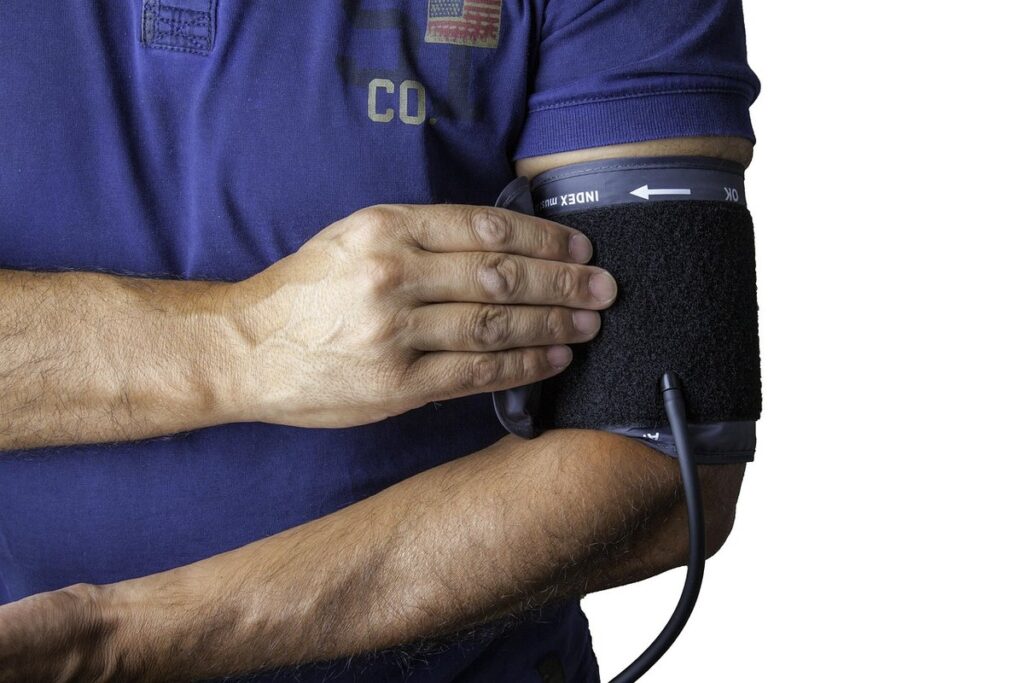
When taking blood pressure readings using a senior blood pressure chart, proper cuff placement and technique are crucial to ensure accurate results. Begin by selecting a suitable location for the cuff, typically on the upper arm about an inch above the elbow crease. Avoid placing the cuff over clothing or thick sleeves, as this can compress the underlying tissue and affect the reading.
Next, wrap the cuff snugly around your arm but not too tightly – you should be able to insert two fingers between the cuff and your skin. Make sure the edge of the cuff is aligned with the top of the bicep muscle. Pump the cuff up to the recommended pressure using the built-in pump or manually squeeze it.
Allow the machine to slowly release the pressure, and record the reading when the numbers stop moving. It’s essential to take multiple readings at different times to get an accurate average blood pressure. Avoid taking readings immediately after exercise, smoking, or consuming caffeine as these can temporarily elevate your blood pressure.
Take note of any irregularities in your pulse or rhythm during the measurement process, as these can indicate potential issues with your cardiovascular health.
Interpreting Blood Pressure Results
When interpreting blood pressure results from a senior blood pressure chart, it’s essential to understand what the numbers mean. The top number, systolic pressure, measures the force of blood against artery walls when the heart beats. The bottom number, diastolic pressure, measures the force of blood against artery walls between beats.
A normal blood pressure reading for seniors is typically defined as less than 120/80 mmHg. However, this can vary depending on age and health status. For example, a systolic pressure below 140 mmHg may be considered normal for someone over 65 years old.
To interpret your senior’s blood pressure results, consider the following factors:
- A systolic pressure of 120-139 mmHg is often referred to as prehypertension.
- A diastolic pressure of 80-89 mmHg may indicate early signs of high blood pressure.
- If either number exceeds these ranges, consult with a healthcare professional for further guidance.
Keep in mind that isolated readings can be misleading. Consistently high or low readings over several sessions are more reliable indicators of blood pressure trends. By understanding what the numbers mean and considering individual factors, you can better interpret senior blood pressure results from your chart.
Understanding Age-Related Changes in Blood Pressure
As you review senior blood pressure charts, it’s crucial to understand how age affects blood pressure readings and how they can vary across different age groups. Age-related changes in blood pressure are a natural part of aging, but knowing what to expect is key.
How Blood Pressure Changes with Age
As people age, their blood pressure typically changes. One key change is an increase in systolic pressure. This means the top number of a blood pressure reading usually rises with age. For example, a 30-year-old might have a systolic pressure of around 120 mmHg, while someone in their 60s or 70s may have a systolic pressure of 140-160 mmHg.
This increase is not unique to any particular group and can be attributed to several factors. Aging affects the blood vessels’ elasticity and structure, making it harder for them to relax and expand when needed. This increased stiffness means the heart has to work harder to pump blood through narrowed pathways, resulting in higher systolic pressure.
Not everyone will experience this increase at the same rate or to the same extent. Some older adults may have a normal or even lower systolic pressure than younger individuals due to various lifestyle and health factors. However, it’s essential for seniors to be aware of these changes and discuss their blood pressure with their healthcare provider, especially if they’re experiencing symptoms like headaches or dizziness. By understanding how age affects blood pressure, seniors can better manage their overall health and make informed decisions about their care.
Impact of Age-Related Changes on Health
As we age, our blood pressure naturally increases due to a combination of factors. After the age of 40, most people experience a gradual rise in systolic pressure, often referred to as “age-related hypertension.” This increase is primarily caused by a decline in the flexibility and elasticity of the blood vessels, making them stiffer and less able to relax when blood flows through them.
As a result, the heart has to work harder to pump blood through these stiffer vessels, leading to increased pressure on the arterial walls. If left unmanaged, this can lead to serious health consequences. The most significant risk is cardiovascular disease, which includes conditions such as coronary artery disease, heart failure, and stroke. Age-related hypertension also increases the likelihood of kidney disease, peripheral artery disease, and vision loss due to retinal damage.
Regular blood pressure monitoring using a senior blood pressure chart can help identify these changes early on, allowing for timely interventions and lifestyle adjustments to mitigate risks. Simple strategies like maintaining a healthy weight, engaging in regular physical activity, and adhering to a balanced diet rich in fruits, vegetables, and whole grains can significantly reduce the impact of age-related hypertension on overall health.
Managing High Blood Pressure as a Senior: Lifestyle Changes and Medications
Making lifestyle changes is crucial for seniors managing high blood pressure, including adopting a balanced diet and regular exercise routine. Effective medication management also plays a vital role in achieving healthy blood pressure levels.
Dietary Changes to Help Manage Blood Pressure
To manage high blood pressure through dietary changes, it’s essential to focus on reducing sodium intake. The American Heart Association recommends limiting daily sodium consumption to less than 2,300 milligrams for most adults, and further reducing intake if possible. This means choosing low-sodium foods or seasoning with herbs and spices instead of salt.
Aim to eat a variety of fruits, vegetables, whole grains, lean proteins, and healthy fats, such as those found in nuts and avocado. Include potassium-rich foods like bananas, leafy greens, and sweet potatoes, which can help offset the effects of sodium on blood pressure. Limit or avoid processed meats, sugary drinks, and refined carbohydrates.
When shopping for packaged foods, check the nutrition label for sodium content. Opt for products labeled as “low-sodium” or “no-salt-added.” Cooking at home allows you to control the amount of salt used in recipes. Consider trying plant-based protein sources like beans, lentils, or tofu, which are naturally low in sodium.
To put this into practice, start by swapping one high-sodium food with a lower-sodium alternative each day. For example, try replacing canned soup with homemade vegetable broth or choosing low-sodium broth from the store.
Exercise and Physical Activity for Seniors with Hypertension
Regular exercise and physical activity are essential for seniors with hypertension. Physical activity helps lower blood pressure by improving cardiovascular health, reducing stress, and aiding in weight management. Exercise can also enhance insulin sensitivity, which is often reduced in individuals with high blood pressure.
Aerobic exercises, such as brisk walking, cycling, or swimming, are ideal for seniors with hypertension. These activities strengthen the heart and lungs while increasing circulation. Strength training, like bodyweight exercises or weightlifting, can also be beneficial by improving muscle mass and bone density. However, it’s essential to start slowly and progress gradually to avoid overexertion.
Incorporating physical activity into daily routines can be as simple as taking a 10-minute walk after each meal or doing a few stretching exercises during commercial breaks while watching TV. Even light activities like gardening or dancing can contribute to overall fitness. For seniors with hypertension, it’s recommended to aim for at least 150 minutes of moderate-intensity exercise per week.
When beginning an exercise routine, consider consulting with a healthcare provider to create a personalized plan that suits your abilities and health status.
Common Medications Used to Treat High Blood Pressure in Seniors
Common medications used to treat high blood pressure in seniors often involve a combination of diuretics, ACE inhibitors, and calcium channel blockers. Diuretics work by increasing urine production, which helps remove excess fluid from the body. Examples of diuretic medications include furosemide (Lasix) and hydrochlorothiazide (HCTZ). ACE inhibitors, such as lisinopril (Zestril) and enalapril (Vasotec), help relax blood vessels by blocking a hormone that constricts them.
Calcium channel blockers, including verapamil (Calan) and diltiazem (Cardizem), also work to relax blood vessels. They prevent calcium from entering the muscle cells of the heart and arteries, causing the vessels to dilate. Side effects of these medications can include fatigue, dizziness, and increased urination.
It’s essential for seniors with high blood pressure to discuss potential side effects with their healthcare provider before starting any new medication regimen. Additionally, it’s crucial to work closely with a healthcare professional to determine the best combination of medications and dosages to manage blood pressure effectively.
Advanced Topics: Using Technology to Monitor Senior Blood Pressure
Monitoring senior blood pressure just got a whole lot easier, thanks to advanced technology that tracks and analyzes vital signs remotely.
These innovative tools can provide valuable insights into your loved one’s health, helping you make informed decisions about their care.
Mobile Apps and Online Tools for Monitoring Blood Pressure
Many popular mobile apps and online tools can help seniors monitor their blood pressure. One such app is Omron Connect, which allows users to track their readings over time and share them with their healthcare provider. Another option is Withings, a comprehensive health monitoring platform that includes blood pressure tracking features.
Some notable online tools include American Heart Association’s (AHA) Check. Change. Control., a free resource for managing high blood pressure. This tool offers personalized action plans, medication management advice, and reminders to take readings regularly.
For seniors who prefer a more visual approach, there are apps like Blood Pressure Tracker, which displays readings in an easy-to-understand graph format. Another option is BP Monitor, a simple app that tracks daily readings and provides basic analysis.
When choosing a mobile app or online tool, consider factors such as user-friendliness, data sharing capabilities, and the level of support provided by the developer. It’s also essential to consult with your healthcare provider before adopting any new technology for monitoring blood pressure.
Wearable Devices and Continuous Blood Pressure Monitoring
Wearable devices and continuous blood pressure monitoring offer several benefits for seniors. One of the primary advantages is improved accuracy. Traditional blood pressure monitoring methods can be prone to human error, but wearable devices can automatically track readings throughout the day. This provides a more comprehensive picture of an individual’s blood pressure patterns.
Some wearables use cuff-based technology, while others employ non-invasive radial artery tonometry (RAT) or finger-based pulse oximetry. For example, smartwatches and fitness trackers often integrate built-in blood pressure monitoring capabilities. These devices can also sync with mobile apps to track readings over time.
Continuous blood pressure monitoring allows for more frequent and consistent tracking, which is particularly beneficial for seniors who may have varying levels of mobility or cognitive impairment. This information can be shared with healthcare providers to inform treatment decisions and adjust medication regimens as needed. When selecting a wearable device, consider factors such as accuracy, comfort, and ease of use. It’s essential to consult with a healthcare professional before starting continuous blood pressure monitoring to ensure the chosen device is suitable for individual needs.
Conclusion: Importance of Regular Blood Pressure Monitoring in Seniors
Regular blood pressure monitoring is crucial for seniors to manage their health effectively. Monitoring helps identify potential issues before they become severe, allowing for timely interventions and reducing the risk of complications. For instance, hypertension can lead to cardiovascular disease, kidney damage, or even stroke if left unmanaged. By regularly checking their blood pressure, seniors can catch these problems early on, receive proper treatment, and enjoy a better quality of life.
Seniors should aim to monitor their blood pressure at least once a week, ideally in the morning after waking up. This helps account for any fluctuations that may occur throughout the day. Additionally, it’s essential to consult with a healthcare professional if readings consistently exceed 120/80 mmHg or if there are concerns about overall health. Regular monitoring empowers seniors and their caregivers to make informed decisions about their care, ensuring optimal well-being as they age.
Frequently Asked Questions
Can I use a senior blood pressure chart if my loved one has a pacemaker or implantable cardioverter-defibrillator (ICD)?
Yes. Most modern pacemakers and ICDs are designed to be compatible with blood pressure monitoring, but it’s essential to consult the device manufacturer’s guidelines before starting regular readings.
How often should I review and update the senior blood pressure chart for my loved one?
Regular reviews of the chart should occur every 3-6 months to monitor progress and adjust treatment plans as needed. This frequency may vary depending on individual health needs and changes in medication or lifestyle.
What if my senior is experiencing symptoms like dizziness, headaches, or shortness of breath when their blood pressure readings are normal?
These symptoms can be indicative of underlying conditions unrelated to blood pressure. Consult a healthcare professional for guidance on interpreting these signs and adjusting treatment plans accordingly.
Can I use a senior blood pressure chart with wearable devices that track continuous blood pressure monitoring?
Yes, many wearable devices now offer continuous blood pressure monitoring capabilities, which can provide more accurate readings than traditional cuff-based methods. However, consult the device manufacturer’s guidelines to ensure compatibility with your chosen chart and treatment plan.
How do I handle situations where my senior has trouble adhering to lifestyle changes or medication regimens due to cognitive decline or other health issues?
Work closely with healthcare professionals to develop personalized strategies for managing blood pressure in seniors with complex needs. This may involve consulting geriatric care specialists, social workers, or other support services to ensure the best possible outcomes.