
As we age, our transportation needs often change, but that doesn’t mean we have to sacrifice our independence. Senior transportation is a vital concern for many families and caregivers, and it’s an issue that’s only gaining importance as the baby boomer generation continues to age. From finding affordable ridesharing services to advocating for policy changes, there are many ways to create a supportive transportation network for seniors. In this article, we’ll explore the various senior transportation options available, including ridesharing, volunteer driver programs, and innovative technology solutions. We’ll also discuss how to navigate the system and make a positive impact on the lives of seniors in your community. By the end of this article, you’ll have a better understanding of the importance of senior transportation and the steps you can take to make a difference.
Challenges Faced by Seniors with Transportation
Many seniors face difficulties accessing transportation, whether it’s due to physical limitations, financial constraints, or lack of access to reliable services. This section highlights the common transportation challenges seniors encounter.
Limited Public Transportation Options
Many areas lack sufficient public transportation options, making it challenging for seniors to access essential services and amenities. This can be particularly concerning for seniors who rely on public transportation to get to doctor’s appointments, grocery shopping, or social events. In some cities, public transportation systems are inadequate, with infrequent bus routes, limited coverage, or long wait times.
For instance, a study by the AARP found that in many rural areas, public transportation is scarce, and seniors are often left without reliable transportation options. This can lead to social isolation, reduced access to healthcare, and decreased mobility. In cities with aging infrastructure, public transportation may be available but may not be accessible for seniors with mobility issues or visual impairments.
To mitigate these challenges, consider exploring alternative transportation options, such as senior-focused transportation services or volunteer driver programs. These services can provide safe and reliable transportation for seniors, helping them maintain their independence and quality of life. By understanding the limitations of public transportation and seeking out alternative solutions, seniors can continue to live active, engaged lives.
Cost and Affordability
Many seniors face significant financial burdens when it comes to accessing transportation. One of the primary concerns is the high cost of owning and maintaining a vehicle. This includes expenses such as insurance, registration, and maintenance costs, which can add up quickly. Additionally, fuel costs can be a significant concern, especially for those who live in areas with high gas prices.
For seniors living in urban areas, public transportation may seem like a viable option. However, costs for bus passes or metro cards can be steep, and many seniors struggle to afford these expenses. According to a 2020 report by the AARP, 27% of seniors reported spending more than 10% of their income on transportation costs.
To alleviate these financial burdens, seniors can explore alternative transportation options. For example, ride-hailing services such as Uber or Lyft may be more affordable than owning a vehicle. Additionally, many cities offer discounted public transportation passes for seniors. Researching and taking advantage of these options can help seniors save money and stay connected to their communities.
Safety Concerns
Using public transportation or driving oneself can be a daunting task for seniors, especially when it comes to safety concerns. The risk of accidents, injuries, and fatalities is a harsh reality that many seniors face daily. According to the National Highway Traffic Safety Administration (NHTSA), drivers aged 65 and older are more likely to be involved in fatal crashes than drivers in any other age group.
When using public transportation, seniors may be exposed to a higher risk of crime, harassment, or exploitation. They may also be more vulnerable to medical emergencies due to lack of immediate access to medical care. Additionally, navigating complex transportation systems, such as bus routes and schedules, can be overwhelming, leading to missed appointments, late arrivals, or even getting lost.
To mitigate these risks, seniors can take a few proactive steps. They can research and plan their routes in advance, using tools like trip-planning apps or consulting with a transportation agency. They can also consider using transportation services specifically designed for seniors, such as paratransit services or volunteer driver programs. By taking these precautions, seniors can enjoy greater peace of mind when traveling and stay connected with family, friends, and community.
Alternative Transportation Options for Seniors
If you’re looking for ways to stay mobile without driving, there are several alternative transportation options available to seniors, each with its own benefits and requirements. We’ll explore some of these options in this section.
Ridesharing Services and Carpooling
Ridesharing services and carpooling have become increasingly popular transportation options for seniors in recent years. These alternatives offer numerous benefits, making them an attractive choice for older adults who may struggle with driving or prefer not to own a vehicle. By joining a ride-sharing service or carpooling, seniors can enjoy reduced costs, increased accessibility, and social benefits.
For instance, companies like Uber and Lyft offer affordable transportation options, often at a lower cost than owning and maintaining a vehicle. Additionally, many ridesharing services cater specifically to seniors, providing them with easy-to-use apps and features that prioritize their safety and comfort. Carpooling, on the other hand, allows seniors to share rides with neighbors, friends, or colleagues, creating opportunities for social interaction and community building.
To get started with ridesharing or carpooling, seniors can begin by researching local options in their area. Many cities offer specialized transportation services for seniors, such as senior-focused ride-hailing apps or community-driven carpooling programs. By exploring these alternatives, seniors can enjoy greater freedom, independence, and social connection while reducing their reliance on personal vehicles.
Volunteer Driver Programs
Volunteer driver programs play a vital role in providing transportation to seniors, especially those who rely on others for mobility. These programs connect seniors with trusted, volunteer drivers who can take them to appointments, errands, and social events. The benefits of volunteer driver programs are numerous. For one, they offer a safe and reliable means of transportation, allowing seniors to maintain their independence and stay connected with their communities. They also provide a much-needed break for caregivers, who can use the time to tend to their own needs or simply take a breather.
To get involved with a volunteer driver program, you can start by contacting local organizations that specialize in senior transportation. Many communities have programs in place that are easy to join, such as AARP’s Roadside Assistance or the National Older Driver Safety Council’s Volunteer Driver Program. You can also search online for programs in your area. Once you’ve found a program that interests you, simply sign up and undergo any necessary training or orientation. From there, you can start matching with seniors in need of transportation, making a meaningful difference in your community.
Transportation Services for Seniors with Disabilities
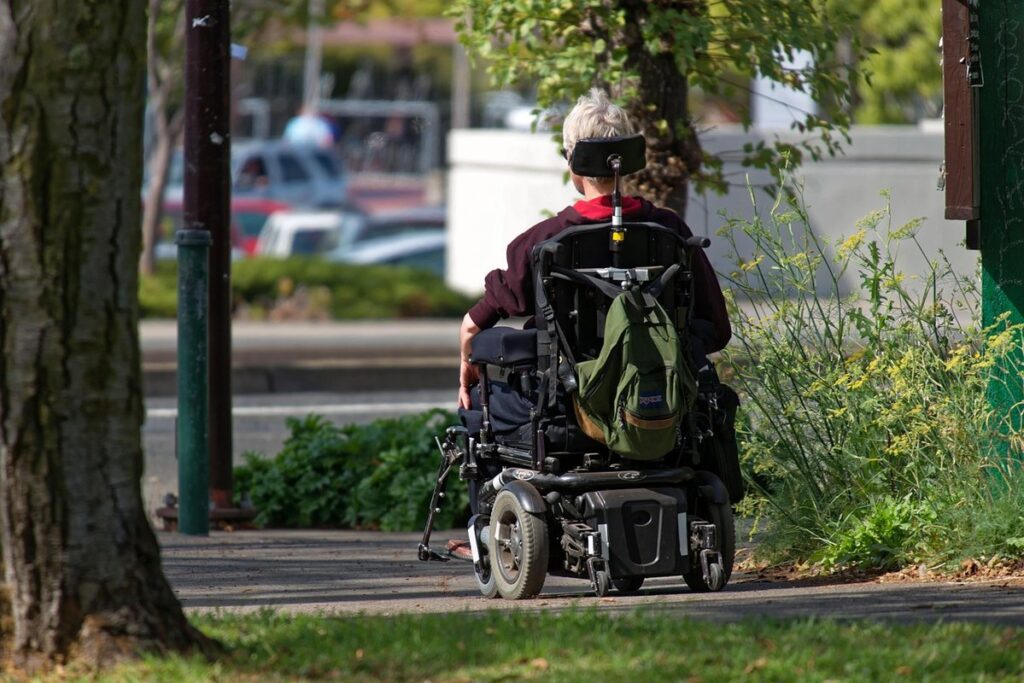
For seniors with disabilities, accessing transportation can be a significant challenge. That’s why specialized transportation services have been developed to cater to their unique needs. These services provide wheelchair-accessible vehicles and trained drivers who are equipped to handle the specific requirements of seniors with disabilities.
One such service is door-to-door transportation, where drivers will pick up seniors from their homes and transport them to their destinations in a wheelchair-accessible vehicle. This service is particularly beneficial for seniors who rely on wheelchairs or mobility aids, as it ensures they can travel safely and comfortably.
Many organizations offer transportation services specifically designed for seniors with disabilities. These services often have adapted vehicles that can accommodate wheelchairs, walkers, and other mobility aids. Additionally, drivers undergo training to provide the necessary care and assistance to seniors with disabilities.
When selecting a transportation service, consider the following factors: wheelchair-accessible vehicles, trained drivers, and flexible scheduling to accommodate your needs. By doing so, you can ensure a safe and comfortable transportation experience. Research local organizations and services in your area that cater to seniors with disabilities, and reach out to them to learn more about their services.
Technology and Transportation Solutions for Seniors
As a senior, you’re likely looking for ways to stay connected and independent, which is why we’ll explore the innovative technology and transportation solutions designed specifically with your needs in mind.
Ride-hailing Apps and Services
For many seniors, ride-hailing apps and services have become a vital part of their daily lives. These apps have increased accessibility and reduced costs, making it easier for seniors to get around without relying on family members or public transportation. Services like Uber and Lyft have made it possible for seniors to hail a ride with just a few taps on their smartphone.
One of the main benefits of ride-hailing apps for seniors is the flexibility to travel whenever and wherever they want. No longer do they need to rely on fixed public transportation schedules or wait for a ride-share from a neighbor. With ride-hailing apps, seniors can book a ride in advance or request one on the go, giving them more control over their daily routines.
In addition to increased flexibility, ride-hailing apps also offer cost savings. Many seniors can no longer drive themselves due to declining health or cognitive abilities, and may rely on family members or caregivers to drive them around. With ride-hailing apps, they can save money by not having to pay for gas, parking, or vehicle maintenance.
Senior-focused Transportation Apps
For seniors who value independence and mobility, transportation apps can be a game-changer. Designed with seniors in mind, these apps offer a range of features that cater to their specific needs. One such feature is an easy-to-use interface, which eliminates the need to navigate complex menus or learn new skills. For instance, apps like RideLink allow seniors to book rides with a simple tap on their screen, while others, like Via, provide a clean and intuitive interface that’s easy to understand.
GPS tracking is another essential feature that transportation apps offer. This feature enables seniors to track their journey in real-time, providing peace of mind for both the rider and their loved ones. Some apps, like Uber, also offer GPS tracking, which can be especially useful for seniors who may need assistance during their journey.
In addition to these features, some transportation apps also offer emergency response systems. These systems allow seniors to quickly and easily contact emergency services in the event of an unexpected situation. For example, the app CarePredict uses AI-powered predictive analytics to detect when a senior may need assistance, and can even trigger emergency responses if necessary.
Autonomous Vehicles and Senior Transportation
As the senior population continues to grow, ensuring safe and accessible transportation options becomes increasingly important. Autonomous vehicles (AVs) are revolutionizing the transportation landscape, and their potential impact on senior transportation is significant. By leveraging AV technology, seniors can enjoy increased safety and mobility, reducing their reliance on family members or public transportation.
Studies have shown that seniors are more likely to be involved in accidents due to visual or cognitive impairments. AVs can mitigate these risks by removing human error from the equation. For example, a senior with vision loss can travel safely and independently in an AV, which is equipped with advanced sensors and navigation systems.
AVs also offer increased mobility for seniors, allowing them to travel to appointments, visit friends, and engage in activities without worrying about driving themselves. This can help combat social isolation, a significant concern for seniors. As AV technology continues to advance, we can expect to see more innovative solutions for senior transportation, improving the quality of life for this population.
Creating a Supportive Transportation Network for Seniors
To create a supportive transportation network for seniors, consider strategies like partnering with local organizations and investing in accessible vehicles that cater to seniors’ needs.
Community-based Transportation Solutions
Community-based initiatives play a vital role in providing transportation solutions for seniors, catering to their unique needs and circumstances. Volunteer driver programs are a fantastic example of community-based transportation in action. These programs connect volunteers with seniors who require transportation to medical appointments, grocery shopping, or social events. For instance, the Transportation Resources for Seniors program in Los Angeles relies on a network of volunteers who provide door-to-door transportation services to seniors.
Community transportation services are another essential component of community-based transportation solutions. These services often involve buses or vans that operate on fixed routes, providing affordable and accessible transportation for seniors. Many community transportation services also offer specialized vehicles, such as wheelchair-accessible buses, to ensure that seniors with mobility impairments can participate. In addition, some community transportation services offer online booking systems or ride-hailing apps, making it easier for seniors to plan and book their trips. By taking advantage of community-based transportation solutions, seniors can maintain their independence, stay connected with their communities, and access essential services with ease.
Public-Private Partnerships
Public-private partnerships are an essential component of creating a supportive transportation network for seniors. By collaborating with government agencies, transportation providers, and community organizations, cities can develop innovative solutions to address the transportation needs of seniors. For instance, the Chicago Transit Authority’s (CTA) partnership with local non-profits has led to the creation of a senior-focused transportation program, providing affordable transportation to medical appointments and social events.
Similarly, the San Francisco Municipal Transportation Agency (SFMTA) has partnered with community organizations to launch a free transportation service for seniors, leveraging existing public transportation infrastructure. This collaboration not only addresses the transportation needs of seniors but also helps reduce transportation costs for low-income communities.
When forming public-private partnerships, cities should consider the following steps:
* Engage with local community organizations to identify transportation needs and gaps
* Collaborate with transportation providers to develop tailored solutions for seniors
* Leverage existing infrastructure and resources to maximize efficiency and cost-effectiveness
* Monitor and evaluate the effectiveness of the partnership to ensure ongoing improvement
Policy and Legislative Solutions
Creating a supportive transportation network for seniors requires policy and legislative solutions that prioritize their needs. One key strategy is to allocate dedicated funding for senior transportation programs. For instance, the Federal Transit Administration’s Elderly and Persons with Disabilities Program provides financial assistance to public transportation agencies to improve mobility for seniors. Similarly, the US Department of Transportation’s Grants for Buses and Bus Facilities Program has allocated funds for senior-focused transportation projects.
Regulatory reforms can also play a crucial role in improving senior transportation. For example, allowing municipalities to use a portion of their transportation funds specifically for senior-focused programs can help ensure that seniors have access to reliable and affordable transportation. Additionally, regulatory reforms can help streamline the process of obtaining necessary permits and approvals for senior transportation projects.
Infrastructure investments are also essential for creating a supportive transportation network for seniors. This can include investing in accessible transportation facilities, such as buses with wheelchair ramps, and improving the physical environment of transportation hubs to make them more senior-friendly.
Conclusion and Next Steps
Now that you’ve explored your senior transportation options, let’s summarize the key takeaways and discuss what’s next for you.
Key Takeaways
Senior transportation is a vital aspect of ensuring the independence and quality of life for seniors. In this article, we’ve explored the importance of senior transportation options and solutions, and the key takeaways are as follows:
As we’ve discussed, senior transportation is not just a necessity, but a right for seniors to maintain their independence and dignity. With an aging population, it’s essential for families, caregivers, and communities to prioritize senior transportation. By doing so, we can help seniors stay connected, engaged, and mobile.
One of the most significant solutions is to utilize public transportation, such as buses and trains. Many cities have implemented senior-friendly transportation systems, including discounted fares, accessible routes, and dedicated transportation services. Additionally, ride-sharing services, such as Lyft and Uber, offer a convenient and affordable option for seniors to get around.
Practically speaking, it’s essential to research and explore senior transportation options in your local area. Reach out to your local transportation agency or senior center to learn more about available services and programs. By taking the time to research and explore senior transportation options, you can help ensure that your loved ones stay mobile, connected, and independent for years to come.
Call to Action
As you’ve reached the end of this guide on senior transportation options and solutions, it’s time to take action. Whether you’re a senior yourself, a caregiver, or simply a concerned community member, there are many ways to make a positive impact. Consider volunteering with local transportation programs, such as the National Council on Aging’s (NCOA) Transportation Program, which connects seniors with volunteer drivers. Not only will you be making a difference in the lives of seniors, but you’ll also gain valuable experience and build connections in your community.
You can also advocate for policy changes that benefit seniors. Contact your local government representatives and express your support for initiatives that improve public transportation, such as expanding bus routes or implementing senior-focused transportation programs. Every voice matters, and collective action can lead to meaningful change.
For those who may be in need of transportation solutions themselves, explore options like senior-focused transportation apps, such as Uber Health or Lyft Concierge, which can connect you with drivers who cater to seniors. Don’t hesitate to reach out to local senior centers or transportation agencies for guidance and support.
Frequently Asked Questions
How can I involve my community in creating a supportive transportation network for seniors?
Involving your community is crucial to creating a supportive transportation network for seniors. Start by organizing community meetings or events to raise awareness about the issue. You can also partner with local organizations, such as senior centers or places of worship, to spread the word. Encourage residents to share their own transportation challenges and ideas for solutions. This collaborative approach can help build a network of volunteers, donors, and advocates who can help make a difference.
What if I’m on a tight budget – are there any affordable senior transportation options available?
Yes, there are affordable senior transportation options available. Many cities offer reduced-fare public transportation options for seniors, and some organizations provide free or low-cost transportation services. You can also consider ridesharing services that offer discounts for seniors. Additionally, many communities have volunteer driver programs that offer free transportation to seniors who need it. Be sure to research and explore these options in your area.
How can I ensure the safety of seniors using ridesharing services?
Ensuring the safety of seniors using ridesharing services is crucial. Look for services that have implemented safety features such as GPS tracking, background checks, and secure payment systems. You can also encourage seniors to use ride-sharing services with a friend or family member, and to always let someone know their destination and estimated time of arrival. Additionally, many ridesharing services offer additional safety features, such as emergency assistance buttons.
Can I use technology to help coordinate transportation for seniors in my community?
Yes, you can use technology to help coordinate transportation for seniors in your community. Consider using senior-focused transportation apps that allow seniors to request rides and track their routes in real-time. You can also use online platforms to connect seniors with volunteer drivers or other transportation resources. Additionally, some communities have implemented technology-based systems to manage transportation services and ensure that seniors have access to reliable and affordable transportation.
How can I advocate for policy changes to support senior transportation in my area?
Advocating for policy changes to support senior transportation in your area requires a thoughtful and collaborative approach. Start by identifying key stakeholders, such as local government officials, community leaders, and senior advocacy groups. Develop a clear and compelling case for policy change, highlighting the benefits of improved senior transportation services. Use data and statistics to demonstrate the need for change, and propose specific solutions that can be implemented. Work with stakeholders to build support for policy change and ensure that the needs of seniors are at the forefront of the discussion.