
As you grow older, it’s not uncommon to think that traveling becomes less feasible. But with some planning and insider knowledge, seniors can continue to explore new destinations without stress or worry. Whether you’re looking for a relaxing beach vacation, a scenic hiking trip, or a city break, there are many age-friendly options available. However, navigating the complexities of travel as a senior can be overwhelming – from arranging necessary documents to ensuring your health and safety while abroad.
In this article, we’ll guide you through everything you need to know for a worry-free senior-friendly vacation. We’ll explore top destinations that cater specifically to seniors’ needs, provide expert advice on essential travel documents, and discuss how to prioritize accessibility and health considerations. By the end of this article, you’ll be equipped with the knowledge to plan your next adventure with confidence, knowing exactly what to expect and how to prepare.
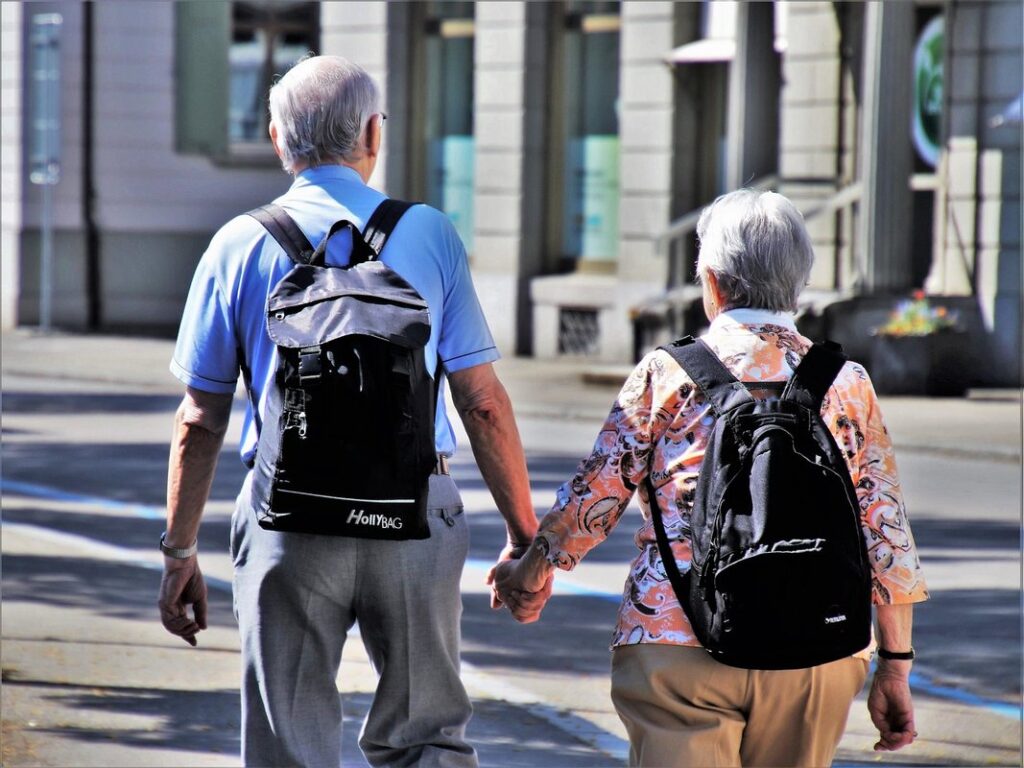
Planning a Senior-Friendly Vacation
When planning a senior-friendly vacation, it’s essential to consider your needs and limitations to ensure a safe and enjoyable journey for all involved. Let’s take a look at some tips to help you plan ahead.
Researching Age-Friendly Destinations
When researching age-friendly destinations for your senior-friendly vacation, consider popular hotspots that cater to older adults. Some top picks include cruises, beach resorts, and cities with walkable neighborhoods.
For example, many cruise lines now offer specifically designed itineraries for seniors, which can be a great way to travel without worrying about transportation or accommodation arrangements. These cruises often feature relaxed onboard activities, entertainment options, and dining facilities suitable for older adults.
Other popular destinations include cities like Portland, Oregon; Asheville, North Carolina; and Savannah, Georgia. These cities boast walkable neighborhoods with plenty of restaurants, shops, and cultural attractions within easy reach. Many also offer accessible public transportation systems, such as buses or light rail, to help navigate the city without a car.
Some online resources can be helpful in researching age-friendly destinations. For instance, AARP’s “Destination Guide” provides information on accessible attractions, accommodations, and transportation options for various cities across the United States. Additionally, TripAdvisor has an “Accessible Travel” filter that allows users to search for properties and activities specifically designed or suitable for seniors.
Understanding Travel Documents and Requirements
As you plan your senior-friendly vacation, it’s essential to understand the necessary travel documents required for seniors. The first step is to ensure that your passport is up-to-date and valid for at least six months beyond your return date. Some countries also require visas, which can be obtained through their respective embassy or consulate websites.
For seniors traveling internationally, it’s crucial to research any specific requirements or restrictions related to age. For instance, some countries have age-related visa restrictions or may require proof of onward travel. It’s also essential to verify that your health insurance covers you abroad and if not, consider purchasing a senior-specific travel insurance policy.
Don’t forget to photocopy important documents such as your passport, ID, and travel itinerary, and leave a copy with a trusted family member or friend in case of an emergency. Additionally, make sure to check with your airline for any age-related restrictions on travel or specific requirements for seniors. By understanding these essential documents and requirements, you can ensure a smooth and enjoyable journey for yourself or a loved one.
Pre-Trip Planning: Health and Safety Considerations
As you plan your senior-friendly vacation, pre-trip preparations are crucial to ensure your safety and well-being. Before embarking on your journey, take some time to assess your health conditions and medication needs.
Firstly, consider any chronic health conditions you may have, such as diabetes, heart disease, or mobility issues. If you’re traveling with a medical condition, make sure to research the destination’s healthcare facilities and availability of necessary medications. Some countries may have different standards for medical care, so it’s essential to be informed.
Next, manage your medication carefully. Bring an adequate supply of prescription medications in their original packaging, along with copies of prescriptions and a list of your medication regimen. Also, pack any essential medical equipment, such as walkers or oxygen tanks. Don’t forget to leave emergency contact information with family members or friends back home, including your itinerary and accommodation details.
Lastly, research the destination’s accessibility features and transportation options, ensuring they suit your mobility needs. This will help you avoid any potential health risks during travel.
Staying Safe While Traveling Abroad
As you explore foreign destinations, it’s essential to take necessary precautions to protect yourself from potential risks and scams that can target unsuspecting travelers. This includes being aware of local customs and taking steps to secure your personal belongings.
Common Scams Targeting Seniors
When traveling abroad, seniors are often targeted by scammers who take advantage of their trusting nature and lack of familiarity with local customs. One common scam is phishing, where thieves send emails or messages that appear to be from a legitimate source, such as a bank or government agency, requesting sensitive information like passwords or financial details.
Pickpocketing is another major concern for seniors traveling abroad. Thieves often target crowded areas, tourist hotspots, and public transportation, using distraction techniques like bumping into the victim or creating a commotion to steal valuables. To avoid falling prey to pickpocketing, keep your belongings secure and be mindful of your surroundings.
Other forms of financial exploitation include ATM scams, where thieves attach skimming devices to machines to steal card details, and hotel room scams, where staff may try to sell fake services or products to unsuspecting guests. To stay safe, research your accommodations thoroughly and be wary of anyone who approaches you with unsolicited offers.
Personal Safety Measures for Seniors
When traveling abroad as a senior, personal safety can be a top concern. To minimize risks and stay protected, it’s essential to take some simple yet effective measures. One of the most crucial steps is to always carry a personal alarm or whistle with you. These small devices are designed to be easily accessible and can quickly alert others in case of an emergency.
Staying connected with family and friends back home is also vital. Before your trip, inform them about your itinerary, including where you’ll be staying and how long you’ll be there. Consider sharing your location with them using a GPS tracking app or service, such as Life360 or Find My Friends, to ensure they can locate you quickly in case of an emergency.
Being aware of your surroundings is also crucial for personal safety. Pay attention to your environment, especially in crowded areas or at night. Trust your instincts and avoid situations that make you feel uncomfortable. It’s also a good idea to research the local culture and customs beforehand to avoid unintentionally offending anyone. By taking these simple steps, seniors can significantly reduce their risk of encountering problems while traveling abroad.
Accessibility and Inclusivity in Travel
As you plan your trip, let’s talk about making travel more accessible and inclusive for seniors, covering essential tips for a smooth and enjoyable journey. This includes accommodations, transportation, and attraction modifications.
Accommodations for Seniors
When traveling, having suitable accommodations is crucial to ensure that seniors have an enjoyable and safe experience. There are various types of hotels and resorts that cater specifically to the needs of older travelers.
One option is to look for hotels with wheelchair accessibility features such as ramps, wide doorways, and roll-in showers. Many hotels now provide this accommodation; research beforehand by visiting their websites or contacting them directly. Some popular hotel chains that offer accessible rooms include Marriott, Hilton, and Hyatt.
Senior-friendly resorts often have amenities like walking trails, fitness centers, and spa services that can help seniors stay active and relaxed during their trip. These resorts may also offer one-bedroom suites with kitchenettes to accommodate couples or small families who require extra space.
Consider booking a room or suite with a separate living area for more mobility and flexibility. Some travel options cater specifically to the needs of seniors, such as guided tours that are designed for older adults. For example, tour operators like ElderTreks offer trips tailored for seniors, often featuring activities like walking, sightseeing, or simply enjoying scenic views.
Before booking accommodations, think about your specific needs and research what amenities will make your stay comfortable and enjoyable.
Transportation Options for Seniors
As you plan your senior travel journey, transportation can be one of the most significant concerns. Fortunately, there are various options available to cater to the needs of older adults. Accessible public transport is a great starting point. Many cities now offer wheelchair-accessible buses and trains, making it easier for seniors with mobility issues to get around.
Some popular transportation services designed specifically for seniors include Senior Rideshare programs, which provide door-to-door transportation at an affordable rate. Private vehicle rentals are also available, often equipped with features such as walk-in showers and grab bars for added comfort and safety. For those who prefer a more personalized experience, companies like Uber and Lyft offer wheelchair-accessible vehicles.
In addition to these options, many senior-focused travel organizations offer specialized transportation services, including escorted tours that include transportation from one destination to another. Researching and booking these services in advance can ensure a smooth and enjoyable journey for seniors with mobility concerns.
Technology and Travel: A Senior’s Perspective
As we explore the world beyond our comfort zones, it’s essential to consider how technology can enhance our travel experience as seniors. Let’s take a closer look at how gadgets and apps can make our journeys smoother.
Using Assistive Technology While Traveling
Traveling can be an incredible experience for seniors, but it’s not without its challenges. One of the biggest hurdles is navigating unfamiliar places and communicating with locals when you don’t speak the language. That’s where assistive technology comes in – tools designed to make travel easier, safer, and more enjoyable.
Portable translators are a great example of how tech can bridge language gaps. Devices like the iTranslate or Google Translate app allow you to hold up your phone and get instant translations in over 100 languages. You can even download offline maps and dictionaries for areas with limited internet access.
GPS devices and apps like Garmin or Apple Maps also make it easy to find your way around, especially when traveling abroad. These tools provide turn-by-turn directions, alerts for traffic and road closures, and even offer augmented reality views of streets and landmarks. Some devices even offer features like pedestrian mode, which helps you navigate sidewalks and crosswalks.
There are many other assistive technologies designed specifically with seniors in mind. For example, apps like Be My Eyes connect you with sighted volunteers who can help you identify signs, maps, or menus. Others, like TripConnect, allow you to store important contact information and travel documents securely online, so you can access them from anywhere.
When shopping for assistive technology, consider your specific needs and preferences. For example, if you’re hard of hearing, look for devices with loudspeaker functionality or phone apps that offer live transcription services. If you have a visual impairment, explore tools like screen readers or magnifying glasses with built-in cameras. With the right tech by your side, you can confidently explore new places and create unforgettable memories.
Staying Connected with Family and Friends While Abroad
As you embark on your international travels, staying connected with family and friends back home is easier than ever. With a few simple tools and strategies, you can maintain close relationships despite the distance. Video calling software like Zoom, Skype, or Google Meet allows for face-to-face conversations, making it feel as though you’re right there in person.
Messaging apps such as WhatsApp, Facebook Messenger, or Signal enable seamless text-based communication, perfect for quick updates or longer chats. Social media platforms like Facebook and Twitter are also great for staying in touch, allowing you to share photos and experiences with loved ones. To ensure you stay connected, consider investing in a portable Wi-Fi hotspot or purchasing an international data plan for your smartphone.
Regular check-ins can be scheduled through these tools, making it easier to maintain relationships while exploring new destinations. By incorporating these communication methods into your travel routine, you’ll be able to share your adventures with loved ones and feel more connected despite the distance.
Senior Travel Trends and Statistics
As you plan your next adventure, let’s take a look at some revealing statistics that show just how many seniors are hitting the road and what they’re loving most about their travels.
Growing Demand for Age-Friendly Travel
The demand for age-friendly travel is on the rise, with seniors increasingly seeking out unique and accessible destinations. According to a recent survey, 75% of Baby Boomers are more likely to take a trip that caters to their interests and abilities. This shift towards experiential travel is driven by a desire for cultural immersion, exploration, and adventure.
Statistics reveal that the senior tourism market is growing faster than any other demographic. In 2020, it was reported that seniors aged 65-74 spent an average of $2,000 per person on international travel, while those 75 and older averaged $1,500. To cater to this demand, many destinations are now offering age-friendly amenities such as wheelchair-accessible accommodations, transportation services, and cultural activities tailored for seniors.
As a result, senior travelers can now enjoy stress-free vacations with minimal planning. Consider seeking out tour operators that specialize in age-friendly travel, offering guided excursions, pre-arranged logistics, and expert-led itineraries designed specifically for seniors. This approach not only alleviates the burden of trip-planning but also ensures a more enjoyable experience tailored to individual needs and interests.
Benefits of Senior Travel: Physical and Mental Health
Traveling as a senior can have a profound impact on both physical and mental health. One of the most significant benefits is reduced stress levels. Leaving behind the daily routine and responsibilities can be incredibly liberating, allowing seniors to unwind and recharge. According to a study by the American Psychological Association, older adults who engage in travel experience a significant decrease in stress levels.
In addition to reducing stress, senior travel can also improve mobility. Engaging in physical activities such as walking, hiking, or even trying new sports can help maintain muscle strength and flexibility. For instance, seniors who participate in guided hikes report improved balance and reduced risk of falls. Furthermore, traveling to new destinations exposes seniors to diverse cultures, environments, and lifestyles, which can encourage social connections.
Staying connected with others is essential for mental health. Traveling allows seniors to meet new people, make friends, and engage in shared activities. Many tour operators cater specifically to senior travelers, offering group tours and social events that facilitate connections. By incorporating travel into their lives, seniors can maintain a strong sense of community and well-being.
Final Tips and Recommendations
As you prepare for your senior travel adventure, don’t forget these crucial final tips and recommendations to ensure a safe and enjoyable journey every step of the way. Some key considerations are still ahead.
Last-Minute Preparations Before Departure
Before you depart on your senior travel adventure, take some time to review and finalize the essential preparations. This will help ensure a smooth and enjoyable journey. Double-check that all necessary documents are up to date, including your passport, visa (if required), and health insurance card. Make sure you have photocopies of these documents as well, in case of emergencies.
Confirm your flight details, including departure and arrival times, gate numbers, and seat assignments. Check with your airline for any travel restrictions or requirements specific to seniors. Familiarize yourself with local customs and laws by researching the destination’s cultural norms and regulations. This will help you avoid any unintentional misunderstandings or faux pas.
Additionally, make sure you have a plan in place for communicating with family members or friends back home. Leave a copy of your itinerary with someone trusted, including contact information for your accommodations and emergency services. With these final preparations out of the way, you’ll be ready to embark on your senior travel journey with confidence and peace of mind.
Post-Trip Reflections: Lessons Learned and Takeaways
As you wrap up your senior travel journey, take some time to reflect on your experiences. What worked well? What didn’t quite go as planned? This post-trip reflection is an essential part of the learning process, and it’s where you can distill the valuable lessons learned from your travels.
Start by identifying what went right – perhaps a particular tour or activity exceeded your expectations, or you discovered a hidden gem that became a highlight of your trip. On the other hand, consider what could have been improved – was there a particular challenge or obstacle that made it difficult for you to navigate? How would you handle similar situations in the future?
Take notes on any new insights gained from your experiences, whether they relate to planning, navigation, or cultural immersion. Use these takeaways to inform future travel decisions and make adjustments as needed. For example, if you found that a certain mode of transportation worked well for you, consider incorporating it into future trips. By reflecting on your travels and distilling key lessons learned, you’ll become an even more seasoned and confident traveler – ready to tackle the next adventure with ease and enthusiasm.
Frequently Asked Questions
Can I use a power wheelchair or mobility scooter on my senior-friendly vacation?
Yes, many destinations now offer accessible transportation options for seniors with mobility aids. Research your destination beforehand to ensure that your device can be accommodated and consider booking accommodations with roll-in showers and spacious rooms.
How do I stay connected with family and friends while traveling abroad as a senior?
Staying connected is easier than ever! Invest in a portable Wi-Fi hotspot or international data plan for your phone, and download video calling apps like FaceTime or Skype to keep loved ones close. Don’t forget to pack an adapter for charging your devices on the go.
What if I need medical attention while traveling as a senior?
In case of a medical emergency, research local hospitals and clinics near your accommodations that cater to seniors’ needs. Consider purchasing travel insurance that covers medical expenses abroad and always carry essential medications in your carry-on luggage.
How do I ensure accessibility at my destination’s accommodations?
When booking accommodations, look for properties with accessible features like roll-in showers, grab bars, and wheelchair ramps. Many websites now offer filters for accessible options, so be sure to use these when searching. Don’t hesitate to contact the hotel directly if you have specific requests or concerns.
Can I use assistive technology while traveling, such as text-to-speech software or a GPS device?
Yes! Assistive technology can greatly enhance your travel experience. Research devices and software that cater to your needs and consider investing in portable options for greater convenience. Don’t forget to pack chargers and adapters to keep your devices powered on the go.