
Are you or someone you know looking for ways to stay active, engaged, and connected in your golden years? Participating in seniors games can be a fantastic way to improve physical and mental health, reduce stress, and increase social interaction. But what exactly are seniors games, and how can they benefit you? From gentle exercise programs to competitive team sports, there’s a wide range of activities to choose from that cater to different interests and abilities. In this article, we’ll explore the benefits of seniors games, provide tips on preparation and getting involved, and offer advice on finding the right games for your lifestyle. Whether you’re looking to stay healthy, meet new people, or simply have some fun, we’ll show you how seniors games can transform your life and bring joy to your later years.
What are Senior’s Games?
Let’s dive into what seniors games are all about, and how they can help you stay active, engaged, and connected with your community as we age.
Brief History of Senior’s Games
The concept of seniors games has been around for nearly a century, with its roots dating back to England in 1934. That year marked the first official National Seniors Games, which brought together competitors aged 35 and above to participate in various sports and activities. This pioneering event set the stage for what would become an international phenomenon.
Over time, seniors games have evolved significantly, adapting to changing societal values and demographics. By the mid-20th century, many countries began hosting their own versions of national seniors games, with events like the US Senior Olympics gaining popularity in the 1960s. The International Seniors Games Association (ISGA) was formed in 1979 to promote and coordinate international competition among seniors.
Today, seniors games encompass a broad range of activities, from traditional sports like track and field to more unusual pursuits such as bowling, darts, and even chess. With the rise of accessible healthcare and increased emphasis on healthy aging, participation has grown exponentially. As a result, seniors games now offer an inclusive platform for individuals aged 50+, fostering social interaction, physical activity, and mental stimulation – all essential components for maintaining overall well-being.
Benefits of Participating in Senior’s Games
Participating in senior’s games can be a game-changer for older adults, offering numerous benefits that extend far beyond just having fun. Improved physical health is one of the most significant advantages, as regular exercise and movement can help maintain strength, flexibility, and balance. This can reduce the risk of falls, osteoporosis, and other age-related conditions.
In addition to physical benefits, senior’s games also provide mental stimulation, which is essential for cognitive health. Engaging in mentally challenging activities has been shown to delay cognitive decline and even reduce the risk of dementia. Games that require strategy, problem-solving, and memory recall can be particularly beneficial.
Social interaction is another key benefit of participating in senior’s games. Meeting new people and forming connections with others can help combat loneliness and isolation, which are significant concerns for many older adults. Many senior’s games offer opportunities to join clubs or teams, making it easy to meet like-minded individuals who share similar interests. By getting involved, you can build a supportive community and enjoy the camaraderie that comes with shared activities.
Types of Senior’s Games
When it comes to staying active and engaged, the variety of senior’s games is vast, offering something for every interest and skill level. From board games to outdoor activities, we’ll explore the many options available.
Indoor Games
Indoor games are an excellent option for seniors who prefer to stay indoors or have mobility issues. These games offer a fun and engaging way to stay active without having to venture outdoors. Examples of popular indoor games include bowling, table tennis, and pool.
Bowling is a great option for seniors as it’s low-impact and easy on the joints. Many communities offer adaptive bowling options, including lightweight balls and ramps, making it accessible to those with mobility issues. Table tennis is another excellent choice, requiring minimal physical exertion but engaging the mind and promoting hand-eye coordination.
Pool or billiards can also be played at a leisurely pace, providing an enjoyable social activity while staying seated. Additionally, many community centers offer indoor games like shuffleboard, cornhole, and horseshoes, which are low-impact and easy to play. These games not only provide physical benefits but also opportunities for socialization and mental stimulation.
To get started with indoor games, consider visiting your local community center or senior center to explore available options. Many offer beginner classes or tutorials, so you can learn the basics of a new game in a supportive environment. Don’t be afraid to ask about adaptive equipment or modifications that can make playing more accessible.
Outdoor Games
Outdoor games are an excellent way for seniors to stay active and engaged while enjoying the great outdoors. Walking clubs are a popular example of outdoor games, providing a low-impact form of exercise that can be adapted to suit different fitness levels. Many communities offer organized walking groups, which not only promote physical activity but also provide opportunities for socialization and camaraderie.
Gardening groups are another great option for seniors who enjoy working with their hands and being outdoors. Not only do gardening activities like planting, weeding, and pruning get you moving, but they also have a therapeutic effect on mental health. Gardening can help reduce stress levels, boost mood, and even improve cognitive function.
Recreational sports like golf or tennis are also excellent outdoor games for seniors. These activities promote physical activity, hand-eye coordination, and social interaction. For instance, many communities offer senior-friendly golf courses with modified rules and equipment to accommodate players of all skill levels. To get started with outdoor games, consider joining a local club or group that aligns with your interests. This will help you meet new people and stay motivated as you exercise and have fun in the great outdoors.
Preparing for Senior’s Games
Getting ready for senior games is just as important as participating, and it starts with setting a training plan that suits your lifestyle and abilities. Let’s explore how to prepare effectively.
Physical Preparation
As you prepare for senior’s games, it’s crucial to focus on physical preparation to ensure a safe and enjoyable experience. A healthy diet plays a significant role in this process. Include plenty of fruits, vegetables, whole grains, lean proteins, and healthy fats in your meals. Aim to limit processed foods, sugary drinks, and saturated fats that can hinder performance.
Staying hydrated is also essential for optimal physical function. Drink at least eight glasses of water per day, and consider increasing this amount if you’re physically active. Avoid sugary drinks and caffeine, which can act as diuretics and lead to dehydration.
Regular exercise is another vital component of physical preparation. Engage in activities that promote flexibility, balance, and strength, such as yoga, walking, or swimming. Aim for at least 30 minutes of moderate-intensity exercise per day, five days a week. This will help improve cardiovascular health, boost energy levels, and reduce the risk of injury.
In addition to these habits, consider incorporating stretching exercises into your routine. Hold each stretch for 15-30 seconds, and repeat as needed. Focus on major muscle groups, such as hamstrings, quadriceps, and hip flexors. This will help improve flexibility and reduce muscle soreness.
Mental Preparation
As you prepare for senior’s games, it’s essential to focus on mental preparation. This may seem like an unusual aspect of competition, but trust us – a strong mental game can make all the difference between winning and losing.
To start building your confidence, set achievable goals for yourself. Instead of aiming to break a record or win first prize, focus on improving your time or score from one event to the next. This mindset shift will help you stay motivated and focused throughout each competition.
Another crucial aspect of mental preparation is developing strategies to overcome obstacles. Think about potential challenges you may face during events – such as inclement weather, equipment malfunctions, or even a tough opponent. Brainstorm ways to adapt and respond in these situations, so you’re not caught off guard when they arise.
Lastly, remember that senior’s games are just as much about socializing and having fun as they are about winning. Keep things in perspective by reminding yourself why you’re participating in the first place – for the joy of competition and camaraderie with fellow seniors.
Staying Safe While Playing Senior’s Games
When engaging in senior games, it’s natural to feel excited and eager to have fun, but safety should always be your top priority. Here are some essential tips to stay safe while playing.
Common Injuries and How to Prevent Them
Participating in senior games can be an excellent way to stay active and engaged, but it’s essential to be aware of potential injuries that may occur. Two common issues seniors face are strains and sprains, often caused by overexertion or sudden movements.
When engaging in activities like bowling, golf, or tennis, it’s crucial to listen to your body and pace yourself. Avoid pushing yourself too hard, especially if you’re new to a particular game or haven’t been active in a while. Warm up thoroughly before playing, and take regular breaks to rest and rehydrate.
Another risk factor is poor posture, which can lead to back pain and injuries like herniated disks. To avoid this, maintain good posture during games by keeping your head up, shoulders relaxed, and weight evenly distributed on both feet. Use proper lifting techniques when handling equipment or balls, and consider using ergonomic grips or handles if available.
Stay hydrated throughout playtime, and don’t hesitate to seek medical attention if you experience any pain or discomfort. By taking these precautions, you can enjoy the physical and social benefits of senior games while minimizing your risk of injury.
Emergency Procedures
In case of an emergency during senior’s games, it’s crucial to know what to do and how to react. First and foremost, seniors should familiarize themselves with basic first aid techniques. This includes knowing how to treat common injuries such as cuts, scrapes, and burns. Knowing the correct way to apply bandages, use antiseptic wipes, and provide CPR can be a lifesaver.
In addition to basic first aid, it’s also essential to know how to call for help if needed. Seniors should make sure they have a working phone nearby at all times during games. Many senior centers now offer emergency alert systems that can quickly summon medical help in case of an accident.
Before the next game, take some time to review basic first aid procedures and familiarize yourself with your local emergency services contact numbers. Knowing what to do in an emergency can give you peace of mind and ensure that everyone has a safe and enjoyable experience playing senior’s games.
Benefits of Senior’s Games for Health and Well-being
Participating in senior’s games can bring numerous health benefits, from improved cardiovascular fitness to enhanced mental acuity. In this section, we’ll explore these advantages up close.
Physical Benefits
Participating in senior’s games can have a significant impact on one’s physical health. For instance, regular participation in activities like badminton or table tennis can improve cardiovascular health by increasing heart rate and blood flow. This is because these games require sustained movement over an extended period, which helps to strengthen the heart and lungs.
In addition to cardiovascular benefits, senior’s games can also help increase strength and flexibility. Activities such as bowling or golf require precision and control, engaging multiple muscle groups simultaneously. Regular practice can lead to improved muscle tone, balance, and range of motion. For example, a study found that older adults who engaged in resistance training showed significant improvements in functional capacity.
Enhanced balance and coordination are also notable benefits of senior’s games. Activities like tai chi or chair volleyball require participants to be mindful of their movements and react quickly to changing situations. These skills can help reduce the risk of falls and injuries, which is particularly important for older adults. By incorporating senior’s games into their routine, individuals can enjoy a range of physical benefits that promote overall health and well-being.
Mental and Social Benefits
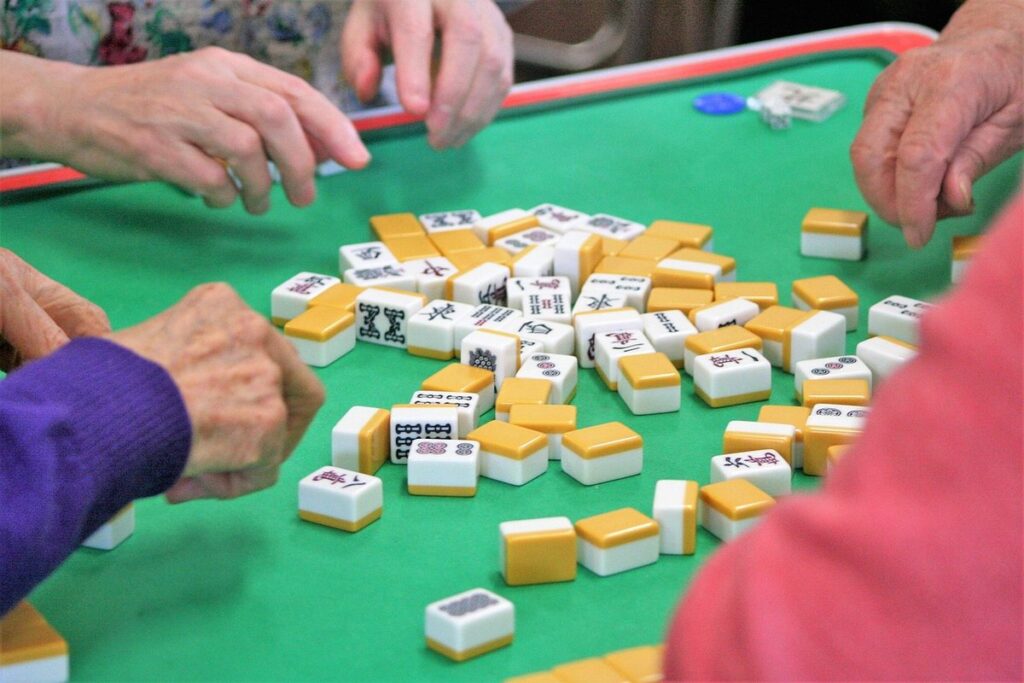
Playing senior’s games is not just good for our physical health; it also has a significant impact on our mental and social well-being. Engaging in activities like bridge, Scrabble, or Mahjong can reduce stress and anxiety by providing a much-needed break from the daily routine. The competitive nature of these games stimulates the mind, keeping our cognitive functions sharp and improving concentration.
Moreover, senior’s games offer an excellent opportunity for social interaction, which is often lacking among seniors who live alone or have reduced mobility. Playing with others fosters camaraderie, builds friendships, and creates a sense of belonging – essential components for mental health. Research has shown that participating in group activities can even help alleviate symptoms of depression.
When selecting senior’s games to play, consider ones that offer both individual and group participation, such as board games or card games with teams. This way, you’ll not only engage your mind but also interact with others, building relationships and having fun while doing so. Join a local community center or senior’s club to meet like-minded individuals and start exploring the mental and social benefits of senior’s games today!
Getting Involved with Senior’s Games
Getting involved with seniors’ games can be a great way to meet new people and stay active, so let’s explore how you can get started.
Finding Local Programs or Clubs
Getting involved with local programs or clubs is an excellent way to meet new people and stay active while participating in senior’s games. To find these opportunities, start by searching online for “seniors’ activities” or “adult sports leagues” in your area. Websites like Meetup.com or Nextdoor can connect you with groups of seniors who share similar interests.
You can also ask friends, family members, or neighbors if they know of any local programs or clubs that might be a good fit for you. Personal recommendations are often the best way to find out about hidden gems in your community. Additionally, check with local community centers or recreational facilities, such as YMCAs or senior centers, which often offer a range of activities and classes tailored specifically for seniors.
Don’t be afraid to reach out to these organizations directly to ask about their programs and schedules. Many communities also have local newspapers or event calendars that list upcoming events and activities for seniors. By taking a proactive approach, you can find the perfect fit for your interests and abilities, and get involved with senior’s games in no time.
Starting Your Own Program or Club
Starting your own senior’s game program or club can be an incredibly rewarding experience, allowing you to connect with like-minded individuals and create a sense of community within your local area. To get started, it’s essential to set clear goals for your program or club. What type of games will you offer? Who is your target audience? Will you meet weekly, biweekly, or monthly?
Recruiting participants can be as simple as posting flyers in local community centers, libraries, and churches, or spreading the word through social media groups focused on seniors’ activities. You may also consider partnering with local senior organizations or retirement communities to reach a wider audience.
To find resources, explore online platforms offering discounted equipment rentals or sports-specific programs for seniors. Don’t be afraid to approach local businesses about potential sponsorships or donations. Many companies are eager to support initiatives that promote community engagement and physical activity among seniors. By following these steps and being open to collaboration and innovation, you can establish a thriving senior’s game program or club that brings people together and keeps them active for years to come.
Conclusion
In conclusion, playing senior’s games is an excellent way for older adults to stay active, engaged, and connected. By incorporating these activities into their daily routine, seniors can reap numerous benefits, including improved physical health, enhanced cognitive function, and a reduced risk of loneliness and depression. As you’ve seen throughout this guide, there are countless options available, ranging from board games and puzzles to sports and outdoor activities. To get started, we recommend choosing one or two activities that resonate with you and committing to them regularly – even just 15-20 minutes a day can make a significant difference. Remember to have fun and be creative in your approach, as the goal is to stay engaged and active for years to come!
Frequently Asked Questions
What are the most important physical preparation tips for seniors games?
Physical preparation is crucial before participating in seniors games, especially if you’re new to a particular activity or haven’t been active in a while. Start with gentle exercises like walking, stretching, and light cardio to improve your endurance and flexibility. Consult with your doctor before beginning any new exercise routine, and consider working with a personal trainer or fitness coach who specializes in seniors’ fitness. Incorporate strength training and balance exercises to prevent injuries and falls.
How can I stay safe while playing seniors games, especially if I have pre-existing medical conditions?
Staying safe during seniors games is essential, especially if you have pre-existing medical conditions such as diabetes, heart problems, or joint issues. Inform your healthcare provider about your intentions to participate in seniors games, and discuss any necessary precautions. Consider wearing safety gear like knee pads or wrist supports, especially for high-impact activities like basketball or tennis. Bring a buddy or family member along to provide support and assistance if needed.
What kind of mental preparation is necessary before joining seniors games?
Mental preparation is just as important as physical preparation when it comes to participating in seniors games. Set realistic goals and expectations, and don’t be too hard on yourself if you make mistakes or struggle at first. Focus on having fun and enjoying the company of your fellow participants. Consider visualizing success, practicing relaxation techniques like deep breathing or meditation, and building a support network of friends and family.
Can seniors games help alleviate symptoms of loneliness and social isolation?
Yes, participating in seniors games can be an excellent way to combat loneliness and social isolation. Interacting with others who share similar interests and ages can foster new friendships and connections. Joining a local program or club that focuses on seniors’ activities can also provide opportunities for socialization and community engagement.
What are some common mistakes beginners make when starting out with seniors games, and how can I avoid them?
Common mistakes beginners make include pushing themselves too hard, ignoring their physical limitations, and not communicating with their healthcare provider about their participation. Avoid these pitfalls by listening to your body, being honest about your abilities and health concerns, and seeking guidance from experienced participants or coaches. Prioritize your safety and well-being above all else, and remember that it’s okay to start slow and progress gradually.