
As we age, staying connected with others becomes increasingly important. But let’s face it, life can get lonely when you’re no longer working or raising a family. Social isolation can have serious effects on our mental health and cognitive function. Fortunately, there are many ways to stay engaged and active in your golden years. In this article, we’ll explore social activities specifically designed for seniors that can help combat loneliness, improve mental health, and even reduce the risk of dementia. From group outings to online communities, we’ll delve into a variety of low-key and high-energy options to suit every interest and ability. Whether you’re looking to meet new friends or simply stay connected with loved ones, this article will provide you with inspiration and ideas to get you started.
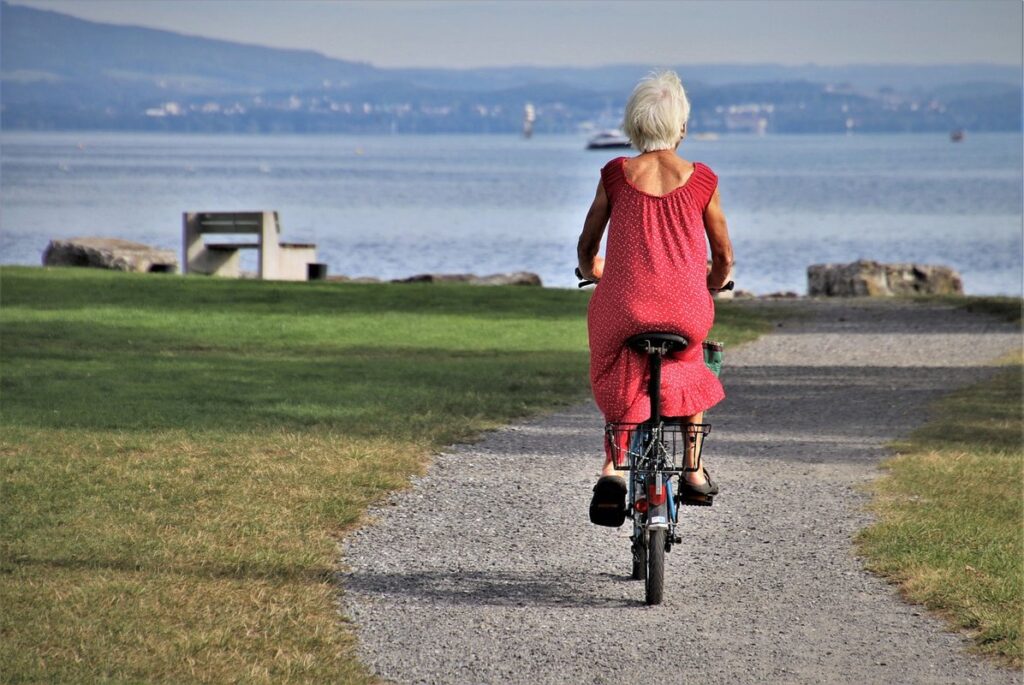
Benefits of Social Engagement for Seniors
When it comes to staying engaged and active, socializing is one of the most effective ways seniors can improve their mental and physical health. In this next part, we’ll explore just how beneficial social engagement can be for older adults.
Reducing Loneliness and Isolation
Loneliness and isolation can have serious consequences for seniors, affecting not only their mental health but also their physical well-being. According to AARP, approximately 43% of adults aged 45 and older feel lonely, and this number increases to 58% among those aged 80 and older.
Social interaction is essential in combating loneliness and isolation, and regular engagement has been shown to have numerous benefits for seniors’ mental and physical health. For instance, a study published by the Journal of Gerontology found that socially engaged seniors experienced improved cognitive function, reduced risk of depression, and even lower blood pressure.
To reduce loneliness and isolation among seniors, it’s essential to encourage social interaction in various forms. This can be as simple as setting up regular phone calls or video chats with friends and family, joining a local senior center or community group, or participating in volunteer work. Even short periods of social interaction, such as meeting a friend for coffee or taking a walk together, can have a positive impact on mental health.
By incorporating social activities into daily routines, seniors can mitigate the effects of loneliness and isolation, leading to improved overall well-being and quality of life.
Improving Mental Health and Cognitive Function
When seniors engage in social activities, they experience numerous benefits that extend beyond physical health. Social interactions play a significant role in improving mental health and cognitive function, which is often neglected as people age.
Regular social engagement has been shown to reduce stress levels in seniors by providing an outlet for emotions and allowing them to share their experiences with others. This can lead to improved mood, reduced symptoms of anxiety and depression, and enhanced overall mental well-being.
Social activities also stimulate the brain, keeping cognitive functions sharp and delaying the onset of age-related conditions such as dementia. Group interactions challenge the mind, promoting problem-solving skills, memory recall, and attention span. For example, puzzles, games, and group discussions all contribute to cognitive stimulation.
Practically, incorporating social activities into daily life can be as simple as joining a local club or organization that aligns with one’s interests. Volunteering is another excellent way to stay engaged while contributing to the community. Additionally, staying connected with family and friends through regular phone calls, video chats, or in-person visits is also crucial for maintaining mental health and cognitive function.
Types of Social Activities for Seniors
Whether you’re a senior looking for new ways to meet people or an adult child seeking engaging activities for your loved one, there are many types of social activities to explore.
Group Fitness Classes and Exercise Programs
Group fitness classes and exercise programs are an excellent way for seniors to stay physically active while socializing with others. These activities cater specifically to the needs of older adults, promoting flexibility, balance, and strength while minimizing the risk of injury.
Consider trying yoga or tai chi for improved flexibility and balance. Many community centers and senior organizations offer these classes designed specifically for seniors. For example, chair yoga is a gentle version that can be done from a seated position, making it accessible to those with mobility issues.
Walking groups are another excellent option, promoting cardiovascular health while providing an opportunity to socialize. Joining a walking group not only gets you moving but also helps you stay connected with friends and neighbors. Always consult with your healthcare provider before starting any new exercise program to ensure it’s safe for you.
Some programs even offer free or low-cost options, so don’t be afraid to explore what’s available in your community!
Hobbies-Based Social Groups
Hobbies-based social groups offer an excellent opportunity for seniors to engage with like-minded individuals who share their interests. These groups provide a platform for seniors to explore new hobbies, revive old ones, and connect with others who appreciate the same things. Consider book clubs, where members discuss literature, share perspectives, and develop a deeper understanding of various genres. Painting classes can be an excellent way to express creativity while socializing; many classes welcome beginners and offer gentle guidance.
Similarly, photography groups encourage seniors to capture life’s beauty through their lenses. These groups often organize outings, workshops, or critiques that foster camaraderie among members. Gardening clubs are also great for those who enjoy nurturing plants; not only do they cultivate green spaces but also build friendships over shared knowledge and experiences. To join such a group, start by researching local community centers, libraries, or senior organizations that offer hobby-based social activities. Many online platforms also list various groups and clubs catering to different interests.
Community Resources for Seniors
For many seniors, community resources can be a great way to meet new people and get involved in activities that bring joy and purpose. We’ve rounded up some of our favorite resources for you to explore.
Senior Centers and Retirement Communities
Many senior centers and retirement communities offer a wide range of social activities designed to promote physical and mental well-being. These community resources can provide seniors with opportunities to engage with others, build friendships, and maintain their independence.
Typically, these facilities offer transportation services to help residents attend appointments, go shopping, or participate in outings. Meal programs are also commonly provided, which not only offer a social aspect but also cater to the dietary needs of seniors. Recreational activities, such as exercise classes, game nights, and arts and crafts sessions, are usually offered regularly to encourage physical activity and mental stimulation.
Some retirement communities even provide specialized services like memory care programs for residents with Alzheimer’s or dementia. Additionally, many senior centers partner with local organizations to offer educational workshops, health seminars, and cultural events that cater to the interests of seniors. To find a suitable community resource, consider factors such as location, amenities, and reputation when researching options in your area.
When visiting a senior center or retirement community, ask about their social activity calendar and available services to get a sense of how they can support your loved one’s social and physical needs.
Volunteer Opportunities for Seniors
As seniors age, it’s essential to maintain social connections, stay engaged, and give back to the community. One way to achieve this is through volunteer opportunities specifically designed for seniors. Not only do these activities benefit the individual, but they also have a positive impact on the community at large.
Volunteering can significantly improve mental health in seniors by reducing feelings of loneliness and isolation. Studies show that older adults who participate in volunteer work experience reduced symptoms of depression and anxiety. Furthermore, volunteering provides a sense of purpose and fulfillment, which is essential for maintaining physical and emotional well-being.
Many organizations offer senior-focused volunteer opportunities, such as:
* Senior Corps programs, like RSVP (Retired Seniors Volunteer Program), which match seniors with local organizations in need
* Community garden projects, where seniors can help grow fresh produce for those in need
* Museum or art gallery docent programs, where seniors can share their expertise and knowledge with visitors
Before getting involved, research local volunteer opportunities and consider factors such as transportation, schedule flexibility, and accessibility. With a little exploration, seniors can find the perfect fit and start making a positive impact in their community while staying engaged and active.
Technology-Based Social Connections
With technology advancing at a rapid pace, seniors can now connect with others and stay engaged from the comfort of their own homes through various online platforms. This is especially great for those who struggle with mobility issues or have limited social networks locally.
Video Calling and Messaging Apps
As seniors navigate the complexities of modern life, it’s not uncommon for them to feel disconnected from loved ones who live far away. But thanks to technology-based tools, staying in touch has never been easier. Video calling and messaging apps have revolutionized the way we communicate, enabling seniors to stay connected with family and friends no matter where they are.
Regular virtual communication can have a profound impact on combating loneliness, which affects millions of seniors worldwide. A study by AARP found that 43% of adults aged 50+ reported feeling lonely or isolated at least sometimes, while 29% reported feeling this way often. Video calling apps like Zoom, Skype, and Google Meet make it simple to schedule regular video calls with family members or friends.
To get started, consider the following tips: download a user-friendly video calling app on your smartphone or tablet, invest in a good webcam for clear video quality, and practice using the app before scheduling a call. Many apps also offer built-in features that allow you to share photos, videos, and messages with loved ones, making it easy to stay up-to-date on each other’s lives.
Online Communities for Seniors
For seniors who live in rural areas or have mobility issues, online communities can be a lifeline for social connection and engagement. Platforms like Facebook Groups, Reddit forums, and online discussion boards dedicated to senior interests are becoming increasingly popular.
Some notable examples of online communities for seniors include AARP’s online community, where members can connect with others who share similar experiences and concerns. These platforms offer a safe space for seniors to share their thoughts, ask questions, and learn from one another.
To get started, seniors can search for online groups that align with their interests, such as travel, hobbies, or health and wellness. Many online communities also have video conferencing capabilities, allowing members to connect face-to-face and build relationships. Seniors can take the first step by joining a few groups and participating in discussions to start building connections. By doing so, they can stay engaged, active, and connected with others who share similar experiences and interests.
Safety Considerations for Social Activities
When participating in social activities, it’s essential to consider your safety and well-being, especially when engaging in new or unfamiliar situations. This section will explore key factors to prioritize your comfort and security.
Preparing for Outdoor Events
When venturing outdoors for social activities, it’s essential to prepare accordingly. For walking trips or picnics, dress comfortably and practically. Wear layers for changing weather conditions, as the sun can quickly become intense or a sudden rainstorm may roll in. Consider bringing a lightweight umbrella or rain jacket. Don’t forget sturdy shoes with good grip, suitable for potential uneven terrain.
Staying hydrated is vital when engaging in outdoor activities. Bring refillable water bottles to ensure you have enough fluids throughout the event. Limit sugary drinks and caffeine, which can exacerbate dehydration. Eat hydrating foods like fruits, salads, or sandwiches with vegetables.
When planning outdoor events, acknowledge potential health risks. Be mindful of extreme temperatures, as heat exhaustion or heatstroke are common concerns for seniors. Take regular breaks in shaded areas to avoid overheating. If you have a medical condition or concern, inform your group leader or bring a companion who can provide assistance if needed.
Transportation Options for Seniors
As you look to stay engaged and active through social activities, it’s essential to consider transportation options that are accessible and convenient for seniors. For many, public transport is a viable option, with buses and trains often having designated seats for seniors or individuals with disabilities. However, this may not always be feasible, especially if the activity is far from home.
That’s where ride-sharing services come in. Many companies, like Uber and Lyft, offer discounted fares for seniors, making it more affordable to attend social events. Some even offer specialized vehicles that can accommodate wheelchairs or walkers. To use these services, simply create an account, choose your preferred mode of transportation, and follow the prompts to book a ride.
Senior-focused transportation programs are also available in many areas. These may include door-to-door shuttle services or shared transportation options specifically designed for seniors. Research local senior centers or community organizations to see what options are available in your area.
Conclusion
In conclusion, staying engaged and active is crucial for seniors to maintain their physical and mental health. By incorporating social activities into your daily routine, you can combat loneliness, improve cognitive function, and boost overall well-being. Remember, it’s never too late to start exploring new hobbies or interests that bring you joy. Whether it’s joining a book club, taking art classes, or volunteering in the community, make an effort to connect with others and stay engaged.
Don’t be afraid to step out of your comfort zone and try something new – you might discover a hidden talent or passion! And don’t worry if you can’t participate in activities that require physical exertion; there are plenty of low-key options available too. By prioritizing social connections, you’ll not only enhance your quality of life but also set a positive example for those around you.
Frequently Asked Questions
How can I balance social activities with my health limitations?
While it’s essential to stay active, don’t push yourself too hard. Start with low-key activities like group walks or yoga classes designed for seniors. Consult with your healthcare provider before engaging in any new exercise routine.
Can online communities be a suitable replacement for in-person interactions?
Online communities can certainly complement in-person socializing, but they shouldn’t replace it entirely. Video calls and messaging apps are great ways to stay connected with loved ones who live far away or have mobility issues.
What if I’m worried about transportation options for social activities?
Many senior centers and retirement communities offer transportation services for residents. You can also explore volunteer opportunities that match you with a driver or carpool buddy, making it easier to get around without worrying about driving yourself.
How can I stay connected with loved ones who live far away?
Video calling and messaging apps are perfect for staying in touch with family and friends who don’t live nearby. Use these tools to schedule regular video calls, share photos, and keep each other updated on life’s events.
Are social activities safe during the pandemic?
While it’s natural to be concerned about safety, many senior centers and retirement communities have implemented COVID-19 protocols to ensure a safe environment for residents. Look into their specific policies before participating in any in-person activities.