
As we age, our digestive health can decline, making mealtime a challenge. Many elderly individuals struggle with chewing and swallowing solid foods, leading to frustration and a loss of independence. A soft food diet can be a game-changer for these individuals, providing a gentle and nourishing solution to their digestive woes. But what exactly is a soft food diet, and how can it benefit our senior loved ones? In this comprehensive guide, we’ll delve into the benefits of soft food diets, including improved digestive health and reduced mealtime struggles. We’ll also cover preparation tips and common challenges, so you can support your elderly family members or clients with confidence.
Understanding the Need for Soft Food Diets in the Elderly
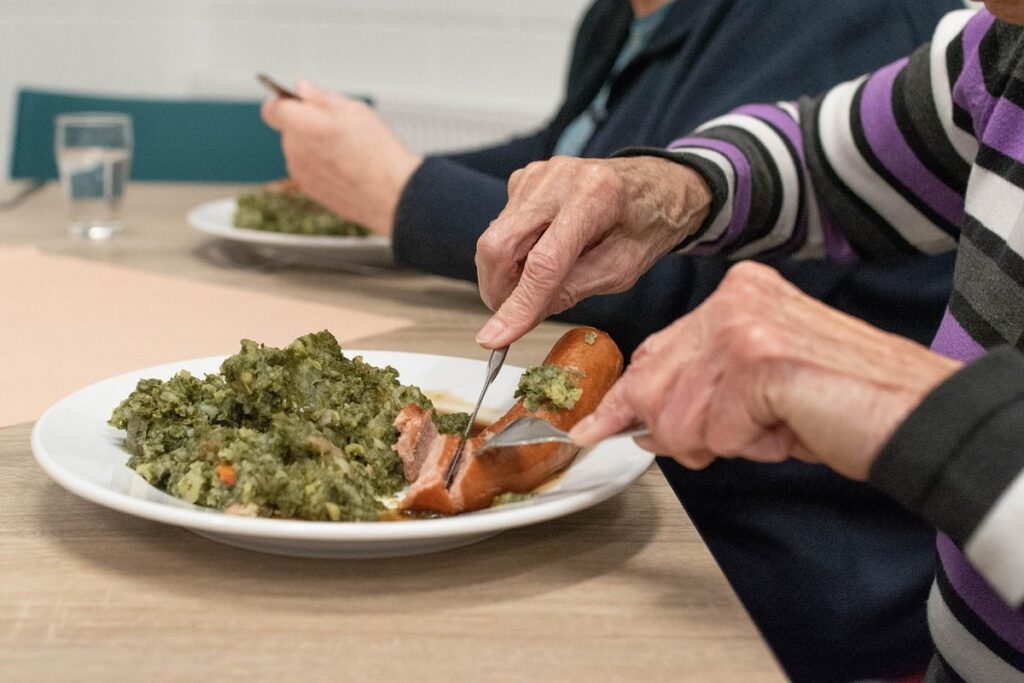
As we explore the benefits of soft food diets for the elderly, it’s essential to understand why they’re necessary for maintaining good health and preventing complications in older adults. Let’s dive into the reasons behind this dietary requirement.
Benefits of Soft Food Diets for Elderly Digestive Health
When it comes to elderly digestive health, a soft food diet can have a significant impact on overall well-being. One of the primary benefits of soft food diets is the reduced risk of constipation. As we age, our digestive systems become less efficient, making it harder for food to pass through the digestive tract. A soft food diet can help alleviate this issue by allowing the body to process food more easily. This is particularly important for elderly individuals who may be taking medications that can exacerbate constipation.
Another advantage of soft food diets is the decreased risk of aspiration. Aspiration occurs when food or liquid is inhaled into the lungs, which can lead to serious health complications. A soft food diet reduces the risk of aspiration by making it easier to swallow and reducing the likelihood of food getting stuck in the throat. This is especially crucial for elderly individuals who may have difficulty swallowing or have a history of aspiration.
In addition to these benefits, a soft food diet can also make digestion easier. Elderly individuals often experience digestive issues due to decreased stomach acid production, slower digestion, and other age-related changes. A soft food diet can help alleviate these issues by providing the body with easily digestible nutrients. This can lead to improved overall health, reduced risk of malnutrition, and a better quality of life.
Identifying Individuals Who Require Soft Food Diets
When it comes to determining who requires a soft food diet, it’s essential to consider individuals with dental issues, swallowing difficulties, and certain medical conditions. For instance, seniors with dentures or ill-fitting teeth may experience significant discomfort while eating solid foods. In such cases, a soft food diet can provide much-needed relief, allowing them to enjoy meals without pain.
Others who may benefit from soft foods include those experiencing swallowing difficulties, such as dysphagia, a common condition in elderly individuals. Soft foods are easier to swallow, reducing the risk of choking and aspiration. Certain medical conditions like esophageal cancer, head or neck cancer, and oral surgery may also necessitate a soft food diet to ensure safe eating.
It’s also crucial to consider seniors with conditions like gastroesophageal reflux disease (GERD), celiac disease, or Crohn’s disease, as they may require a soft food diet to manage their symptoms and prevent complications. Identifying these individuals and recommending a soft food diet can significantly improve their quality of life and overall health.
Preparing for a Soft Food Diet
Preparing for a soft food diet is crucial to ensure a smooth transition and optimal nutrition. It’s essential to consult with a healthcare professional before starting a soft food diet, as they can help determine the best course of action for your specific needs. They can also provide guidance on the type and consistency of foods that are suitable for your condition.
When preparing for a soft food diet, it’s also vital to understand its limitations. A soft food diet is not a long-term solution, but rather a temporary measure to aid in recovery or manage certain health conditions. It’s essential to plan meals carefully to ensure you’re getting the necessary nutrients. This can be done by incorporating a variety of soft foods, including cooked fruits, vegetables, lean proteins, and whole grains. Consider keeping a food diary to track your intake and identify potential deficiencies.
Plan to have a support system in place, such as a caregiver or family member, to help with meal preparation and eating. This can make the transition to a soft food diet less overwhelming and ensure you’re getting the nutrients you need.
Common Foods and Ingredients in a Soft Food Diet
When following a soft food diet, it’s essential to know which foods and ingredients are suitable, and we’ll explore the common ones that are easy to digest and safe to consume. These include pureed fruits, proteins, and dairy products.
Soft Fruits and Vegetables
When it comes to soft fruits and vegetables, there are many options that can provide essential nutrients and flavors to a soft food diet. Mashed bananas are a classic choice, easy to prepare and rich in potassium and vitamins C and B6. Avocados are another excellent option, providing healthy fats and a creamy texture that’s easy to digest. They can be mashed or blended into a smooth consistency, making them a versatile addition to meals.
Cooked carrots are also a great option, softening with cooking and becoming easily blendable into a puree. They’re a good source of vitamin A and fiber, making them a nutritious choice for the elderly. Other soft fruits and vegetables that can be included in a soft food diet are cooked sweet potatoes, green beans, and zucchini. To incorporate these into meals, try pureeing them with a little water or broth to create a smooth consistency. This can be a great way to add variety and interest to the diet while maintaining ease of consumption. Experiment with different combinations to find what works best.
Soft Proteins and Dairy
When it comes to soft protein sources, it’s essential to focus on foods that are easy to chew, swallow, and digest. Scrambled eggs are an excellent option, as they’re soft, moist, and can be cooked to a variety of textures. You can also try soft-boiled eggs, which have a runny yolk that’s easy to consume.
Dairy products are another crucial component of a soft food diet. Yogurt is a great source of protein, calcium, and probiotics, and it comes in a variety of textures, from thick and creamy to thin and runny. Choose a plain, unflavored yogurt to avoid added sugars and artificial flavorings.
Soft cheese is another option, but be sure to choose a mild, creamy variety that’s easy to spread or melt. Mozzarella, cottage cheese, and ricotta are all good choices. When preparing dairy products, aim for a soft, spreadable texture by warming them up or blending them into a sauce. This will make them easier to eat and reduce the risk of choking.
Soft Grains and Starches
When it comes to incorporating soft grains and starches into your diet, there are several options to choose from. Cooked oatmeal is a great example of a soft grain that’s easy to prepare and can be flavored with fruits, nuts, or spices. Simply cook the oats with milk or water and let it cool to a comfortable temperature. Mashed potatoes are another soft starch option that can be made by boiling diced potatoes until they’re tender, then mashing with a fork or potato masher.
Soft bread is also a great option, but it’s essential to choose a bread that’s specifically labeled as “soft” or “easy to chew.” Look for breads that are made with a lower gluten content, as these will be softer and easier to manage. You can also try toasting bread to make it softer, but be careful not to make it too crispy. Remember to cut the bread into small pieces or slices to make it easier to manage. By incorporating these soft grain and starch options into your diet, you can add variety and texture to your meals while still meeting your dietary needs.
Meal Planning and Preparation for a Soft Food Diet
When it comes to managing a soft food diet, meal planning and preparation are crucial to ensure you’re getting the nutrients you need. Let’s explore how to create a meal plan that’s tailored to your requirements.
Planning Meals for the Elderly
When planning meals for the elderly on a soft food diet, it’s essential to consider their dietary restrictions and preferences. Start by identifying any food allergies or intolerances, such as dairy, gluten, or soy. You may also need to accommodate other health conditions, like diabetes or high blood pressure.
To tailor meals to their taste, consider their favorite foods or cuisines. For example, if they love Italian food, you can modify traditional recipes to use soft ingredients like cooked pasta, mashed vegetables, and lean meats. Make a list of their preferred foods and incorporate them into the meal plan.
When choosing soft foods, opt for low-acidity fruits and vegetables, like bananas, avocados, and cooked carrots. Also, select lean protein sources, such as chicken, fish, or eggs. Don’t forget to involve the elderly person in the meal planning process, as their input will help ensure the meal plan is both safe and enjoyable for them.
Preparing Soft Foods for the Elderly
When preparing soft foods for the elderly, it’s essential to consider their nutritional needs and dietary restrictions. Cooking methods play a crucial role in ensuring the food is tender and easy to chew. Steam cooking is an excellent option as it helps retain the food’s nutrients while making it soft and moist. Boiling and poaching are also suitable methods, but be cautious not to overcook the food, as it can become mushy and unappetizing.
Presentation is another vital aspect to consider. Serving soft foods in small portions and using utensils with grips can make mealtime easier and more manageable. Additionally, consider the elderly person’s favorite dishes and flavors to make mealtime more enjoyable. Food safety guidelines must also be followed to prevent contamination and foodborne illnesses. Always wash your hands thoroughly before handling food, and ensure that all utensils and cooking surfaces are clean and sanitized. When serving soft foods, store them in shallow containers and refrigerate promptly to prevent bacterial growth.
Tips for Encouraging Elderly to Follow a Soft Food Diet
Encouraging elderly individuals to follow a soft food diet can be challenging, but with the right approach, it can be made more manageable and even enjoyable. One key strategy is to involve them in the meal planning and preparation process. This can be achieved by asking for their input on what types of soft foods they would like to eat, and then working together to create a personalized meal plan. For instance, a senior who loves fruit can have a variety of soft fruits such as bananas, avocados, and mangoes incorporated into their diet. Another approach is to make meal preparation a social activity, where family members or caregivers can cook together with the elderly individual, making the experience more engaging and interactive.
To further encourage adherence to the soft food diet, consider the following tips:
• Start with small, achievable goals, such as replacing one or two meals with soft foods each day
• Make soft foods more visually appealing by using colorful plates and garnishes
• Offer a variety of soft food options to cater to different tastes and textures
• Involve the elderly individual in food shopping, allowing them to choose the ingredients for their meals
Common Challenges and Solutions for Soft Food Diets in the Elderly
Eating soft foods can be a challenge, especially when it comes to finding healthy and appealing options for elderly loved ones with limited mobility or dental issues. This section addresses some of the common obstacles and provides practical solutions.
Managing Challenging Behaviors
Managing challenging behaviors in elderly individuals who are on a soft food diet can be a common issue for caregivers and healthcare professionals. It’s not uncommon for seniors to feel frustrated, anxious, or resistant to eating soft foods, especially if they are used to consuming their usual diet. One of the main reasons for this behavior is the perceived loss of independence and autonomy that comes with having to eat soft foods.
Caregivers and healthcare professionals can help mitigate these behaviors by involving the elderly individual in the meal planning and preparation process. This can include asking them to help select the ingredients or preparing their favorite soft food dishes. Another strategy is to incorporate familiar flavors and textures into the soft food diet, such as adding herbs and spices to make meals more palatable.
In some cases, it may be necessary to consult with a healthcare professional or a registered dietitian for guidance on managing challenging behaviors. They can provide personalized advice and support to help the elderly individual adjust to their soft food diet and address any underlying issues that may be contributing to their behavior. By working together with the individual and their caregivers, it’s possible to find solutions that promote a positive and enjoyable eating experience.
Overcoming Nutritional Deficiencies
Identifying nutritional deficiencies is crucial when following a soft food diet, as it can be challenging to obtain all the necessary nutrients from soft, easily digestible foods. As you navigate this diet, pay attention to any signs of deficiency, such as fatigue, weakness, or changes in skin health. Consult with a healthcare professional or registered dietitian to discuss your specific needs and ensure you’re meeting them.
To address deficiencies, consider adjusting your diet to include nutrient-dense soft foods, such as pureed fruits, vegetables, and lean proteins. For example, you can add canned fish or pureed beans to your meals for a boost of protein and omega-3 fatty acids. Additionally, consider taking supplements, such as vitamin B12 or calcium, under the guidance of a healthcare professional.
Regularly review your diet with your healthcare team to make adjustments as needed. Keep a food diary to track your intake and identify areas for improvement. By being proactive and working with a healthcare professional, you can minimize the risk of nutritional deficiencies and maintain optimal health while following a soft food diet.
Maintaining Independence and Autonomy
As you navigate a soft food diet, it’s essential to strike a balance between your nutritional needs and your desire for independence and autonomy in eating. Many elderly individuals may feel frustrated or helpless when their dietary needs dictate a restrictive eating plan. However, with the right approach, you can maintain a sense of control and agency over your food choices.
One key strategy is to involve your loved ones or caregivers in your meal planning and preparation. This can help ensure that you’re receiving the nutrients you need while also allowing you to make choices about what you eat. For example, you might work with a caregiver to prepare a batch of soft-cooked vegetables or lean proteins that can be reheated and served at your convenience.
Another approach is to explore soft food alternatives that still allow for a sense of independence. For instance, you might try using a food blender or pureed food containers to prepare your own meals, rather than relying on pre-made soft foods. By taking small steps to reclaim control over your eating, you can maintain your dignity and autonomy, even on a soft food diet.
Tips for Healthcare Professionals and Caregivers
As a healthcare professional or caregiver, you play a crucial role in ensuring the elderly can follow a soft food diet safely and effectively, which is why we’ve put together these practical tips for you.
Assessing the Elderly’s Nutritional Needs
When assessing the elderly’s nutritional needs, it’s essential to consider their unique health requirements. Start by evaluating their medical history, dietary habits, and any existing health conditions. This will help you identify potential nutritional deficiencies or allergies that may impact their ability to consume certain foods.
Consider factors like weight loss, fatigue, and difficulty swallowing, which can indicate inadequate nutrition. Also, take into account their lifestyle, including their ability to cook and prepare meals, and their access to nutritious food.
To determine the suitability of a soft food diet, observe the elderly’s eating habits and note their preferences and dislikes. You can also conduct a thorough physical examination to assess their oral health, dental status, and ability to chew and swallow.
Use the Mini Nutritional Assessment (MNA) tool, which is a widely accepted method for assessing nutritional status in the elderly. This tool evaluates various aspects of their diet, such as their ability to consume a balanced meal, their intake of fruits and vegetables, and their level of physical activity.
Educating the Elderly and Their Families
When educating the elderly and their families about a soft food diet, it’s essential to emphasize the benefits of this approach. A soft food diet can help alleviate dental and gastrointestinal issues, making mealtime more comfortable and enjoyable. It can also reduce the risk of aspiration, a common concern for elderly individuals with swallowing difficulties.
However, it’s also crucial to discuss the challenges associated with a soft food diet. For instance, the elderly may require additional support with meal planning and preparation, and their families may need guidance on how to introduce new foods and textures. To overcome these challenges, healthcare professionals can provide families with resources and tools, such as online meal planning platforms or consulting with a registered dietitian.
When educating the elderly and their families, consider the following tips: start with small, achievable goals, involve them in the meal planning process, and encourage them to try new foods gradually. By empowering the elderly and their families with knowledge and support, you can help ensure a successful transition to a soft food diet and improve their overall health and well-being.
Providing Support and Encouragement
As a healthcare professional or caregiver, providing ongoing support and encouragement is crucial when helping elderly individuals adjust to a soft food diet. This can be a challenging and frustrating experience for them, and your encouragement can make a significant difference in their mental and emotional well-being.
To begin with, it’s essential to acknowledge their feelings and concerns. Listen attentively to their experiences, whether it’s about difficulty in swallowing, frustration with the texture of food, or worry about losing their favorite foods. Validate their emotions and offer reassurance that this diet is a temporary measure to help them recover or manage their condition.
You can also encourage them to explore new foods and flavors, perhaps by trying soft versions of their favorite dishes. For instance, mashed bananas or avocados can be a great alternative to fresh fruits. Additionally, involve them in meal planning and preparation to make them feel more in control of their diet. This can also be a great opportunity to bond and create positive experiences together.
Conclusion
Now that we’ve covered the ins and outs of a soft food diet for the elderly, it’s time to summarize the key takeaways and what you can expect from this type of diet.
Recap of Key Points
As we conclude our comprehensive guide to soft food diets for the elderly, let’s take a moment to recap the key points that will help you care for your loved ones with ease. We’ve discussed the importance of soft foods in managing dental issues, swallowing difficulties, and nutrient deficiencies that are common among the elderly.
A soft food diet can be tailored to meet individual needs, and we explored the various types of soft foods that can be incorporated into a meal plan, including pureed fruits, mashed vegetables, and soft meats. We also highlighted the need for adequate hydration and the role of nutrition in maintaining overall health and well-being.
In addition, we emphasized the importance of consulting with a healthcare professional or registered dietitian to create a personalized meal plan that suits the individual’s nutritional needs and dietary restrictions. By following these guidelines and adapting to the needs of your loved ones, you can ensure they receive the necessary nutrients for optimal health.
Final Thoughts and Recommendations
As we conclude our comprehensive guide to soft food diets for the elderly, it’s essential to reflect on the importance of implementing a soft food diet in the daily lives of seniors. For elderly individuals, caregivers, and healthcare professionals, it’s crucial to understand the long-term benefits of a soft food diet and how to navigate any challenges that may arise.
In implementing a soft food diet, elderly individuals can expect to experience improved digestion, reduced risk of malnutrition, and enhanced overall quality of life. Caregivers and healthcare professionals play a vital role in supporting seniors through this transition, and it’s essential to prioritize open communication and empathy when introducing new dietary changes.
If you’re an elderly individual considering a soft food diet, remember to consult with your healthcare provider before making any significant changes to your eating habits. For caregivers and healthcare professionals, we recommend the following:
* Encourage seniors to eat slowly and mindfully, savoring each bite and paying attention to hunger and fullness cues.
* Offer a variety of soft, nutritious foods that cater to individual tastes and dietary needs.
* Be patient and understanding when seniors experience challenges or setbacks, and remember that it’s okay to take things one step at a time.
Frequently Asked Questions
Can anyone follow a soft food diet, or are there specific age or health requirements?
A soft food diet can be beneficial for individuals of any age with digestive health issues or those experiencing difficulty chewing or swallowing solid foods. However, it’s essential to consult with a healthcare professional before implementing a soft food diet, especially for elderly individuals with specific health conditions or nutritional needs.
How can I determine if my elderly family member is getting enough nutrients on a soft food diet?
Yes, regular monitoring of your family member’s nutritional intake is crucial on a soft food diet. Keep track of their food intake, including portion sizes and meal frequencies. You can also consult with a registered dietitian or healthcare professional to ensure they’re meeting their daily nutritional requirements.
What are some common challenges when introducing a soft food diet to the elderly, and how can I overcome them?
One common challenge is ensuring the elderly individual is getting enough protein on a soft food diet. To overcome this, incorporate high-protein foods like soft-cooked eggs, pureed meats, or soft cheeses into their meals. Additionally, consider consulting with a registered dietitian or nutritionist for personalized guidance.
How can I ensure that my elderly family member maintains independence while following a soft food diet?
To maintain independence, involve your family member in the meal planning and preparation process as much as possible. This can include helping them choose soft foods, preparing meals together, or encouraging them to feed themselves with assistance. Also, consider implementing adaptive utensils or assistive devices to aid in eating and drinking.
What are some essential tips for caregivers and healthcare professionals to support individuals on a soft food diet?
As a caregiver or healthcare professional, it’s essential to provide emotional support and encouragement to individuals on a soft food diet. This can include educating them about the benefits of soft food diets, offering reassurance, and helping them develop coping strategies for challenging behaviors. Additionally, work collaboratively with a registered dietitian or nutritionist to ensure they’re receiving proper nutritional guidance.