
Many people believe that once they retire, their daily activity levels will decrease significantly. However, research shows that regular physical activity can lower chronic disease risk, improve mental health, and even enhance cognitive function in this stage of life. This may seem counterintuitive, but it’s essential to prioritize exercise in retirement for maintaining overall well-being.
As you transition into retirement, creating a sustainable exercise routine can be challenging due to various factors such as reduced mobility, lack of motivation, or conflicting schedules. But with the right strategies and mindset, staying active becomes not only manageable but also enjoyable. In this article, by the end of it, you’ll learn tips and strategies for creating a personalized exercise routine that fits your lifestyle and helps you overcome potential barriers to physical activity in retirement, ultimately leading to a healthier and more fulfilling post-work life.
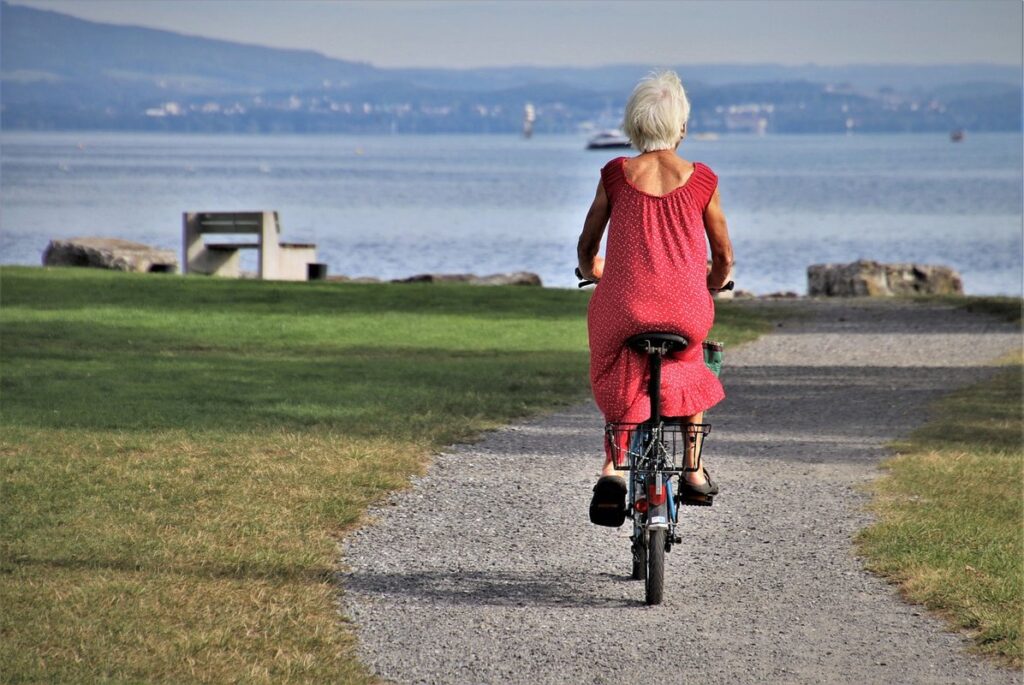
Benefits of Physical Activity in Retirement
Regular physical activity can have a significant impact on your overall health and well-being as you age, with numerous benefits to your physical and mental health. Let’s explore some of these advantages in more detail.
Reducing Chronic Disease Risk
Regular physical activity has been shown to significantly lower the risk of chronic diseases, which are a leading cause of illness and death among older adults. By engaging in regular exercise, you can reduce your chances of developing heart disease by up to 30%. This is because physical activity helps to improve blood flow, lower blood pressure, and boost cardiovascular health.
In addition to heart disease, regular exercise has also been found to decrease the risk of type 2 diabetes by 50% or more. This is likely due to improved insulin sensitivity and glucose metabolism. Furthermore, studies have shown that physical activity can reduce the risk of certain types of cancer, including colon, breast, and uterine cancers.
To reap these benefits, aim for at least 150 minutes of moderate-intensity aerobic exercise per week. You can break this down into shorter sessions, such as brisk walking, cycling, or swimming. It’s also essential to incorporate strength training exercises at least twice a week to maintain muscle mass and bone density. By prioritizing physical activity in your retirement routine, you can take proactive steps towards reducing your chronic disease risk and maintaining overall health and well-being.
Improving Mental Health and Cognitive Function
Regular exercise has a profound impact on mental health and cognitive function. Studies have shown that physical activity can reduce stress and anxiety by releasing endorphins, also known as “feel-good” hormones. This natural mood booster can help alleviate symptoms of depression and improve overall mental well-being.
Exercise also improves sleep quality, which is essential for cognitive function. During sleep, the brain processes and consolidates memories, and a lack of sleep can impair this process. Regular physical activity can help regulate sleep patterns, leading to better memory consolidation and improved cognitive function.
In addition to reducing stress and improving sleep, exercise has been shown to enhance cognitive function in several ways. Physical activity increases blood flow to the brain, promoting healthy brain cell growth and connectivity. It also boosts neurotrophic factors, which support the growth and maintenance of neurons. As a result, regular exercise can improve attention, memory, and processing speed.
To incorporate mental health benefits into your fitness routine, consider activities that bring you joy, such as dancing or gardening. Aim for at least 30 minutes of moderate-intensity exercise per day to reap the cognitive benefits.
Creating a Fitness Routine in Retirement
As you transition into retirement, it’s essential to create a fitness routine that suits your new lifestyle and priorities. We’ll explore how to design a personalized exercise plan for this exciting new chapter.
Assessing Your Current Fitness Level
Start by taking stock of your current energy levels. How do you feel after a typical day? Are you tired easily or can you tackle most tasks without fatigue? Be honest with yourself – it’s not about being 100% energetic, but rather acknowledging how much exertion you’re capable of handling.
Next, assess your mobility. Can you move around your home comfortably, or do you need assistance getting from one room to another? Consider activities that require standing up, walking short distances, and changing positions frequently. If you struggle with these tasks, it may be a sign that you need to prioritize exercises that improve balance and flexibility.
Flexibility is also crucial for retirees. Can you touch your toes, bend down to pick something up from the floor, or move your arms overhead without straining? If not, gentle stretching exercises can help increase range of motion and reduce stiffness. Consider trying simple stretches like shoulder rolls, wrist extensions, and hip flexor stretches.
Pay attention to any physical limitations that may impact your exercise routine. For example, do you have difficulty walking long distances or climbing stairs? Identifying these challenges will help you choose activities that work within your capabilities.
Setting Realistic Goals and Scheduling Exercise
When creating a fitness routine in retirement, it’s essential to set realistic goals and schedule regular physical activity into your daily life. Start by assessing your current fitness level – are you able to walk for 30 minutes without getting tired? Can you do a few push-ups or squats? Knowing where you’re at will help you determine what’s achievable.
Set specific, measurable goals that align with your abilities and interests. Instead of aiming to run marathons, set a goal like “I’ll walk for 30 minutes, three times a week, and gradually increase the duration.” Make sure these goals are challenging yet realistic – if you’re new to exercise, don’t expect to lift heavy weights right away.
Create a schedule that suits your lifestyle. For example, if you’re not a morning person, don’t try to wake up at 5 am for a workout. Instead, schedule exercise during your most energetic times of the day. Prioritize consistency over intensity – aim to exercise at least three times a week, and gradually increase frequency or duration as you become more comfortable.
Consider creating a routine that includes both aerobic and strength training exercises. This will help maintain overall health and prevent chronic diseases associated with inactivity.
Staying Active at Home
With a little creativity and some simple equipment, you can stay active and healthy right from your own home. Here are some low-impact exercises to try.
Bodyweight Exercises and Household Chores
You can stay active at home with bodyweight exercises that require minimal equipment and space. Squats, lunges, push-ups, and planks are all effective for building strength and flexibility. These exercises target major muscle groups and can be modified to suit different fitness levels.
Household chores can also contribute to your exercise routine. For example, carrying groceries or laundry up and down stairs can provide a cardiovascular workout. Gardening, raking leaves, or mowing the lawn are other physical activities that can help you stay active while maintaining your home.
To incorporate household chores into your exercise routine, consider the following tips:
- Start small: Begin with short periods of activity, such as 10-15 minutes of vacuuming or 20 minutes of yard work.
- Mix it up: Alternate between high-intensity and low-intensity activities to keep your workout interesting and prevent plateaus.
- Make it a habit: Incorporate household chores into your daily routine, just like brushing your teeth or taking a shower.
By combining bodyweight exercises with household chores, you can create a well-rounded exercise routine that promotes physical activity and healthy aging.
Chair Yoga and Other Low-Impact Activities
For many retirees, mobility issues or joint pain can make traditional exercise programs challenging. Chair yoga and other low-impact activities offer a gentle alternative to high-intensity workouts. These exercises are often modified to accommodate physical limitations, allowing individuals to maintain flexibility, balance, and strength without putting excessive strain on their bodies.
Chair yoga, in particular, is an excellent option for those who need to sit or have difficulty standing for long periods. It involves performing various yoga poses while seated in a chair, using the chair as support when needed. Many community centers and senior living facilities offer chair yoga classes specifically designed for older adults.
Other low-impact activities suitable for retirees include tai chi, walking, and swimming. Tai chi is a slow-moving exercise that combines elements of martial arts with deep breathing and meditation techniques. It can help improve balance, reduce stress, and enhance overall well-being. Walking, whether indoors or outdoors, is another accessible option that can be adapted to individual fitness levels. Swimming, while requiring access to a pool, is a low-impact activity that’s easy on the joints and promotes cardiovascular health.
Staying Active in the Community
Staying active in your community is a great way to meet new people, learn new skills, and stay engaged. We’ll explore some exciting ways to get involved locally.
Local Fitness Classes and Support Groups
Many retirement communities and local recreation centers offer fitness classes specifically designed for seniors. These classes cater to varying fitness levels, from gentle stretching exercises to more vigorous aerobics sessions. For example, you might find tai chi classes that focus on balance and flexibility or Zumba Gold classes that are modified to suit older adults’ energy levels.
In addition to group exercise classes, many communities have support groups for seniors who want to stay active but may be struggling with certain health conditions. These groups provide a safe space for sharing experiences and receiving guidance from peers who face similar challenges. For instance, you might join a walking club specifically designed for individuals with diabetes or arthritis.
To find local fitness classes and support groups in your area, start by contacting your local recreation center or community center. Many also offer online directories that list available programs and services. Some popular options include SilverSneakers, which offers fitness classes and workshops at participating gyms and community centers, and AARP’s Fitness Program, which provides discounted gym memberships and access to online fitness resources.
Volunteering as a Way to Stay Physically Active
Volunteering as a way to stay physically active is a win-win. Not only do you get to give back to your community, but you’ll also be keeping your body moving and your mind engaged. Many organizations, such as parks departments, animal shelters, and food banks, rely on volunteers to help with daily tasks.
Volunteering can be as physically demanding or low-key as you like, depending on the activity and organization. For example, gardening projects may involve lifting heavy bags of mulch or digging in the dirt, while serving at a soup kitchen might require standing for long periods. However, most volunteer opportunities offer a range of activities to suit different fitness levels.
Some benefits of volunteering as a way to stay active include flexibility in scheduling, social interaction with like-minded individuals, and the satisfaction of knowing you’re making a difference. When looking for volunteer opportunities, consider your interests and abilities when selecting a cause or organization. Many organizations also offer training or orientation sessions before starting your volunteer work, which can be an excellent opportunity to meet others who share your passion.
Start by contacting local organizations in your area to see what opportunities are available.
Overcoming Barriers to Exercise in Retirement
As you navigate the challenges of retirement, it’s common to face obstacles that make exercise feel daunting. Let’s tackle these barriers head-on and find solutions to keep you moving.
Financial Constraints and Access to Resources
Finding affordable ways to exercise can be a significant challenge for retirees on a tight budget. Many community centers and YMCAs offer discounted membership rates for seniors, often with minimal equipment requirements. Some gyms even provide free trial periods or introductory classes that can give you a taste of their facilities.
Free outdoor spaces can also be an excellent resource. Local parks often have walking trails, tennis courts, and other amenities that are open to the public. Many cities have invested in bike-share programs or offer free fitness classes during peak exercise hours. Look for online directories or community newsletters to discover these opportunities near you.
Some cities also provide access to outdoor pools, skating rinks, or sports facilities at little to no cost. Consider partnering with a friend or neighbor who has a gym membership or access to a private pool to split the costs and make it more manageable. If budget is still an issue, consider bodyweight exercises or home-based workouts that require minimal equipment – they can be just as effective for maintaining physical fitness in retirement.
Overcoming Fear of Injuries or Embarrassment
Fear of injury or embarrassment can be a significant barrier to starting a new exercise routine in retirement. Many people worry about falling or getting hurt while exercising, especially if they have pre-existing health conditions or mobility issues. Others may feel self-conscious about their body shape, size, or abilities in front of others.
To overcome these fears, it’s essential to focus on exercises that are low-impact and gentle on the joints. Activities like chair yoga, tai chi, or walking can be done at a pace that suits your needs and comfort level. These exercises often take place in a group setting, but you can also find videos and tutorials online to follow along with.
Another strategy is to start small and gradually increase intensity and duration as you become more comfortable. Begin with short sessions, 10-15 minutes a day, and gradually build up to longer periods. You might also consider exercising at home or in a quiet space where you feel less self-conscious. Additionally, talk to your healthcare provider about any concerns you have and get recommendations for exercises that are safe and suitable for your age and health status.
Long-Term Strategies for Maintaining Physical Activity
To maintain a healthy and active lifestyle in retirement, it’s essential to establish long-term plans that fit your changing needs and abilities. This means finding activities you enjoy and can stick to over time.
Incorporating Daily Habits into Your Lifestyle
Incorporating daily habits into your lifestyle is key to making physical activity a sustainable long-term habit. One simple yet effective way to do this is by starting small with activities like walking or stretching. Begin by committing to short, manageable sessions each day – 10-15 minutes of walking after breakfast or lunch, for example.
You can also incorporate incidental exercise into your daily routine, such as taking the stairs instead of the elevator or doing a few jumping jacks during commercial breaks while watching TV. Another approach is to schedule specific times for physical activity, treating them like non-negotiable appointments.
Incorporating movement into daily habits also means making it convenient and accessible. Consider setting up a home workout space with minimal equipment, such as resistance bands or a yoga mat. Alternatively, find activities that can be done outdoors, like gardening or walking the dog.
Monitoring Progress and Celebrating Milestones
Monitoring progress and celebrating milestones are crucial components of a successful exercise routine in retirement. Regular tracking helps you stay motivated and engaged, while acknowledging accomplishments keeps you committed to ongoing physical activity.
To monitor progress, consider using a fitness tracker or mobile app that allows you to log workouts, track steps taken, and monitor sleep patterns. Many devices also offer personalized recommendations for improvement based on your data. Alternatively, keep a workout journal where you can record exercises completed, distances walked, or other activities done during the week.
Celebrate milestones by setting small goals and rewarding yourself when achieved. For instance, commit to exercising three times a week for two months without missing a session, then treat yourself to a massage or a favorite meal. Regularly acknowledging progress helps maintain enthusiasm and reinforces the importance of continued physical activity in your daily routine.
When celebrating milestones, focus on the process rather than perfection. Acknowledge small victories, like completing a challenging workout or participating in a new group fitness class. This mindset shift encourages you to view exercise as an ongoing journey rather than a one-time achievement.
Frequently Asked Questions
How can I incorporate physical activity into my daily routine when I have mobility issues or chronic pain?
Incorporating physical activity into your daily routine when dealing with mobility issues or chronic pain requires careful planning. Start by breaking down larger activities into smaller, manageable tasks. For example, if you struggle to walk for long periods, try incorporating short walks around the house or even just walking from one room to another several times a day. Also, consider low-impact activities like chair yoga or tai chi that can be modified to accommodate your limitations.
Can I still benefit from physical activity if I have a history of injuries or previous surgeries?
Yes, you can still benefit from physical activity even with a history of injuries or previous surgeries. However, it’s essential to consult with your doctor before starting any new exercise routine. They can help you identify safe exercises and provide guidance on how to modify activities to accommodate your specific needs.
How do I know if I’m overdoing it with my exercise routine in retirement?
It’s common for retirees to push themselves too hard when starting a new exercise routine, especially if they’re trying to make up for lost time. Pay attention to your body and take regular breaks to rest and recover. Listen to your energy levels and don’t be afraid to scale back or modify activities if you experience pain or fatigue.
What if I live in an area with limited outdoor spaces for physical activity? Are there still options available?
Yes, even in areas with limited outdoor spaces, there are still options available for staying physically active. Consider working out at home using bodyweight exercises or following along with online fitness classes. You can also explore local community centers or senior centers that may offer indoor exercise programs or equipment.
Can volunteering be adapted to accommodate my physical limitations as I age?
Yes, many organizations offer adaptive volunteering opportunities that cater to seniors with physical limitations. For example, you might consider activities like reading to animals at a shelter, helping with administrative tasks from home, or even simply being a friendly visitor to seniors in care facilities. These types of roles can help keep you engaged and active while also giving back to your community.