
As we age, our lives often become more sedentary, but this doesn’t have to be the case. Engaging in senior-friendly activities is essential for maintaining physical health, preventing chronic diseases, and improving mental well-being in later life. The good news is that you don’t need to join a gym or attend expensive classes to stay active – there are plenty of ways to get moving from the comfort of your own home or socially with friends.
In this article, we’ll explore some fun and accessible activities that can help you overcome barriers and stay active as a senior. We’ll cover everything from gentle exercises to mental stimulation games, and provide tips on how to incorporate these activities into your daily routine. Whether you’re looking to improve your physical health or simply stay connected with others, this article will show you that it’s never too late to get moving and start living the life you want.
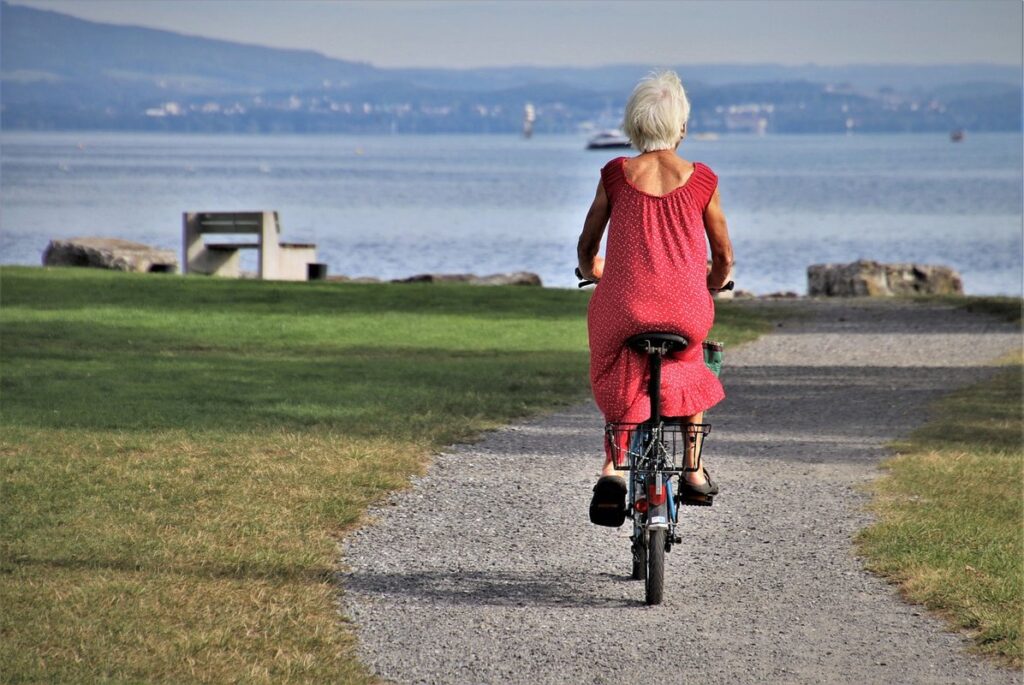
Importance of Staying Active
Regular physical activity is essential for seniors, as it helps maintain strength, flexibility, and mobility, making everyday tasks easier to manage. Let’s explore some ways you can stay active.
Benefits of Physical Activity for Seniors
Regular physical activity is one of the most effective ways for seniors to maintain their overall health and well-being. By incorporating exercise into their daily routine, seniors can significantly reduce their risk of falls by improving balance, flexibility, and muscle strength. This can be achieved through low-impact activities such as walking, swimming, or yoga.
In addition to preventing falls, regular physical activity has been shown to improve cardiovascular health in seniors. Exercise helps lower blood pressure, increase circulation, and boost the immune system, all of which contribute to a reduced risk of heart disease and stroke. Moreover, exercise has also been linked to enhanced cognitive function, including improved memory, concentration, and problem-solving skills.
As we age, our physical abilities may decline, but with regular physical activity, seniors can maintain their independence and quality of life for longer. For instance, engaging in activities such as gardening or dancing not only provides exercise but also social interaction and mental stimulation. By prioritizing physical activity, seniors can take control of their health and enjoy a more active, fulfilling lifestyle.
Addressing Common Barriers to Exercise
As we age, it’s common to encounter barriers that make it difficult to stay physically active. One of the most significant challenges is a lack of mobility. Perhaps you’ve experienced a decline in strength or flexibility, making everyday activities more strenuous than they used to be. Or maybe you’re living with a chronic condition that limits your physical capabilities.
Fear of injury can also hold us back from exercising regularly. We may worry about putting too much strain on our joints or exacerbating an existing health issue. Transportation issues are another common obstacle, making it difficult to get to gyms, community centers, or other exercise venues.
However, there are solutions to these challenges. For instance, you can start with low-impact exercises like yoga or swimming, which are easier on the joints and can be adapted to suit your fitness level. Consider investing in a home exercise equipment like a stationary bike or resistance bands that allow you to work out from the comfort of your own home. Additionally, look into transportation assistance programs that can help you get to exercise classes or group activities.
You can also explore adaptive sports and fitness programs designed specifically for seniors with mobility limitations. These programs often offer modified exercises and equipment to ensure safe participation. Don’t let barriers stand in the way – find ways to adapt your routine to suit your needs, and stay active!
Types of Senior-Friendly Activities
Let’s explore some fun and engaging activities tailored specifically for seniors, including hobbies, sports, and social events that promote connection and physical well-being.
Outdoor Activities
Outdoor activities are an excellent way for seniors to stay engaged and active in later life. Not only do they provide a change of scenery from the comforts of home, but they also offer numerous physical and mental health benefits.
Walking clubs are a popular outdoor activity among seniors, allowing them to socialize while getting some exercise. Many communities have designated walking trails or parks that host group walks, making it easy for seniors to join in. Gardening is another great option, providing an opportunity to connect with nature and enjoy the therapeutic benefits of tending to plants.
Birdwatching is also a low-impact activity that can be done at a leisurely pace, allowing seniors to appreciate the beauty of birds and their habitats while getting some fresh air. Whatever outdoor activity you choose, remember to stay hydrated, wear sunscreen, and take breaks as needed.
Research suggests that spending time outdoors can reduce symptoms of anxiety and depression, improve sleep quality, and even boost cognitive function. By incorporating outdoor activities into your routine, you can experience these benefits firsthand. So why not lace up those walking shoes or grab a pair of binoculars – there’s a whole world waiting to be explored!
Indoor Activities
Indoor activities can be a great way to stay engaged and active as you age. Not only do they provide an escape from inclement weather, but they also offer a chance to try new things and challenge yourself cognitively. Painting classes, for instance, are an excellent way to tap into your creative side while exercising fine motor skills. Many community centers and art studios now offer painting classes specifically designed for seniors, often with the added benefit of social interaction.
Cooking workshops can also be a fun and engaging indoor activity that encourages learning new recipes and cooking techniques. Not only do they provide an opportunity to expand your culinary repertoire, but they also promote cognitive stimulation through planning and organization. Indoor games such as bridge, mahjong, or board games are another great option for staying active mentally. These activities can help combat isolation by providing a chance to meet new people and make friends.
If you’re interested in trying indoor activities, consider searching online for local classes or workshops in your area. Many community centers, senior organizations, and even some retirement communities now offer such programs. Be sure to ask about accessibility features like wheelchair ramps or seating areas to ensure that the venue is comfortable and accommodating for seniors with mobility issues.
Social Opportunities for Seniors
Whether you’re looking to meet new friends, reconnect with old ones, or simply get out of the house more often, we’ve got some exciting social opportunities for seniors right here. From clubs to volunteer work, there’s something for everyone!
Joining Clubs and Organizations
Joining clubs and organizations is an excellent way for seniors to stay engaged and active. Not only do these groups provide opportunities for socialization, but they also offer a sense of belonging and purpose. Many communities have senior-focused clubs that cater to specific interests, such as book clubs, walking groups, or volunteer opportunities.
When joining a club or organization, consider what activities bring you joy and fulfillment. For example, if you’re an avid reader, look for a local book club where you can discuss your favorite novels with like-minded individuals. If you enjoy staying active, join a walking group that meets regularly to explore new neighborhoods or trails.
Volunteering is another excellent way to meet new people while giving back to the community. Many organizations, such as animal shelters or food banks, rely on senior volunteers to help with daily tasks. Not only will you be making a difference, but you’ll also have opportunities to connect with others who share your values and interests.
To get started, search online for senior-focused clubs and organizations in your area. You can also ask friends, family members, or healthcare professionals for recommendations. Don’t be afraid to reach out to local community centers or places of worship, as they often host senior-oriented activities and events.
Online Communities and Forums
Connecting with others who share similar interests is now easier than ever for seniors thanks to the digital age. Online platforms have revolutionized the way we socialize, making it possible for seniors to engage in discussions, participate in forums, or join virtual events from the comfort of their own homes.
One of the most popular online communities for seniors is Facebook Groups. With millions of groups dedicated to various interests, hobbies, and causes, seniors can easily find and connect with like-minded individuals. For instance, a senior who loves gardening might join a group called “Gardening Enthusiasts” where they can share tips, advice, and photos of their garden.
Other online platforms that offer social opportunities for seniors include Reddit’s r/seniors community, where members share stories, experiences, and advice on aging. Seniors can also participate in online forums like AARP’s Online Community, which provides a space to discuss topics such as health, finance, and travel. Furthermore, many websites and apps offer virtual events, webinars, and workshops that cater specifically to seniors’ interests.
To get started with online communities and forums, consider the following tips:
* Research groups or platforms that align with your interests
* Join online events or webinars that spark your curiosity
* Be an active participant by sharing your thoughts, experiences, and expertise
* Set boundaries and prioritize your safety when interacting with others online
By embracing these digital opportunities, seniors can expand their social circle, build meaningful connections, and stay engaged in activities they enjoy.
Creative Pursuits for Seniors
Whether you’re a seasoned artist or just looking for new hobbies, staying engaged through creative pursuits is essential to a fulfilling life. Exploring your artistic side can bring joy and meaning to your golden years.
Arts and Crafts
Engaging in creative activities can be a great way for seniors to express themselves and stay engaged. One of the most popular arts and crafts options is painting. Not only does it allow seniors to tap into their creativity, but it also provides an opportunity to relax and reduce stress.
Many senior centers and retirement communities offer painting classes as part of their activity programs. These classes are usually led by experienced instructors who guide students through various techniques and styles. Seniors can choose from a range of mediums, including watercolor, acrylic, and oil paints, allowing them to experiment with different effects and textures.
In addition to painting, other arts and crafts options include pottery and woodworking. These activities require more physical effort than painting, but they also offer a sense of accomplishment and pride in one’s work. For example, a senior who has always been interested in woodworking can create functional pieces like cutting boards or birdhouses for family members.
As with any creative activity, the key to success is to approach it with an open mind and willingness to learn. By giving arts and crafts a try, seniors can discover new talents, build confidence, and stay engaged and active well into their later years.
Music and Dance Programs
Music and dance programs have become increasingly popular as therapeutic tools for seniors. These programs tap into the emotional benefits of music and exercise, promoting cognitive function, social interaction, and physical mobility.
Singing groups are a great example of how music can be used therapeutically with seniors. Group singing has been shown to improve cognitive function, reduce stress, and boost mood. Many community centers, retirement homes, and adult day care programs offer group singing sessions, often led by trained therapists or musicians. Participants sing familiar songs from their youth, fostering a sense of nostalgia and community.
Line dancing classes are another popular program that combines dance with social interaction. These low-impact exercises help improve balance, flexibility, and cardiovascular health while providing opportunities for seniors to meet new people and engage in physical activity. Many senior centers, fitness studios, and community organizations offer line dancing classes specifically designed for older adults.
When searching for a music or dance program, look for activities that cater to your interests, abilities, and mobility level. Don’t be afraid to try something new – it’s never too late to get moving and singing!
Safety Considerations for Senior Activities
When engaging in senior activities, it’s essential to prioritize your safety and well-being. This section outlines key considerations to ensure you can participate without putting yourself at risk.
Preventing Falls and Injuries
When engaging in physical activities as a senior, safety should always be your top priority. One of the most common concerns is falling and injuring oneself, which can have serious consequences for older adults.
To minimize this risk, it’s essential to wear proper footwear when participating in physical activities. This includes wearing shoes with good arch support, a non-slip sole, and a comfortable fit. Avoid wearing high heels or shoes with slippery soles that can increase the likelihood of falling. You should also consider using assistive devices such as walking sticks or canes if you need extra balance.
In addition to proper footwear, incorporating balance exercises into your routine is crucial in preventing falls. Simple activities like standing on one foot, holding onto a chair while moving around, and practicing tai chi can help improve your balance and reduce the risk of falling. It’s also essential to modify your home environment by removing tripping hazards, improving lighting, and installing handrails in strategic locations.
By taking these preventive measures, you can significantly reduce the risk of falls and injuries, allowing you to stay engaged and active in later life.
Emergency Planning and Response
When engaging in senior activities, it’s essential to have a plan in place for emergencies. This might seem obvious, but many of us often overlook the importance of having an emergency contact number handy or creating a personal safety plan.
In case of an accident, every minute counts, and knowing what to do can be lifesaving. Consider registering with your local emergency services department so they have your vital information on file. This way, if you’re unable to communicate in an emergency, they’ll know how to reach your family or friends for assistance.
It’s also crucial to create a personal safety plan that includes essential contact numbers and details about any medical conditions or allergies. Keep this plan easily accessible, such as in a wallet or on a fridge magnet near the phone. Regularly review and update this information with your emergency contacts to ensure they’re aware of any changes.
In case you fall while participating in an activity, prioritize getting help from someone nearby if possible. If alone, try to move to a safe location where you can be easily seen by others.
Frequently Asked Questions
Can I start with senior-friendly activities if I have a chronic health condition?
If you have a chronic health condition, it’s essential to consult your doctor before starting any new exercise program. However, many senior-friendly activities can be modified to accommodate physical limitations or mobility issues. Look for low-impact exercises like chair yoga, tai chi, or water-based activities that are gentle on joints.
How often should I schedule senior-friendly activities into my daily routine?
Aim to incorporate at least 30 minutes of moderate-intensity activity into your daily routine, ideally 3-4 times a week. However, every bit counts, and even short bursts of physical activity can have benefits. Consider breaking up longer sessions into shorter intervals with regular breaks to maintain momentum.
What if I live in an area with limited outdoor spaces or inclement weather?
Indoor activities are perfect for days when the weather isn’t cooperating! Explore indoor walking tracks, swimming pools, or senior centers that offer classes and programs specifically designed for older adults. Many gyms also have adapted exercise equipment for seniors.
How can I stay safe while participating in outdoor activities as a senior?
When engaging in outdoor activities, prioritize your safety by informing someone about your itinerary and estimated return time. Wear comfortable shoes and clothes suitable for the activity, and consider bringing a walking aid or mobility device if needed. Additionally, choose well-lit areas with minimal obstacles.
Can I participate in creative pursuits like arts and crafts or music programs if I have no prior experience?
Absolutely! Many senior-friendly activities cater to beginners, offering gentle instruction and guidance. Don’t be afraid to try something new – you might discover a hidden talent or passion! Look for classes or workshops that emphasize fun and social interaction over perfection.