
As we age, our bodies undergo natural changes that can affect our flexibility, balance, and mobility. For seniors over 60, regular stretching exercises are essential to maintain independence, prevent falls, and stay healthy. However, many of us are unaware of how to stretch safely and effectively, especially with any physical limitations or health concerns.
In this article, we’ll explore the importance of stretching for seniors over 60 and provide you with gentle, tailored routines to improve your range of motion, reduce stiffness, and enhance overall well-being. We’ll discuss safe exercises that can be done at home, in a chair, or on the floor, taking into account any limitations or mobility issues you may have. By incorporating these simple yet effective stretches into your daily routine, you can enjoy improved balance, reduced risk of falls, and a more active, healthier life.
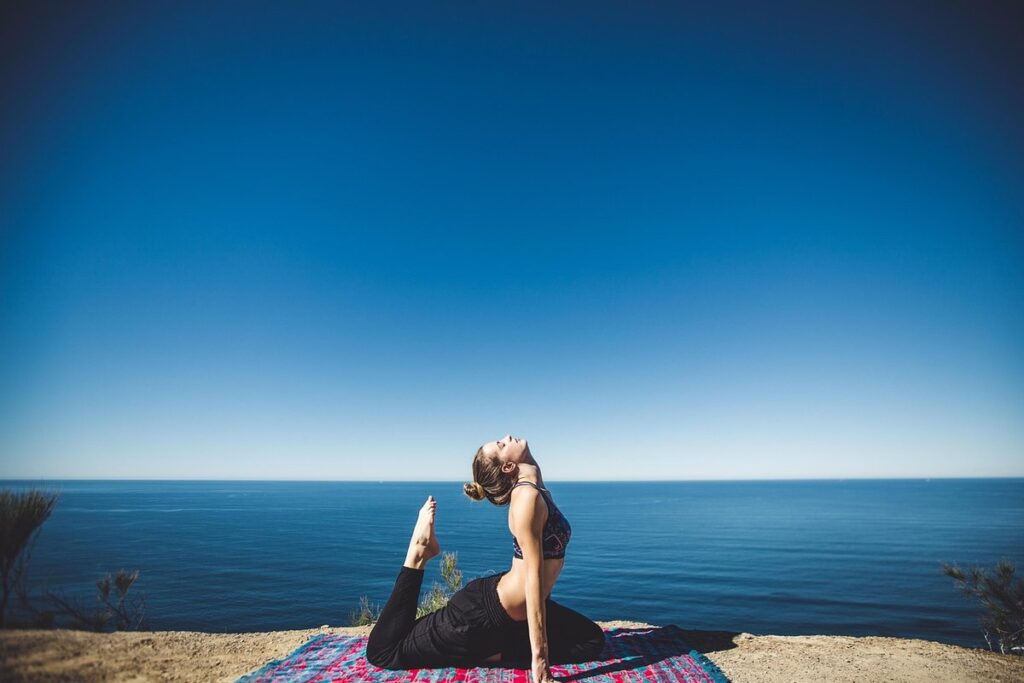
Benefits of Stretching for Seniors
Regular stretching can have a significant impact on your overall health and well-being as you age, reducing stiffness and improving flexibility. Let’s explore some of the key benefits of incorporating stretching into your daily routine.
Reduces Risk of Falls and Injuries
As we age, maintaining flexibility becomes increasingly important to prevent falls and injuries. Stretching can help improve balance by lengthening the muscles and tendons that support our joints. This is especially crucial for seniors who may have pre-existing conditions or chronic diseases that affect their mobility.
One of the most significant benefits of stretching for seniors is its ability to reduce the risk of falls. According to the Centers for Disease Control and Prevention (CDC), one in four adults aged 65 and older experiences a fall each year, resulting in serious injuries like hip fractures and head trauma. By incorporating regular stretching exercises into their routine, seniors can improve their flexibility, balance, and overall mobility.
To get started with stretching as a senior, begin by focusing on static stretches that target the major muscle groups. Hold each stretch for 20-30 seconds and breathe naturally. For example, stand in a doorway with your hands on the doorframe at shoulder height, leaning forward until you feel a stretch in your chest and shoulders. This simple movement can help improve posture and balance, reducing the risk of falls and related injuries.
Improves Range of Motion and Mobility
As we age, our range of motion and mobility can decline, making everyday activities more challenging. However, regular stretching exercises can help maintain or even improve flexibility, enabling seniors to move with greater ease and comfort.
One of the primary benefits of stretching for seniors is its ability to preserve joint function and prevent stiffness. When joints become stiff due to lack of movement, it’s common to experience pain and discomfort while performing daily activities like walking, bending, or reaching. By incorporating stretching exercises into your routine, you can maintain joint mobility and reduce stiffness.
For example, try incorporating static stretches for your major muscle groups, such as the hamstrings, quadriceps, hip flexors, and lower back muscles. Hold each stretch for 20-30 seconds and repeat 2-3 times a day. You can also incorporate dynamic stretches, like arm circles or leg swings, to improve range of motion while moving.
Remember to listen to your body and stop if you experience any discomfort or pain while stretching. With consistent practice, you’ll find that your daily activities become easier, and you’re able to move with greater confidence and freedom.
Enhances Overall Health and Well-being
Regular stretching exercises can have a profound impact on overall health and well-being for seniors over 60. Research has consistently shown that older adults who engage in regular physical activity, including stretching, experience a significant reduction in chronic pain. This is especially true for conditions like arthritis, which can significantly impair mobility and quality of life.
In addition to alleviating pain, stretching also helps improve sleep quality. When we’re stiff and inflexible, it’s harder to relax and fall asleep, leading to fatigue and other health issues. By incorporating stretching into their daily routine, seniors can improve the quality of their sleep, waking up feeling refreshed and rejuvenated.
Mental well-being is another critical area where stretching exercises have a positive impact. Exercise has been shown to reduce symptoms of anxiety and depression in older adults, improving mood and overall sense of well-being. By making time for regular stretching, seniors can take proactive steps towards maintaining their mental health.
Precautions and Contraindications
Before you begin any new stretching routine, it’s essential to consider potential health concerns that may affect your safety. Certain medical conditions require special precautions when engaging in stretching exercises.
Understanding Your Limits: Knowing When to Stop
As you begin to incorporate stretching exercises into your daily routine, it’s essential to understand your physical limits and know when to stop. Your body will naturally respond with discomfort or pain if you push past its limits, and this can lead to injury or exacerbate existing conditions.
Listen to your body: if you experience any sharp pains or aching that persists for more than a few seconds, it’s time to stop. Pay attention to specific areas of tension or weakness in your muscles, and modify the exercise accordingly. For example, if you’re experiencing strain on your lower back while attempting a forward bend, try bending at the hips instead of twisting.
Remember, older adults often experience reduced flexibility due to natural aging processes, muscle imbalances, and joint degeneration. Be cautious not to overstretch or force beyond what’s comfortable. Modify exercises by reducing range of motion, tempo, or intensity as needed. Prioritize consistency and gradual progression, rather than trying to achieve unrealistic goals.
Common Health Conditions Requiring Medical Clearance
When starting a stretching routine as a senior over 60, it’s essential to consider certain health conditions that may require medical clearance. Certain heart conditions, such as arrhythmias or heart failure, can make physical activity more challenging and necessitate special precautions.
Additionally, individuals with joint replacements or chronic diseases like osteoporosis, rheumatoid arthritis, or diabetes should consult their doctor before beginning a stretching routine. For instance, if you have had a recent joint replacement surgery, your doctor may recommend avoiding certain stretches that could dislodge the prosthetic joint or cause unnecessary wear and tear.
Chronic conditions like hypertension, respiratory diseases (such as COPD), or neurological disorders (like Parkinson’s disease) also require careful consideration. Your healthcare provider can help you determine which exercises are safe for you to perform and provide guidance on proper modifications or accommodations.
Working with Healthcare Professionals for Customized Plans
When it comes to developing a personalized stretching plan as a senior over 60, it’s essential to collaborate with healthcare professionals who can assess your individual needs and limitations. This partnership will help you create a tailored exercise regimen that complements your health status and promotes overall well-being.
A healthcare provider or physical therapist will conduct a thorough evaluation, taking into account any pre-existing conditions, such as osteoporosis, arthritis, or cardiovascular disease. Based on this assessment, they can recommend specific stretches that are safe for you to perform while minimizing the risk of injury or exacerbating existing health issues.
For instance, if you have difficulty with balance or mobility, your healthcare professional may suggest low-impact exercises that promote flexibility without putting excessive strain on your joints. Similarly, they might advise against certain stretches that could put pressure on sensitive areas, such as those affected by osteoporosis.
To get the most out of this collaboration, be sure to communicate openly about any discomfort or pain you experience during stretching exercises. Your healthcare professional is there to guide and support you in developing a customized plan that addresses your unique health needs and promotes long-term mobility and flexibility.
Simple Stretching Exercises for Seniors
Now that you know some of the basics, let’s move on to simple stretching exercises that can help improve flexibility and mobility for seniors over 60. These gentle stretches are easy to do at home.
Neck Stretches: Gentle Movements for Flexibility
As we age, our neck muscles can become tight and prone to strain. This is especially common among seniors who spend a lot of time looking at screens for work, entertainment, or social media – colloquially known as “tech-neck.” To combat this issue, it’s essential to incorporate gentle neck stretches into your daily routine.
One simple stretch is the chin tuck: slowly tuck your chin towards your chest and hold for 15-20 seconds. Repeat this motion several times throughout the day. You can also try rolling your shoulders forward and backward in a circular motion while keeping your head level. This helps loosen up tension in your neck and upper back.
Another effective stretch is the ear to shoulder: gently bring your ear towards your shoulder, holding for 15-20 seconds before releasing. Repeat on both sides. These stretches can help improve flexibility, reduce tension, and alleviate common issues like “tech-neck” – all without putting excessive strain on your neck muscles.
Shoulder Rolls and Chest Expansions for Upper Body Relief
As we age, our posture and flexibility often change, leading to tension in our shoulders, chest, and upper back. To maintain good posture and alleviate discomfort, it’s essential to incorporate exercises that target these areas. Two effective stretches for seniors over 60 are shoulder rolls and chest expansions.
To begin, stand or sit with your arms at your sides and roll your shoulders forward and backward in a circular motion. Repeat this motion several times, focusing on releasing any tension in your shoulder blades. Next, place your hands behind you on a wall or door frame and lean back, stretching your chest muscles. Hold for 15-30 seconds and repeat as needed.
Remember to breathe deeply while stretching to help relax your muscles. You can also incorporate these exercises into daily activities, such as during commercial breaks while watching TV or before bed. Regular practice will help maintain flexibility and reduce the risk of injury from poor posture. By incorporating shoulder rolls and chest expansions into your stretching routine, you’ll be better equipped to manage upper body tension and maintain a healthy, balanced lifestyle.
Lower Back Stretches: Essential for Spinal Health
As we age, our lower back muscles tend to stiffen and weaken, leading to discomfort and pain. This is why incorporating effective lower back stretches into your daily routine is crucial for maintaining spinal health. The good news is that these exercises are simple, gentle, and can be done from the comfort of your own home.
One of the most beneficial stretches for the lower back is the Pelvic Tilt. To perform this exercise, lie on your back with your knees bent and feet flat on the floor. Slowly tilt your pelvis upwards towards the ceiling, holding for a count of five before releasing. Repeat this motion 10-15 times.
Another essential stretch is the Knee to Chest Stretch. Lie on your back, bring one knee towards your chest, and hold onto it with your hand. Gently pull your knee towards your body until you feel a stretch in your lower back. Hold for 30 seconds before switching sides.
Remember to breathe deeply and naturally while stretching to help relax your muscles further. By incorporating these stretches into your daily routine, you’ll be better equipped to prevent strain and alleviate pain associated with aging.
Advanced Stretching Techniques for Seniors
As you continue on your stretching journey, let’s explore some more advanced techniques that can help deepen flexibility and alleviate stiffness, particularly in areas like the shoulders and hips.
Proprioceptive Neuromuscular Facilitation (PNF) Stretching
PNF stretching is a highly effective technique that can be especially beneficial for seniors looking to improve muscle length, strength, and flexibility. This approach involves contracting the muscle you’re trying to stretch, followed by passive stretching. By doing so, you’re able to bypass the muscle’s natural resistance and achieve greater range of motion.
To implement PNF stretching effectively, start by contracting the target muscle group for 5-10 seconds. Then, slowly transition into a static stretch, holding it for 15-30 seconds. This process is repeated several times, allowing for optimal relaxation and lengthening of the muscles.
The benefits of PNF stretching for seniors are numerous. For instance, this technique can be particularly helpful in addressing age-related muscle imbalances and stiffness. Additionally, incorporating PNF into your routine may improve flexibility and overall mobility, enabling you to participate in daily activities with greater ease.
As an example, let’s consider the hip flexors – a common area of tightness in seniors. By using PNF, you can effectively target these muscles and achieve greater range of motion in the hips and lower back.
Dynamic Stretching: Incorporating Movement into Routine
As we age, it’s common to experience reduced mobility and flexibility, making traditional static stretching techniques challenging. This is where dynamic stretching comes into play – a dynamic approach that emphasizes movement over static holds. Unlike static stretches, which hold the muscle at its maximum length for 15-30 seconds, dynamic stretches involve controlled movements that take your joints through their full range of motion.
Dynamic stretching can be particularly beneficial for seniors with mobility issues or chronic pain, as it promotes blood flow and can help reduce stiffness without putting excessive strain on joints. To incorporate dynamic stretching into your routine, start by slowly moving through a series of simple exercises like arm circles, leg swings, or hip rotations. For example, stand with your feet shoulder-width apart and gently swing one arm forward and backward in a small circle, gradually increasing the range as you build comfort.
As you adapt to dynamic stretches, consider adding more complex movements that mimic daily activities, such as walking or reaching for objects. This can help improve functional mobility and reduce fall risks. Be mindful of your body’s limits, and always listen to any discomfort or pain signals – it may be necessary to modify or substitute exercises based on your individual needs.
Deep Tissue Massage for Enhanced Flexibility
When incorporating deep tissue massage into your stretching routine as a senior over 60, you’ll notice significant improvements in your range of motion and reduced muscle tension. This therapy technique targets the deeper layers of muscle and connective tissue to release knots and adhesions that can limit mobility.
Deep tissue massage helps break down scar tissue and relax tense muscles, making it an excellent complement to your existing stretching exercises. By addressing the root cause of restricted movement, you’ll experience greater flexibility and ease in your daily activities. For example, if you’ve been experiencing hip stiffness after a long walk, deep tissue massage can help loosen tight quadriceps and glutes.
To incorporate deep tissue massage into your routine, consider consulting with a licensed therapist who specializes in this modality. They will work with you to identify areas of tension and create a personalized treatment plan that addresses your specific needs. Regular sessions, ideally once or twice a week, can lead to noticeable improvements in flexibility and range of motion over time. Be sure to communicate openly with your therapist about any discomfort or pain, allowing them to adjust their technique accordingly.
Stretching Routines for Common Activities
When engaging in daily activities, it’s essential to incorporate stretching exercises into your routine to prevent injuries and maintain flexibility. We’ll explore simple stretches for common tasks like gardening, cooking, and even playing golf.
Pre-Exercise Warm-ups for Improved Performance
As you prepare to engage in daily activities like gardening, walking, or dancing, it’s essential to incorporate pre-exercise warm-ups into your stretching routine. A gentle combination of low-intensity cardio and strength training exercises can significantly enhance your performance and reduce the risk of injury.
A simple yet effective warm-up routine for seniors over 60 could be a 5-10 minute walk while incorporating light arm circles, leg swings, and torso twists. This helps increase blood flow to the muscles, tendons, and ligaments, making them more pliable and receptive to stretching exercises that follow. Alternatively, you can opt for bodyweight squats, lunges, or step-ups with a low chair or bench.
Incorporating light cardio activities like marching in place, cycling, or swimming (if accessible) into your warm-up routine can further elevate performance and reduce fatigue. Remember to keep the intensity low and gradually increase it as you become more comfortable with these exercises. Aim for 3-5 sets of each exercise, resting for 30-60 seconds between sets. This pre-exercise warm-up approach will help improve circulation, boost energy levels, and ultimately enhance your overall performance in daily activities.
Posture-Correcting Stretches for Daily Living
Maintaining good posture is essential for seniors over 60 as it can help reduce back pain and make everyday tasks easier to perform. However, poor posture often develops gradually due to years of habits that put strain on the muscles.
To correct poor posture, focus on stretches that target the neck, shoulders, upper back, and lower back. Start by tilting your head to the right, bringing your ear towards your shoulder, and holding for 30 seconds before switching sides. Next, place your hands behind you and interlace your fingers, leaning back while keeping your knees slightly bent.
Some essential stretches include chest opens like the “doorway stretch,” where stand in a doorway with arms extended overhead and lean forward until you feel a gentle stretch in your upper back and shoulders. For improved posture, try incorporating activities that strengthen core muscles such as yoga or Pilates, making it easier to maintain good posture when performing tasks like grocery shopping or carrying heavy bags.
By practicing these stretches regularly, seniors can alleviate back pain and enhance their overall well-being.
Conclusion
Now that you’ve learned these essential stretching exercises, it’s time to summarize what you can do to maintain flexibility and mobility. Let’s review the key takeaways from our comprehensive guide.
Tailoring Your Stretching Routine for Maximum Benefits
As you’ve learned throughout this comprehensive guide, it’s essential to understand that one-size-fits-all stretching routines don’t exist. Your body is unique, and what works for another senior may not work for you. Tailoring your stretching routine to meet individual needs and limitations is crucial to reaping the maximum benefits.
Before starting or modifying your stretching routine, assess your current fitness level, flexibility, and any health concerns. This will help you set realistic goals and focus on exercises that suit your abilities. For instance, if you have mobility issues or chronic pain, gentle stretches may be more effective than high-impact movements.
Consider your daily activities and hobbies when choosing stretches to incorporate into your routine. If you’re an avid gardener, for example, stretching exercises that improve flexibility in the back and shoulders can help alleviate strain on your muscles. Be patient and adapt your routine as needed – it’s better to progress gradually than risk injury or discomfort. By tailoring your stretching routine, you’ll not only enjoy the benefits of improved flexibility but also reduce your risk of falls and injuries.
Staying Motivated: Tips for Long-Term Commitment
As you incorporate stretching exercises into your daily routine, it’s common to experience fluctuations in motivation. This is especially true when dealing with a long-term commitment like regular exercise. Staying motivated and committed over time requires intentional effort and strategy.
Set achievable goals for yourself, such as increasing the frequency or duration of your stretching sessions. Celebrate small victories along the way to maintain momentum and avoid burnout. For instance, reward yourself after completing a certain number of days in a row with a relaxing bath or a favorite meal.
Additionally, find a workout buddy or accountability partner who shares your goals and interests. This can provide an added sense of motivation and help you stay on track. Consider tracking your progress through a journal or mobile app to monitor improvements and identify areas for improvement.
Regularly switching up your stretching routine can also help prevent boredom and maintain enthusiasm. Try new exercises, work with different instructors, or explore online resources to mix things up and keep things interesting.
Frequently Asked Questions
How often should I stretch to see noticeable improvements in flexibility?
It’s recommended to stretch at least 2-3 times a week, ideally after your daily activities or exercise routine. Consistency is key when it comes to improving range of motion and reducing stiffness. As you progress, you can gradually increase the frequency and duration of your stretching sessions.
Can I still do stretches if I have arthritis or other joint conditions?
Yes, gentle stretching exercises are often beneficial for individuals with arthritis or joint issues. However, consult with your healthcare provider before starting any new exercise routine. They can recommend specific stretches tailored to your condition and abilities. Be sure to listen to your body and stop immediately if you experience pain or discomfort.
What if I have limited mobility or use a walker/wheelchair? Can I still benefit from stretching?
Absolutely! Many stretches can be adapted for individuals with limited mobility or using assistive devices. Consider working with an occupational therapist or fitness professional who can help you modify exercises to suit your needs. Start with gentle, chair-based stretches and gradually progress to more advanced movements.
Are there any specific precautions I should take when stretching in a hot environment?
Yes, be cautious when stretching outdoors or in warm environments. Avoid stretching during peak sun hours (usually between 10 am and 4 pm) and stay hydrated by drinking plenty of water before, during, and after your stretching sessions. If you experience dizziness or lightheadedness, stop immediately and rest in a cool, shaded area.
Can I use over-the-counter pain relievers to alleviate discomfort while stretching?
No, it’s not recommended to take over-the-counter pain medications as a solution for stretch-related discomfort. Instead, focus on gentle, controlled movements that promote flexibility without causing strain or injury. If you experience persistent pain or stiffness, consult with your healthcare provider to rule out any underlying conditions that may require medical attention.