
Recovering from a stroke as a senior can be a daunting experience, both for the individual and their loved ones. With millions of Americans affected by strokes each year, understanding how to navigate this complex process is crucial for a smooth and successful recovery. Not only do seniors face unique challenges in rehabilitation due to age-related factors, but they also need guidance on managing post-stroke complications that can arise.
In this article, we’ll provide expert insight into the types of strokes, preparation for rehabilitation, and practical tips for navigating the recovery journey. We’ll delve into the specifics of stroke types, including ischemic and hemorrhagic strokes, and explore how these differences impact treatment options. Whether you’re a senior recovering from a stroke or simply seeking knowledge on how to support a loved one, this article aims to equip you with the necessary tools and understanding to take control of your recovery.
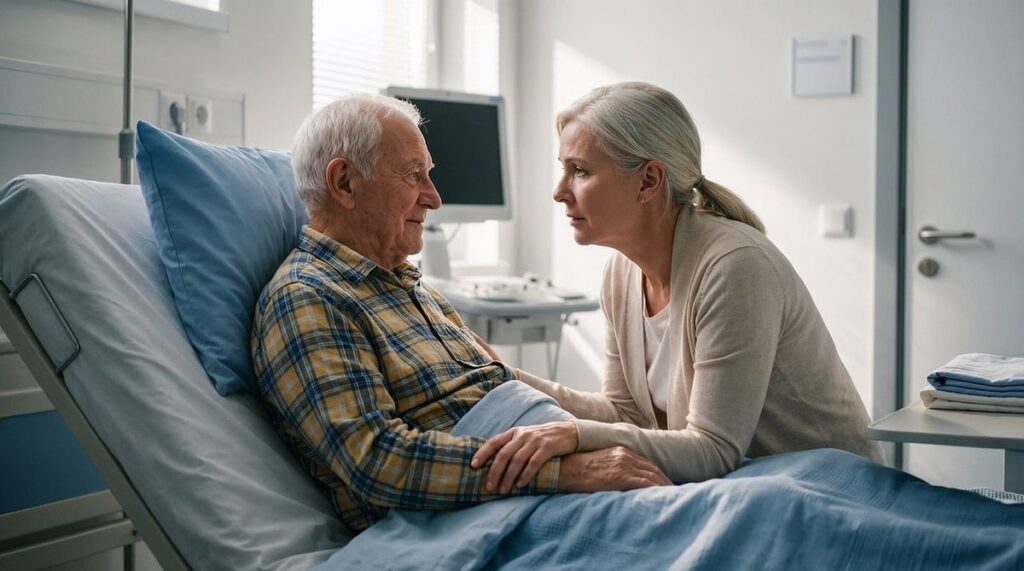
Understanding Stroke and Its Effects on Seniors
When a senior experiences a stroke, it can have a profound impact on their physical and emotional well-being. In this section, we’ll explore the effects of stroke on seniors and what to expect during recovery.
Defining Stroke and its Types
A stroke occurs when blood flow to the brain is interrupted or reduced, depriving brain tissue of oxygen and nutrients. This can happen due to a blockage (ischemic stroke), bleeding in or around the brain (hemorrhagic stroke), or temporary disruptions in blood flow leading to transient ischemic attacks (TIAs). It’s essential for seniors to understand these different types of strokes as each requires unique medical attention.
Ischemic strokes account for approximately 87% of all cases and are caused by blockages in blood vessels supplying the brain. These can be triggered by factors such as atherosclerosis, blood clots, or narrowed arteries due to high blood pressure. Hemorrhagic strokes, on the other hand, occur when an artery in the brain ruptures, causing bleeding. This accounts for about 13% of stroke cases and is often associated with conditions like hypertension, aneurysms, or arteriovenous malformations.
TIAs, also known as “mini-strokes,” may not cause long-term damage but are still a warning sign that you’re at risk for a full-blown ischemic or hemorrhagic stroke. Seniors who experience TIAs should seek immediate medical attention to prevent further complications.
Risk Factors and Warning Signs for Seniors
As we explore the effects of stroke on seniors, it’s essential to understand the risk factors and warning signs that may indicate a higher likelihood of suffering from this condition. Hypertension, diabetes, and family history are among the most significant risk factors for stroke in seniors.
Hypertension, or high blood pressure, is often referred to as the “silent killer” because it can be present without any noticeable symptoms. Uncontrolled hypertension can lead to atherosclerosis, which increases the risk of stroke. If you’re over 65 and have uncontrolled hypertension, it’s crucial to work with your healthcare provider to manage your condition.
Diabetes is another significant risk factor for stroke in seniors. High blood sugar levels can damage blood vessels and increase the risk of blood clots. Regular monitoring of blood glucose levels and adherence to a healthy diet can help mitigate this risk.
A family history of stroke also increases an individual’s likelihood of experiencing a stroke themselves. If you have a close relative who has suffered from a stroke, it’s essential to discuss your risk factors with your healthcare provider and take proactive steps to reduce them.
When it comes to warning signs, look out for sudden weakness or numbness in the face or arm, confusion, difficulty speaking, or vision changes. If you experience any of these symptoms, seek immediate medical attention. Remember, prompt treatment can significantly improve outcomes for stroke patients.
Preparing for Rehabilitation
Before starting rehabilitation, it’s essential to understand what to expect and how to prepare your senior loved one for the process. This section will guide you through key steps in preparing them for their journey towards recovery.
Early Recovery Phase (0-30 days)
During the early recovery phase (0-30 days), seniors can expect a significant amount of medical treatment and therapy to get their body back on track. In this critical period, it’s essential to focus on rebuilding strength, mobility, and independence. Medical treatment typically involves managing any underlying conditions that may have contributed to the stroke, such as high blood pressure or diabetes.
Physical therapy (PT) will also play a vital role in this phase, aiming to restore muscle function and improve mobility. Your physical therapist may start by assessing your range of motion, strength, and balance. They’ll then develop a customized exercise program to help you regain these functions. For example, if you had limited movement on one side of your body, PT may focus on strengthening the muscles in that area.
Occupational therapy (OT) goals during this phase might include learning new ways to perform daily tasks, such as bathing or dressing. Your OT will work with you to develop strategies for adapting to any cognitive or physical changes caused by the stroke. They may also help you practice using assistive devices like canes or walkers to maintain balance and mobility.
It’s not uncommon for seniors in this phase to experience frustration or feelings of overwhelm. However, it’s essential to stay positive and focus on small goals each day. By working closely with your healthcare team and following their treatment plans, you’ll be well on your way to a successful recovery.
Importance of Family Support and Involvement
Family members play a vital role in supporting seniors through the rehabilitation process after a stroke. Emotional support is just as crucial as medical care during this time. Family members can provide comfort and reassurance by simply being present, listening to their loved one’s concerns, and validating their feelings. This emotional support helps reduce anxiety and stress, allowing the individual to focus on recovery.
In addition to emotional support, family members can assist with daily tasks such as bathing, dressing, and managing medications. This not only eases the senior’s burden but also enables them to conserve energy for rehabilitation activities. Family members can also participate in physical therapy exercises, provide transportation to appointments, and help with household chores.
To be an effective support system, family members should communicate openly with healthcare providers about their loved one’s needs and progress. They can ask questions, seek guidance on home modifications, and learn about available resources for stroke recovery. By doing so, they become integral to the rehabilitation process, helping their senior loved ones regain independence and confidence.
Physical Rehabilitation After Stroke
Once you’ve begun the recovery process, it’s essential to focus on regaining your physical strength and mobility through a rehabilitation program tailored to your needs. We’ll walk you through the importance of physical therapy post-stroke.
Regaining Motor Function and Mobility
As we discussed earlier in the physical rehabilitation process after stroke, restoring motor function and mobility is crucial for seniors to regain independence. Physical therapy techniques play a vital role in achieving this goal.
One of the primary objectives of physical therapy is to improve balance and prevent falls. This can be achieved through exercises that challenge the body’s vestibular system, such as standing on one leg or performing balance transfers from one foot to another. Exercises like tai chi or qigong are also beneficial for improving balance and reducing fall risk.
In terms of motor function improvement, physical therapy may involve a range of techniques including active and passive exercises for affected limbs. For example, the therapist might use manual resistance to strengthen muscles in the affected arm or leg, while the patient performs repetitive movements like shoulder rolls or ankle rotations.
A combination of these physical therapy approaches can help seniors regain mobility, strength, and balance, ultimately leading to improved functional ability and reduced risk of falls.
Managing Pain and Spasticity
Managing pain and spasticity is an essential aspect of physical rehabilitation after stroke. Many seniors experience chronic pain due to the brain’s altered processing of sensory information. Physical therapy can help alleviate this by retraining the nervous system to respond to pain more effectively.
Effective pain management strategies include medication, such as gabapentin or pregabalin, which can be prescribed by a doctor. Additionally, non-pharmacological approaches like acupuncture and transcutaneous electrical nerve stimulation (TENS) units have shown promise in reducing chronic pain. Relaxation techniques, including deep breathing exercises, progressive muscle relaxation, and visualization, can also help reduce muscle tension.
To manage spasticity, physical therapists may employ various techniques such as range-of-motion exercises, soft tissue mobilization, or the use of orthotics like ankle foot orthoses (AFOs). For instance, a patient who experiences spasticity in their legs might benefit from a combination of range-of-motion exercises and AFOs to improve mobility. Encouraging patients to take regular breaks and engage in activities that promote relaxation can also help manage muscle tension and reduce the risk of spasticity.
Cognitive Rehabilitation After Stroke
As you navigate the recovery process, it’s essential to understand how cognitive rehabilitation can help seniors regain lost functions and adapt to their new reality. This section explores the role of therapy in stroke recovery.
Memory and Attention Deficits
Cognitive rehabilitation is a crucial aspect of stroke recovery in seniors, particularly when it comes to addressing memory loss, attention deficits, and executive function impairments. These cognitive challenges can significantly impact daily life, making everyday tasks more difficult than usual.
To address memory loss, cognitive rehabilitation may involve techniques such as memory retraining, where the individual practices recalling lists, words, or other information to improve retention and recall. For example, a person might use post-it notes to remember medication schedules or appointments. Another approach is using compensatory strategies, like carrying a calendar or planner to help keep track of upcoming events.
Attention deficits can be tackled through activities that promote sustained attention, such as puzzles, games, or reading books. These tasks require focus and concentration over an extended period, helping the individual build endurance and improve their ability to stay engaged. Executive function impairments often involve challenges with planning, organization, and decision-making. Strategies like breaking down complex tasks into smaller steps, using visual reminders, and implementing routines can help alleviate these difficulties.
It’s essential for family members or caregivers to be involved in cognitive rehabilitation, as they can provide support, encouragement, and assistance with exercises and activities. With patience, persistence, and the right guidance, individuals recovering from stroke can improve their cognitive function and regain independence in daily life.
Strategies for Coping with Cognitive Changes
Coping with cognitive changes after a stroke can be challenging, but there are strategies that can help. One key aspect is adapting daily routines to accommodate new limitations. For instance, seniors may need to use visual reminders such as calendars or phone apps to stay organized. They might also benefit from simplifying tasks and breaking them down into smaller steps.
Using assistive technology can be incredibly helpful in this process. For example, text-to-speech software can aid with reading, while speech-generating devices can facilitate communication. Additionally, many smartphones come equipped with accessibility features such as voice-dictation or large-button keyboards that can make a big difference.
Incorporating cognitive training into daily life is also essential. Engage in mentally stimulating activities like puzzles, brain teasers, or memory games to challenge the brain and promote recovery. Many hospitals and rehabilitation centers offer cognitive therapy sessions, which can be tailored to meet individual needs. Even small moments of mental exercise, such as doing a crossword or playing chess, can have a positive impact on cognitive function.
Managing Post-Stroke Complications in Seniors
Managing post-stroke complications is crucial for seniors, and we’ll walk you through common issues that arise and how to address them effectively. This will help ensure a smoother recovery process.
Common Complications: Depression, Anxiety, and Fatigue
Post-stroke complications can have a significant impact on a senior’s physical and mental well-being. Three common complications that may arise after a stroke are depression, anxiety, and fatigue. Depression is often characterized by persistent feelings of sadness, hopelessness, or loss of interest in activities. It’s essential to monitor for changes in mood or behavior, as it can significantly hinder the recovery process.
Anxiety, on the other hand, can manifest as excessive worry or fear about the future, finances, or health. Seniors may experience restlessness, irritability, or difficulty concentrating. Fatigue is another common complication that can be caused by a combination of physical and emotional factors. This can lead to decreased motivation and reduced ability to participate in rehabilitation activities.
To identify these complications early on, healthcare providers often conduct regular check-ups and monitor the senior’s mental state closely. Regular exercises, social interactions, and engaging activities can help alleviate symptoms of depression and anxiety. For fatigue, prioritizing rest periods, maintaining a consistent sleep schedule, and incorporating gentle exercises can be beneficial. By being aware of these potential complications, family members and caregivers can provide support and work with healthcare providers to develop a comprehensive management plan.
Preventing Future Health Issues
As you and your loved ones navigate the recovery process after a stroke, it’s essential to focus on preventing future health issues. This proactive approach will not only improve your quality of life but also reduce the risk of complications and hospital readmissions.
To minimize the likelihood of future health problems, incorporate lifestyle modifications that cater to your new physical abilities and limitations. Regular exercise, such as walking or physical therapy sessions, is crucial for maintaining cardiovascular health and preventing falls. A balanced diet rich in fruits, vegetables, and whole grains will provide essential nutrients for brain function and overall well-being.
Monitor your blood pressure regularly, and work with your healthcare provider to maintain optimal levels. This can be achieved through medication, lifestyle changes, or a combination of both. Additionally, manage stress effectively by practicing relaxation techniques like meditation or deep breathing exercises. By adopting these habits, you’ll take a significant step towards reducing the risk of future health issues and improving your overall resilience.
Some specific goals to aim for include:
• Exercising for at least 30 minutes daily
• Consuming 5-7 servings of fruits and vegetables daily
• Maintaining a healthy weight through balanced eating and regular exercise
• Staying hydrated by drinking plenty of water throughout the day
By following these guidelines, you’ll be better equipped to handle the challenges that come with aging and minimize the risk of future health complications.
Embracing Independence and Quality of Life After Stroke
As you progress through your recovery, it’s essential to focus on achieving independence and a fulfilling quality of life. This is where small victories and self-care can make a significant impact.
Setting Realistic Goals and Expectations
Setting realistic goals and expectations is crucial to successful recovery from stroke. After experiencing a life-altering event like this, it’s natural to feel overwhelmed by the thought of regaining independence. However, setting achievable objectives will help you stay motivated and focused on progress.
Start by prioritizing self-care activities that promote physical well-being, such as gentle exercises or short walks. This may seem insignificant, but these small accomplishments can significantly boost confidence and energy levels. For instance, if you’ve been struggling with mobility, aim to walk 10 feet without assistance each day – this might sound easy, but it’s a significant milestone.
When setting goals, remember that seeking help when needed is not a sign of weakness; it’s a sign of strength. Don’t hesitate to enlist support from family members, caregivers, or rehabilitation professionals. Collaborate with your healthcare team to develop personalized recovery plans that address specific needs and abilities. By doing so, you’ll maintain independence while ensuring safety and progress.
Navigating Support Services and Resources
As you navigate the recovery process after stroke, it’s essential to remember that you’re not alone. There are numerous community resources, support groups, and counseling services available to help you regain independence and improve your quality of life.
One of the most valuable resources for seniors recovering from stroke is the National Stroke Association (NSA). This organization offers a wealth of information on stroke recovery, including online support groups, educational materials, and advocacy programs. You can also contact local hospitals, rehabilitation centers, or community organizations to inquire about available services in your area.
Support groups are another crucial component of the recovery process. These groups provide a safe space for you to share experiences, receive emotional support, and connect with others who understand what you’re going through. Some popular support group options include the American Stroke Association’s (ASA) Online Support Group and the National Council on Aging’s (NCOA) online community forums.
When exploring counseling services, look for therapists or counselors with experience working with stroke survivors. They can help you address emotional challenges, such as depression, anxiety, or loss of identity, and develop coping strategies to maintain your mental well-being. Some examples of counseling services include cognitive-behavioral therapy (CBT), mindfulness-based stress reduction (MBSR), and family therapy.
Don’t be afraid to ask for help – reach out to a trusted healthcare provider, social worker, or case manager to guide you through the process of accessing these resources. By leveraging community support, you’ll be better equipped to tackle the physical, emotional, and social challenges associated with stroke recovery.
Frequently Asked Questions
How can I ensure my loved one is receiving the best possible care during their stroke recovery?
Ensure your loved one receives comprehensive care by actively participating in treatment planning, attending therapy sessions, and maintaining open communication with healthcare providers. This proactive approach will help you navigate the rehabilitation process effectively.
What are some common post-stroke complications that can arise in seniors, and how can they be managed?
Common complications include depression, anxiety, and fatigue. These conditions can be managed through a combination of medication, therapy sessions, and lifestyle adjustments such as regular exercise and social interaction. Early detection and treatment are crucial for preventing long-term effects.
What is the most effective way to support a senior’s physical rehabilitation after a stroke?
Physical rehabilitation after stroke requires patience, consistency, and a supportive environment. Encourage your loved one to participate in regular therapy sessions, maintain a consistent routine, and provide emotional support throughout their journey. Celebrate small victories along the way to keep them motivated.
How can I help my senior loved one adapt to cognitive changes after a stroke?
Cognitive changes may require patience and understanding from family members. Encourage your loved one to participate in cognitive therapy sessions, maintain a structured routine, and use visual aids or memory tools to aid with memory loss. Additionally, provide emotional support and reassurance during this challenging time.
What are some key factors to consider when selecting rehabilitation facilities for my senior loved one?
When choosing rehabilitation facilities, look for centers that offer individualized care plans, experienced healthcare professionals, and a supportive environment. Also, consider the facility’s ability to address post-stroke complications such as depression, anxiety, and fatigue. Always prioritize your loved one’s comfort and well-being during this critical phase of recovery.