
Have you ever wondered what a simple visit or conversation can mean to a senior living in an elderly home? Volunteering at these facilities can be a profoundly rewarding experience for both the volunteer and the seniors they serve. Not only can it bring joy and fulfillment to the lives of those who need it most, but it can also enrich the lives of the volunteers themselves. In this article, we’ll explore various volunteering opportunities available at elderly homes, including how to build meaningful relationships with the seniors and what best practices to keep in mind. We’ll also delve into the ways that volunteering at elderly homes can have a lasting impact on both the volunteers and the seniors, and how it can become a truly life-enriching experience for all involved.
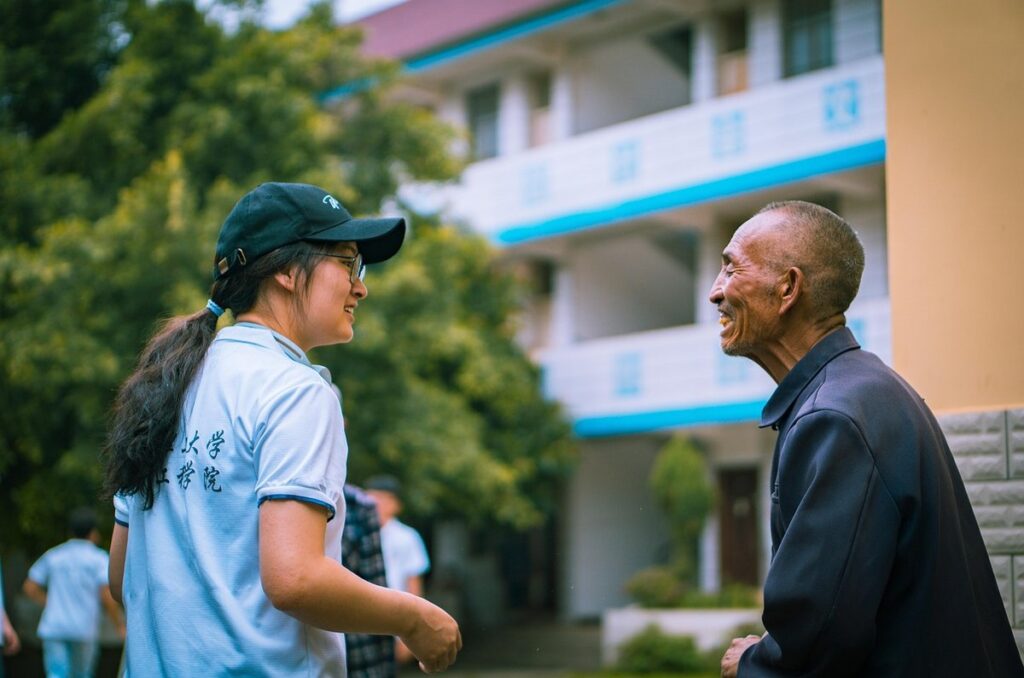
The Importance of Volunteering at Elderly Homes
Volunteering at elderly homes is a powerful way to make a difference in the lives of seniors, and in this section, we’ll explore the significance of this type of volunteer work.
Recognizing the Needs of Elderly Residents
When volunteering at elderly homes, it’s essential to understand the unique needs of the residents. Many elderly individuals in care facilities experience feelings of loneliness, isolation, and disconnection. They may have limited mobility, making it challenging to participate in activities or interact with others. Some may struggle with memory loss, cognitive decline, or sensory impairments, requiring special accommodations.
Volunteering can greatly benefit these residents by addressing their emotional, physical, and social needs. For instance, simply spending quality time with residents, listening to their stories, and engaging in conversation can help alleviate feelings of loneliness. You can also offer physical assistance with tasks such as walking, bathing, or grooming, promoting independence and dignity.
To effectively address these needs, consider the following: engage in regular visits, offer one-on-one interactions, and tailor activities to individual abilities and interests. For example, you might read a book, play a game, or watch a movie together. By doing so, you can help create a sense of connection, comfort, and joy for the elderly residents in care facilities.
Understanding the Benefits for Volunteers
When you volunteer at elderly homes, you’ll not only be making a positive impact on the lives of seniors, but also experiencing numerous benefits yourself. For one, volunteering at elderly homes provides a unique opportunity for personal growth. By engaging with residents and getting to know their stories, you’ll develop empathy and understanding, which can translate to other areas of your life. You may also discover new skills, such as effective communication or conflict resolution, that can be applied in your personal and professional relationships.
Volunteering at elderly homes can also give you a sense of purpose. Knowing that you’re contributing to the well-being of others can be incredibly fulfilling and motivating. Plus, you’ll have the chance to form meaningful relationships with the residents, which can be a truly rewarding experience. By sharing activities, hobbies, or interests with them, you’ll not only be brightening their day but also enriching your own life. To make the most of your experience, consider taking the time to get to know the residents’ individual personalities, interests, and needs. This will enable you to provide more tailored support and create a more positive impact.
Types of Volunteering Opportunities at Elderly Homes
From assisting with daily activities to providing emotional support, there are many ways to make a difference in the lives of seniors. We’ll explore some of the most rewarding volunteering opportunities at elderly homes.
One-on-One Visitation Programs
One-on-one visitation programs offer a unique opportunity for volunteers to form meaningful connections with individual residents at elderly homes. By spending quality time with a single resident, volunteers can engage in activities such as conversation, reading, or simply providing companionship. This personalized approach allows volunteers to cater to the individual needs and interests of each resident, creating a more significant impact on their well-being.
For instance, a volunteer might spend an hour reading to a resident who is struggling with loneliness or Alzheimer’s disease. This not only provides mental stimulation but also creates a sense of connection and belonging. Alternatively, a volunteer might engage in a conversation with a resident who is eager to share stories about their life experiences. By actively listening and showing genuine interest, volunteers can help residents feel heard and valued.
To get started with one-on-one visitation programs, consider the following tips: reach out to the elderly home’s volunteer coordinator to learn more about their program, choose a resident that aligns with your interests and personality, and be prepared to listen actively and engage in activities that promote social interaction.
Group Activities and Events
Group activities and events are an essential part of elderly home life, providing opportunities for socialization, community building, and cognitive stimulation. These events can range from arts and crafts sessions to exercise classes, educational programs, and recreational activities. For instance, painting classes can be a fun way to engage residents in creative pursuits, while also encouraging social interaction and collaboration. Exercise classes, such as tai chi or chair yoga, can help maintain physical mobility and flexibility, while also promoting a sense of well-being and calm.
Educational programs can be tailored to specific interests, such as history, literature, or technology, and can be delivered through lectures, workshops, or interactive sessions. To get involved, consider organizing a group activity or event that resonates with your skills and interests. You might consider teaming up with other volunteers, using your expertise to lead a workshop or class, or simply joining in on the fun. By participating in group activities and events, you can help foster a sense of community and connection among elderly home residents, making a tangible difference in their lives. Be creative, and think about what you can bring to the table – the possibilities are endless!
Preparing to Volunteer at an Elderly Home
Before you start volunteering at an elderly home, it’s essential to prepare yourself and get familiar with the facility’s rules and expectations. Understanding what to expect will make your experience smoother and more enjoyable for everyone.
Initial Application and Screening Process
Before you can start making a difference in the lives of seniors, you’ll need to go through the initial application and screening process. This may seem daunting, but don’t worry, it’s a standard procedure to ensure a smooth and safe volunteering experience for both you and the elderly residents.
To begin, you’ll typically need to fill out an application form, which will ask for basic information such as your contact details, availability, and previous experience working with seniors. You may also be required to provide references or participate in an interview with a member of the elderly home’s staff.
Once your application is submitted, you can expect to undergo a background check, which may involve a police check or a review of your employment history. This is to ensure that you have a clean record and are suitable to work with vulnerable adults.
Depending on the elderly home’s policies, you may also be required to complete a training program, which covers topics such as dementia care, medication management, and confidentiality. This is usually a one-time requirement, but it’s essential in preparing you for the responsibilities and challenges of volunteering at an elderly home.
Overall, the initial application and screening process may take a few weeks to a few months to complete, but it’s a necessary step in ensuring that you’re a suitable and safe volunteer for the elderly residents. Be patient, and don’t hesitate to reach out to the elderly home’s staff if you have any questions or concerns.
Orientation and Training for Volunteers
Before you start interacting with the residents, you’ll need to go through an orientation and training program. This is an essential step in ensuring you’re equipped to provide the best possible care and support. The orientation typically covers facility policies, resident care, and emergency procedures.
During the orientation, you’ll learn about the specific policies and procedures of the elderly home, such as communication protocols, confidentiality guidelines, and reporting procedures. You’ll also receive training on how to provide basic care, including feeding, bathing, and grooming. This may seem daunting at first, but trust us, the staff will guide you every step of the way.
Additionally, you’ll learn about emergency procedures, such as what to do in case of a fire or a medical emergency. This not only ensures your own safety but also that of the residents. It’s essential to take this training seriously and ask questions if you’re unsure about anything. The more you know, the better equipped you’ll be to make a positive impact on the lives of the seniors in your care.
Building Relationships with Residents
As you build connections with the seniors, you’ll discover that taking the time to understand their interests and hobbies is key to forming meaningful relationships with residents. Let’s explore some tips to make this a reality.
Creating a Sense of Connection
When interacting with residents at elderly homes, it’s essential to create a sense of connection and trust. This can be achieved by actively listening to their stories, experiences, and concerns. Ask open-ended questions that encourage them to share more about themselves, and truly listen to what they have to say. Sometimes, all someone needs is someone to listen without interrupting or judging.
Empathy is also crucial in building relationships with residents. Put yourself in their shoes and try to understand their perspectives. Be patient and understanding, and acknowledge their feelings, even if you don’t agree with their views. For instance, if a resident is upset about a change in their routine, validate their emotions and offer support.
Finding shared interests is another way to create a connection with residents. It might be a hobby, a favorite book, or a sports team. Engage in conversations about these topics and show genuine interest in their passions. This can help build a rapport and create a sense of camaraderie. For example, if a resident loves gardening, offer to help them tend to their plants or learn about gardening tips together.
Addressing Complex Care Needs
When interacting with residents who have complex care needs, such as dementia or mobility issues, it’s essential to strike a balance between providing necessary care and maintaining a positive, respectful relationship. This can be achieved by getting to know each individual’s unique needs and personality. For instance, if a resident with dementia becomes agitated or disoriented, try to redirect their attention to a familiar activity or memory, such as looking at old photos.
It’s also crucial to involve caregivers in conversations about the resident’s care plan. This helps to ensure that everyone is on the same page and can provide a more cohesive support system. Practical tips include learning basic dementia-friendly communication techniques, such as using simple language and avoiding confrontational questions. Additionally, be mindful of personal space and physical boundaries, adapting activities to accommodate mobility limitations. By taking the time to understand each resident’s needs and preferences, volunteers can build trust and create a sense of connection, which is essential for providing emotional support and companionship.
Challenges and Considerations for Volunteers
As a volunteer at an elderly home, you’ll need to consider the emotional and physical demands of your role, as well as potential challenges in working with seniors. Let’s explore some of the key considerations to keep in mind.
Managing Emotions and Boundaries
Volunteering at elderly homes can be a profoundly rewarding experience, but it’s not without its emotional demands. You may encounter seniors who are struggling with loneliness, dementia, or end-of-life issues, which can be emotionally draining. It’s essential to manage your emotions and set healthy boundaries to avoid burnout.
When interacting with seniors, you may find yourself forming strong bonds, but it’s crucial to maintain a professional distance. This can be challenging, especially when you’re genuinely invested in their well-being. To manage your emotions, take regular breaks, practice self-care, and prioritize your own needs. For instance, if you’re feeling overwhelmed, take a few minutes to step outside, collect your thoughts, and recharge.
Setting healthy boundaries also means being mindful of your time commitment. Don’t overcommit yourself, and be realistic about what you can accomplish in a single visit. Focus on providing quality interactions rather than trying to do too much. By prioritizing your own emotional well-being, you’ll be better equipped to make a meaningful difference in the lives of seniors.
Supporting Residents with Dementia
Supporting residents with dementia requires a thoughtful and sensitive approach. When interacting with residents who have dementia, it’s essential to create a safe and engaging environment. This can be achieved by understanding their needs and preferences, and adapting your communication style accordingly.
Dementia can cause residents to become easily agitated or distressed, making it crucial to manage their triggers and provide reassurance. To do this, focus on creating a calm and predictable environment, using visual reminders and providing regular breaks to avoid overstimulation. For example, you could create a “visual schedule” using pictures or symbols to help residents understand the day’s activities.
When interacting with residents, use simple and clear language, avoiding complex conversations or abstract concepts. Validate their feelings and experiences, and try to redirect their attention to a calming activity. It’s also essential to respect their boundaries and personal space, allowing them to initiate contact rather than pushing for interactions. By taking a person-centered approach, you can help create a sense of security and comfort for residents with dementia.
Best Practices for Effective Volunteering
When volunteering at elderly homes, making the most of your time and effort is crucial, so let’s dive into some practical best practices to keep in mind.
Respect and Empathy
When interacting with residents at elderly homes, it’s essential to remember that respect and empathy are just as crucial as the services you’re providing. Every individual has their own unique story, preferences, and boundaries, and it’s our responsibility to respect and understand these differences.
Start by introducing yourself and making eye contact with the residents. Ask about their interests, hobbies, or favorite memories, and truly listen to their responses. This helps build trust and rapport, creating a sense of connection and community. For instance, you might discover that a resident loves gardening, and instead of simply doing their yard work, you could engage them in the activity, making it a shared experience.
Understanding and respecting personal boundaries is equally important. Some residents may prefer not to participate in group activities, while others may have specific needs or requirements. Be sensitive to these differences and adapt your approach accordingly. By doing so, you’ll not only make a positive impact but also show that you value and respect the individuals you’re serving.
Cultural Sensitivity and Awareness
When volunteering at elderly homes, it’s essential to approach each interaction with cultural sensitivity and awareness. This means understanding and respecting the diverse backgrounds, values, and needs of the residents. You may encounter seniors from various ethnic, cultural, and socioeconomic backgrounds, each with their unique experiences and perspectives.
To demonstrate cultural sensitivity, take the time to learn about the specific cultural traditions and practices of the residents you’ll be interacting with. For instance, if you’re working with a predominantly Hispanic population, familiarize yourself with their customs and traditions, such as the importance of family and respect for elders. Similarly, if you’re working with seniors from African American or Asian backgrounds, learn about their cultural values and practices, such as the significance of community and respect for authority.
By being culturally sensitive and aware, you’ll create a safe and inclusive environment for the seniors to feel comfortable and valued. This is especially important for seniors who may be experiencing social isolation or have limited social interaction. By showing genuine interest and respect for their cultural heritage, you’ll help build trust and strengthen relationships, ultimately making a more significant positive impact on their lives.
Conclusion: Making a Lasting Impact
As you’ve wrapped up your volunteering experience at the elderly home, now’s the perfect time to reflect on the lasting impact you’ve made in their lives. Let’s explore ways to sustain this positive change.
Reflection on the Value of Volunteering
As we conclude our journey through the world of volunteering at elderly homes, it’s essential to reflect on the profound value and impact of these selfless acts. The connections made, the smiles shared, and the lives touched through volunteering are a testament to the power of human kindness.
One of the most significant ways volunteers can make a lasting difference is by providing companionship and social interaction to residents. Many seniors in elderly homes face isolation and loneliness, which can have detrimental effects on their mental and physical health. By simply spending time with them, listening to their stories, and engaging in activities, volunteers can help alleviate these feelings and bring joy back into their lives.
Moreover, volunteers can also contribute to the physical well-being of residents by assisting with daily tasks, such as helping with meals, walking programs, or even providing transportation to appointments. These small acts of kindness can significantly improve a resident’s quality of life, giving them the freedom to pursue their interests and hobbies.
To make the most of your volunteering experience at an elderly home, consider the following tips:
• Be open-minded and willing to learn about the residents’ needs and preferences.
• Engage in activities that you both enjoy, such as playing board games, watching movies, or going for walks.
• Respect the residents’ boundaries and personal space, and let them initiate conversations.
• Offer to help with tasks that may be challenging for them, such as reading, writing, or even using a computer.
• Share your own experiences and skills, whether it’s cooking, gardening, or music, to enrich the lives of the residents.
By following these simple yet powerful tips, you can make a profound difference in the lives of seniors at elderly homes. Remember, the value of volunteering lies not only in the time you give but also in the connections you make and the lives you touch.
Frequently Asked Questions
What should I expect during the initial application and screening process for volunteering at an elderly home?
The initial application and screening process typically involves submitting an application form, providing personal and contact information, and undergoing a brief interview or background check. This process helps ensure that volunteers are a good fit for the facility and its residents. Be prepared to discuss your motivations, availability, and any relevant experience or skills.
How can I build meaningful relationships with residents who have dementia or other complex care needs?
Building relationships with residents with dementia requires patience, understanding, and a person-centered approach. Focus on shared interests, hobbies, or experiences, and use non-verbal cues to communicate. Be aware of the resident’s needs and preferences, and involve them in activities they enjoy. With empathy and understanding, you can create a sense of connection and build trust.
What if I’m struggling to connect with a particular resident or feeling overwhelmed by their needs?
It’s not uncommon for volunteers to struggle connecting with residents or feeling overwhelmed by their needs. If you’re feeling stuck, try engaging in a different activity or finding a common interest. Don’t be afraid to ask for guidance from staff or other volunteers. Remember, it’s okay to take breaks and prioritize your own well-being.
Can I volunteer at an elderly home if I have a busy schedule or limited availability?
Many elderly homes offer flexible volunteer opportunities to accommodate different schedules and availability. Consider visiting residents during peak hours, such as lunch or dinner, or offering to assist with events or activities. Even short visits or commitments can make a significant difference in the lives of seniors.
How can I ensure that my visits or interactions are respectful and culturally sensitive?
To ensure respectful and culturally sensitive interactions, be aware of the resident’s cultural background, values, and preferences. Be mindful of non-verbal cues, such as body language and personal space. Use open-ended questions and active listening to show respect and interest. By being sensitive to individual differences, you can create a welcoming and inclusive environment.