
Choosing a senior home care facility for a loved one can be a daunting task, especially when considering the level of care they need. Many seniors require more than just medical attention; they also crave social interaction and emotional support to live comfortably in their golden years. However, caring for an elderly family member can take a significant toll on caregivers, leading to burnout and exhaustion. Senior home care facilities offer a supportive living environment that not only provides necessary medical care but also counseling services, helping seniors cope with the challenges of aging while giving family caregivers a much-needed break from caregiving duties. In this article, you’ll learn about the benefits of senior home care facilities, how they can prevent hospital readmissions, and what to expect when considering these supportive living environments for your loved one, enabling them to live independently and safely with dignity.
Understanding the Need for Senior Home Care
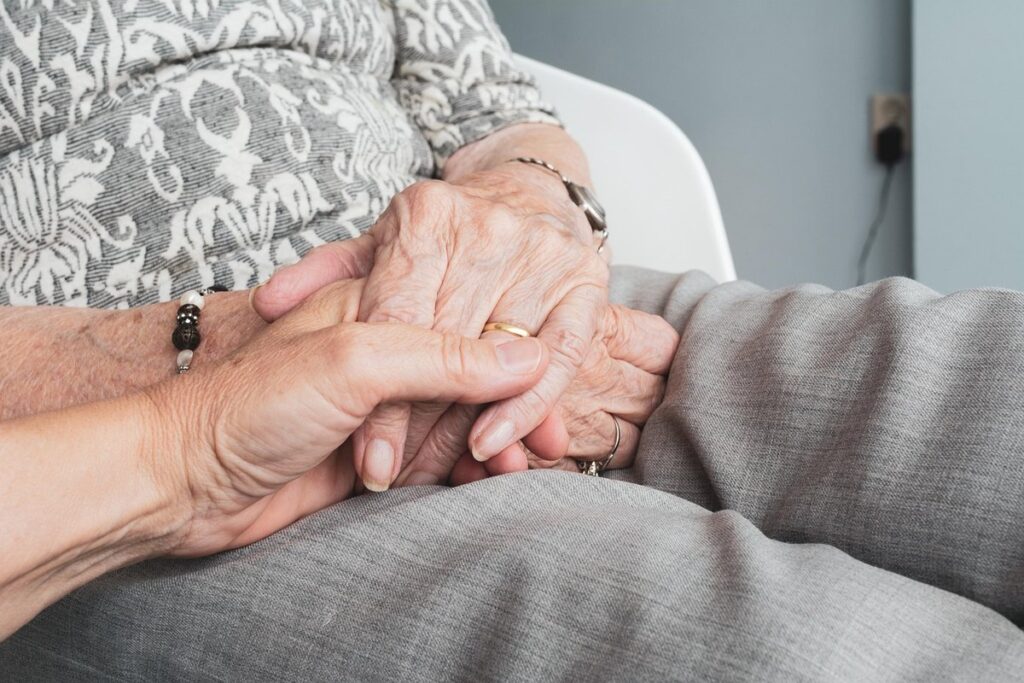
Many families struggle to balance their loved one’s changing needs with the demands of daily life, making senior home care a vital solution. This section explores why senior home care facilities are often the best choice for aging seniors and their families.
Introduction to Aging and Healthcare Challenges
The world’s population is rapidly aging, with people living longer than ever before. By 2050, it’s estimated that one in five Americans will be over the age of 65. This demographic shift creates an unprecedented demand for supportive living environments and care facilities. Healthcare costs are also on the rise, and institutions struggle to provide quality care while containing expenses.
Rising healthcare costs are driven by several factors: chronic diseases like diabetes and Alzheimer’s require ongoing management; hospital readmissions can be costly and inefficient; and advanced medical technologies are expensive to implement and maintain. In contrast, senior home care facilities focus on preventive care, early intervention, and community-based services that reduce the likelihood of hospitalization.
To adapt to these challenges, healthcare systems must prioritize supportive living environments that promote independence, social interaction, and ongoing skill-building. Senior home care facilities offer a holistic approach to aging in place, providing residents with the support they need to thrive while minimizing costs for families and taxpayers. By understanding the needs of an aging population, we can better address the pressing issues facing our healthcare systems today.
The Risks of Institutional Care
Institutional care, such as nursing homes, can have severe drawbacks for seniors. One significant risk is social isolation. Without regular interaction with family and friends, seniors in institutional care can become withdrawn and disconnected from the world outside their walls. In fact, studies show that seniors who live in long-term care facilities are more likely to experience depression and anxiety due to loneliness.
Another critical concern is the loss of autonomy. When living in an institution, seniors often have limited control over their daily routines, meals, and activities. This can be particularly distressing for individuals who value independence and self-sufficiency. To minimize this risk, families can explore senior home care facilities that prioritize individualized care plans and encourage residents to maintain as much autonomy as possible.
Infection and falls are also major concerns in institutional care settings. With multiple residents sharing close quarters, the risk of infection transmission increases significantly. Similarly, falls are a common hazard in nursing homes due to slippery floors, inadequate lighting, and equipment malfunctions. To mitigate these risks, families should look for senior home care facilities that have robust infection control measures and fall prevention strategies in place.
Benefits for Physical Health
Regular exercise and physical activity become increasingly important as we age, and senior home care facilities offer a range of programs designed to promote mobility and flexibility. These programs help seniors maintain their physical health and independence.
Preventing Hospital Readmissions
Senior home care facilities offer on-site medical care and monitoring services to prevent hospital readmissions. This proactive approach enables staff to identify potential health issues early on, allowing for timely interventions. For instance, skilled nurses can administer medications as prescribed by physicians, monitor vital signs, and provide wound care. Additionally, rehabilitation services are often available, including physical, occupational, and speech therapy.
This comprehensive care model helps prevent hospital readmissions in several ways: it reduces the risk of falls and injuries, decreases medication misuse, and promotes timely treatment of chronic conditions like diabetes and hypertension. By providing ongoing medical attention, senior home care facilities can also help residents manage complex health needs that might otherwise necessitate emergency hospital visits.
Some facilities may offer specialized programs or services to further reduce readmission rates, such as:
- Fall prevention training
- Medication management support
- Chronic disease management education
- Regular health assessments and screenings
By focusing on preventive care and early intervention, senior home care facilities can significantly decrease the likelihood of hospital readmissions and provide a safer, more stable environment for residents.
Nutritional Support and Weight Management
Proper nutrition plays a critical role in maintaining senior health. As we age, our bodies become less efficient at absorbing essential nutrients from food. This can lead to malnutrition, which is common among seniors living alone or with limited access to healthy meals. Inadequate nutrition can exacerbate existing health conditions and even contribute to weight loss, muscle wasting, and a weakened immune system.
Home care facilities address this issue by providing personalized meal planning tailored to each resident’s dietary needs. They work closely with registered dietitians to create customized menus that account for food allergies, sensitivities, and medical conditions such as diabetes or heart disease. Additionally, facility staff often assist residents with meal preparation, ensuring they receive the nutrition they require.
A well-planned diet is essential for maintaining weight, preventing falls, and supporting overall physical health in seniors. Home care facilities typically offer a range of nutritious meals, including fresh fruits and vegetables, lean proteins, whole grains, and healthy fats. By providing consistent access to wholesome food, these facilities help prevent malnutrition and support optimal senior health. Regular monitoring of residents’ weight and body mass index (BMI) also helps identify potential issues early on.
Benefits for Emotional Well-being
Living in a senior home care facility can have a profound impact on one’s emotional well-being, providing companionship and social interaction that is often lacking at home. This section will explore these benefits in greater detail.
Social Interaction and Companionship
Social interaction and companionship are essential for seniors’ emotional well-being. In senior home care facilities, staff often engage residents in activities that promote socialization, such as group games, art classes, or simply sharing meals together. These interactions help reduce loneliness and isolation, common issues among older adults.
Studies have shown that regular social interaction can lower stress levels, improve mood, and even alleviate symptoms of depression. In senior home care facilities, staff are trained to be attentive listeners, which helps build trust and rapport with residents. Many facilities also offer pet therapy programs, where animals visit regularly to provide affection and companionship.
Some facilities may organize group outings or excursions to local events, allowing residents to engage with their community. Others might have a resident ambassador program, where volunteers help facilitate social connections among residents. By prioritizing social interaction and companionship, senior home care facilities can create a welcoming environment that supports the emotional health of its residents.
Residents often form close bonds with staff members, who become like family to them. These relationships are essential for overall well-being and can even improve physical health by reducing stress levels.
Counseling Services and Mental Health Support
Many seniors face age-related mental health challenges, such as depression and anxiety. These conditions can be debilitating and affect daily life, relationships, and overall well-being. Senior home care facilities address these issues through counseling services and mental health support.
Some facilities have on-site therapists or counselors who provide one-on-one sessions to residents. Others may partner with external mental health professionals to offer group therapy sessions. Many facilities also provide activities and exercises designed to promote relaxation and stress relief, such as meditation classes or art therapy.
A key aspect of counseling services in senior home care is tailoring support to the individual’s needs. This might involve addressing specific grief or loss issues, managing chronic pain, or coping with cognitive decline. Facilities may also offer educational workshops on mental health topics, such as recognizing signs of depression and anxiety, building resilience, and developing healthy sleep habits.
Facilities may also incorporate non-traditional therapies like animal-assisted therapy (AAT) or music therapy to promote emotional well-being. These approaches can be especially beneficial for seniors who struggle with verbal communication or have difficulty opening up in traditional therapy settings.
Benefits for Family Caregivers
For family caregivers, senior home care facilities offer a much-needed break from caregiving responsibilities, allowing them to recharge and prioritize their own well-being. We’ll explore these benefits in more detail below.
Respite Care and Support Services
Senior home care facilities offer family caregivers a vital lifeline through their respite care and support services. These programs provide temporary relief from caregiving duties, allowing loved ones to recharge and attend to their own needs. Some facilities offer in-house respite care options, where the individual receives medical attention and assistance with daily tasks within the facility’s walls.
Other senior home care facilities partner with external providers to offer respite care services at an off-site location. This can be especially beneficial for family caregivers who need a break from their caregiving responsibilities but still want to maintain close proximity to their loved one. In these situations, the individual receives comprehensive care and support while the caregiver takes time for themselves.
Typical respite care services include assistance with daily activities such as bathing, dressing, and managing medications. Additionally, some facilities offer counseling services or social events designed to promote emotional well-being. By providing a supportive environment, senior home care facilities empower family caregivers to take a much-needed break while ensuring the individual’s safety and comfort.
Financial Benefits of Home Care
Home care facilities can provide significant financial benefits to families by reducing healthcare costs associated with caregiving. One major advantage is the avoidance of hospital readmissions, which can be costly and even life-threatening for seniors. By providing skilled medical care and monitoring at home, caregivers can help prevent unnecessary hospitalizations.
Additionally, home care facilities often offer transportation services to medical appointments, grocery shopping, and other essential tasks. This reduces the need for family members to take time off work or spend money on transportation costs. Moreover, many home care facilities provide meal planning and preparation services, which can be a significant expense for families caring for loved ones at home.
Families can also save money on equipment and supplies, such as walkers, wheelchairs, and medical devices, by having these needs met through the home care facility. Furthermore, many facilities offer respite care services, allowing family caregivers to take breaks from caregiving duties without incurring additional costs. By providing comprehensive support at an affordable price, home care facilities can be a cost-effective solution for families caring for seniors at home.
Types of Senior Home Care Facilities
There are several types of senior home care facilities, each offering unique benefits and living arrangements for seniors. Let’s take a closer look at some of these options to see which one might be right for your loved one.
Assisted Living Communities
Assisted living communities are a type of senior home care facility designed to support individuals who require assistance with daily living activities. These communities typically provide private living spaces for residents, as well as shared amenities and services. The primary benefit of assisted living is that it offers a more independent lifestyle than institutional care, while still providing the necessary support for daily tasks.
Assisted living communities usually offer assistance with bathing, dressing, and grooming, as well as medication management and monitoring. They also often provide meal preparation and snack options, which can be tailored to individual dietary needs. Many assisted living facilities have staff available 24/7 to address residents’ concerns or emergencies.
One key advantage of assisted living is that it allows seniors to maintain their autonomy while receiving support with daily tasks. This can help prevent feelings of isolation or loneliness, as well as reduce the risk of falls and other accidents associated with trying to manage complex care needs on one’s own.
Memory Care Units
Memory care units are specifically designed to support seniors living with Alzheimer’s disease or other forms of dementia. These specialized facilities provide a safe and structured environment that addresses the unique needs of individuals with cognitive impairments.
One key benefit of memory care units is the tailored approach to caregiving. Staff members undergo extensive training to understand the complexities of dementia, enabling them to develop personalized care plans for each resident. This might include medication management, behavioral support, and physical activity programs designed to slow disease progression.
A small number of residents typically live in a single memory care unit, allowing staff to provide highly individualized attention. For instance, an 80-bed facility might dedicate just 10-15 beds to its memory care program. This smaller setting fosters a sense of community among residents and provides caregivers with the ability to form strong relationships.
In addition to personalized care, many memory care units also offer amenities such as secure outdoor spaces, sensory stimulation programs, and opportunities for social interaction with other residents. By providing a supportive environment that caters to their specific needs, memory care units can help seniors living with dementia maintain their dignity and quality of life.
Choosing the Right Senior Home Care Facility
When selecting a senior home care facility, there are several factors to consider that will greatly impact your loved one’s quality of life and well-being. What should you look for in a facility?
Evaluating Quality and Accreditation
When evaluating quality and accreditation at a senior home care facility, look for certifications from reputable organizations. The Continuing Care Accreditation Commission (CCAC) is one such accrediting body that evaluates facilities based on their ability to provide a continuum of care that meets residents’ needs. This includes not only medical care but also social and emotional support.
You can find information about a facility’s CCAC accreditation by visiting the organization’s website or asking the facility directly. A facility with CCAC accreditation has demonstrated its commitment to quality care and is more likely to meet your loved one’s needs. In addition to CCAC, look for other certifications like state licensure, Medicare certification, and Joint Commission accreditation.
When researching a facility’s accreditation status, consider the following factors:
- What types of care does the facility offer, and are they accredited in those areas?
- Is the accreditation current, or has it lapsed?
- Are there any deficiencies or citations on record with the accrediting agency?
By considering these factors, you can make a more informed decision about which senior home care facility is right for your loved one.
Assessing Staff Qualifications and Training
When evaluating a senior home care facility, it’s crucial to assess the qualifications and training of its staff. This includes checking if caregivers have received specialized training for working with seniors, particularly those with dementia or Alzheimer’s disease. Look for facilities that require their staff to obtain certifications such as Certified Nursing Assistant (CNA) or Certified Dementia Practitioner (CDP). You can also ask about the facility’s approach to staff development and ongoing education.
Some questions to ask during your evaluation include:
• What training programs do you offer for new staff members?
• How often do caregivers receive updates on medication management, fall prevention, and other essential topics?
• Are there opportunities for advanced training or specialization within specific areas of care?
A well-trained staff is better equipped to provide tailored support that meets the unique needs of each resident. Look for facilities that prioritize ongoing education and professional development. For example, some may partner with local universities to offer courses or workshops on gerontology, nutrition, or other relevant topics.
Conclusion
In conclusion, senior home care facilities offer numerous benefits for seniors who require assistance with daily living activities. By providing a supportive and engaging environment, these facilities enable older adults to maintain their independence while receiving necessary care. The social interaction and sense of community within these facilities can help combat loneliness and isolation, which are common issues among seniors.
Ultimately, senior home care facilities provide peace of mind for families who may be worried about their loved one’s well-being. With 24/7 staff availability, regular medication management, and assistance with personal hygiene and grooming, families can rest assured that their seniors are receiving the care they need.
Frequently Asked Questions
What if my loved one is resistant to the idea of moving into a senior home care facility?
Yes, it’s common for seniors to be hesitant about transitioning to a new living environment. A good facility will have experienced staff who can help ease this transition by making visits and building trust with your loved one.
Can I still maintain some level of independence if my family chooses a senior home care facility?
Yes. Many facilities offer varying levels of support, so you can choose the amount that suits your needs. Some may also offer private apartments or suites for added comfort and autonomy.
How long does it typically take to find the right senior home care facility for our loved one’s specific needs?
The time frame can vary depending on factors like location and availability. However, with proper research and evaluation of facilities’ quality and accreditation, you can make an informed decision within a few weeks to a couple of months.
What if my family member has Alzheimer’s or another form of dementia – are there specialized facilities that cater to their needs?
Yes, memory care units are specifically designed for seniors with cognitive impairments. These units provide additional security features and tailored support services to help residents maintain their dignity and quality of life.