
Regular exercise can be a game-changer for seniors, improving mental health, reducing chronic disease risk, and promoting relaxation and flexibility. However, many seniors struggle to find low-impact activities that are tailored to their needs and abilities. This is where beginner workouts come in – designed specifically with seniors in mind, these exercises cater to physical limitations while still providing a great workout. You may be wondering where to start or how to create a routine that suits your lifestyle. Don’t worry, it’s easier than you think. In this article, we’ll explore the benefits of regular exercise for seniors and provide guidance on creating low-impact routines that promote overall health and well-being. By the end of this article, you’ll be equipped with the knowledge to start a personalized workout routine that brings balance and flexibility into your life.
Benefits of Exercise for Seniors
Regular exercise can have a profound impact on seniors’ physical and mental health, improving mobility and reducing the risk of chronic diseases. Let’s explore some of the key benefits that make regular activity so essential for seniors.
Reducing the Risk of Chronic Diseases
Regular physical activity has been shown to significantly lower the risk of chronic diseases in seniors. Exercise can reduce the likelihood of developing heart disease by improving cardiovascular health and blood flow. For example, a 30-minute brisk walk each day can help lower blood pressure and cholesterol levels.
Exercise also plays a crucial role in reducing the risk of diabetes. Regular physical activity helps to improve insulin sensitivity, allowing glucose to enter cells more efficiently. This can be achieved through aerobic exercises such as swimming or cycling, which are low-impact and gentle on joints.
In addition to heart disease and diabetes, regular exercise has been linked to a lower risk of certain types of cancer, including colon, breast, and uterine cancers. The exact mechanisms behind this link are not fully understood, but it is thought that exercise may help reduce inflammation and improve immune function.
To reap these benefits, seniors should aim for at least 150 minutes of moderate-intensity aerobic activity or 75 minutes of vigorous-intensity aerobic activity per week. It’s also essential to incorporate strength-training exercises into their routine, focusing on major muscle groups such as legs, hips, back, chest, and shoulders.
Improving Mental Health and Cognitive Function
Regular exercise has been shown to have a positive impact on both mental health and cognitive function in seniors. For those managing symptoms of depression and anxiety, physical activity can help alleviate feelings of loneliness and isolation, which are often exacerbated by age-related mobility issues. Exercise also triggers the release of endorphins, natural mood-boosters that can help regulate emotions.
In terms of cognitive function, exercise has been found to improve memory and concentration in seniors. This is thought to be due to increased blood flow to the brain, as well as the promotion of neuroplasticity – the brain’s ability to adapt and change in response to new experiences. By engaging in regular physical activity, seniors can reduce their risk of age-related cognitive decline and even dementia.
Aim for at least 30 minutes of moderate-intensity exercise per day, such as brisk walking or swimming, to experience these benefits. Consider incorporating activities that challenge your mind, like puzzles or learning a new skill, to further boost cognitive function. While it’s essential to consult with a healthcare professional before starting any new exercise routine, the potential mental and cognitive health benefits make regular physical activity an excellent addition to any senior’s lifestyle.
Safety Precautions for Senior Workouts
As you begin your senior workout journey, it’s essential to prioritize your safety and well-being by taking necessary precautions to prevent injuries. These simple guidelines will help you exercise smart and stay healthy.
Assessing Physical Ability and Limitations
When starting a new exercise program, it’s crucial to assess your physical ability and limitations, especially if you have pre-existing medical conditions or mobility issues. Consulting with a healthcare professional before beginning is essential for creating a safe and effective workout routine. This expert evaluation will help identify any potential risks or complications that could arise from certain activities.
A healthcare professional can assess your overall health, including any chronic conditions such as diabetes, heart disease, or arthritis, which may require specific exercise modifications. They’ll also evaluate your mobility and range of motion to determine the best exercises for your body. This assessment is particularly important if you have a history of falls, joint replacements, or other mobility-related issues.
To facilitate this process, consider scheduling a pre-exercise consultation with your healthcare provider. Bring a list of any medications you’re taking and share your current exercise habits (if applicable). During the appointment, ask questions about how to modify exercises for your specific needs and which activities are safe for you to engage in. This initial evaluation will set the foundation for a successful and injury-free workout experience. They can also recommend low-impact exercises that minimize strain on joints.
Choosing Low-Impact Activities
When choosing low-impact activities for senior workouts, it’s essential to focus on exercises that are gentle on joints and muscles. Swimming is an excellent option, as it provides a great cardiovascular workout without putting excessive strain on the body. Cycling, whether on a stationary bike or outdoors, is another suitable choice, allowing seniors to improve their leg strength and endurance while minimizing impact.
Tai chi, a low-impact martial art that emphasizes slow movements and deep breathing, is also an excellent option for seniors. This exercise not only improves balance and flexibility but also reduces stress and anxiety. Other low-impact activities include yoga, Pilates, and walking. These exercises can be modified to suit individual fitness levels and abilities.
When selecting a low-impact activity, consider the following factors:
- Your personal fitness goals: Do you want to improve cardiovascular health or increase strength?
- Your physical limitations: Can you handle high-intensity movements or do you need more gentle exercises?
- The availability of resources: Are there local classes or workout facilities that offer low-impact activities?
By choosing low-impact exercises, seniors can reduce the risk of injury and improve overall fitness while enjoying a sense of accomplishment and well-being.
Building a Beginner Workout Routine
Creating a workout routine as a beginner can be overwhelming, so let’s start with building a solid foundation of exercises that are tailored to your needs and fitness level. This section will cover the essential elements to include in your routine for a successful and safe starting point.
Understanding Your Fitness Goals
When starting a new exercise routine, it’s essential to identify what you want to achieve. Consider your current fitness level and health status. Are you looking to improve cardiovascular health by walking more regularly? Or do you aim to increase strength in your upper body through exercises like push-ups or arm raises? Perhaps your goal is to enhance flexibility and mobility by practicing yoga or Pilates.
Begin by thinking about specific, measurable objectives. For example, “I want to walk for 30 minutes without getting winded” or “I’ll do three sets of chair squats every other day.” Having clear goals in mind will help you create a workout routine that suits your needs and abilities. Consider consulting with a healthcare professional or fitness expert to determine the best exercises for your goals.
It’s also crucial to prioritize exercises that are accessible and enjoyable for seniors. Activities like swimming, cycling, or dancing can be great options for those who enjoy water-based or low-impact exercise. Ultimately, choose exercises that you look forward to doing, as this will help you stick to your routine and make progress toward your goals.
Creating a Balanced Workout Schedule
When creating a balanced workout schedule as a senior beginner, it’s essential to incorporate a mix of aerobic exercise, strength training, and stretching exercises. Aim for at least 150 minutes of moderate-intensity aerobic activity per week, such as brisk walking or swimming.
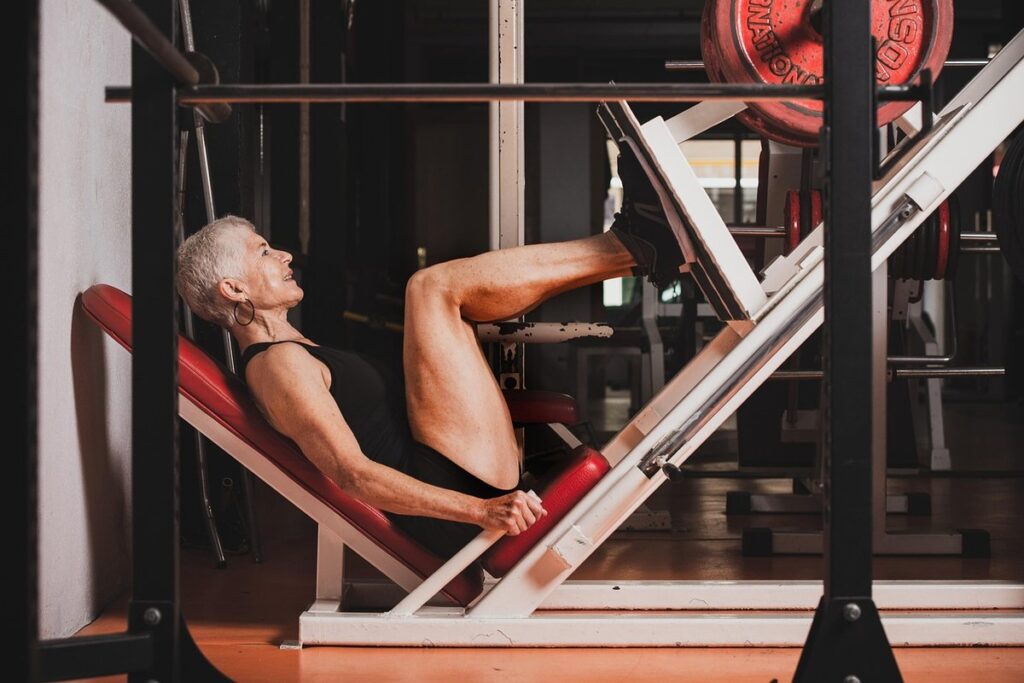
For strength training, focus on exercises that work multiple muscle groups at once, like squats, lunges, and leg press. Start with lighter weights and progress gradually to avoid overexertion. It’s also crucial to include exercises that target upper body muscles, including push-ups, shoulder presses, and bicep curls.
Stretching exercises should be done after each workout session to improve flexibility and prevent muscle strain. Hold each stretch for 15-30 seconds and focus on major muscle groups like hamstrings, quadriceps, and hip flexors. A simple example of a balanced schedule might look like this:
- Monday: Aerobic exercise (brisk walking or swimming) for 30 minutes
- Tuesday: Upper body strength training (push-ups, shoulder presses)
- Wednesday: Lower body strength training (squats, lunges)
- Thursday: Rest day or stretching exercises
- Friday: Aerobic exercise (brisk walking or swimming) for 30 minutes
- Saturday: Core strengthening exercises (planks, Russian twists)
Remember to listen to your body and adjust the schedule as needed.
Effective Warm-Ups and Cool-Downs for Seniors
When it comes to exercising safely, warm-ups and cool-downs are just as crucial as the workout itself. Let’s focus on simple yet effective routines that will help you ease into exercise sessions.
Importance of Proper Warm-Up Techniques
Proper warm-up techniques are essential to prevent muscle strain and injury during exercise. When you engage in physical activity without warming up properly, you’re putting yourself at risk of micro-tears in your muscles, tendons, and ligaments. This can lead to chronic pain, inflammation, and even long-term damage.
Gentle mobility exercises are an excellent way to warm up before a workout. These exercises help increase blood flow to the muscles, get your joints moving, and prepare your body for physical activity. Examples of gentle mobility exercises include arm circles, leg swings, and torso twists. Incorporate 5-10 minutes of these movements into your routine to get your body ready.
Dynamic stretches are also crucial in a warm-up routine. These stretches mimic the movements you’ll be performing during exercise, helping to prepare your muscles for the demands they’ll face. Focus on dynamic stretches that target the specific muscle groups you’ll be using during your workout. For example, if you’re going to do squats or lunges, warm up with leg swings and hip circles.
Incorporating both gentle mobility exercises and dynamic stretches into your warm-up routine can significantly reduce your risk of injury and make exercise more enjoyable.
Cooling Down After Exercise
Cooling down after exercise is a crucial step to ensure a safe and effective workout routine. When you exercise, especially as a senior, you put your muscles through physical stress. If you don’t allow them time to recover, muscle soreness can set in, making it difficult to move the next day.
Proper cooling down involves static stretches that target the specific muscle groups used during exercise. For example, if you’ve been doing leg exercises, focus on stretching your hamstrings, quadriceps, and hip flexors. Hold each stretch for 15-30 seconds and breathe deeply, feeling the muscles relax. You can also incorporate gentle movements like arm circles or torso twists to promote blood flow and flexibility.
Cooling down not only reduces muscle soreness but also helps improve flexibility and range of motion. This is especially important as we age, when joints may become stiffer due to decreased cartilage and synovial fluid. By incorporating cooling-down exercises into your routine, you can reduce the risk of injury and maintain optimal mobility. Aim for 5-10 minutes of gentle stretching after each workout to reap these benefits.
Common Mistakes to Avoid When Exercising as a Senior
As you begin your exercise journey, it’s essential to be aware of the common pitfalls that can lead to injury or burnout. Overestimating your physical abilities is one mistake many seniors make.
Ignoring Pain or Discomfort
Ignoring pain or discomfort during exercise is a common mistake made by seniors. Many believe that they must push through the ache or burning sensation to get the most out of their workout. However, this approach can lead to further injury and even more severe health problems.
The truth is that listening to your body and stopping exercise if you experience pain or discomfort is essential for safe and effective workouts as a senior. If you feel any unusual sensations, numbness, or tingling in your muscles or joints during or after exercise, stop immediately and consult with your doctor or healthcare provider.
Ignoring these warning signs can lead to overexertion, which can exacerbate underlying medical conditions such as arthritis, osteoporosis, or cardiovascular disease. It’s also essential to remember that pain is not always a normal part of exercise. If you experience sharp pains, numbness, or difficulty moving a joint after exercising, it may be a sign of an underlying issue.
To avoid ignoring pain or discomfort, pay attention to your body and adjust your workout routine accordingly. This might mean taking regular breaks, modifying exercises, or trying alternative low-impact activities that put less strain on your joints.
Overexertion and Injury Prevention
To avoid overexertion and potential injuries during exercise sessions, it’s essential to pace yourself. This means starting slowly and gradually increasing the intensity and duration of workouts. Listen to your body: if you experience pain or discomfort, stop immediately and consult with a healthcare professional.
Staying hydrated is also crucial. Seniors often have decreased thirst sensation, making dehydration more likely. Aim to drink at least 8-10 glasses of water per day, and take regular breaks during exercise sessions to grab a sip of water. A general rule of thumb is to drink water every 15-20 minutes.
Taking regular breaks can also help prevent overexertion. Try breaking up long workouts into shorter intervals with rest periods in between. For example, if you’re doing a 30-minute brisk walk, consider taking a 5-minute break halfway through to stretch and rehydrate. This not only reduces the risk of injury but also allows for more efficient calorie burn.
Here are some additional tips to help prevent overexertion:
- Warm up thoroughly before each exercise session
- Avoid high-impact activities like jumping or heavy lifting
- Focus on low-intensity exercises that promote flexibility and balance, such as yoga or tai chi
Additional Resources for Seniors
If you’re eager to continue improving your fitness, there are many additional resources available specifically designed for seniors, offering guidance and support along the way. From online communities to local classes, we’ve got you covered.
Finding Local Fitness Classes or Programs
When looking for local fitness classes or programs specifically designed for seniors, consider visiting websites like SilverSneakers, AARP Fitness, and Seniority. These platforms offer a range of exercise options, from yoga to dance-based workouts, that cater to older adults’ needs and abilities.
You can also search for senior-focused community centers or recreation departments in your area, which often provide low-cost or free fitness classes, as well as exercise programs tailored for seniors. Many YMCAs and local gyms offer senior-specific group fitness classes, such as chair yoga or water aerobics.
Before joining a class or program, it’s essential to research the instructor’s qualifications and experience working with seniors. Look for certifications like ACE (American Council on Exercise) or AFAA (Aerobics and Fitness Association of America), which indicate that the instructor has received training in teaching fitness classes for older adults.
Some senior-focused gyms also offer personal training services specifically designed for older adults, which can be a great option if you prefer one-on-one attention. Be sure to ask about their experience working with seniors and their approach to helping older adults achieve their fitness goals.
Hiring a Personal Trainer or Exercise Coach
Working with a personal trainer or exercise coach can be especially beneficial for seniors. These professionals can create customized workout plans tailored to individual needs and abilities. They can also provide guidance on proper form, technique, and safety precautions.
A good personal trainer or exercise coach will take the time to understand your medical history, fitness goals, and any physical limitations you may have. They’ll design a workout plan that’s realistic and achievable, taking into account factors like mobility, strength, and flexibility.
Some key things to look for in a personal trainer or exercise coach include:
- A certification from a reputable organization (e.g., ACE, NASM)
- Experience working with seniors or individuals with similar needs
- A focus on functional exercises that improve daily living skills, such as balance, mobility, and strength
When hiring a personal trainer or exercise coach, don’t be afraid to ask questions. What experience do they have working with seniors? How will they tailor the workout plan to your individual needs? Can they provide references or testimonials from previous clients? By doing your research and finding a qualified professional, you can ensure that your workouts are safe, effective, and enjoyable.
Frequently Asked Questions
Can I Start With Short Workouts and Gradually Increase Duration?
Yes, starting with shorter workouts (20-30 minutes) and gradually increasing duration is an excellent approach for seniors. This allows your body to adapt to new exercise routines while reducing the risk of burnout or overexertion.
What If I Have a Medical Condition That Prevents Me From Participating in Certain Exercises?
If you have a medical condition that limits your ability to participate in certain exercises, consult with your healthcare professional before modifying your routine. They can provide personalized recommendations and help you adapt low-impact activities to accommodate your needs.
How Do I Choose Between Group Fitness Classes and Personal Training for Seniors?
Choosing between group fitness classes and personal training depends on your personal preferences, schedule, and goals. Group classes offer social interaction and structure, while personal training provides tailored guidance and accountability. Consider trying both options to see what suits you best.
Can I Continue Exercising If I Experience Muscle Soreness After a Workout?
Yes, muscle soreness (delayed onset muscle soreness or DOMS) is common after starting new exercise routines, especially among seniors. While it’s essential to listen to your body and take rest days when needed, gentle stretching exercises and regular movement can help alleviate soreness and improve overall flexibility.
What If I Need Help Creating a Workout Schedule That Accommodates My Busy Lifestyle?
If you need assistance creating a workout schedule that fits your busy lifestyle, consider consulting with a personal trainer or healthcare professional. They can help you create realistic goals, prioritize essential exercises, and develop strategies to maintain consistency despite time constraints.