
A growing number of research studies suggest that the food we eat can play a significant role in reducing our risk of developing dementia. The evidence is clear: a balanced diet rich in omega-3 fatty acids, antioxidants, and fiber can help slow down cognitive decline and even improve cognitive function. This may sound like a straightforward message, but what exactly constitutes a “healthy” diet for people at risk of dementia or those already living with the condition? A Mediterranean-style eating pattern, characterized by high consumption of fruits, vegetables, whole grains, and healthy fats, has been shown to have neuroprotective effects. In this article, we’ll explore the best dietary strategies for dementia prevention and management, providing you with actionable advice on how to incorporate these beneficial nutrients into your diet to reduce your risk or support your loved one’s health.
Understanding the Link Between Diet and Dementia
Research has shown that a diet rich in certain nutrients may have a positive impact on brain health, potentially reducing the risk of dementia. This section explores those key nutritional connections.
The Role of Nutrition in Cognitive Health
A well-balanced diet plays a crucial role in maintaining cognitive function and reducing the risk of dementia. This is because certain nutrients have been shown to support brain health by protecting against oxidative stress, inflammation, and neuronal damage.
Key components of an anti-dementia diet include fruits, vegetables, whole grains, lean proteins, and healthy fats like omega-3 fatty acids found in fatty fish and nuts. A Mediterranean-style diet has been consistently associated with a lower risk of dementia due to its emphasis on these nutrient-rich food groups. For example, the MIND diet (Mediterranean-DASH Intervention for Neurodegenerative Delay) specifically recommends 10 servings of vegetables and fruits per day.
In contrast, diets high in processed meats, sugar, and saturated fats can have detrimental effects on cognitive function by promoting inflammation and oxidative stress. The American Heart Association recommends limiting daily sodium intake to less than 2,300 milligrams and avoiding trans fats altogether.
When planning meals for dementia prevention, aim to include a variety of colorful fruits and vegetables at every meal, and choose whole grains over refined carbohydrates whenever possible.
Key Nutrients and Their Impact on Dementia
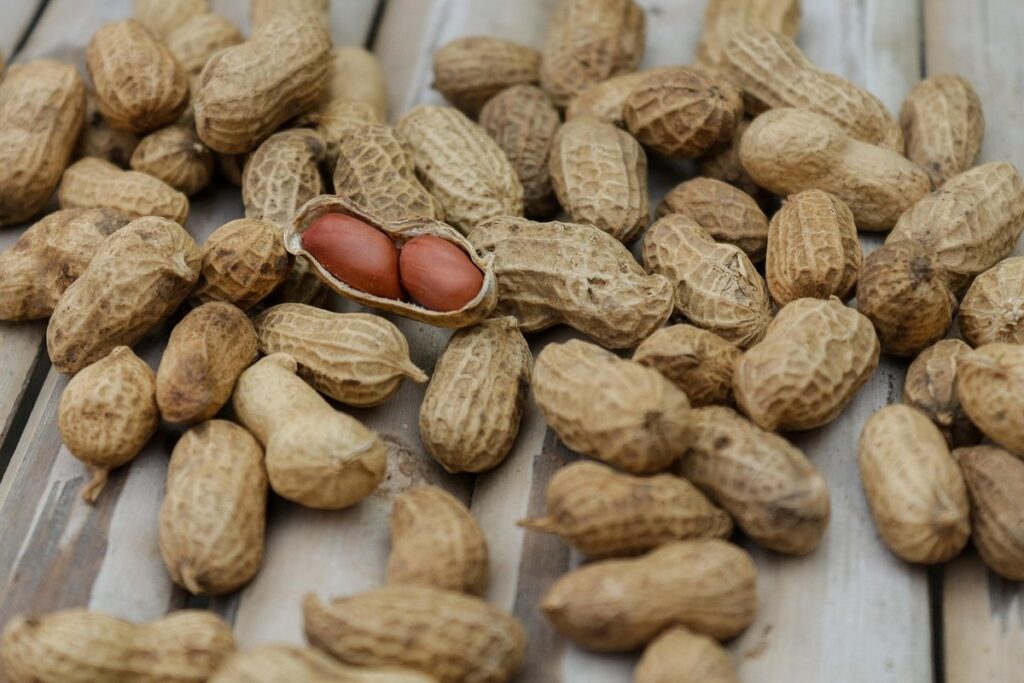
Omega-3 fatty acids have been consistently linked to improved brain health and reduced dementia risk. These essential nutrients are particularly abundant in fatty fish like salmon, sardines, and mackerel, as well as walnuts and chia seeds. Research suggests that a diet rich in omega-3s can help reduce inflammation in the brain, supporting healthy neural function.
Antioxidants also play a crucial role in protecting against dementia. Vitamins C and E, along with polyphenols found in berries, green tea, and dark chocolate, help neutralize free radicals that can damage brain cells. A Mediterranean-style diet, which emphasizes fruits, vegetables, whole grains, and healthy fats, is an effective way to increase antioxidant intake.
Magnesium, a mineral often deficient in older adults, has been shown to support cognitive function and reduce the risk of dementia. Dark leafy greens like spinach and kale, as well as nuts and seeds, are good sources of magnesium. Ensuring adequate intake through diet or supplements may help mitigate age-related cognitive decline.
Mediterranean Diet: A Promising Approach
One diet that has shown particular promise in reducing dementia risk is the Mediterranean diet, which emphasizes whole, plant-based foods and healthy fats. We’ll examine its key components and benefits.
Introduction to the Mediterranean Diet
The Mediterranean Diet has its roots in traditional Greek and Italian cuisine, where it was first recognized as a distinct eating pattern in the 1960s. Characterized by high consumption of olive oil, fruits, vegetables, whole grains, legumes, nuts, and seeds, this dietary approach has been extensively studied for its potential benefits on overall health.
Research suggests that adhering to the Mediterranean Diet may reduce the risk of age-related cognitive decline and dementia by up to 40%. The key components of this diet are thought to contribute to its protective effects. For instance, olive oil’s high levels of antioxidants help mitigate oxidative stress in the brain, while a rich intake of fruits and vegetables provides essential vitamins, minerals, and phytochemicals.
Incorporating Mediterranean Diet principles into your daily eating habits can be as simple as using olive oil as your primary source of fat, adding leafy greens to meals, or snacking on nuts and seeds. A small study found that people who followed a Mediterranean-style diet for just 12 weeks showed significant improvements in cognitive function compared to those on a standard Western diet.
How to Implement a Mediterranean-Style Diet
To implement a Mediterranean-style diet, start by planning your meals around whole grains, fresh fruits and vegetables, lean protein sources, and healthy fats. Incorporate more plant-based meals, such as salads, soups, and stews, which are easy to prepare and can be made in advance.
When shopping for groceries, focus on seasonal produce and buy extra to freeze or preserve. Consider a “shop once, cook twice” approach by preparing large batches of grains or legumes that can be used throughout the week. For example, cook a big pot of lentils or chickpeas on Sunday evening, then use them in different meals throughout the week.
When it comes to specific Mediterranean diet staples like olive oil and olives, try to find locally sourced options or purchase them in bulk to save money. Aim to have these items stocked in your pantry at all times so they’re easily accessible for quick meals or snacks. Consider meal prepping on the weekends or one day a week to make healthy eating easier during busy weekdays.
Low-Carb Diets: Potential Benefits and Drawbacks
Low-carb diets have gained popularity for their potential benefits on weight management, but what’s less clear is how they impact cognitive health. Some studies suggest a link between low-carb eating and reduced dementia risk, but there are also drawbacks to consider.
Exploring the Connection Between Carbohydrates and Dementia
High-carb diets may contribute to insulin resistance by causing a spike in blood sugar levels, which can lead to inflammation and oxidative stress. This inflammatory cascade has been linked to an increased risk of dementia, particularly Alzheimer’s disease. Research suggests that individuals with insulin resistance are more likely to develop cognitive decline.
Low-carb diets, on the other hand, have been shown to improve insulin sensitivity by reducing glucose intake and promoting the use of fat as a primary energy source. This can lead to a decrease in inflammation and oxidative stress, potentially mitigating the risk of dementia. A study published in the Journal of Alzheimer’s Disease found that low-carb diets significantly reduced cognitive decline in patients with mild cognitive impairment.
A key aspect of incorporating a low-carb diet for dementia prevention is understanding how different types of carbohydrates affect insulin levels. For instance, refined sugars and grains tend to cause a rapid spike in blood sugar, whereas fiber-rich whole foods like vegetables and fruits have a more gradual impact on glucose levels. By making informed choices about carbohydrate intake, individuals can potentially reduce their risk of developing dementia and improve overall cognitive function.
Examples of Low-Carb Diets for Dementia Prevention
Low-carb diets have been gaining attention for their potential benefits in preventing dementia. One approach is the ketogenic diet (keto), which involves drastically reducing carbohydrate intake and increasing fat consumption. Research has shown that following a keto diet can lead to significant improvements in cognitive function, particularly in individuals with Alzheimer’s disease. A 2018 case study published in the journal Nutrients found that a 62-year-old woman with early-stage dementia was able to reverse many of her symptoms after adopting a keto diet for six months.
Another popular low-carb approach is the paleo diet, which emphasizes whole, unprocessed foods and eliminates grains, dairy, and added sugars. Some proponents of the paleo diet claim that it can help reduce inflammation and promote brain health. While more research is needed to fully understand the benefits of the paleo diet for dementia prevention, some studies suggest that reducing insulin resistance through dietary changes may be a key factor in preventing cognitive decline.
A few well-known low-carb diets have been studied specifically in relation to dementia prevention, including Dr. Barry Sears’ anti-inflammatory diet and Dr. Mark Hyman’s Pegan diet.
Omega-3 Fatty Acids: A Key Nutrient for Brain Health
Omega-3 fatty acids play a crucial role in supporting brain function and have been shown to reduce inflammation that contributes to dementia. Consuming sufficient omega-3s is essential for maintaining cognitive health.
The Importance of Omega-3s in Cognitive Function
Omega-3 fatty acids play a crucial role in maintaining healthy brain function, particularly in supporting cognitive processes such as attention and memory. Among these essential fatty acids, docosahexaenoic acid (DHA) and eicosapentaenoic acid (EPA) are the most significant contributors to brain health.
Research has shown that DHA is highly concentrated in brain tissue and is involved in neuronal membrane fluidity, neurotransmitter function, and synaptic plasticity. EPA, on the other hand, has potent anti-inflammatory properties, which help protect against oxidative stress and neurodegeneration. A diet rich in both DHA and EPA has been associated with improved cognitive performance, particularly in older adults.
Including omega-3 rich foods such as fatty fish (salmon, sardines), flaxseeds, and walnuts in your diet can support brain health. Aim to consume at least 1-2 servings of fatty fish per week or consider supplementing with a high-quality omega-3 supplement after consulting with a healthcare professional. As dementia prevention strategies increasingly emphasize nutrition as a critical component, understanding the essential role of omega-3s in cognitive function is crucial for making informed dietary choices.
Food Sources and Supplementation Options
Fatty fish are among the richest sources of omega-3s, with salmon, sardines, mackerel, and anchovies standing out for their high levels of EPA and DHA. A serving size of just 3 ounces cooked can provide up to 1 gram of combined EPA and DHA. Other seafood options include oysters and crab, while walnuts and chia seeds are the primary plant-based sources.
For individuals struggling to get enough omega-3s through their diet alone, supplements may be necessary. Look for products that combine both EPA and DHA in a balanced ratio, ideally around 1:1 or slightly higher in favor of DHA. The National Institutes of Health recommend adults consume at least 250 milligrams combined EPA and DHA per day, although some research suggests benefits may not occur until levels reach 500-1000 milligrams daily.
When selecting an omega-3 supplement, consider the purity and sustainability of the fish oil used, as well as any certifications from organizations like the International Fish Oil Standards (IFOS) or the Global Organization for EPA and DHA Omega-3s (GOED). Be aware that high-quality supplements can vary significantly in price, so weigh the cost against your individual needs and health goals.
Green Tea, Turmeric, and Other Anti-Inflammatory Compounds
Certain compounds found in foods like green tea and turmeric have anti-inflammatory properties that may play a role in reducing dementia risk. We’ll examine their potential benefits and how to incorporate them into your diet.
The Potential Benefits of Anti-Inflammatory Agents
Research has shown that anti-inflammatory compounds, such as polyphenols and curcumin, may play a crucial role in reducing dementia risk and improving cognitive function. These substances have been found to mitigate inflammation in the brain, which is believed to contribute to neurodegenerative diseases like Alzheimer’s.
The potential benefits of anti-inflammatory agents can be attributed to their ability to inhibit pro-inflammatory enzymes and cytokines, which contribute to oxidative stress and neuronal damage. For instance, curcumin has been shown to suppress the production of beta-amyloid plaques, a hallmark of Alzheimer’s disease.
Incorporating anti-inflammatory compounds into your diet may be a practical way to reduce dementia risk. Green tea, for example, is rich in polyphenols and has been associated with improved cognitive function in several studies. Turmeric, another common spice, contains curcumin, which can be easily added to meals or taken as a supplement. A small amount of turmeric – typically around 1/2 teaspoon per day – may provide therapeutic benefits without adverse effects.
More research is needed to confirm the efficacy of anti-inflammatory compounds in preventing dementia. However, incorporating these substances into your diet may be a worthwhile addition to your overall prevention strategy.
Incorporating These Compounds into Your Diet
To incorporate these compounds into your diet, start by making green tea a daily habit. Brew a cup first thing in the morning and enjoy it with breakfast. You can also add turmeric to your meals by sprinkling it over vegetables or using it as a spice in cooking. Aim for 1/2 to 1 teaspoon of turmeric per serving.
Incorporate other anti-inflammatory foods like fatty fish, olive oil, and berries into your diet. For example, try adding salmon to your dinner menu twice a week or use olive oil instead of butter when cooking. Berries are easy to add to oatmeal, yogurt, or salads. Aim for at least two servings of berries per day.
When shopping, look for products that have been certified as organic or non-GMO. This ensures that the foods you’re consuming are free from pesticides and genetically modified organisms, which can trigger inflammation in the body. Consider consulting with a registered dietitian to create a personalized meal plan that incorporates these anti-inflammatory compounds. They can help you develop a tailored plan that suits your dietary needs and preferences.
Frequently Asked Questions: Addressing Common Concerns
We’ve had many of you ask us about specific concerns regarding diet and dementia, so we’re addressing some of the most common questions in this section. We’ll tackle each concern directly to provide clarity and guidance.
Can I Still Enjoy My Favorite Foods with Dementia?
When it comes to incorporating favorite foods into a dementia prevention diet, many people worry about doing more harm than good. The key is balance and moderation. You don’t have to completely give up your loved comfort foods, but it’s essential to understand how often you’re consuming them.
Let’s face it: pizza, burgers, and ice cream are typically high in unhealthy fats, sodium, and added sugars – all of which can exacerbate dementia risk factors like inflammation and insulin resistance. However, an occasional treat is unlikely to cause significant harm. A small serving size (think a slice of pizza or a few bites of ice cream) consumed 1-2 times per week is not likely to offset the benefits of a balanced diet.
To enjoy your favorite foods while still promoting brain health, focus on portion control and balance your indulgences with nutrient-dense meals. For example, if you’re having a high-calorie dinner, make sure to include plenty of fruits and vegetables at lunchtime. By making conscious choices about when and how often you indulge in less-than-ideal foods, you can maintain some enjoyment without sacrificing overall nutritional goals.
What About Supplements and Vitamins for Dementia Prevention?
Some people consider supplementing with vitamins and nutrients as a way to prevent dementia. However, research on this topic is often inconsistent and inconclusive. A 2018 meta-analysis published in the Journal of Alzheimer’s Disease found that vitamin D supplements had no significant effect on cognitive decline or dementia risk. While individual studies may suggest benefits from specific nutrients like omega-3 fatty acids or B vitamins, most evidence supports a balanced diet as the primary means of ensuring nutrient intake.
In reality, supplementing with high doses of certain nutrients can even pose risks. For instance, excessive vitamin E intake has been linked to increased mortality rates in older adults. Similarly, some supplements, such as ginkgo biloba or St. John’s Wort, may interact negatively with medications commonly prescribed for dementia patients. To minimize potential harm, consult a healthcare professional before adding any supplements to your regimen. Focus instead on developing a well-rounded diet rich in fruits, vegetables, whole grains, and lean protein sources – the foundation of a sound dementia prevention plan. Regular check-ups can also help ensure you’re getting essential nutrients from food rather than relying solely on supplements.
Frequently Asked Questions
How Can I Make Sure My Low-Carb Diet is Balanced for Dementia Prevention?
When following a low-carb diet, it’s essential to focus on nutrient-dense foods like vegetables, fruits, and healthy fats. Ensure you’re getting enough fiber from non-starchy vegetables, and consider consulting with a registered dietitian or healthcare professional to create a personalized meal plan.
Can I Use Supplements as a Replacement for a Mediterranean-Style Diet?
While certain supplements can provide some benefits, they should not be used as a replacement for a balanced Mediterranean-style diet. Focus on incorporating whole foods rich in omega-3s, antioxidants, and healthy fats into your meals to reap the most benefits.
What If I Have a History of Food Allergies or Intolerances? Can I Still Follow a Dementia Prevention Diet?
If you have food allergies or intolerances, it’s crucial to work with a healthcare professional to develop a personalized diet plan. Focus on incorporating nutrient-dense foods that are gentle on your system and explore alternative sources for essential nutrients.
How Do I Know If My Omega-3 Supplement is Effective in Reducing Dementia Risk?
When choosing an omega-3 supplement, look for products that contain both DHA and EPA. Aim to take 1000mg of combined DHA and EPA per day, and consider consulting with a healthcare professional to monitor your progress and adjust as needed.
Can I Use Green Tea Extract Instead of Drinking Green Tea Itself?
While green tea extract may provide some benefits, it’s essential to consume the entire tea leaf or drink brewed green tea to reap the full antioxidant effects. Consult with a healthcare professional before using supplements, especially if you’re concerned about interactions with medications or underlying health conditions.