
High blood pressure is a ticking time bomb for many older adults, silently damaging their bodies without any noticeable symptoms. Uncontrolled hypertension can lead to heart disease, stroke, and even kidney failure, making it essential for seniors to take control of their blood pressure. You may think that managing high blood pressure is only about medication, but the truth is that lifestyle modifications and alternative therapies can also be incredibly effective in bringing those numbers down. This article will explore the risks of uncontrolled hypertension, discuss how to manage blood pressure through diet, exercise, and stress reduction techniques, and provide an overview of the medications and alternative therapies available to older adults. By the end of this article, you’ll have a clear understanding of how to take control of your health and reduce your risk of developing serious complications from high blood pressure.
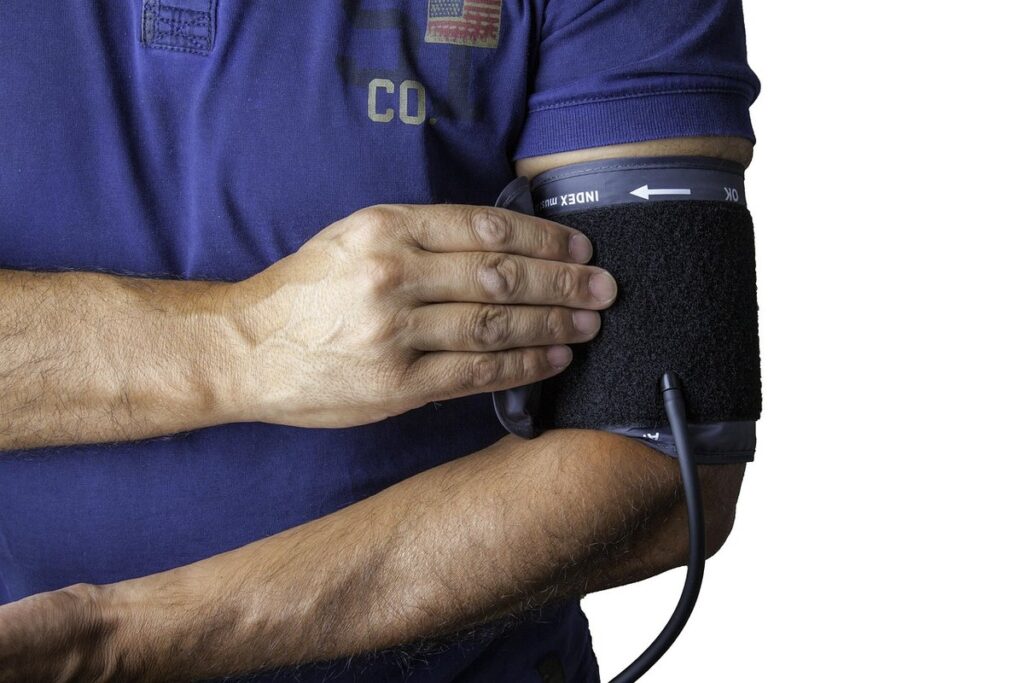
Normal vs High Blood Pressure in Aging
As we age, our blood pressure often changes, making it essential to understand what’s considered normal and how high blood pressure can impact older adults’ health. Let’s take a closer look at the differences between these two conditions.
Defining Hypertension in Seniors
Hypertension in seniors is a common and serious condition. According to the American Heart Association, approximately 75 million adults in the United States have high blood pressure, with nearly half of those aged 60 and older falling into this category. As people age, their blood vessels naturally lose some elasticity and flexibility, which can lead to increased blood pressure.
As we get older, our blood vessels undergo natural changes that affect blood pressure. Typically, systolic blood pressure increases with age due to decreased elasticity in the arteries, while diastolic pressure may remain relatively stable or decrease slightly. For instance, a person’s systolic pressure might increase from 120 mmHg at age 50 to over 140 mmHg by the time they reach 70.
The Centers for Disease Control and Prevention (CDC) emphasizes that hypertension is often asymptomatic in older adults, making regular blood pressure checks crucial for early detection. Since seniors are more likely to experience hypertension, it’s essential for them – and their healthcare providers – to be aware of these age-related changes in blood pressure.
Factors Contributing to High Blood Pressure in Old Age
Lifestyle factors play a significant role in contributing to high blood pressure in older adults. A diet rich in sodium and saturated fats can cause blood vessels to constrict, increasing blood pressure. Conversely, a Mediterranean-style diet that emphasizes fruits, vegetables, whole grains, and healthy fats has been shown to help lower blood pressure.
Regular exercise is also essential for maintaining healthy blood pressure. Aerobic activities like brisk walking, swimming, or cycling can help reduce systolic blood pressure by 3-10 mmHg. Resistance training exercises, such as weightlifting or bodyweight exercises, can also be beneficial in lowering blood pressure.
Medical conditions like kidney disease and sleep apnea can contribute to high blood pressure in seniors. Kidney disease can cause fluid buildup in the body, leading to increased blood pressure. Sleep apnea, a condition characterized by pauses in breathing during sleep, can disrupt normal blood pressure regulation. Certain medications, such as decongestants and some antidepressants, can also increase blood pressure.
Additionally, not getting enough sleep or having an irregular sleep schedule can contribute to high blood pressure. Staying hydrated by drinking plenty of water is essential, but excessive consumption of caffeine and alcohol can have negative effects on blood pressure.
Risks Associated with Uncontrolled Hypertension
Uncontrolled high blood pressure can lead to serious complications, including heart disease, kidney damage, and even cognitive decline. Let’s examine some of these potential risks in more detail.
Heart Disease and Stroke Risk
Uncontrolled hypertension significantly increases the risk of heart disease and stroke. When blood pressure remains high over time, it can cause damage to the arteries and heart muscle. This leads to atherosclerosis, where plaque builds up inside the artery walls, narrowing them and reducing blood flow to vital organs. As a result, the heart has to work harder to pump blood, leading to increased stress on the cardiovascular system.
The relationship between uncontrolled hypertension and cardiovascular disease is well-documented: high blood pressure is one of the primary risk factors for heart attack and stroke. According to the American Heart Association, more than 80% of adults with high blood pressure will also develop some form of cardiovascular disease if left untreated. Specifically, individuals with uncontrolled hypertension are at a higher risk of experiencing ischemic strokes, which occur when a blockage in an artery cuts off blood supply to part of the brain.
Maintaining healthy blood pressure levels through lifestyle modifications and medication can significantly reduce this risk. This includes following a balanced diet low in sodium and saturated fats, engaging in regular physical activity, managing stress levels, and quitting smoking if applicable. By taking proactive steps to control blood pressure, older adults can mitigate their risk of heart disease and stroke.
Cognitive Decline and Dementia Connection
Research has established a significant link between hypertension and an increased risk of cognitive decline and dementia in older adults. Studies have shown that high blood pressure can damage blood vessels in the brain, reducing blood flow to critical areas involved in memory and learning. This reduction in blood flow can lead to the degeneration of neurons and the formation of amyloid plaques, a hallmark of Alzheimer’s disease.
The underlying causes of this connection are not fully understood, but it is thought that chronic hypertension may contribute to inflammation and oxidative stress within the brain. These conditions can damage brain tissue and disrupt normal cognitive function. Additionally, high blood pressure has been linked to an increased risk of stroke, which is a major cause of dementia in older adults.
To mitigate this risk, maintaining optimal blood pressure levels through lifestyle modifications and medication, when necessary, is crucial. Regular exercise, a healthy diet, and stress management can all play a role in reducing the strain on blood vessels and promoting overall vascular health. By taking proactive steps to manage hypertension, older adults may be able to reduce their risk of cognitive decline and dementia.
Managing Blood Pressure in Older Adults
For many older adults, managing blood pressure requires a comprehensive approach that takes into account lifestyle changes and potential underlying health conditions. In this next part of our guide, we’ll explore strategies for achieving healthy blood pressure levels as you age.
Lifestyle Modifications for Better Control
Adopting a Mediterranean-style diet can be an effective way to manage blood pressure. This eating pattern emphasizes whole grains, fruits, vegetables, and healthy fats, such as those found in olive oil. Increasing potassium-rich foods like leafy greens, beans, and nuts can also help lower blood pressure by counteracting the effects of sodium.
Regular physical activity is another crucial lifestyle modification for seniors with hypertension. Aiming for at least 150 minutes of moderate-intensity aerobic exercise or 75 minutes of vigorous-intensity aerobic exercise per week can significantly contribute to blood pressure control. Additionally, incorporating strength training exercises into one’s routine can help improve overall cardiovascular health.
Stress reduction techniques, such as meditation and yoga, can also play a role in managing high blood pressure. These practices have been shown to decrease stress levels and promote relaxation, which is essential for maintaining healthy blood pressure readings. Finally, prioritizing good sleep hygiene practices, including establishing a consistent sleep schedule and avoiding caffeine before bedtime, can help regulate blood pressure.
Practicing mindful eating by savoring each bite and paying attention to hunger cues can also aid in weight management, as excess body weight is a significant risk factor for hypertension.
Medications and Alternative Therapies
When managing blood pressure in older adults, medications often play a crucial role. Commonly prescribed medications for hypertension include diuretics, beta blockers, and calcium channel blockers. Diuretics, such as hydrochlorothiazide (HCTZ), help the body remove excess fluid by increasing urine production. Beta blockers, like metoprolol, slow the heart rate to reduce blood pressure. Calcium channel blockers, including amlodipine, relax blood vessel walls to improve circulation.
While effective, these medications can have side effects and interact with other medications. For example, diuretics may cause dehydration or electrolyte imbalances, while beta blockers can exacerbate breathing difficulties in patients with asthma. Acupuncture is an alternative therapy that has shown promise in lowering blood pressure by stimulating specific points on the body to promote relaxation and balance.
Herbal supplements, such as omega-3 fatty acids and coenzyme Q10 (CoQ10), may also help reduce blood pressure. However, it’s essential to consult a healthcare provider before adding any new supplements or medications to your regimen, especially if you’re taking other prescription medications. This ensures safe interactions and optimal dosing. Be sure to discuss potential benefits and risks with your healthcare provider before making any changes to your treatment plan.
Monitoring Blood Pressure at Home
Monitoring blood pressure regularly can be a simple yet effective way for older adults to stay on top of their health, and it’s often easier than you think. With a few basic tools, you can start monitoring at home today.
Importance of Regular Readings
Regular blood pressure readings are crucial for older adults to manage their hypertension effectively. You should check your blood pressure at least once a day, preferably morning and evening, to monitor its fluctuations throughout the day. This regular monitoring allows you to identify patterns and make informed decisions about lifestyle changes or medication adjustments.
The American Heart Association recommends that people over 60 take their blood pressure readings regularly and track them in a logbook or mobile app. By keeping a record of your readings, you can quickly spot any unusual spikes or drops, which may indicate the need for medical attention. For instance, if your systolic reading exceeds 140 mmHg or diastolic reading surpasses 90 mmHg, consult with your healthcare provider.
In addition to tracking numbers, pay attention to other signs that may warrant a visit to the doctor. These include headaches, dizziness, or shortness of breath, which can be indicative of high blood pressure complications. By taking an active role in monitoring and managing your blood pressure, you can significantly reduce your risk of developing related health issues and maintain overall well-being.
Choosing the Right Equipment
When monitoring blood pressure at home, it’s essential to choose the right equipment. There are two primary types of blood pressure monitors: manual and automated. Manual monitors require you to take each reading manually by inflating a cuff around your upper arm, while automated monitors use advanced technology to take readings automatically.
Automated devices are often preferred for their convenience and accuracy. They can store multiple readings, track trends, and even sync with mobile apps for easy monitoring. Some popular types of automated monitors include wrist-based models, which can be more portable but may not provide as accurate results, and upper-arm monitors, which are generally considered the gold standard.
When selecting an automated monitor, consider factors such as ease of use, accuracy, and battery life. Look for devices that have been clinically validated to ensure they meet international standards. Additionally, check if the device can store data for at least 60 days, allowing you to track changes over time and share readings with your healthcare provider.
Common Complications and Consequences
As you work to manage your loved one’s blood pressure, it’s essential to be aware of potential complications that can arise if left uncontrolled. These complications can have a significant impact on their quality of life.
Kidney Damage and Nephropathy
Uncontrolled hypertension can have a devastating impact on an older adult’s kidneys. When blood pressure remains high over time, it can cause damage to the tiny blood vessels within the kidneys, leading to kidney disease and potentially even nephropathy – a condition where the kidneys lose their ability to function properly.
One of the earliest signs of kidney damage is blood in the urine, which may appear as a dark or tea-colored tint. Other symptoms include swelling in the legs, ankles, and feet due to fluid buildup, fatigue, and difficulty concentrating. In severe cases, nephropathy can lead to kidney failure, requiring dialysis or a transplant.
Treatment options for kidney damage caused by uncontrolled hypertension typically involve controlling blood pressure through medication and lifestyle modifications. The goal is often to reduce proteinuria – excess protein in the urine – which is a hallmark of kidney damage. A healthcare provider may prescribe medications that not only lower blood pressure but also help reduce proteinuria. In addition, older adults with kidney disease are advised to limit salt intake, stay hydrated by drinking plenty of water, and exercise regularly to maintain cardiovascular health.
Eye Damage and Vision Loss
High blood pressure can cause significant damage to the tiny blood vessels in the eyes, leading to vision loss and potentially even blindness. One potential complication is macular degeneration, a condition where the macula – the part of the retina responsible for central vision – deteriorates. This can result in distorted or blurred vision, making everyday activities like reading or driving increasingly difficult.
Uncontrolled hypertension can also cause fluid buildup in the eyes, leading to swelling and increased pressure on the optic nerve. In severe cases, this can lead to glaucoma, a condition where the optic nerve is damaged, causing permanent vision loss.
It’s essential for older adults with high blood pressure to be aware of these risks and work closely with their healthcare providers to manage their condition. Regular eye exams are crucial in detecting any potential issues early on, allowing for prompt treatment and minimizing the risk of long-term damage.
Supporting Seniors with Hypertension
When supporting seniors with hypertension, it’s essential to consider their unique needs and challenges, from managing medication to adapting daily routines. We’ll explore strategies for effective senior care in this section.
Role of Family and Caregivers
When caring for a senior loved one with hypertension, it’s essential to create a supportive environment that encourages healthy habits and medication adherence. Start by providing a healthy home environment that promotes relaxation and stress reduction – factors that can contribute to high blood pressure. This might involve decorating the living space with calming colors and reducing clutter, or establishing a daily routine that includes regular exercise and healthy meals.
Encourage lifestyle modifications by participating in activities with your loved one, such as walking or gardening. These low-impact exercises can help lower blood pressure while also providing social interaction and mental stimulation. You can also assist with meal planning and preparation to ensure they’re consuming a balanced diet rich in fruits, vegetables, and whole grains.
Assist with medication adherence by reminding your loved one to take their medication as prescribed and by tracking their progress. Some medications for hypertension need to be taken at specific times of the day or before meals, so it’s crucial to understand these requirements. You can also help them set reminders on their phone or calendar to stay on track. By providing a supportive network, you can play a vital role in helping your loved one manage their blood pressure and reduce their risk for related complications.
Healthcare Provider Guidance
Regular check-ups with healthcare providers play a vital role in managing blood pressure in older adults. These visits allow for ongoing monitoring of medication effectiveness, lifestyle adjustments, and any necessary changes to treatment plans. Healthcare providers can also identify potential complications or interactions between medications that may affect blood pressure.
During these check-ups, healthcare providers will typically review the senior’s medication list, discuss any changes or concerns about current treatments, and adjust dosages as needed. They will also assess the individual’s lifestyle habits, such as diet and exercise routines, to ensure they are aligned with recommended guidelines for managing high blood pressure. In some cases, healthcare providers may recommend additional testing, such as urine albumin-to-creatinine ratio (UACR) tests, to monitor kidney health.
To make the most of these visits, seniors should come prepared by keeping a log of their medication use and any symptoms they experience between appointments. This information can help healthcare providers refine treatment plans and provide more effective guidance on managing blood pressure. By maintaining open communication with healthcare providers, older adults can stay on top of their condition and reduce the risk of complications associated with uncontrolled hypertension.
Frequently Asked Questions
How often should I review and adjust my blood pressure management plan with my healthcare provider?
Reviewing your plan regularly is crucial to ensure you’re on the right track. Schedule annual check-ups or as needed, especially if you’ve made significant lifestyle changes. This will help your healthcare provider monitor progress and make adjustments to medications or therapy.
What if I’m experiencing kidney damage due to uncontrolled hypertension? Can I still use certain herbal supplements?
While herbal supplements may be beneficial in lowering blood pressure, it’s essential to consult with your healthcare provider before adding any new remedies. Certain herbs can interact with medications or worsen kidney damage, so prioritize caution and discuss alternatives that suit your needs.
How do I balance the need for regular exercise with potential mobility issues due to age-related conditions?
Find exercises that accommodate your physical limitations, such as chair yoga, swimming, or walking aids. Consult a healthcare professional to create a personalized plan that balances physical activity with your abilities. Even small steps can make a significant difference in blood pressure management.
Can I use alternative therapies like acupuncture alongside conventional medications for better results?
Acupuncture may be beneficial when used alongside conventional treatments under the guidance of a licensed practitioner. However, it’s crucial to inform your healthcare provider about any alternative therapies you’re using to ensure safe and effective treatment. Monitor your progress closely to adjust your approach as needed.
Is there an optimal time of day for taking blood pressure medications, considering their effects on sleep?
Medication timing may impact sleep quality, so experiment with different schedules under the guidance of your healthcare provider. Aim to take medications at a consistent time each day to minimize disruptions and maximize effectiveness in managing your blood pressure throughout the night.