
As we age, staying active and engaged becomes increasingly important. Indoor games offer an excellent way to combat chronic diseases, improve mental health, and foster social connections – all from the comfort of your own home. For seniors with mobility issues or disabilities, traditional outdoor activities may not be feasible, but that doesn’t mean they have to miss out on the fun. In this article, we’ll explore the benefits of indoor games for seniors, including reduced risk of chronic diseases and improved mental health. We’ll also delve into adapting games for seniors with disabilities and discuss essential safety tips to ensure a safe and enjoyable experience. By the end of this article, you’ll have a better understanding of how to incorporate fun and engaging indoor activities into your life, regardless of age or ability.
Benefits of Indoor Games for Seniors
Playing indoor games can have a significant impact on a senior’s physical and mental health, improving balance, strength, and cognitive function. Let’s explore some of these benefits in more detail.
Reduced Risk of Chronic Diseases
Regular physical activity is one of the most effective ways to prevent chronic diseases in seniors. As we age, our risk of developing conditions like heart disease, diabetes, and osteoporosis increases significantly. However, studies have shown that regular exercise can reduce this risk by as much as 30%. This is great news for seniors who want to stay healthy and active at home.
Indoor games are a fun and engaging way to get regular physical activity. For example, playing indoor bowling or using a balance board to play table tennis can help improve cardiovascular health, strength, and flexibility. Even simple activities like dancing or yoga can have a significant impact on overall fitness. What’s more, these games can be adapted to suit individual mobility levels, making them accessible for seniors with varying abilities.
To incorporate indoor games into your daily routine, start by choosing one that you enjoy and can stick to regularly. Invite friends over or join an online community to stay motivated. Begin with short sessions and gradually increase the duration as you become more comfortable. Remember, every bit counts, and even small amounts of physical activity can make a big difference in preventing chronic diseases.
Improved Mental Health
Playing indoor games with others is one of the most effective ways to alleviate symptoms of depression and anxiety. Social interaction is a critical component of mental health, and when we engage with others, our brains release endorphins, which are chemicals that improve our mood. Even simple activities like board games or card games can be a great way to connect with others.
Research has shown that mentally stimulating activities, such as puzzles, brain teasers, and strategy games, can also have a significant impact on mental health. Staying mentally engaged helps keep the mind active and focused, reducing stress and anxiety. For instance, engaging in games like Scrabble or chess requires critical thinking and problem-solving skills, which can help build confidence and self-esteem.
Try incorporating indoor games that promote social interaction and mental stimulation into your daily routine. Invite friends over for a game night, join an online gaming community, or try solo activities like crosswords or Sudoku puzzles. By doing so, you’ll not only have fun but also take steps towards maintaining good mental health.
Types of Indoor Games Suitable for Seniors
If you’re looking for new ways to stay active and engaged at home, consider these popular indoor games specifically designed for seniors. From board games to card games, there’s something for everyone.
Board Games and Card Games
Board games and card games are an excellent way for seniors to stay engaged and active at home. Classics like Scrabble, Bingo, and Dominos are easy to learn and can be played with minimal equipment. For instance, Scrabble is a great game that challenges the mind while promoting social interaction. To adapt this game for seniors with visual impairments, consider using large-print tiles or a digital version on a tablet.
Bingo is another popular game that’s simple to understand and play. It can be adapted for seniors with cognitive impairments by providing a simplified version of the game or using pre-marked cards. Dominos is also a great option as it requires strategy and problem-solving skills, making it mentally stimulating. To make these games more accessible, consider setting up a quiet playing area with comfortable seating and good lighting.
To get started, gather a group of friends or family members and choose a game that suits everyone’s interests. You can also join local senior centers or community groups that host indoor game sessions. Remember to adapt the rules and gameplay as needed to ensure everyone has fun and feels included.
Video Games for Seniors
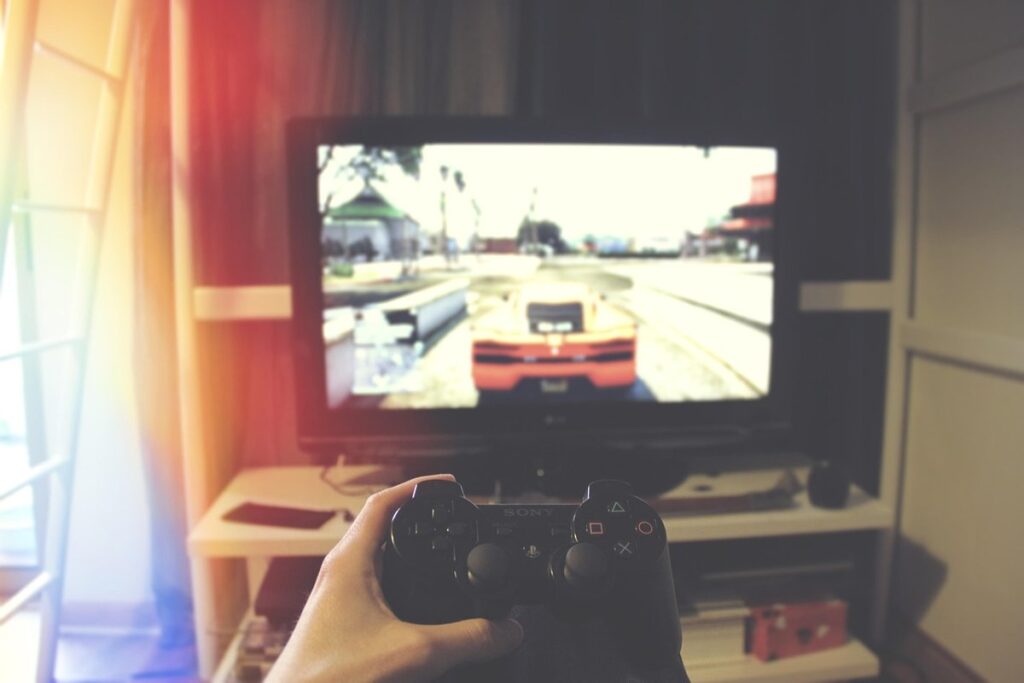
Video games have often been associated with younger generations, but they can also be an excellent way for seniors to stay active and engaged at home. In fact, playing video games can improve hand-eye coordination, a critical aspect of overall physical health that is particularly important as we age.
Cognitive function is another benefit of video gaming for seniors. Games like puzzles, brain teasers, and strategy-based titles challenge the mind and help keep it sharp. This can be especially beneficial in preventing or slowing down cognitive decline associated with aging. Popular video games like Tetris, Candy Crush, and Solitaire are great examples of these types of games.
For a senior looking to try video gaming for the first time, consider starting with console-based systems like Nintendo Switch or PlayStation 4. These devices offer user-friendly interfaces and an array of accessible games that cater specifically to seniors. For example, titles like Wii Sports Resort and Just Dance provide opportunities for physical activity while having fun.
Equipment-Free Indoor Games
You can have a blast playing indoor games without any equipment, and we’re excited to share some fun options that’ll keep you active and engaged at home. Let’s dive into these creative ideas!
Chair Yoga and Stretching
Chair yoga and stretching are excellent ways for seniors to maintain flexibility and mobility without requiring any equipment. To start, find a comfortable seated position with your feet flat on the floor and your back straight. You can use a chair with arms or a stool if needed.
Begin by gently rolling your shoulders forward and backward in a circular motion. Repeat this 5-7 times. Next, slowly tilt your head to the right, bringing your ear towards your shoulder, and hold for a few seconds before releasing. Do the same on the left side.
Stretch your arms out to your sides, keeping them straight, and then bring them back to your body, stretching your chest and shoulders. Hold each stretch for 10-15 seconds. Remember to breathe deeply and slowly while stretching. You can also try touching your toes or ankles if it feels comfortable.
Regular chair yoga and stretching exercises can help improve balance, reduce the risk of falls, and enhance overall physical function. Encourage seniors to practice these exercises at least 2-3 times a week for optimal benefits.
Balance Exercises
As we age, balance becomes increasingly important for preventing falls and maintaining independence. For seniors with mobility issues, balance exercises can be especially challenging due to limited strength, flexibility, or joint pain. However, incorporating simple balance exercises into daily routines can significantly improve stability and reduce the risk of falls.
To start, try standing on one foot while holding onto a sturdy chair or wall for support. Hold for 10-15 seconds, then switch feet. Gradually increase time as you build balance and confidence. Another exercise is to stand with your feet hip-width apart and eyes closed, focusing on your body’s center of gravity.
You can also practice walking along a straight line, placing the heel of one foot directly in front of the other without touching them. Take slow, deliberate steps, keeping your core engaged and weight evenly distributed between both feet. To make it more engaging, play music or incorporate small challenges like standing on a pillow or foam pad for added difficulty.
Remember to listen to your body and stop if you experience any discomfort or dizziness. Start with short sessions and gradually increase duration as you become more comfortable with these exercises. With consistent practice, balance will improve over time, making everyday activities safer and easier.
Adapting Indoor Games for Seniors with Disabilities
When it comes to seniors with disabilities, making indoor games accessible and enjoyable is crucial. We’ll explore simple adaptations to ensure everyone can participate and have fun together.
Assistive Technology Devices
When it comes to playing indoor games, seniors with disabilities may face unique challenges that can hinder their ability to participate. However, with the help of assistive technology devices, they can still enjoy a variety of games and activities from the comfort of their own homes.
Text-to-speech software is one such device that can make a significant difference for seniors with visual impairments or dyslexia. This software converts written text into spoken words, allowing them to read game instructions, rules, or even chat with fellow players in real-time. For example, popular games like Scrabble and Chess have adapted versions that use text-to-speech technology, making it easier for visually impaired seniors to participate.
Large-button keyboards are another assistive device that can benefit seniors with dexterity issues or arthritis. These specialized keyboards feature larger buttons that are easy to press, reducing strain on the hands and fingers. Many gaming consoles and devices also offer customizable button layouts and accessibility settings, which can be tailored to individual needs.
By incorporating these assistive technology devices into their indoor games, seniors with disabilities can feel more included and empowered to participate in activities they enjoy.
Accommodating Visual Impairments
Adapting indoor games for seniors with visual impairments can be achieved through simple modifications to board and card games, as well as leveraging accessibility features in popular video games. For board games like Scrabble, Chess, or Checkers, consider using large print versions of the game pieces and boards, or even tactile graphics for visually impaired players. Card games such as Poker or Bridge can be adapted by using Braille cards or enlarged card faces.
Video games offer a range of accessibility features that can benefit seniors with visual impairments. Many popular titles, including Minecraft, The Sims, and Civilization VI, include options for text-to-speech functionality, high contrast display settings, and colorblind mode. Some games also allow customization of audio cues and visual notifications to assist players with limited vision.
To get started, explore the accessibility features built into your video game console or PC. For example, the Xbox One has a built-in narrator that can read out on-screen text, while PlayStation 4 offers a range of accessibility settings in its “Accessibility” menu. By leveraging these features and modifying board and card games, seniors with visual impairments can fully engage with indoor games from the comfort of their own homes.
Safety Precautions and Tips
When playing indoor games, it’s essential to take some simple precautions to ensure a safe and enjoyable experience. Follow these guidelines to minimize risks and maximize fun!
Preventing Injuries
When engaging in indoor games as a senior, it’s essential to prioritize safety to avoid injuries that can set you back from enjoying these activities. Falls and strains are common concerns for seniors playing indoors, often caused by uneven flooring, inadequate lighting, or overexertion.
To prevent falls, ensure the game area is well-lit, clear of clutter, and free from tripping hazards. Consider using non-slip mats or rugs in areas prone to moisture, such as kitchens or bathrooms. Regularly inspect your home for any potential hazards and make adjustments accordingly.
Strains can be prevented by warming up before playing, especially if you have pre-existing joint issues. Start with gentle stretching exercises and gradually increase the intensity of your movements. Listen to your body and take regular breaks to avoid overexertion. By taking these precautions, you can enjoy indoor games while minimizing the risk of injury.
Encouraging Social Interaction
Social interaction is crucial for seniors’ mental health and well-being. As people age, social isolation can become a significant concern, leading to depression, anxiety, and even physical decline. Indoor games provide an excellent opportunity to combat this issue while having fun.
To encourage social interaction during indoor games, consider hosting game nights with family and friends. Invite neighbors or fellow seniors from your community to join in. You can also set up online gaming communities for those who prefer a more virtual experience. Websites like Boomers With a Twist or Silver Sneakers offer various games and activities that cater specifically to seniors.
When organizing game nights, choose games that promote social interaction, such as board games, card games, or even video games with multiplayer options. Some examples include Scrabble, Bingo, or online versions of popular games like chess or bridge. Make sure to create a welcoming atmosphere by providing snacks and refreshments, and encourage everyone to participate and engage with each other.
By incorporating social interaction into indoor games, you can help combat loneliness and isolation while maintaining an active and engaged lifestyle.
Conclusion
In conclusion, incorporating indoor games into your daily routine can have a significant impact on your overall physical and mental well-being as a senior. By engaging in activities like board games, card games, or video games, you can stay mentally sharp, socialize with family and friends, and even improve your cognitive function. Additionally, many of these games are low-impact, making them perfect for seniors who may have mobility issues. To get started, consider asking a family member or caregiver to help set up a gaming station in your home, complete with comfortable seating and easy-to-use equipment.
By making indoor games a regular part of your routine, you can stay active, engaged, and connected, even if leaving the house becomes more challenging.
Frequently Asked Questions
What are some easy ways to get started with indoor games for seniors, especially those who have never played before?
If you’re new to indoor games or haven’t played in a while, start by choosing low-impact activities like chair yoga, stretching, or board games. These exercises can help improve flexibility and balance without putting excessive strain on your joints. You can also consult with a healthcare professional or fitness expert to create a personalized exercise plan tailored to your needs.
How do I adapt indoor games for seniors with disabilities, such as those using wheelchairs or walkers?
When adapting indoor games for seniors with disabilities, consider the individual’s mobility and dexterity limitations. For example, you can use assistive technology devices like mouth-operated controllers for video games or modify board games to accommodate visual impairments. It’s also essential to prioritize safety by clearing walkways and ensuring emergency exits are accessible.
Can indoor games be a suitable alternative to outdoor activities, even for seniors with mobility issues?
Yes, indoor games can be an excellent substitute for outdoor activities, especially for those with mobility issues or disabilities. By incorporating equipment-free exercises like chair yoga or balance exercises, you can maintain physical activity levels and social interaction without putting excessive strain on your joints.
What are some safety precautions I should take when introducing indoor games to seniors?
When introducing indoor games to seniors, prioritize their safety by clearing walkways, ensuring proper lighting, and removing tripping hazards. It’s also crucial to monitor the senior’s physical exertion levels and adjust activities accordingly. Encourage them to take regular breaks to prevent fatigue and maintain hydration.
How can I encourage social interaction among seniors through indoor games?
To foster social connections among seniors through indoor games, consider hosting group sessions or team-based activities like board games or video games. You can also create opportunities for sharing experiences and engaging in conversations by incorporating storytelling exercises or discussion topics related to the game’s theme.