
As we age, mobility can become a significant challenge. Simple tasks like walking around the house or grocery shopping can suddenly feel daunting, affecting not just our physical well-being but also our emotional state. This is where walkers come in – a practical solution to regain independence and confidence. But with so many types of walkers available, choosing the right one can be overwhelming. In this article, we’ll guide you through the world of mobility aids, exploring the benefits of using a walker for seniors, and providing expert advice on selecting the perfect walking aid. We’ll cover various types of walkers, essential safety features to look out for, and some valuable accessories that can enhance your experience. By the end of this article, you’ll be equipped with the knowledge to make an informed decision about walkers for aged care.
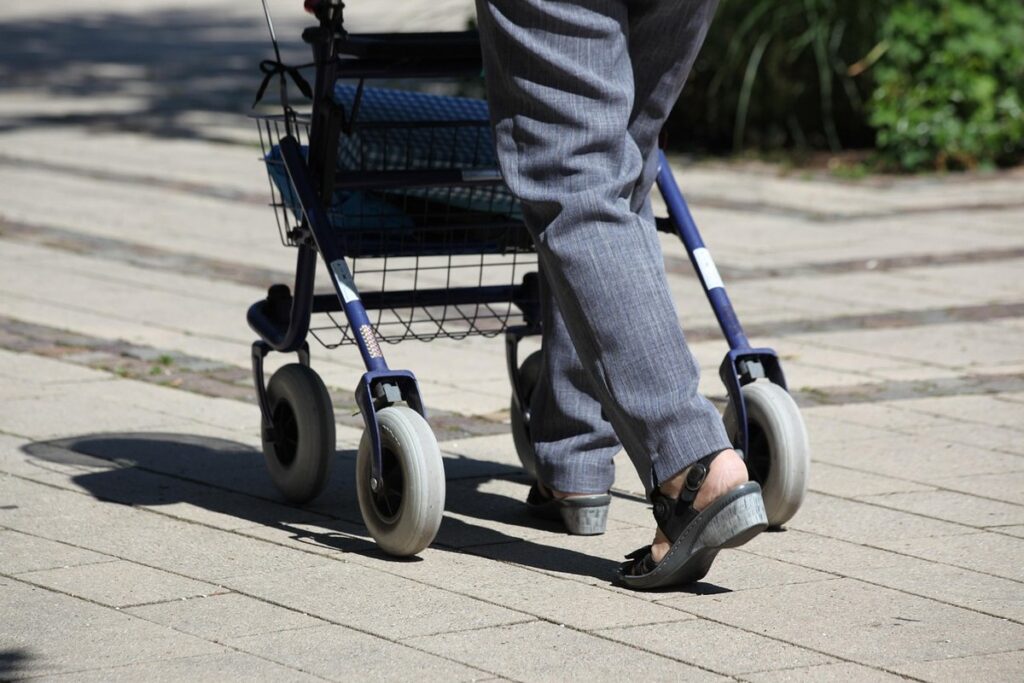
Benefits and Importance of Using a Walker
Using a walker can significantly improve your mobility, balance, and overall quality of life, allowing you to maintain independence as you age. In this section, we’ll explore these benefits in more detail.
Physical Health Benefits of Walking with Support
When you use a walker to get around, you may be surprised at just how much it can improve your physical health. One of the most significant benefits is increased mobility. With a walker, you’re able to move around more easily and safely, which means you can continue doing things that bring you joy, like visiting with friends or gardening.
Studies have shown that using a walker can reduce the risk of falls by as much as 50%. Falls are a major concern for older adults, and they can lead to serious injuries, including broken bones and head trauma. By using a walker, you’re able to steady yourself and catch your balance if you need to, which reduces your chances of taking a tumble.
In addition to reducing the risk of falls, walking with support can also help improve cardiovascular health, strengthen muscles, and boost bone density. This is because walkers allow you to move around more freely, which gets your heart rate up and challenges your body in a healthy way. By incorporating regular walks into your daily routine, you may be able to reduce your blood pressure, lower your cholesterol levels, and even manage chronic pain.
Emotional Well-being and Independence
Using a walker can have a profound impact on one’s emotional well-being and independence. For many seniors, mobility aids like walkers are not just about getting around the house safely; they’re also about maintaining their mental health. When individuals with mobility issues rely solely on family members or caregivers for assistance, it can lead to feelings of guilt, shame, and anxiety.
Using a walker, on the other hand, can help reduce stress and anxiety by giving seniors a sense of control over their environment. With a walker, they can move around freely, participate in activities they enjoy, and maintain their independence. This is especially important for those who value their autonomy and don’t want to become too reliant on others.
To make the most of using a walker for emotional well-being, it’s essential to choose a model that fits comfortably and suits your needs. Consider consulting with an occupational therapist or healthcare professional to determine the best features and design for you.
Types of Walkers for Aged
As you consider the perfect mobility aid, it’s essential to know that there are several types of walkers designed specifically to meet the needs of seniors with varying mobility and health requirements. Let’s take a closer look at these options.
Standard Walkers: Design and Features
Standard walkers are one of the most common types of mobility aids available for seniors. They come with a simple yet effective design that provides support and stability for individuals who struggle to walk independently. One of the key features of standard walkers is their adjustable height settings, which allow users to customize the walker to fit their specific needs. This feature is especially important as people age, as it accommodates changes in posture or mobility.
Standard walkers typically have a wide base and four legs, providing excellent stability on various surfaces. The wide base helps to prevent tipping over, while the four legs offer additional support for users who need it. Some standard walkers also come with features such as padded handles, which can help reduce fatigue and discomfort during use. When choosing a standard walker, consider factors like weight capacity, foldability, and ease of assembly to ensure that you find one that meets your needs.
It’s essential to select a walker that is sturdy enough to support your weight while also being lightweight and easy to maneuver.
Folding Walkers: Portability and Storage Considerations
Folding walkers are a popular choice for elderly individuals due to their ease of transportation and storage. These walkers can be folded down into compact sizes, making them ideal for travel or when space is limited at home.
One of the primary benefits of folding walkers is their portability. They can be easily disassembled and packed into a car or suitcase, allowing users to take them on trips without worrying about transportation logistics. However, this convenience comes with some drawbacks. Folding walkers often have smaller weight capacities and may not provide as much support as fixed walkers.
When considering a folding walker, it’s essential to assess your storage space requirements. If you live in a small apartment or have limited closet space, a compact folding walker might be the perfect solution. On the other hand, if you need a more robust walker with greater weight capacity, a fixed walker may be a better option.
When choosing a folding walker, consider the type of terrain you’ll be navigating and the amount of support you require. If you plan to use your walker for daily tasks around the house, a compact model with smaller wheels might suffice. However, if you need to traverse uneven outdoor surfaces or navigate stairs, look for a folding walker with larger wheels and a sturdy frame.
Factors to Consider When Choosing a Walker
When selecting a walker, there are several key factors you should consider, including durability, adjustability, and weight capacity, which can greatly impact your safety.
Safety Features and Stability Requirements
When selecting a walker for an elderly individual, safety features and stability are of utmost importance. Look for walkers with non-slip feet to prevent accidents caused by slipping or sliding on smooth floors. These non-slip feet can be made of rubber or other materials that provide extra traction.
A sturdy frame is also crucial in ensuring the walker’s stability. Check if the frame is made of durable materials such as aluminum, steel, or carbon fiber. A heavier frame might offer more stability but may be difficult to maneuver.
Secure locking mechanisms are essential for preventing the walker from collapsing while in use. Some walkers have a flip-down seat that can serve as a support when needed, but this feature should not compromise the walker’s stability.
Consider purchasing a walker with adjustable height settings and a comfortable, padded handgrip. This allows the user to customize the walker to their height and provide extra support during use.
Durability and Maintenance Needs
When it comes to choosing a walker for an aged loved one, durability and maintenance needs are crucial factors to consider. A well-made walker can withstand the rigors of daily use and provide reliable support, while a flimsy or poorly constructed one may break down easily, leading to inconvenience and even safety hazards.
Look for walkers made from sturdy materials such as aluminum, steel, or fiberglass, which offer excellent strength-to-weight ratios. Avoid walkers with loose parts, wobbly legs, or rusty joints – these are red flags indicating a potential breakdown waiting to happen.
To maintain your walker’s condition, check the manufacturer’s guidelines on cleaning and lubricating moving parts. Regularly inspect the walker for signs of wear and tear, such as scratches, dents, or loose screws. Replace worn-out parts promptly to prevent accidents.
For example, consider a walker with removable arms and legs for easy cleaning under the components. Some walkers also come with replaceable tips or glides, which can be swapped out when they become worn down. By prioritizing durability and maintenance needs, you can ensure your loved one’s walker remains reliable and safe to use.
How to Use a Walker Effectively
Using your walker correctly is crucial for maintaining mobility and preventing injuries; here, we’ll walk you through essential tips to get you started safely.
Proper Fitting and Adjusting
Properly fitting and adjusting your walker is crucial for comfortable use. Before using your walker, make sure to adjust the height to fit your body. Stand over the walker with your hands on the handles and your feet shoulder-width apart. The walker should support your weight evenly, with your knees slightly bent.
To adjust the height, most walkers have a telescoping mechanism that allows you to extend or retract the legs. Refer to your user manual for specific instructions on how to do this. Typically, you’ll need to turn a knob or lever to release the lock and then slide the leg in or out until it clicks into place.
It’s also essential to ensure the handles are at a comfortable height for you. The handles should be at a 90-degree angle to your body, with your elbows slightly bent. If the handles are too high or too low, adjust them accordingly by sliding the handle up or down on the walker’s frame.
Navigation and Transportation Tips
When using a walker, navigating different surfaces can be challenging. However, with some practice and awareness of your surroundings, you can safely move around various terrain types.
For instance, if you need to go up or down stairs with your walker, consider the following tips: Always face the stairs when ascending or descending, never walk sideways or backwards on stairs, and use the handrails for support. If possible, try using a stairlift, which is designed specifically for mobility aid users like yourself.
When it comes to uneven terrain, such as rough sidewalks or gravel paths, exercise caution by leaning forward slightly while holding onto your walker for balance. To ensure stability on slopes, place your walker closer to the side of the slope opposite from where you’re walking.
Additionally, always check the surface before proceeding with your walker. If it’s slippery or uneven, consider alternative routes that are safer and more accessible.
Accessories and Additional Features
Let’s take a closer look at some of the accessories and additional features that can enhance your walker experience, making it more comfortable and convenient for you. From baskets to seats, we’ll explore what’s available.
Tray and Basket Attachments
When using a walker as a mobility aid, it’s essential to consider additional features that can make walking easier and more convenient. One such feature is the tray and basket attachments. These attachments allow you to carry essentials while walking, reducing the need for frequent stops to pick up items.
A tray attachment provides a flat surface for holding small items like medication, keys, or phone, keeping them within easy reach. This is particularly useful for those with limited dexterity or difficulty carrying multiple items. On the other hand, basket attachments are ideal for carrying larger items like groceries, mail, or personal care items.
The benefits of tray and basket attachments extend beyond convenience; they can also promote independence and confidence while walking. By having essential items within easy reach, users can continue to engage in daily activities without relying on others for assistance. When selecting a walker with a tray or basket attachment, consider the size and type of items you need to carry regularly. This will ensure that you choose an attachment that meets your needs and provides maximum functionality.
Walker with Seat Options
When it comes to walkers for aged individuals, one crucial aspect to consider is the presence of a built-in seat. A walker with a seat provides a much-needed resting place during long walks, allowing users to take breaks and recharge their energy levels.
This feature is particularly beneficial for older adults who may have difficulty walking long distances without needing a break. A seated walker allows them to rest while still maintaining stability and support, reducing the risk of falls and injuries. Additionally, it provides an opportunity to reposition themselves and redistribute their weight more comfortably.
When selecting a walker with a seat, consider the design and comfort features that will best meet your needs. Look for a seat with good cushioning and back support, as well as adjustable armrests to ensure proper positioning. Some walkers even come with foldable seats or removable cushions for added convenience. By choosing a walker with a built-in seat, you can enjoy longer walks while maintaining comfort and mobility.
Maintenance and Care for Your Walker
To keep your walker in great working condition, it’s essential to establish a regular maintenance routine that includes cleaning and storing it properly. Proper care will ensure years of reliable use.
Cleaning and Sanitizing Protocols
Regular cleaning and sanitizing of your walker is crucial to prevent bacterial growth and maintain its effectiveness as a mobility aid. To keep your walker clean, it’s recommended to wipe it down with a damp cloth at least once a week, paying special attention to the handle grips, seat, and footrest.
Use a mild soap or detergent specifically designed for cleaning medical equipment, and avoid using harsh chemicals that can damage the materials. Rinse the cloth thoroughly to remove any soap residue, and then dry the walker with a clean towel. This will help prevent rust and corrosion on metal walkers.
It’s also essential to disinfect your walker after each use, especially if you’ve been in contact with bodily fluids or have used it in a bathroom or kitchen. You can use a hospital-grade disinfectant spray or wipes, following the manufacturer’s instructions. Be sure to let the disinfectant sit for the recommended time before wiping it down.
Remember to always check your walker’s manual for specific cleaning and maintenance instructions, as different materials may require special care.
Storage and Transportation Tips
When you’re not using your walker, it’s essential to store and transport it safely to prevent damage and maintain its longevity. First, choose a dry place to store the walker, away from direct sunlight and moisture, which can cause rust or corrosion.
To avoid scratches and dents, use a soft cloth or foam to cover the walker when storing it. You can also invest in a storage bag or case specifically designed for walkers, which will protect the frame and wheels.
When transporting your walker, consider investing in a carrying strap or handle that makes it easier to lift and move around. This is especially helpful if you have to navigate stairs or uneven terrain. If possible, transport the walker upright to prevent damage to the wheels and frame.
Remember to clean your walker thoroughly before storing it to remove dirt, dust, and other debris that may accumulate over time. By following these simple storage and transportation tips, you can ensure your walker remains in good condition and continues to provide reliable support when you need it most.
Frequently Asked Questions
Can I use a walker on uneven or slippery surfaces?
No, it’s essential to choose walkers designed for indoor or outdoor use, depending on your needs. For example, if you plan to use the walker on uneven outdoor terrain, look for one with wider wheels and a sturdy frame. Always assess your walking environment to ensure the walker can handle the conditions.
How often should I inspect and maintain my walker?
Regular maintenance is crucial to ensure your walker remains safe and functional. Check your walker every 1-2 months for loose parts, worn-out tires, or damaged frames. Clean it regularly with soap and water, and dry it thoroughly to prevent rust.
Can I use a walker in areas with narrow corridors or doorways?
Yes, but consider the dimensions of your walker, including its folded size, when navigating through tight spaces. Some walkers are designed specifically for indoor use and come with narrower frames or can be easily disassembled for storage.
How do I know if my walker is stable enough for me?
The stability of a walker depends on various factors, such as the user’s weight capacity, walking style, and any health conditions that may affect balance. Look for walkers with wide bases and adjustable height settings to ensure a secure fit.
Can I use accessories like trays or seats with all types of walkers?
Not all walkers are designed for attachments like trays or seats. Check your walker’s manual or manufacturer website to see what accessories are compatible. Some walkers may require specific mounting systems or have weight limits for added features.