
As we age, our health needs change, and it can be challenging to maintain independence while ensuring we receive the right care. Wearable technology has emerged as a game-changer for seniors, offering a range of benefits that improve health outcomes and enhance overall well-being. From monitoring vital signs and detecting falls to tracking medication adherence and providing emergency response systems, these innovative devices are revolutionizing the way elderly individuals live their lives. In this article, we’ll explore the features to look for in wearables designed specifically for seniors, including GPS tracking, voice assistants, and health monitoring capabilities. We’ll also examine real-world examples of successful implementations that have made a tangible difference in the lives of elderly individuals, so you can make informed decisions about incorporating wearable technology into your loved one’s life.
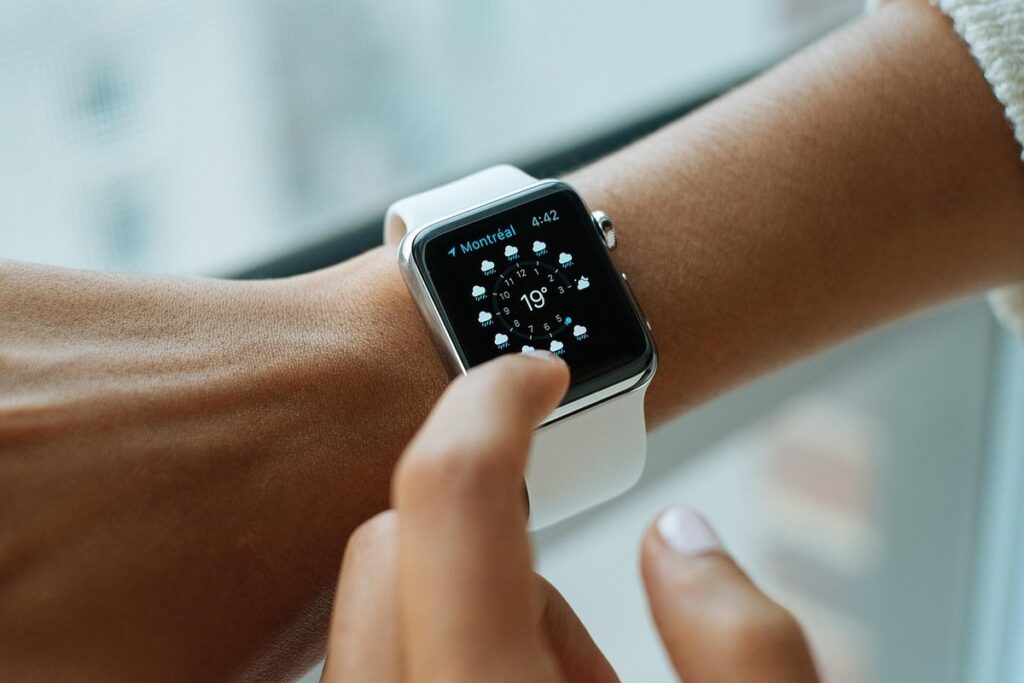
Understanding the Need for Wearables in Aging Population
As we explore the world of wearables for elderly, it’s essential to understand why these devices are becoming increasingly crucial for seniors’ daily lives and health monitoring. This section will examine the growing need for wearable technology among the aging population.
The Challenge of Age-related Health Issues
As we age, our bodies undergo significant changes that can affect our overall health and well-being. The elderly population often faces a multitude of health issues that can impact their daily lives. Mobility problems, for instance, are a common concern for seniors, making it difficult to perform everyday tasks like walking, climbing stairs, or even getting out of bed.
Cognitive decline is another significant challenge faced by the elderly. Conditions such as dementia and Alzheimer’s disease can lead to memory loss, confusion, and disorientation, causing emotional distress for both the individual and their loved ones. Furthermore, chronic conditions like diabetes, hypertension, and arthritis are prevalent among seniors, requiring ongoing management and treatment.
These health issues not only affect physical functioning but also have a profound impact on mental health and social connections. Wearables can play a crucial role in monitoring and managing these age-related health concerns, enabling older adults to live more independently and maintain their quality of life. By tracking vital signs, detecting early warning signs of chronic conditions, and providing reminders for medication adherence, wearables can be a valuable tool in supporting the elderly population’s overall well-being.
Benefits of Wearable Technology for Seniors
For seniors, wearable technology offers numerous benefits that can significantly improve their health outcomes, increase independence, and enhance overall well-being. By tracking vital signs, detecting falls, and monitoring medication adherence, wearables provide valuable insights into the user’s health status. This enables timely interventions by caregivers or healthcare professionals, reducing the risk of complications and hospitalizations.
Moreover, wearables promote physical activity and exercise among seniors, which is essential for maintaining muscle strength, balance, and flexibility. For instance, fitness trackers with pedometers encourage users to walk a certain number of steps each day, while smartwatches can monitor heart rate and rhythm during exercise. By making health monitoring more accessible and user-friendly, wearables empower seniors to take charge of their well-being.
Regular use of wearables has been shown to lead to improved sleep quality, reduced blood pressure, and enhanced cognitive function in seniors. For example, a study found that participants who wore a wearable device experienced significant reductions in systolic blood pressure over a six-month period compared to those without wearables. By incorporating wearables into their daily lives, seniors can enjoy greater independence, peace of mind, and overall quality of life.
Types of Wearables Suitable for Elderly
When choosing a wearable, it’s essential to consider factors such as ease of use and functionality that cater specifically to an elderly person’s needs. Let’s explore some popular options that fit the bill.
Smartwatches and Activity Trackers
When it comes to choosing wearables for elderly individuals, smartwatches and activity trackers are excellent options. These devices are designed to be user-friendly, easy to navigate, and packed with features that promote a healthy lifestyle.
Many popular smartwatches and activity trackers come equipped with step tracking capabilities, allowing users to monitor their daily physical activity. For instance, the Fitbit Charge 3 can track up to 20 days of exercise data, providing users with valuable insights into their habits. Heart rate monitoring is another essential feature, enabling users to stay on top of their cardiovascular health.
Some smartwatches and activity trackers also boast advanced features such as fall detection, which can send alerts to caregivers or emergency services in the event of a fall. For example, the Apple Watch Series 5 includes a built-in accelerometer that detects falls and sends notifications accordingly. These features not only provide peace of mind for users but also offer a sense of independence.
When selecting a smartwatch or activity tracker, consider your loved one’s specific needs and preferences. Look for devices with intuitive interfaces and features that align with their health goals.
Medical Alert Systems and Emergency Response Devices
Medical alert systems and emergency response devices are designed to provide an added layer of security and independence for seniors. These wearables use a combination of GPS tracking, emergency response buttons, and medication reminders to ensure that help is always just a button press away.
GPS tracking allows caregivers or medical professionals to locate the wearer in real-time, making it easier to send assistance when needed. Emergency response buttons can be programmed to call emergency services, alert caregivers, or even summon assistance from a nearby family member.
Medication reminders are another crucial feature of these devices, helping seniors stay on top of their medication schedules and avoid missing doses. Many medical alert systems also come equipped with fall detection capabilities, automatically sending alerts to caregivers if the wearer experiences a fall.
By investing in a medical alert system or emergency response device, seniors can enjoy greater peace of mind, knowing that help is always available when needed.
Features to Look for in Wearables for Elderly
When choosing a wearable for your elderly loved one, there are several essential features to consider that can greatly enhance their daily life and well-being.
These features include simplicity of use, emergency alert systems, and activity tracking capabilities.
Fall Detection and Prevention
For seniors living alone, falls can be a significant concern. A fall detection and prevention feature is crucial in wearables for elderly individuals. This feature sends automatic alerts to caregivers or emergency services if the user experiences a fall.
Some wearables employ algorithms that differentiate between normal activities and potential falls. When a fall is detected, the device immediately triggers an alert. For instance, the Medical Guardian’s Medical Alert Watch includes fall detection capabilities that notify its response center in the event of a fall. The watch also allows users to manually summon help if needed.
When selecting wearables with fall detection features, consider the following:
* Look for devices that use advanced algorithms and sensors to accurately detect falls
* Ensure the device is waterproof or water-resistant to withstand accidental exposure to water during a fall
* Check if the wearable has integrated emergency response capabilities to contact caregivers or emergency services quickly
Medication Reminders and Adherence Tracking
Managing medications can be a daunting task for seniors, with multiple pills to take at specific times of the day. Wearables designed specifically for elderly individuals can simplify this process significantly. With features like medication reminders and adherence tracking, these devices enable users to stay on top of their prescriptions.
Reminders are often customizable, allowing users to input specific dosing instructions and set notifications accordingly. Some wearables even allow patients to log their medication intake, providing a comprehensive picture of their adherence over time. This data can be invaluable for healthcare providers, who can use it to adjust treatment plans as needed.
Adherence reports also serve as an important tool for monitoring patient behavior, helping clinicians identify potential issues before they become serious complications. For instance, a wearable might alert caregivers if a patient has missed a dose or taken too much medication. By integrating these features seamlessly into daily life, wearables can promote healthier habits and improve overall well-being among seniors.
Safety and Security Considerations for Wearable Adoption
As you consider introducing wearables into your loved one’s life, it’s essential to weigh the potential risks against their benefits, ensuring a safe and secure experience. Let’s explore some key considerations to keep in mind.
Data Protection and User Privacy
When designing wearables for elderly users, it’s essential to prioritize data protection and user privacy. This is particularly crucial as older adults may be more vulnerable to online scams, identity theft, and other cyber threats.
Wearable devices collect sensitive information, such as health metrics, location data, and activity patterns, which must be stored securely. To ensure robust data protection:
• Implement end-to-end encryption for all transmitted data
• Use secure authentication methods, like biometric or password-based login systems
• Regularly update software and firmware to patch security vulnerabilities
Moreover, developers should prioritize transparency in data collection and usage practices. This can include:
• Clear labeling of what data is being collected and why
• User controls over data sharing and access
• Mechanisms for users to review and correct their personal information
By prioritizing data protection and user privacy, wearable devices can foster trust with elderly users, ensuring they feel comfortable and secure using these technologies to enhance their quality of life.
Integration with Existing Caregiving Systems
Integrating wearables with existing caregiving systems is crucial for ensuring seamless care and support for elderly individuals. Many caregivers utilize home health aides or reside within assisted living facilities, where incorporating wearable technology can greatly enhance the quality of life for seniors.
For instance, if a senior lives in an assisted living facility, wearables can be integrated with their existing care plan to provide real-time monitoring and alerts for changes in physical activity levels, sleep patterns, or vital signs. This information can then be shared with caregivers via secure online portals, enabling them to respond promptly to any changes or concerns.
To integrate wearables with home health aides, consider the following steps:
* Consult with the caregiver or facility to understand their existing protocols and technology systems.
* Choose wearable devices that are compatible with their current infrastructure.
* Set up secure communication channels for sharing data and alerts between caregivers and seniors.
* Regularly review and update the care plan to ensure it aligns with the senior’s evolving needs.
By integrating wearables into existing caregiving systems, caregivers can respond more effectively to changing health conditions, preventing hospitalizations and improving overall well-being.
Real-world Examples and Case Studies
Let’s take a look at some real-life examples of wearables that have made a significant difference in the lives of seniors, from medical alert systems to fitness trackers.
Success Stories from Wearable Adoption Programs
The success stories from wearable adoption programs are truly heartwarming. Take the example of 85-year-old Mrs. Johnson, who was diagnosed with chronic obstructive pulmonary disease (COPD). With the help of a wearable device that tracked her oxygen levels and provided alerts for potential episodes, she was able to manage her condition effectively. This led to a significant reduction in hospitalizations – from 5 times a year to just once in the past two years.
Similarly, a study conducted by a leading healthcare provider reported a 30% decrease in falls among elderly patients who wore wearable devices with fall detection features. These devices not only alerted caregivers but also provided real-time feedback on mobility and activity levels. For instance, Mr. Thompson, an 80-year-old man, was able to regain his independence after wearing a wearable device that helped him maintain a consistent exercise routine.
In both cases, the wearables were used in conjunction with existing healthcare programs, resulting in improved quality of life for the elderly individuals involved.
Challenges and Lessons Learned from Implementing Wearables in Care Settings
Implementing wearables in care settings can be a complex process, and several challenges may arise. One of the main issues is the initial cost investment for purchasing wearables and integrating them into existing systems. For example, a study by Accenture found that 71% of healthcare executives cite high upfront costs as a barrier to adopting new technologies.
Another challenge is ensuring seamless integration with existing medical records and care plans. Caregivers must be trained on how to properly use the wearable data, which can be time-consuming. Furthermore, not all elderly individuals may be comfortable wearing or using wearables, requiring caregivers to approach this issue sensitively.
Despite these challenges, several care settings have successfully implemented wearables to enhance quality of life for elderly residents. One such example is a nursing home that integrated wearable sensors into their fall prevention program. Results showed a 30% reduction in falls and improved caregiver response times when incidents did occur.
Future Developments and Emerging Trends
As we continue to explore the benefits of wearables for seniors, let’s take a look at what’s on the horizon and how emerging trends will shape the future of this technology.
Advances in AI-powered Wearables
The integration of artificial intelligence (AI) into wearable devices is revolutionizing the way we monitor and manage our health. For seniors, AI-powered wearables can be a game-changer by detecting subtle changes in their physical condition before symptoms even appear. These devices can track vital signs such as heart rate, blood pressure, and body temperature, and analyze this data to identify potential issues.
For instance, some wearables can detect early warning signs of cardiovascular disease, such as irregular heartbeats or abnormal blood pressure spikes. Others can monitor medication adherence and alert caregivers if a senior forgets to take their pills. AI-powered wearables can also track sleep patterns, detecting insomnia or other sleep disorders that may impact daily functioning.
To integrate these devices into a senior’s daily life, it’s essential to consider factors such as ease of use, data sharing capabilities, and integration with existing medical records. By choosing the right device and following proper usage guidelines, seniors and their caregivers can enjoy peace of mind knowing potential health issues are being monitored in real-time.
Integration with Other Technologies, Such as Home Automation and Virtual Assistants
As we move forward with wearable technology for elderly care, it’s essential to consider integration with other technologies that can enhance their quality of life. One area of significant potential is home automation. By integrating wearables with smart home devices, seniors can enjoy increased independence and safety.
For instance, a wearable device could detect falls and alert caregivers or emergency services while also triggering lights and alarms within the home to aid in rescue efforts. This seamless integration creates a more comprehensive care ecosystem that addresses various aspects of senior health and well-being.
Another exciting area of development is virtual assistants. By combining wearables with AI-powered virtual assistants like Alexa or Google Home, seniors can control their environment and receive support through voice commands. For example, they could order groceries, schedule appointments, or simply ask for reminders without needing to physically interact with devices.
To make the most of these integrations, caregivers should focus on setting up a single access point for all connected devices, ensuring seamless communication between wearables, home automation systems, and virtual assistants. This will not only simplify care management but also enable seniors to live more independently in their homes.
Frequently Asked Questions
Can I try out wearables for elderly on my loved one before committing to a purchase?
Yes, many manufacturers offer trial or rental options for their devices, allowing you to test them with your loved one for a short period. This can help ensure the chosen wearable meets their specific needs and is comfortable to wear.
What kind of training or support do I need to provide my loved one when introducing wearables in their daily life?
When introducing wearables, it’s essential to provide clear instructions on how to use the device, including any buttons, apps, or features. You may also want to schedule follow-up sessions to address any questions or concerns they may have.
How can I balance data protection and user privacy with the benefits of wearable technology for seniors?
To ensure seamless integration while maintaining data security, consider implementing robust password policies, enabling two-factor authentication, and setting clear guidelines on sharing data with caregivers or healthcare professionals.
What happens in case of an emergency response, such as a fall detection alert being triggered?
In most cases, wearables equipped with emergency response systems will automatically connect the user to their designated emergency contact or caregiver, who can then dispatch help if necessary. Be sure to set up these features and communicate them clearly to your loved one.
Can wearable technology be integrated with existing caregiving systems, such as home health care or assisted living facilities?
Yes, many wearables are designed to integrate seamlessly with various caregiving systems, allowing for easy sharing of data between healthcare professionals and caregivers. Be sure to explore these options when selecting a wearable device for your loved one.