
As we age, it can be tempting to slow down our physical activity and focus on more low-key pursuits. But exercising as an older woman is not only safe and beneficial, but also essential for maintaining our overall health and independence. Regular workouts can help combat the inevitable changes that come with aging, such as decreased strength, flexibility, and balance.
In this article, we’ll explore a range of exercises specifically designed for older women, including cardio, strength training, and flexibility routines to get you moving and feeling your best. From low-impact aerobics to bodyweight exercises, we’ll cover the safest and most effective ways to stay fit and healthy as you age. Whether you’re looking to manage chronic health conditions or simply maintain your vitality, this workout routine is tailored to meet your unique needs and goals.
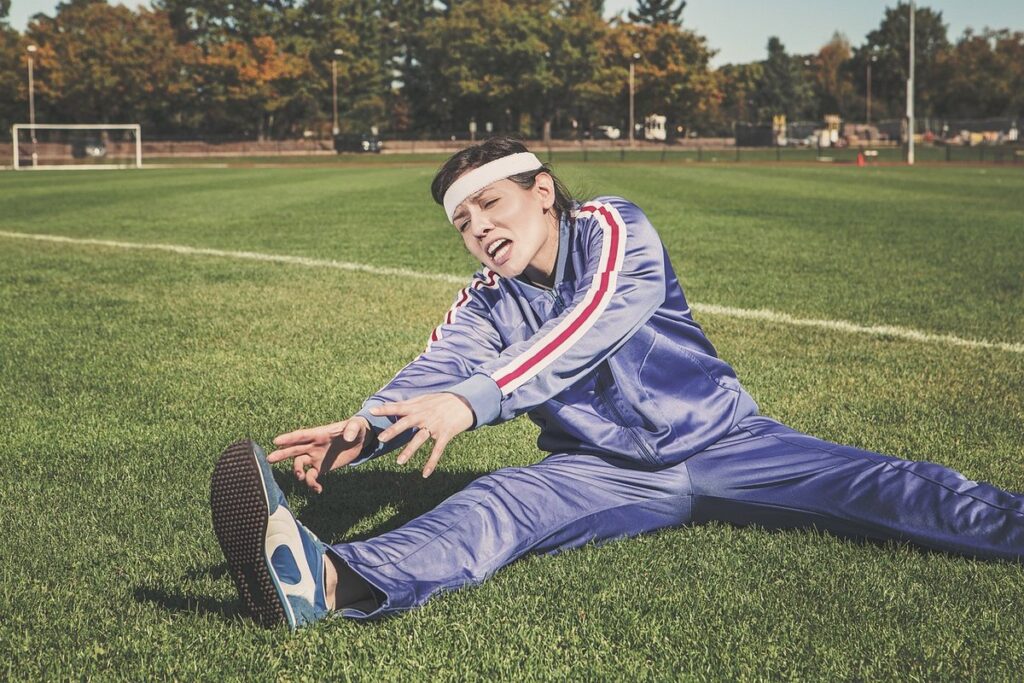
Understanding the Benefits of Exercise for Older Women
Regular physical activity has a profound impact on the overall health and well-being of older women, and understanding these benefits is crucial to making informed fitness choices. Let’s explore the advantages of exercise for this age group.
The Importance of Regular Physical Activity
Regular physical activity is one of the most effective ways for older women to maintain their overall health and well-being. As we age, our risk of developing chronic diseases such as heart disease, diabetes, and certain types of cancer increases. However, regular exercise can significantly reduce this risk by improving cardiovascular health, managing blood sugar levels, and promoting healthy weight management.
Exercise also plays a crucial role in maintaining mobility and preventing falls, which is especially important for older women. A study found that regular physical activity reduced the risk of falls by 30% among adults aged 60-75. Moreover, exercise has been shown to enhance cognitive function and reduce the risk of dementia. For example, a study published in the Journal of Aging Research found that older adults who engaged in regular physical activity experienced improved memory and cognitive processing speed compared to those who were sedentary.
Incorporating regular physical activity into your lifestyle is easier than you think. Start with short sessions of 10-15 minutes per day and gradually increase duration and intensity as you become more comfortable. Find activities that bring you joy, whether it’s walking, swimming, or dancing, and make them a part of your daily routine.
Addressing Common Concerns and Fears
As you consider starting an exercise routine, it’s normal to have some concerns and fears. You may worry about injuring yourself or feeling self-conscious in a gym environment. Perhaps you’ve tried exercising before but didn’t enjoy it, or maybe you’re intimidated by the idea of working out with people much younger than you.
One common concern is the fear of injury. This is understandable, especially if you have pre-existing health conditions or physical limitations. However, most gyms and fitness centers now offer modified exercises and adaptive equipment to help older women work safely and effectively. You can also start slowly and build up your endurance over time.
Another worry might be feeling self-conscious in a gym setting. This is especially true if you’re new to exercise or haven’t been active for a while. To alleviate this concern, consider working out during off-peak hours when the gym is less crowded, or try group fitness classes specifically designed for older women. These classes provide not only a supportive environment but also an opportunity to socialize and make new friends.
It’s essential to remember that you’re not alone in your concerns. Many older women have successfully incorporated exercise into their lives, and they can serve as great role models and sources of encouragement. By acknowledging and addressing these fears, you can begin to build a healthier relationship with exercise and enjoy the numerous benefits it has to offer.
Assessing Your Health and Fitness Level
Before diving into a workout routine, it’s essential to understand your current health and fitness level. Take some time to assess your physical capabilities and set realistic goals for improvement.
Consulting with a Healthcare Professional
As you consider starting a new exercise program, it’s essential to prioritize your health and safety above all else. Before diving into workouts for older women, we recommend consulting with a healthcare professional to determine the best course of action for your specific needs.
This is particularly crucial if you have pre-existing health conditions, such as high blood pressure, diabetes, or joint pain. A doctor can help you understand how exercise may impact these conditions and provide guidance on creating a safe and effective workout plan.
During your consultation, be sure to ask questions like: What types of exercises are suitable for my age group and fitness level? How often should I work out, and what intensity is recommended? Are there any specific health concerns I should address before beginning an exercise program?
By taking this crucial step, you’ll not only minimize the risk of injury but also ensure that your workouts align with your unique needs and goals. Your healthcare professional can provide personalized advice and help you develop a tailored fitness plan that will keep you healthy, strong, and active well into older age.
Evaluating Your Current Fitness Level
Evaluating your current fitness level is a crucial step in creating an effective workout plan for older women. It’s essential to understand where you are now before you can determine where you want to go. To do this, try simple tests and exercises that assess your endurance, strength, flexibility, and balance.
Start by taking a brisk 10-minute walk. Pay attention to how you feel: Do you get winded easily? Do you experience any chest pain or discomfort? This will give you an idea of your cardiovascular fitness level. Next, perform some squats, lunges, and chair push-ups to assess your lower body strength. Can you do at least 10 repetitions of each exercise without straining?
Another crucial area to evaluate is flexibility. Try touching your toes, standing on one foot, or reaching for something above shoulder height. If these movements feel stiff or painful, it may be time to incorporate stretching exercises into your routine. Finally, test your balance by standing on one leg with your eyes closed. This will help you identify any areas where you need to improve your stability and coordination.
Remember, this is not a pass-or-fail evaluation – it’s an opportunity to understand your current fitness level and make informed decisions about how to move forward.
Creating a Safe and Effective Workout Routine
Now that we’ve discussed the importance of physical activity, let’s dive into creating a safe and effective workout routine tailored to your needs. This is where consistency and smart planning come in.
Understanding Different Types of Exercise
As you create a workout routine for yourself, it’s essential to understand that not all exercises are created equal. There are three primary types of exercise: cardio, strength training, and flexibility exercises. Each type offers unique benefits, and incorporating them into your routine can help you achieve optimal fitness as you age.
Cardio exercises, such as walking, swimming, or cycling, improve heart health by increasing blood flow and reducing the risk of chronic diseases like diabetes and high blood pressure. Aim for at least 150 minutes of moderate-intensity cardio exercise per week to reap these rewards.
Strength training is another critical component of a well-rounded workout routine. This type of exercise helps build muscle mass, which can slow down bone loss and reduce the risk of osteoporosis. Focus on exercises that work multiple muscle groups at once, such as squats, lunges, or push-ups. Aim for two to three strength training sessions per week.
Flexibility exercises, like yoga or Pilates, improve balance and range of motion, reducing the risk of falls and injuries. Incorporate flexibility exercises into your routine at least twice a week, focusing on major muscle groups like hamstrings, hip flexors, and lower back muscles. By incorporating these types of exercise into your routine, you’ll be well on your way to achieving optimal fitness as you age.
Designing a Balanced Workout Routine
When designing a workout routine, it’s essential to strike a balance between cardio, strength training, and flexibility exercises. This ensures that you’re targeting different aspects of fitness while minimizing the risk of injury.
Start by allocating 20-30 minutes for cardio activities like brisk walking, swimming, or cycling three to four times a week. Include some high-intensity interval training (HIIT) sessions to boost cardiovascular health and burn calories efficiently.
Strength training should also be a significant component of your routine, focusing on exercises that work multiple muscle groups at once. Aim for two to three strength-training sessions per week, incorporating weights, resistance bands, or bodyweight exercises like squats, lunges, and push-ups.
Don’t forget to schedule flexibility exercises throughout the week, such as yoga or Pilates sessions. These activities will help improve your range of motion, reduce muscle tension, and enhance overall mobility.
Remember to listen to your body and adjust your routine accordingly. Prioritize exercises that feel comfortable and manageable for you, and gradually increase intensity and frequency over time. This balanced approach will help you achieve a safe and effective workout routine tailored to your needs as an older woman.
Cardiovascular Exercises for Older Women
As you focus on cardiovascular fitness, consider low-impact exercises like swimming, brisk walking, or cycling to get your heart rate up without putting excessive strain on joints. These activities are perfect for older women who want to stay active and healthy.
Brisk Walking as a Low-Impact Option
As you age, it’s essential to find cardiovascular exercises that are low-impact and gentle on your joints. One excellent option is brisk walking, which can be adapted to suit different fitness levels. Unlike high-impact activities like running or jumping, brisk walking puts minimal stress on your bones and muscles.
To get started with brisk walking, begin by incorporating short walks into your daily routine. Aim for at least 30 minutes per session, five days a week. You can walk around your neighborhood, local park, or even on a treadmill. To boost the intensity, try inclining the surface, adding hills, or carrying light weights.
The benefits of brisk walking are numerous. Regular walks can help lower blood pressure, improve cardiovascular health, and even reduce the risk of chronic diseases like diabetes and certain cancers. Moreover, it’s an excellent way to maintain mobility, flexibility, and balance – all essential for older women.
To make brisk walking more engaging and fun, invite a friend or family member to join you. You can also listen to music, podcasts, or audiobooks while walking to keep your mind occupied.
Swimming and Cycling: Low-Impact Alternatives
If you’re finding high-impact activities like running or jumping too strenuous for your joints, don’t worry – there are plenty of low-impact alternatives to get your heart rate up and keep you active. Swimming and cycling are two excellent options that offer a gentle workout while being easy on the joints.
Swimming is an ideal exercise for older women as it provides a full-body workout without putting excessive strain on any one area. The buoyancy of water reduces impact, making it perfect for those with joint pain or mobility issues. Try incorporating different strokes like freestyle, backstroke, or breaststroke to mix up your routine and engage various muscle groups.
Cycling is another low-impact cardiovascular exercise that’s easy to do at home or outdoors. You can use a stationary bike or join a local cycling group for a fun ride with friends. Cycling works multiple muscle groups, including legs, glutes, and core, while also improving cardiovascular health without excessive stress on the joints.
Consider starting with shorter sessions (20-30 minutes) and gradually increasing duration as you build endurance. Both swimming and cycling offer a range of benefits, from weight management to improved flexibility, making them perfect additions to your low-impact workout routine.
Strength Training Exercises for Older Women
If you’re new to strength training, we’ll start by covering the basics and share some essential exercises that are perfect for older women just beginning their fitness journey. These workouts will get you moving in no time!
Resistance Band Workouts
Resistance band workouts are an excellent option for older women who want to build strength without leaving home. These lightweight and portable bands can be used to target various muscle groups, making them a convenient choice for those with mobility limitations or busy schedules.
One of the benefits of resistance band workouts is that they allow you to work out in a comfortable environment, free from distractions. You can use them while watching TV, listening to music, or even during a phone call. This flexibility makes it easier to incorporate exercise into your daily routine.
To get started with resistance band workouts, invest in a good quality set of bands and follow online tutorials or videos that demonstrate various exercises. Begin with simple movements like bicep curls, tricep extensions, and shoulder presses, and gradually progress to more challenging ones as you build strength. Aim for 2-3 sets of 10-12 reps per exercise, and rest for 30-60 seconds between sets.
Remember to listen to your body and take regular breaks to avoid fatigue. With consistent practice, resistance band workouts can help you maintain muscle mass, improve bone density, and boost overall fitness – all from the comfort of your own home!
Weight-Bearing Exercises with Proper Form
When performing weight-bearing exercises like squats and lunges, it’s crucial to prioritize proper form. This may seem obvious, but many older women unknowingly compromise their form, which can lead to injuries and ineffective workouts.
To start, make sure your feet are shoulder-width apart, with your knees aligned directly over your toes. Engage your core muscles by drawing your belly button towards your spine. Keep your back straight and avoid leaning forward or backward as you lower yourself down. For squats, aim to keep your weight in the heels of your feet, rather than your toes.
If you’re new to these exercises or have concerns about your form, consider working with a personal trainer or fitness coach who can provide guidance and support. Remember that it’s always better to start slowly and focus on proper technique over heavy weights or high reps. By mastering weight-bearing exercises with good form, you’ll not only reduce your risk of injury but also get the most out of your workouts and achieve your strength training goals.
Flexibility and Balance Exercises for Older Women
Staying flexible and balanced as we age is crucial, which is why incorporating exercises that improve your range of motion and balance is essential to maintaining overall health. This section will show you how to get started.
Yoga and Pilates: Low-Impact Options
As you age, it’s essential to find exercises that are gentle on your joints and muscles while still providing an excellent workout. That’s where low-impact flexibility and balance exercises like yoga and Pilates come into play.
Yoga is a great option for older women as it combines deep breathing with physical movement to improve flexibility and balance. Many styles of yoga, such as Hatha and Yin, focus on holding poses for extended periods, which can help lengthen tight muscles and improve range of motion. For example, in a seated forward fold, you’ll stretch your hamstrings and back muscles while also improving flexibility in your spine.
Pilates is another low-impact option that targets core strength and body control. It’s an excellent choice for older women as it can help improve balance and stability by strengthening the core muscles. Pilates often involves slow, controlled movements that engage the mind-body connection, making it easier to maintain proper form and avoid injury.
When starting out with yoga or Pilates, it’s crucial to begin slowly and listen to your body. Start with gentle flows and gradually increase intensity as you become more comfortable with the exercises. Consider working with a qualified instructor who can provide modifications and adjustments tailored to your needs. With regular practice, you’ll find that these low-impact exercises help improve flexibility, balance, and overall fitness, making it easier to stay active and healthy as you age.
Bodyweight Exercises for Improved Mobility
As we age, our mobility and balance can decline, making everyday activities more challenging. Fortunately, incorporating bodyweight exercises into your routine can significantly improve these aspects of physical fitness. Squats are an excellent example of a bodyweight exercise that targets the legs and hips, helping to maintain flexibility and strength in the lower body.
Other beneficial bodyweight exercises for mobility include lunges, calf raises, and leg swings. These movements help increase range of motion and prevent stiffness in the joints. You can also try simple balance exercises like single-leg stands or heel-to-toe walks to enhance your overall balance and coordination.
When performing these exercises, focus on slow, controlled movements to maximize their effectiveness. For instance, when doing squats, take 3-5 seconds to lower yourself down and 2-3 seconds to stand up. You can also incorporate isometric holds, where you hold a position for several seconds before releasing, to further challenge your muscles.
Remember to consult with a healthcare professional or fitness expert to tailor these exercises to your individual needs and abilities. With consistent practice, you’ll notice improvements in mobility and balance over time.
Staying Motivated and Avoiding Injuries
Staying motivated and avoiding injuries are crucial for a successful workout routine, but they often get overlooked as we age. Let’s tackle these essential tips together to keep you on track.
Creating a Supportive Workout Environment
Exercising with a friend or family member can be a great way to stay motivated and create a supportive workout environment. When you’re around people who share similar fitness goals, you’ll feel more accountable and less likely to skip a workout. This is especially important for older women, as exercising regularly can help combat age-related health issues such as osteoporosis, diabetes, and heart disease.
Consider inviting a friend or family member to join you at the gym or taking an exercise class together. Not only will this provide moral support, but it also allows you to learn new exercises and techniques from one another. You can also swap tips on how to stay motivated and overcome plateaus. For example, if you’re struggling with a particular exercise, your workout buddy can offer words of encouragement or suggest an alternative that’s more suitable for your fitness level.
Having someone to share the experience with will make exercising feel less daunting and more enjoyable, helping you stick to your routine and achieve your health goals.
Tips for Preventing Injury and Overexertion
As you exercise regularly to maintain fitness and health with age, it’s crucial to prioritize injury prevention and avoid overexertion. Older adults are more susceptible to injuries due to declining physical abilities, such as reduced flexibility, strength, and balance.
To minimize the risk of injury, start by listening to your body. If you experience pain or discomfort during a workout, stop immediately and rest. Don’t push through the pain, as this can lead to further damage and prolonged recovery time. Warm up thoroughly before each exercise session with light cardio and stretching, and cool down afterwards to prevent muscle soreness.
Additionally, consider modifying exercises to suit your fitness level. For example, instead of performing high-impact activities like running or jumping, opt for low-impact alternatives like walking, cycling, or swimming. Engage a personal trainer or fitness coach who can help you create a customized workout plan tailored to your needs and abilities.
Frequently Asked Questions
What is the best way to start a workout routine as an older woman, especially if I’m new to exercise?
Start by consulting with your healthcare professional to discuss any health concerns or limitations. Next, begin with short, manageable sessions (20-30 minutes) and gradually increase duration and intensity over time. Consider starting with low-impact activities like brisk walking or swimming to get comfortable with exercising.
Can I do strength training exercises if I have joint pain or mobility issues?
Yes, it’s still possible to engage in strength training exercises with modifications that accommodate your needs. Consider using resistance bands or light weights, and focus on bodyweight exercises that work multiple muscle groups at once. It’s essential to consult with a healthcare professional or fitness expert who can help you develop a tailored workout plan.
How often should I see my doctor before starting or changing an exercise routine?
It’s recommended to schedule regular check-ins with your healthcare provider, especially if you have any underlying health conditions. This will ensure that your exercise routine aligns with your overall health and well-being goals. As a general rule of thumb, consult with your doctor every 3-6 months to review your progress and make adjustments as needed.
What are some common mistakes older women make when starting a new exercise routine?
Common pitfalls include overexertion, poor form, or neglecting to warm up and cool down properly. To avoid these mistakes, prioritize proper warm-ups and cool-downs, start with gentle exercises and gradually increase intensity, and listen to your body – rest when needed, and don’t push through pain.
Can I still engage in high-impact activities like running or jump squats if I’m over 65?
While it’s not impossible to do high-impact exercises at this age, they may be more challenging and potentially stressful on joints. It’s essential to prioritize low-impact options and modify high-intensity activities to accommodate your age and fitness level. Consider incorporating activities like swimming or cycling, which are lower-impact yet effective for cardiovascular health.