
Managing high blood pressure in seniors is crucial to prevent complications such as heart disease, stroke, and kidney damage. As people age, their blood pressure tends to rise, making it even more important for elderly individuals to track their numbers regularly. You may have heard that regular monitoring can help identify hypertension early on, but do you know which types of charts are most effective? A well-designed chart can make all the difference in helping seniors manage their blood pressure and reduce their risk of cardiovascular disease. In this article, we’ll explore the benefits of tracking blood pressure effectively, discuss different chart types, and look at how healthcare professionals use these tools to prevent complications and improve patient outcomes by the time you finish reading, you’ll be able to understand how to use an elderly age blood pressure chart to support your loved one’s health.
What is an Elderly Age Blood Pressure Chart?
Understanding blood pressure charts specifically designed for elderly individuals is crucial, and we’ll break down what these charts entail and why they’re necessary.
Importance of Monitoring Blood Pressure in Seniors
Monitoring blood pressure is crucial for elderly individuals due to the significant health risks associated with uncontrolled hypertension. High blood pressure can lead to serious complications such as heart disease, stroke, and kidney damage. As people age, their risk of developing high blood pressure increases, making regular monitoring essential.
Uncontrolled hypertension in seniors often goes unnoticed until it’s too late, causing irreversible damage to vital organs. For instance, a study found that most people who experience a silent heart attack (which doesn’t produce noticeable symptoms) are over the age of 65. Regular blood pressure checks can help detect early warning signs and prevent these complications.
Blood pressure monitoring also helps identify other conditions that may be contributing to high readings, such as medication side effects, sleep apnea, or thyroid disorders. By addressing these underlying issues, seniors can take control of their health and reduce their risk of developing serious cardiovascular diseases. The key is to establish a routine of regular blood pressure checks, ideally at least once every six months, or more frequently if recommended by a healthcare provider.
Types of Blood Pressure Charts and Their Uses
Blood pressure charts come in various formats to suit different needs and preferences. Logbooks are a traditional option, where users manually record each measurement on a page. This method is useful for those who prefer a physical format or have limited access to digital devices.
Mobile apps, on the other hand, offer a more convenient and portable way to track blood pressure. Many apps allow users to input measurements, view trends over time, and receive reminders to take readings. Some popular features include customizable dashboards, medication tracking, and alerts for abnormal readings.
Online platforms provide another option for monitoring blood pressure remotely. These websites often integrate with mobile apps or allow users to log in from a computer. Key benefits of online platforms include easy access to historical data, ability to share information with healthcare providers, and some even offer reminders and notifications.
A notable example is the American Heart Association’s (AHA) My Life Check tool, which allows users to track blood pressure, medication, and other health metrics. When selecting a blood pressure chart or platform, consider factors such as ease of use, data security, and features that align with your specific needs.
Understanding Normal and Abnormal Blood Pressure Readings
Let’s break down what constitutes a normal blood pressure reading for seniors, and how to identify when readings become a cause for concern.
What Constitutes a Healthy Blood Pressure for Seniors?
For seniors, a healthy blood pressure is typically defined as 120/80 mmHg or below. However, age-related changes can affect blood pressure regulation, making it more challenging to determine what constitutes normal blood pressure for elderly individuals.
As people age, their blood vessels become less flexible and stiffer, which can lead to increased systolic blood pressure. This is why the American Heart Association recommends a target systolic pressure of below 130 mmHg for adults over 65 years old. Additionally, older adults may experience changes in kidney function, which can also impact blood pressure.
It’s essential to consider these age-related factors when evaluating blood pressure readings. For example, a reading of 140/90 mmHg might be considered normal for a younger adult but could indicate high blood pressure in an elderly individual.
When monitoring blood pressure in seniors, it’s crucial to take into account other health conditions that may affect blood pressure regulation, such as diabetes or kidney disease. By understanding these age-related changes and taking them into consideration when interpreting blood pressure readings, healthcare providers can better manage and treat hypertension in older adults.
Identifying Potential Risks Associated with High Blood Pressure
High blood pressure can have devastating consequences for seniors, increasing the risk of cardiovascular disease, kidney damage, and cognitive decline. Cardiovascular disease is a leading cause of death among older adults, often resulting from years of unchecked hypertension. When blood vessels are constantly under strain, they may become damaged or diseased, leading to conditions such as heart failure or stroke.
Kidney damage is another potential complication of high blood pressure in seniors. The kidneys play a crucial role in filtering waste and excess fluids from the blood. Prolonged exposure to elevated blood pressure can cause scarring and hardening of the kidney tissues, reducing their ability to function properly. This can lead to chronic kidney disease or even require dialysis.
Cognitive decline is also associated with high blood pressure in seniors. Research suggests that hypertension may contribute to an increased risk of dementia and Alzheimer’s disease. The exact mechanisms are not fully understood, but it’s believed that the constant strain on the blood vessels may disrupt blood flow to the brain, leading to cognitive impairment.
To identify potential risks, healthcare providers often assess patients’ medical histories, lifestyle factors, and physical examinations.
How to Use a Blood Pressure Chart Effectively
To accurately monitor your elderly loved one’s blood pressure, it’s essential to understand how to effectively use their blood pressure chart. This involves recognizing normal readings and identifying potential concerns.
Recording Accurate Measurements
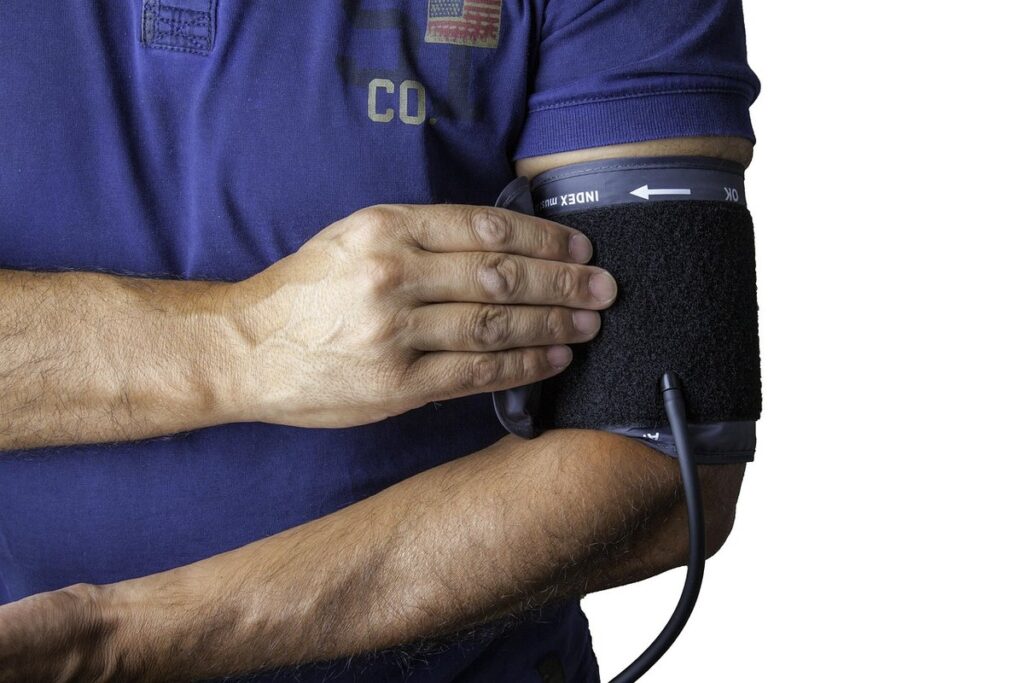
When recording blood pressure measurements, accuracy is paramount to ensure reliable data. A proper cuff size is essential; using a cuff that’s too small can result in artificially high readings, while one that’s too large may yield falsely low values. Choose a cuff with a width that corresponds to the circumference of your upper arm.
Place the cuff on the bare skin of your upper arm, making sure it’s centered and not twisted. Avoid placing it over clothing, as this can cause inaccurate readings. Use a stethoscope to listen for the pulse, and make sure it’s placed correctly to capture the Korotkov sounds.
Proper technique is also crucial. Hold the cuff in place with one hand while inflating it with the other, using a slow and steady pace. Deflate the cuff slowly as well, allowing for accurate readings of each heartbeat. Consider consulting with a healthcare professional or watching online tutorials to refine your technique if needed.
Tracking Progress Over Time with a Blood Pressure Chart
Tracking progress over time with a blood pressure chart is essential for identifying trends and patterns in blood pressure levels. By monitoring changes in blood pressure readings, you can make informed decisions about medication adjustments or lifestyle modifications. For instance, if you notice that your blood pressure consistently drops after exercising, you may want to incorporate physical activity into your daily routine.
Regular tracking also helps you identify potential risks associated with high blood pressure. If you notice a steady increase in systolic pressure over time, it may indicate the need for closer monitoring or medical attention. Conversely, if you observe a consistent decrease in diastolic pressure, you can discuss this trend with your healthcare provider to determine the best course of action.
To effectively track progress, use your blood pressure chart to record readings at regular intervals – ideally once a week or every two weeks. This frequency allows for accurate identification of trends and patterns without overwhelming yourself with too much data.
Understanding the Relationship Between Age and Blood Pressure
As you explore elderly age blood pressure charts, it’s essential to understand how age affects your blood pressure readings. We’ll examine the relationship between age and blood pressure in more detail below.
How Blood Pressure Changes With Age
As we age, our blood pressure regulation undergoes significant changes. The body’s ability to adapt to physical stressors and regulate blood pressure declines with advancing age. This increased vulnerability is largely due to two key factors: decreased baroreflex sensitivity and impaired kidney function.
Baroreflex sensitivity allows the body to automatically adjust blood pressure in response to changes in physical activity or emotional state. However, studies have shown that this mechanism weakens with age, making older adults more susceptible to blood pressure fluctuations. Additionally, kidney function plays a crucial role in regulating blood pressure through the renin-angiotensin system. Age-related declines in kidney function can disrupt this process, contributing to increased blood pressure.
Furthermore, certain lifestyle factors become more pressing concerns as we age. For example, older adults are more likely to experience sleep apnea and medication non-adherence, both of which can significantly impact blood pressure regulation. Understanding these changes is essential for effective management and treatment strategies in elderly populations.
Impact of Age on Blood Pressure Treatment and Management
As individuals age, their blood pressure treatment and management strategies often need to be adjusted. This is because older adults may not respond as well to certain medications or may experience more side effects due to decreased kidney function and changes in body composition. For instance, diuretics, a common medication for high blood pressure, can exacerbate dehydration in seniors, leading to falls and other complications.
Lifestyle modifications also play a crucial role in managing blood pressure with age. Regular physical activity, which is essential for maintaining healthy blood pressure throughout life, becomes increasingly important as people get older. However, the type of exercise may need to be modified; for example, high-impact activities like running may not be suitable for seniors with osteoporosis or joint problems.
In addition to medication and lifestyle changes, age-related considerations can also impact treatment decisions. For instance, some blood pressure medications may increase the risk of falls in older adults due to their side effects on balance and mobility. Healthcare providers must carefully weigh these risks against the benefits of treatment when developing a management plan for seniors with high blood pressure.
Using a Blood Pressure Chart in Clinical Settings
When using blood pressure charts in clinical settings, it’s crucial to understand how age affects blood pressure readings and what values are considered normal for elderly patients. This section will explain key considerations for accurate assessment and diagnosis.
Benefits for Healthcare Providers
Using a blood pressure chart in clinical settings can have several benefits for healthcare providers. For one, it enables improved patient engagement and understanding of their condition. By visually tracking changes in blood pressure over time, patients are more likely to take ownership of their health management and adhere to treatment plans.
More accurate diagnosis is another key advantage of using a blood pressure chart. Healthcare providers can quickly identify trends and patterns in patient data, allowing for more informed decision-making about medication adjustments or other interventions. This can be particularly important when working with seniors, whose complex medical histories may require more nuanced care.
In practice, healthcare providers can enhance the effectiveness of their charts by setting realistic goals and expectations with patients. For instance, they might establish targets for reducing blood pressure within a specific timeframe. By doing so, clinicians can better track progress toward these objectives and make data-driven adjustments as needed. Regular review and updating of patient charts also facilitate ongoing communication between healthcare providers and patients.
Integrating Blood Pressure Charts with Electronic Health Records
Integrating blood pressure charts with electronic health records (EHRs) can streamline data collection and analysis, ultimately enhancing patient care. By linking a blood pressure chart to an EHR system, healthcare providers can automatically update patient profiles with latest readings and trends. This integration also enables clinicians to easily access historical data, facilitating informed decision-making.
For instance, when a patient’s blood pressure reading is recorded on the chart, it can be instantly synchronized with their electronic medical record. This eliminates manual entry errors and ensures that up-to-date information is always available for review. Moreover, EHR-integrated charts can trigger alerts or notifications when abnormal readings are detected, prompting timely interventions.
Healthcare organizations using EHR systems like Epic, Cerner, or Meditech can explore built-in integration options with blood pressure chart software. Some popular platforms, such as BP Chart or Blood Pressure Tracker, offer seamless connectivity with major EHR vendors. By embracing this technology, healthcare providers can save time, reduce administrative burdens, and focus on delivering high-quality patient care.
Creating a Personalized Elderly Age Blood Pressure Chart
To accurately track blood pressure trends, you’ll need to create a chart tailored to your individual needs and health goals as an elderly adult. This personalized chart will help you monitor changes over time effectively.
Tips for Customizing Your Chart
To make a personalized elderly age blood pressure chart effective, consider incorporating specific health goals or risk factors. For instance, if you’re at high risk for heart disease, you might want to track not just your blood pressure readings but also other relevant metrics like cholesterol levels or exercise habits.
When customizing your chart, think about what information is most crucial for you to monitor over time. Do you need to track multiple medications or supplements? Are there specific health milestones you’re working towards, such as reducing your systolic pressure below 120 mmHg?
You can also tailor the chart’s layout and design to suit your visual preferences. Some charts may have space for notes or comments about each reading, which can be helpful if you want to record observations or insights from your healthcare provider.
Here are a few key considerations when customizing your blood pressure chart:
- Are there any specific health risks or goals you need to prioritize?
- What other relevant metrics do you want to track alongside your blood pressure readings?
- Do you prefer a digital or paper-based chart, and what features does it offer that can help you stay on top of your blood pressure monitoring?
Examples of Effective Elderly Age Blood Pressure Charts
A well-designed elderly age blood pressure chart should be visually appealing and easy to understand. Effective charts often incorporate large print, clear labels, and a simple layout. For instance, the “Senior Blood Pressure Tracker” provided by the American Heart Association features a straightforward design with ample space for recording measurements. Another example is the “Blood Pressure Chart for Seniors” developed by the Mayo Clinic, which includes a convenient section for tracking medication and lifestyle changes.
In terms of content, some charts may include educational resources or reminders about healthy blood pressure management. The “Senior Blood Pressure Management Chart” created by a leading healthcare organization includes space for writing down healthy habits, such as regular exercise and a balanced diet. This feature encourages seniors to take an active role in managing their blood pressure.
Effective charts should also be tailored to the individual’s needs. Some may include additional sections for tracking other health metrics, such as weight or glucose levels. By choosing a chart that meets their unique requirements, seniors can more easily monitor and manage their blood pressure over time.
Frequently Asked Questions
Can I use a blood pressure chart with existing health conditions like diabetes or kidney disease?
Yes, it’s essential to incorporate specific health goals or risk factors into your personalized chart when managing complex conditions like diabetes or kidney disease. This will help you track the impact of hypertension on these underlying conditions and adjust treatment plans accordingly.
How often should I review my blood pressure chart with a healthcare provider?
Regular reviews (every 3-6 months) with your healthcare provider can help identify trends and patterns in your blood pressure levels, enabling informed decisions about medication or lifestyle adjustments. This is particularly crucial for seniors with hypertension as their treatment needs may change over time.
What if I have trouble tracking my blood pressure due to physical limitations or cognitive decline?
If you’re experiencing difficulties tracking your blood pressure due to physical limitations or cognitive decline, consider using mobile apps or online platforms that offer voice-assisted recording features. These tools can simplify the process and ensure accurate measurements are taken.
Can a single blood pressure chart be used for multiple family members with hypertension?
Using a standardized chart format can help multiple family members track their blood pressure levels simultaneously. However, it’s crucial to customize each individual’s chart by incorporating specific health goals or risk factors to accommodate unique needs.