
As we age, our bodies undergo significant changes that can affect our overall health. For many senior citizens, managing high blood pressure becomes a top priority to prevent heart disease, stroke, and other serious conditions. Did you know that nearly 70% of seniors have hypertension? It’s essential to take control of your blood pressure through lifestyle changes, medication management, and a healthy diet. In this article, we’ll explore natural ways to lower your blood pressure as a senior citizen. We’ll discuss the importance of regular exercise, stress reduction techniques, and dietary modifications that can make a significant impact on your overall health. By the end of this guide, you’ll have a clear understanding of how to effectively manage your high blood pressure and reduce your risk of related complications.
Understanding High Blood Pressure in Seniors
High blood pressure is a serious concern for seniors, and understanding its causes and effects is crucial to managing the condition effectively. Let’s dive into the underlying factors that contribute to high blood pressure in older adults.
Causes and Risk Factors of Hypertension in Older Adults
Hypertension is a complex condition that affects millions of older adults worldwide. The underlying causes and risk factors can be attributed to a combination of lifestyle choices, genetic predisposition, and age-related changes.
Lifestyle factors play a significant role in the development of high blood pressure in seniors. A sedentary lifestyle, for instance, can lead to weight gain and obesity, increasing the risk of hypertension. Consuming excessive amounts of salt and sugar can also contribute to elevated blood pressure. Conversely, incorporating regular physical activity, such as walking or swimming, into one’s daily routine can help mitigate these risks.
Genetics also play a part in the development of high blood pressure. Older adults with a family history of hypertension are more likely to develop it themselves. Age-related changes, including declining kidney function and reduced flexibility of blood vessels, can also contribute to increased blood pressure.
Maintaining a healthy weight through balanced eating habits and regular exercise is crucial for older adults at risk of developing hypertension. Additionally, monitoring salt intake by following the American Heart Association’s recommended daily limit (2,300 milligrams) can help alleviate high blood pressure symptoms.
Symptoms of High Blood Pressure in Seniors
High blood pressure can be a silent killer, and seniors are more likely to experience its symptoms due to age-related changes. However, it’s essential for seniors and their caregivers to recognize the signs of hypertension early on.
Common symptoms of high blood pressure in seniors may not be as apparent as they would be in younger adults. For instance, headaches can be a warning sign, but they might be attributed to other factors like dehydration or aging-related conditions. Dizziness or lightheadedness is another symptom that can easily go unnoticed. Shortness of breath while engaging in everyday activities, such as walking or climbing stairs, may also indicate high blood pressure.
It’s crucial for seniors to pay attention to these symptoms and discuss them with their healthcare provider. Regular check-ups and monitoring are vital to prevent complications associated with uncontrolled hypertension, like heart disease and kidney damage.
To manage high blood pressure effectively, seniors should:
* Keep a detailed record of their symptoms and medication
* Monitor their blood pressure regularly using a home monitor
* Maintain a balanced diet rich in fruits, vegetables, and whole grains
* Engage in regular physical activity, such as brisk walking or swimming
By being aware of these symptoms and following a healthy lifestyle, seniors can take control of their high blood pressure and live a longer, healthier life.
Diagnosis and Treatment Options for Senior Citizens
When it comes to managing high blood pressure, understanding your diagnosis and treatment options is crucial. We’ll break down what you need to know in the following sections.
Types of High Blood Pressure Medications Used in Seniors
When it comes to managing high blood pressure in seniors, medications play a crucial role. There are several classes of medications used to treat hypertension, each with its own unique mechanism of action and potential side effects. ACE inhibitors, for instance, work by relaxing blood vessels and reducing the amount of fluid in the body. They’re often prescribed for older adults who have kidney disease or heart failure.
Beta blockers, on the other hand, slow down the heart rate to reduce blood pressure. They can also help alleviate symptoms like anxiety and tremors. Diuretics are another common class of medication used to treat high blood pressure. They work by removing excess fluid from the body through urination.
It’s essential for seniors taking these medications to be aware of potential side effects, such as dizziness, headaches, and fatigue. Regular monitoring of blood pressure levels, kidney function, and electrolyte balances is also crucial. Your healthcare provider will work with you to determine the best medication regimen based on your individual needs and health status.
Some examples of commonly prescribed ACE inhibitors include Lisinopril (Zestril) and Enalapril (Vasotec). Beta blockers may include medications like Metoprolol (Lopressor) or Atenolol (Tenormin). Diuretics, such as Furosemide (Lasix), are also widely used.
Lifestyle Changes to Help Manage Hypertension in Seniors
As we explore non-pharmacological interventions to manage hypertension in seniors, it’s essential to focus on lifestyle changes that can significantly impact blood pressure levels. One of the most critical areas is diet, which plays a vital role in managing blood pressure. A well-planned diet rich in fruits, vegetables, whole grains, and low-fat dairy products can help lower blood pressure. Aim for at least 5 servings of colorful fruits and vegetables daily.
Regular physical activity is also crucial in managing hypertension. Seniors should aim for at least 150 minutes of moderate-intensity aerobic exercise or 75 minutes of vigorous-intensity aerobic exercise per week. Incorporate strength training exercises into your routine to build muscle mass, which can help lower blood pressure. Stress management is another critical aspect; try relaxation techniques like meditation, deep breathing, or yoga to calm the mind and body.
Getting adequate sleep is equally important in managing hypertension. Aim for 7-8 hours of sleep each night to allow your body to recover from daily stress. Avoid caffeine, nicotine, and electronic screens at least an hour before bedtime to promote better sleep quality. By incorporating these lifestyle changes into your daily routine, you can take proactive steps towards managing high blood pressure naturally.
Dietary Strategies for Managing High Blood Pressure
When it comes to managing high blood pressure, making informed dietary choices can be a game-changer. Here we’ll explore some simple yet effective strategies to help you eat your way to better blood pressure control.
The DASH Diet and Other Effective Eating Plans for Seniors
When it comes to managing high blood pressure as we age, diet plays a crucial role. The DASH (Dietary Approaches to Stop Hypertension) diet is one of the most effective eating plans for seniors with hypertension. Developed by the National Heart, Lung, and Blood Institute (NHLBI), the DASH diet focuses on whole, unprocessed foods like fruits, vegetables, whole grains, lean protein sources, and low-fat dairy products.
In addition to the DASH diet, other evidence-based eating plans have been shown to reduce blood pressure in seniors. The Mediterranean Diet, which emphasizes whole grains, fruits, vegetables, nuts, seeds, and healthy fats, has been consistently linked with lower blood pressure levels. A 2014 study published in the Journal of the American Medical Association (JAMA) found that participants on a Mediterranean-style diet had a significant reduction in systolic blood pressure compared to those on a standard low-fat diet.
To incorporate these diets into your daily routine, try the following:
• Start by swapping out processed snacks for fruits and vegetables
• Choose lean protein sources like poultry, fish, and legumes
• Incorporate healthy fats like nuts, seeds, and avocado into your meals
• Limit sodium intake to less than 2,300 milligrams per day
By adopting a balanced eating plan like the DASH diet or Mediterranean Diet, seniors can effectively manage their high blood pressure and reduce their risk of related complications.
Specific Foods to Include and Avoid in a High Blood Pressure Diet
Incorporating nutrient-dense foods into your diet is essential for managing high blood pressure. Aim to include a variety of colorful fruits and vegetables, such as berries, leafy greens, bell peppers, and citrus fruits, which are rich in potassium, fiber, and antioxidants that help lower blood pressure.
Whole grains like brown rice, quinoa, and whole-wheat bread should replace refined carbohydrates. These foods provide sustained energy and are high in magnesium, a mineral that helps relax blood vessels. Lean protein sources like poultry, fish, and legumes are also beneficial. For example, a 3-ounce serving of cooked salmon provides about 20 grams of protein and is rich in omega-3 fatty acids.
When it comes to limiting or avoiding certain foods, high-sodium items such as canned soups, processed meats, and frozen meals should be avoided. Processed foods often contain added sugars, preservatives, and sodium that can exacerbate blood pressure issues. Try to limit or avoid foods like bacon, sausages, and canned goods, which are typically high in sodium.
When shopping for groceries, read labels carefully to choose lower-sodium alternatives whenever possible. Focus on whole, unprocessed foods as much as you can to ensure a balanced diet that supports your overall health and helps manage high blood pressure.
Exercise and Physical Activity for Seniors with Hypertension
Regular exercise is essential for seniors managing hypertension, as it not only helps lower blood pressure but also improves overall cardiovascular health. In this next section, we’ll explore safe and effective ways to stay active.
Types of Exercise that are Beneficial for Lowering Blood Pressure
Regular physical activity is essential for seniors with hypertension to manage their blood pressure effectively. Aerobic exercises, such as brisk walking, swimming, and cycling, are excellent choices. These activities strengthen the heart and lungs, improving circulation and lowering blood pressure. For instance, a study published in the Journal of Hypertension found that regular aerobic exercise reduced systolic blood pressure by 5-10 mmHg in seniors.
Strength training is another crucial aspect of physical activity for seniors with hypertension. Resistance exercises help build muscle mass, which is often lost with age. As we age, our bodies become more efficient at storing sodium, leading to increased blood pressure. Strength training can counteract this effect by improving insulin sensitivity and reducing inflammation. The American Heart Association recommends 150 minutes of moderate-intensity aerobic exercise or 75 minutes of vigorous-intensity aerobic exercise per week.
Flexibility exercises, such as yoga and Pilates, are also beneficial for seniors with hypertension. These activities help maintain range of motion and reduce muscle stiffness, which can contribute to increased blood pressure. Additionally, flexibility exercises promote relaxation and stress reduction, which is essential for managing high blood pressure. As a general rule, aim for at least 30 minutes of moderate-intensity physical activity per day, five days a week. Consult with your healthcare provider before starting any new exercise program.
Creating a Safe and Effective Exercise Plan for Seniors
Creating a safe and effective exercise plan for seniors with hypertension requires careful consideration of individual needs and abilities. It’s essential to design a routine that is tailored to their specific health status and mobility limitations.
When developing an exercise plan, start by consulting with a healthcare provider or fitness professional who has experience working with seniors with chronic conditions. They can help you assess the individual’s current physical condition, identify any areas of concern, and set realistic goals for improvement.
A well-designed exercise routine should include a mix of aerobic, strength training, and flexibility exercises to improve cardiovascular health, increase muscle mass, and enhance mobility. For seniors with hypertension, it’s particularly important to focus on low-impact activities such as walking, swimming, or cycling that are gentle on the joints.
Here are some tips to keep in mind when creating an exercise plan for a senior:
* Begin slowly and gradually increase intensity and duration
* Incorporate exercises that promote balance and fall prevention, such as tai chi or yoga
* Make sure to include rest days and allow time for recovery between workouts
* Consider incorporating activities that bring joy and social interaction, which can help improve mental health and reduce stress levels
Monitoring Progress and Managing Medications in Seniors
When it comes to managing high blood pressure, regular monitoring of your progress is crucial. This includes tracking medication adherence and working closely with your healthcare team.
Regular Blood Pressure Check-Ups and Home Monitoring Systems
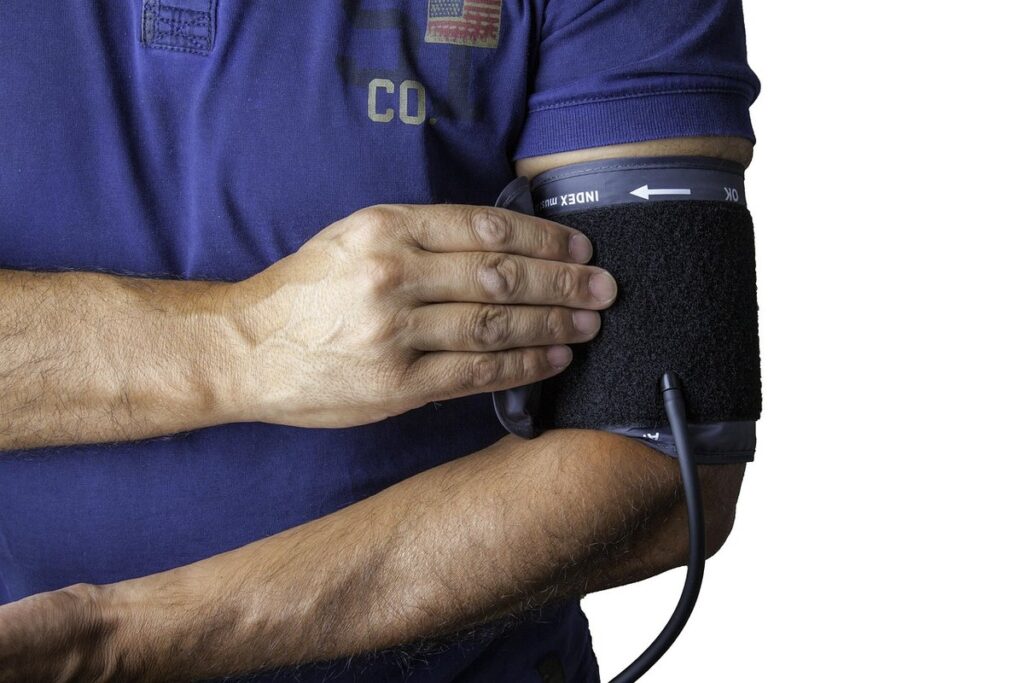
Regular blood pressure checks are crucial for seniors managing high blood pressure. These checks can be done with healthcare providers during routine visits, but home monitoring systems offer a more convenient and accurate way to track changes over time.
Home monitoring systems typically involve a portable device that takes blood pressure readings, which can then be uploaded to a smartphone or computer. This allows caregivers or family members to monitor the senior’s progress remotely, making it easier to catch potential issues before they become severe.
The American Heart Association recommends using home monitors for anyone taking medications to manage high blood pressure. Studies have shown that regular monitoring with these devices can lead to better medication adherence and improved blood pressure control. For instance, a study published in the Journal of Clinical Hypertension found that patients who used home monitors had a 25% decrease in systolic blood pressure compared to those who did not use them.
When selecting a home monitoring system, consider one with a large display screen and simple interface, making it easy for seniors or caregivers to take accurate readings. Additionally, look for systems that can sync data with health records or mobile apps, allowing for seamless tracking and sharing of results with healthcare providers.
Strategies for Adhering to a Medication Regimen as a Senior
As you navigate managing high blood pressure as a senior, adhering to your medication regimen can be a significant challenge. However, with a few simple strategies, you can stay on track and maintain healthy blood pressure levels.
Firstly, set reminders for taking your medications. You can use a mobile app like Medisafe or MyMedSchedule to remind you when it’s time to take your pills. Alternatively, ask a family member or caregiver to help you remember. Forgetting to take medication is common, but consistent adherence is crucial in managing high blood pressure.
Another effective way to manage your medication regimen is by using pill boxes or calendars. These tools can be custom-made to accommodate the number of medications you’re taking. Fill up the pill box each week with a month’s supply of pills and move it one day ahead each time you take your medication. This visual reminder will help you stay organized.
Collaborate closely with your healthcare provider when establishing or adjusting your medication regimen. They can provide personalized guidance on managing high blood pressure and ensure that any new medications won’t interact negatively with existing ones.
Conclusion: Empowering Seniors to Manage High Blood Pressure
In conclusion, managing high blood pressure in seniors requires a multi-faceted approach that involves lifestyle changes, medication adherence, and regular monitoring. By empowering seniors with knowledge and tools, we can help them take control of their condition. This comprehensive guide has provided actionable tips and practical advice to support seniors in managing their high blood pressure.
It’s essential for family members, caregivers, or healthcare professionals to work collaboratively with the senior to develop a personalized plan that suits their needs. Encourage regular exercise, healthy eating habits, and stress management techniques to help manage symptoms. For instance, recommending gentle exercises like yoga or tai chi can be beneficial in reducing blood pressure.
By implementing these strategies and maintaining open communication, seniors can effectively manage their high blood pressure and improve their overall well-being.
Frequently Asked Questions
Can I still exercise if I have a pre-existing medical condition?
Yes, it’s essential to consult with your doctor before starting any new exercise program, especially if you have a pre-existing medical condition. They can help create a safe and effective plan tailored to your needs. Regular physical activity is crucial for managing high blood pressure, but it’s vital to prioritize your health and safety.
What should I do if I forget to take my medication or miss a dosage?
If you forget to take your medication or miss a dose, don’t panic! Simply take the missed dose as soon as you remember, unless it’s close to the time for your next scheduled dose. In that case, skip the missed dose and continue with your regular schedule. Consult with your doctor or pharmacist if you have concerns about managing your medication regimen.
How can I track my progress in managing my high blood pressure?
Regular monitoring is crucial when managing high blood pressure. Keep a log or use a mobile app to track your blood pressure readings, exercise routine, and medication adherence. Share this information with your healthcare provider during regular check-ups to ensure you’re making progress towards your goals.
Can I still consume salt and sugar if I have high blood pressure?
While it’s essential to limit sodium and added sugars in your diet, complete elimination may not be necessary. Focus on moderation: aim for no more than 2,300 milligrams of sodium per day and limit foods with added sugars. Use herbs and spices to flavor your food instead of salt.
What if I experience side effects from my medication?
If you experience side effects from your medication, don’t hesitate to reach out to your healthcare provider or pharmacist. They can help you manage the symptoms or adjust your dosage as needed. Common side effects like dizziness or headaches often resolve on their own, but it’s essential to address any concerns promptly to maintain optimal health.