
As we age, our bodies undergo natural changes that can affect our cardiovascular health. For seniors, managing blood pressure is crucial to reducing the risk of heart disease, stroke, and other complications. You’ve likely heard that high blood pressure is a major concern for older adults, but what’s considered acceptable? The truth is, even slightly elevated blood pressure can increase your risk of developing these conditions. It’s not just about avoiding medications or making lifestyle changes; understanding what constitutes normal blood pressure as a senior is essential to taking control of your health. In this article, we’ll explore the specifics of managing blood pressure in older adults, including the latest recommendations on acceptable levels and how to achieve them through a combination of lifestyle modifications and medication options. By the end of this article, you’ll have a clear understanding of how to prioritize your cardiovascular well-being as you age.
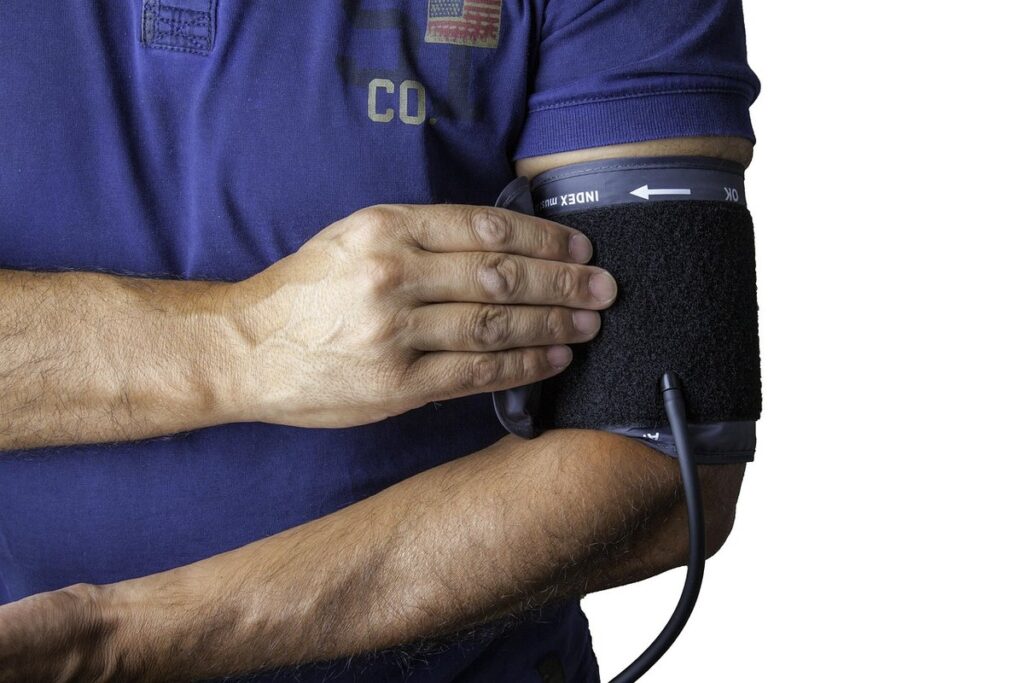
What is Considered High Blood Pressure in Seniors?
For seniors, high blood pressure is typically defined as a reading of 130/80 mmHg or higher, according to recent guidelines. This section will explain what this means for your overall health and well-being.
The Risks of Uncontrolled Hypertension
High blood pressure in seniors is a serious concern due to its association with several life-threatening conditions. Cardiovascular disease, including heart attacks and strokes, is one of the most significant risks of uncontrolled hypertension. When the heart has to work harder to pump blood through constricted arteries, it can lead to cardiac damage over time. In addition to cardiovascular issues, high blood pressure can also cause kidney damage and even kidney failure if left untreated.
Another concern with uncontrolled hypertension in seniors is cognitive decline. Research suggests that high blood pressure may increase the risk of dementia and Alzheimer’s disease. This is thought to be due to the fact that high blood pressure causes inflammation and damage to the blood vessels in the brain, leading to impaired cognitive function.
It’s essential for seniors to work with their healthcare providers to manage their blood pressure through lifestyle modifications and medication if necessary. By doing so, they can reduce their risk of developing these conditions and maintain a healthy quality of life. Regular monitoring and control of blood pressure are critical steps in preventing these complications and ensuring overall well-being.
Factors That Increase the Risk of High Blood Pressure
Family history is a significant risk factor for high blood pressure in seniors. If one or both parents had hypertension, you’re more likely to develop it as well. Age itself also increases the risk, with most people developing high blood pressure after the age of 65.
Obesity is another major contributor to high blood pressure. Carrying excess weight puts additional strain on your heart and arteries, making them work harder to pump blood throughout the body. This can lead to a range of cardiovascular problems, including heart failure and kidney disease. Aiming for a healthy weight through a combination of diet and exercise can help mitigate this risk.
Physical inactivity is also a significant factor in developing high blood pressure. Regular exercise helps lower blood pressure by improving circulation, reducing stress, and promoting overall health. The American Heart Association recommends at least 150 minutes of moderate-intensity aerobic activity or 75 minutes of vigorous-intensity aerobic activity per week. Even small increases in physical activity can make a big difference.
Certain medications can also increase the risk of high blood pressure, including birth control pills, certain antidepressants, and some decongestants. If you’re taking any prescription medication, talk to your doctor about potential side effects on your blood pressure.
What is Considered Normal Blood Pressure for Seniors?
For seniors, blood pressure guidelines are slightly different from those for younger adults, and understanding what’s considered normal can be crucial in maintaining overall health. Let’s look at how to determine if your senior loved one has acceptable blood pressure levels.
The Importance of Regular Blood Pressure Checks
Regular blood pressure checks are crucial for seniors to monitor and manage their blood pressure effectively. As people age, their blood vessels become less flexible, making it more difficult for the heart to pump blood efficiently. This can lead to a range of complications, including cardiovascular disease, kidney damage, and vision loss.
Monitoring blood pressure at home is especially important for seniors because it allows them to track any changes or fluctuations in their blood pressure over time. By checking their blood pressure regularly, seniors can identify potential issues before they become serious problems. It’s recommended that seniors check their blood pressure at least once a week, ideally in the morning and evening.
Using a home blood pressure monitor is also more accurate than relying on occasional doctor’s appointments. Many pharmacies offer free or low-cost blood pressure monitors, making it easy for seniors to get started. By taking control of their blood pressure monitoring, seniors can work with their healthcare providers to make informed decisions about their care and reduce the risk of complications associated with high blood pressure. This proactive approach can also help prevent unnecessary medication changes.
Understanding the Different Types of Blood Pressure Readings
Blood pressure readings can be categorized into several types, but two main numbers are typically reported: systolic and diastolic pressures. Systolic pressure is the higher number, which measures the force of blood against artery walls when the heart beats. Diastolic pressure is the lower number, measuring the force between beats when the heart rests.
Understanding these two values is crucial because they indicate different aspects of cardiovascular health. A high systolic reading may suggest stiffened arteries or atherosclerosis, while a high diastolic reading might signal fluid retention or kidney issues. Conversely, low readings can be a sign of poor circulation, dehydration, or certain medication side effects.
When interpreting blood pressure readings, it’s essential to pay attention to both numbers and consider the individual’s overall health profile. A single value may not accurately represent their condition, so monitoring patterns over time is vital for accurate diagnosis and treatment planning. For instance, a patient with hypertension might have a normal systolic reading but an elevated diastolic reading, which would necessitate targeted interventions.
How to Measure Blood Pressure Accurately
To accurately determine if your blood pressure falls within a healthy range, you need to know how to properly measure it at home. Measuring blood pressure correctly is crucial for getting an accurate reading.
Choosing the Right Blood Pressure Monitor
When choosing a blood pressure monitor, consider the type of device that best suits your needs. Manual monitors use a stethoscope to listen for Korotkov sounds, which can be more accurate but require some skill and practice. Automated monitors are easier to use and provide quick readings, but may not be as precise.
If you’re looking for an automated option, opt for one with a cuff that fits comfortably around your upper arm. The American Heart Association recommends choosing a monitor with the following features: a large display screen, easy-to-use controls, and a memory function to track multiple readings. When selecting a manual monitor, consider one with a high-quality stethoscope and a comfortable cuff.
Some popular brands for blood pressure monitors include Omron, A&D, and Withings. While these devices can be accurate, it’s essential to follow the manufacturer’s instructions and take multiple readings at different times of day to ensure accuracy. Additionally, have your monitor calibrated by a healthcare professional if possible. By choosing the right monitor and using it correctly, you’ll be able to get an accurate reading of your blood pressure.
Tips for Taking an Accurate Blood Pressure Reading
When taking an accurate blood pressure reading, it’s essential to avoid certain activities beforehand. Caffeine can increase blood pressure temporarily, so try to limit or avoid consuming caffeinated beverages like coffee, tea, and soda for at least 30 minutes before measurement. Similarly, intense exercise can also elevate your blood pressure, so finish any workouts at least an hour prior to taking a reading.
To ensure accuracy, find a quiet, comfortable spot where you can sit with your back supported. Avoid crossing your legs or ankles, which can constrict blood flow and affect the reading. Instead, place your feet flat on the floor and keep your arms at heart level.
Make sure your blood pressure monitor is properly calibrated and follow the manufacturer’s instructions for use. If you’re using a manual cuff, ensure it fits snugly but not too tightly around your upper arm. For automated monitors, check that they’re set to measure in the correct units (mmHg) and are functioning correctly.
Taking these simple precautions can help you obtain an accurate blood pressure reading.
The Relationship Between Age and Blood Pressure
As you age, changes in your blood vessels can lead to higher blood pressure readings. Let’s explore how these natural changes affect your ideal blood pressure range.
How Blood Pressure Changes with Age
As people age, their blood pressure typically follows a predictable pattern. In young adulthood, blood pressure tends to peak around 20-30 years old, with an average systolic pressure of around 110-120 mmHg and diastolic pressure of around 70-80 mmHg. However, as we enter middle age, blood pressure often begins to rise, reaching its peak again in most people by the time they reach their early 50s.
But what happens next? For older adults, there’s a common phenomenon known as “reverse pulse pressure,” where systolic pressure increases while diastolic pressure decreases. This can lead to a widening of the pulse pressure, which can be concerning for seniors with pre-existing heart conditions or high blood pressure. While it’s normal for blood pressure to fluctuate with age, significant changes should always be discussed with a healthcare provider.
In general, older adults can expect their systolic pressure to rise by around 1-2 mmHg per year after the age of 50. However, this rate can vary significantly from person to person. Factors such as physical activity level, weight, and overall health can influence blood pressure changes with age, so it’s essential for seniors to maintain a healthy lifestyle and stay on top of regular check-ups.
Managing Blood Pressure in Seniors with Comorbidities
Managing blood pressure in seniors can be especially challenging when comorbidities are present. A comorbidity is a co-occurring medical condition, such as diabetes or kidney disease, that complicates the management of hypertension. In these cases, blood pressure goals may need to be adjusted downward to prevent further complications.
For instance, if a senior has uncontrolled type 2 diabetes, lowering their blood pressure can help improve insulin sensitivity and reduce cardiovascular risk. However, this may require medication adjustments or lifestyle modifications, such as reducing sodium intake or increasing physical activity.
The presence of kidney disease also impacts blood pressure management. Many seniors with chronic kidney disease (CKD) have hypertension that is resistant to treatment, making it essential for healthcare providers to tailor their approach to each patient’s specific needs. This may involve combining medications or using alternative therapies like mineralocorticoid receptor antagonists.
Seniors with comorbidities should work closely with their healthcare provider to develop a personalized treatment plan that addresses both conditions simultaneously.
Lifestyle Modifications to Lower Blood Pressure
To effectively manage blood pressure, making a few simple lifestyle changes can have a significant impact on overall health. Dietary adjustments and regular exercise are key areas to focus on for seniors looking to lower their blood pressure naturally.
The Importance of a Balanced Diet
A well-balanced diet plays a crucial role in maintaining healthy blood pressure levels. Foods rich in potassium, calcium, and magnesium can help lower blood pressure by counteracting the effects of sodium. Leafy greens like spinach, kale, and collard greens are excellent sources of these minerals. Fatty fish such as salmon and mackerel are also beneficial due to their omega-3 fatty acid content.
On the other hand, a diet high in processed foods, sugar, and saturated fats can lead to increased blood pressure. Foods to limit or avoid include those high in sodium, such as canned soups, frozen meals, and processed meats like bacon and sausage. Refined carbohydrates like white bread and sugary drinks also contribute to elevated blood pressure.
Incorporating a variety of whole foods into your diet can have a significant impact on blood pressure levels. Aim for at least five servings of fruits and vegetables daily, and choose lean protein sources whenever possible. Limit your sodium intake to less than 2,300 milligrams per day, and be mindful of portion sizes when consuming high-calorie or high-sodium foods.
Exercise and Physical Activity for Seniors
Regular exercise is a crucial component of maintaining healthy blood pressure levels as we age. Aerobic activities, such as brisk walking, swimming, and cycling, are particularly effective at lowering blood pressure. These exercises improve cardiovascular health by strengthening the heart and increasing its efficiency at pumping blood.
For seniors, incorporating strength training into their routine can also help manage blood pressure. Resistance band exercises or light weightlifting can be beneficial for building muscle mass and improving overall physical fitness. The American Heart Association recommends that adults engage in at least 150 minutes of moderate-intensity aerobic activity or 75 minutes of vigorous-intensity aerobic activity per week.
When selecting an exercise routine, it’s essential to consider individual limitations and health conditions. Consult with a healthcare provider before starting any new physical activity program, especially if you have pre-existing health concerns or chronic conditions such as diabetes or heart disease. A well-designed exercise plan can help lower blood pressure and improve overall quality of life for seniors.
Medications and Supplements to Manage Blood Pressure
Medications and supplements can be effective tools in managing blood pressure, but it’s essential to understand their role and potential interactions. We’ll explore some commonly used options for seniors.
Common Blood Pressure Medications for Seniors
Diuretics are commonly prescribed to seniors with high blood pressure. These medications work by removing excess fluid from the body through increased urine production. Examples of diuretic medications include furosemide (Lasix) and hydrochlorothiazide (HCTZ). Beta blockers, such as metoprolol (Lopressor) and atenolol (Tenormin), are another type of medication used to manage high blood pressure in seniors. Beta blockers slow the heart rate and reduce the force of the heart’s contractions.
In addition to these medications, other types of drugs may be prescribed for seniors with hypertension. ACE inhibitors, such as lisinopril (Zestril) and enalapril (Vasotec), work by relaxing blood vessels and reducing blood pressure. Calcium channel blockers, like verapamil (Calan) and amlodipine (Norvasc), also help to relax blood vessels and lower blood pressure.
It’s essential for seniors taking these medications to follow their doctor’s instructions carefully and monitor their blood pressure regularly. Regular monitoring will help determine if the medication is effective in managing high blood pressure, as well as identify any potential side effects or interactions with other medications.
Natural Supplements That May Help Lower Blood Pressure
Omega-3 fatty acids have been shown to have a positive effect on blood pressure. These essential fats can be found in fatty fish like salmon and sardines, as well as flaxseeds and walnuts. Studies have demonstrated that omega-3 supplementation can lower both systolic and diastolic blood pressure. The recommended daily intake is 1,000 to 2,000 milligrams of combined EPA and DHA.
CoQ10 is another supplement that may help reduce blood pressure. This antioxidant is naturally produced by the body but levels decrease with age. Supplementing with CoQ10 has been shown to lower blood pressure in some individuals, particularly those taking medications for hypertension. The optimal dosage for blood pressure reduction is unclear, but a typical range of 30-100 milligrams per day is commonly used.
Magnesium and potassium are essential minerals that play a crucial role in maintaining healthy blood vessels. Low levels of these nutrients have been linked to increased blood pressure. Foods rich in magnesium include dark leafy greens, nuts, and seeds, while potassium can be found in bananas, avocados, and sweet potatoes. Some research suggests that supplementing with magnesium and potassium may help lower blood pressure, but more studies are needed to confirm this.
Conclusion: Taking Control of Your Blood Pressure as a Senior
Now that you’ve learned how to monitor and manage your blood pressure, it’s time to put what you’ve learned into action. Let’s discuss the next steps for maintaining healthy blood pressure as a senior.
Summary of Key Takeaways
Regular blood pressure checks are crucial for seniors to manage their blood pressure effectively. Throughout this article, we’ve discussed the importance of monitoring and maintaining a healthy blood pressure reading. To summarize, here are the key takeaways:
- High blood pressure in seniors can lead to serious health complications if left unmanaged. The risk factors include age-related changes, family history, and lifestyle choices such as smoking and excessive salt intake.
- Understanding normal blood pressure for seniors is essential. A typical reading should be below 120/80 mmHg, with individual targets varying based on overall health and other medical conditions.
- Lifestyle modifications play a significant role in lowering blood pressure. A balanced diet rich in fruits, vegetables, and whole grains can help maintain healthy blood pressure levels. Regular physical activity, such as brisk walking or swimming, is also beneficial for seniors.
To put these takeaways into practice, consider the following tips:
- Schedule regular blood pressure checks with your healthcare provider to monitor changes and adjust treatment plans accordingly.
- Focus on a balanced diet with plenty of potassium-rich foods like bananas and leafy greens to help lower blood pressure naturally.
- Aim for at least 30 minutes of moderate-intensity exercise per day, such as brisk walking or cycling.
In addition to these lifestyle modifications, managing comorbidities like diabetes and kidney disease can significantly impact blood pressure levels. By understanding the complex relationship between age and blood pressure, seniors can take proactive steps towards maintaining a healthy cardiovascular system.
Frequently Asked Questions
How Often Should I Check My Blood Pressure at Home?
Checking your blood pressure regularly is crucial to managing it effectively. The American Heart Association recommends checking your blood pressure at least once a day, ideally in the morning before taking any medications or consuming food and drinks that can affect your readings. This helps you monitor changes over time and make adjustments as needed.
Can I Take Medication for High Blood Pressure Even If I Have Other Health Conditions?
Certain health conditions may require medication adjustments to manage blood pressure effectively. For example, if you have kidney disease, you may need a diuretic that’s gentler on your kidneys. Consult with your healthcare provider about the best course of treatment for your specific situation.
What If My Blood Pressure Monitor Isn’t Accurate?
If you suspect your home blood pressure monitor is providing inaccurate readings, consult with your healthcare provider or visit their office for a check-up. They can verify your measurements using an electronic or manual monitor and provide guidance on how to use your device correctly.
Can I Lower My Blood Pressure Without Medication Through Diet Alone?
A balanced diet rich in fruits, vegetables, whole grains, and lean protein sources can help lower blood pressure. However, if you have a significantly high reading (typically 180/120 or higher), medication may be necessary to control the situation promptly. Work with your healthcare provider to develop a comprehensive plan that incorporates dietary changes alongside any prescribed treatments.
How Do I Know If My Blood Pressure Medication Is Working?
Monitor your blood pressure regularly and discuss any concerns with your healthcare provider. Typically, a medication is considered effective if it brings your readings down to a safe level (usually below 130/80) within a few weeks of starting treatment. Be patient as it may take some time for the full effects of the medication to kick in.